


In late February 2026, the Zimbabwean government made a bold move to ban the export of raw lithium with immediate effect.
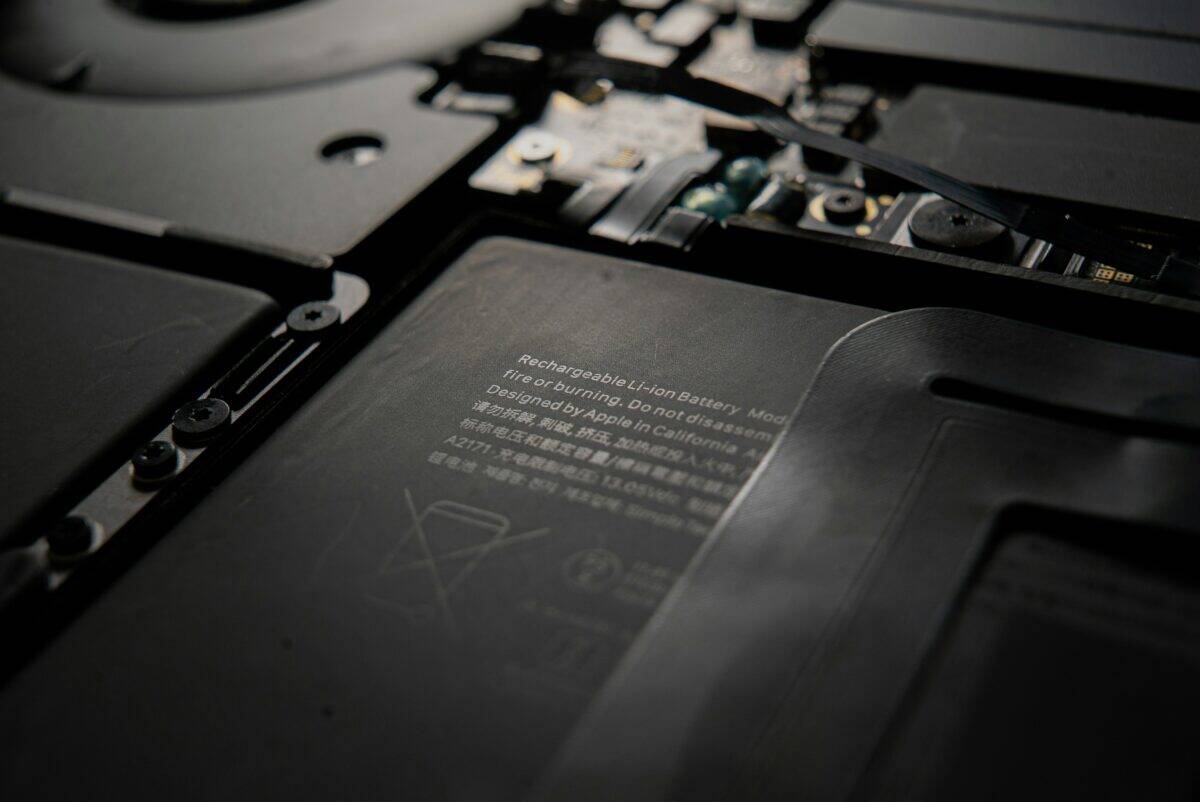
The government says the decision is meant to promote local value addition, increase transparency, and strengthen accountability in the mining sector. Lithium is a critical mineral used in the production of batteries for electric vehicles and renewable energy storage systems, as well as most portable electronics and global demand for the mineral is surging as the clean energy sector expands.
The ban, announced by Zimbabwe’s Minister of Mines and Mining Development, Polite Kambamura, also applied to minerals in transit, giving mining companies little time to adjust. Several truckloads of lithium concentrate en route to the port of Beira in Mozambique were turned back at Zimbabwe’s Forbes Border Post outside the eastern border city of Mutare.
Meet EP Investing — capital discovery for the energy transition.
Zimbabwe holds Africa’s largest lithium reserves, and before the ban, most of its lithium was exported to China. The government hopes the policy will enable the country to capture more value from the global shift toward cleaner energy.
Speaking at a post-Cabinet media briefing in Harare in March, Kambamura said the government had initially planned to ban lithium concentrate exports starting in January 2027 but brought the timeline forward after discovering malpractices in the sector.
“We had to come in with this intervention of banning the export of lithium concentrates and also any raw minerals or minerals that are not value-added with effect from February 26, 2026,” Kambamura said.
Yet an important question remains: will the government’s bold move benefit the communities where lithium is mined?

Donald Nyarota, communications and advocacy officer for the Centre for Natural Resource Governance, warned that the ban could destabilize the sector. “While we support value addition and beneficiation, we caution that the ban creates chaos and uncertainty over the sector and raises a huge investment red flag, especially given the abrupt and drastic manner in which the ban was announced and enforced. Abrupt export controls risk converting a potential competitive advantage into a short-term shock that dents investor confidence and imperils jobs.”
For many communities, the discovery of vast lithium deposits in Zimbabwe has taken on the characteristics of the so-called ‘resource curse’. Residents in mining areas initially welcomed the discoveries, hoping the mineral wealth would improve their livelihoods.
Instead, thousands of farmers have reportedly lost farmlands, water sources, and grazing land to mining operations. Communities have also been exposed to dust and pollution from mining activities.
Lithium mining in districts such as Buhera and Bikita has been linked to water pollution, disruption of ecosystems, and air quality concerns. Mine workers have complained of low wages and unsafe working conditions. Many Chinese companies that dominate Zimbabwe’s lithium mining sector have also been accused by activists of smuggling the mineral, with few benefits reaching local communities.
For many residents, lithium mining has therefore brought more hardships than opportunities.
However, the Centre for Natural Resource Governance has long advocated for mineral processing, value addition, and beneficiation in Zimbabwe.
The organization argues that developing domestic mineral value chains could stimulate industrialization, create decent jobs, and strengthen links with other sectors such as manufacturing, energy, logistics, research and development, and skills training. Zimbabwe’s large lithium reserves, it says, place the country in a strategic position within the global energy transition.
“In our statement, we outline practical recommendations to ensure Zimbabwe moves up the mineral value chain in a structured, consultative, and sustainable manner, protecting jobs while building domestic processing capacity,” Nyarota noted.
However, in the statement, the organization says it is deeply concerned about how the export ban was implemented.
“The decision appears to have been taken without adequate consultation with key stakeholders, including the Chamber of Mines of Zimbabwe, workers’ unions, affected communities, downstream industries, and investors,” the NGO said in the statement.
The Centre for Natural Resource Governance also warned that abrupt policy shifts implemented without transitional arrangements could undermine investor confidence and create regulatory uncertainty, with implications for Zimbabwe’s reputation as an investment destination in the highly competitive global lithium market. The NGO emphasised that “meaningful stakeholder engagement is essential for building consensus and ensuring that policy reforms are both practical and sustainable.”
Halting exports that were already in transit, the organization says, could also disrupt contractual obligations and supply chains. Mining operations rely on predictable export arrangements to maintain cash flow, service debt, and pay workers.
Potential consequences, it warns, include the suspension or scaling down of mining operations, workers being placed on unpaid leave, reduced foreign currency inflows, and possible litigation arising from breached contracts.
Although mineral processing and value addition have long been seen as the missing link in Zimbabwe’s extractive sector, experts say beneficiation cannot be achieved through export bans alone.
According to the Centre for Natural Resource Governance, successful beneficiation requires reliable and affordable electricity, adequate industrial water supplies, transport and logistics infrastructure, access to capital, and skilled technical expertise.
James Mupfumi, director of the investigative NGO, the Centre for Research and Development, agrees that Zimbabwe must move beyond exporting raw minerals.
“Zimbabwe has exported raw materials of limited local value for far too long,” Mupfumi tells The Energy Pioneer. He went onto say, “policies promoting beneficiation and value addition are conceptually sound. In fact, the ban is a potentially progressive policy direction that could create thousands of jobs through industrialization.”
However, Mupfumi quickly warns that without policy consistency, institutional capacity, energy infrastructure, and strong accountability systems, the ban could produce unintended governance challenges, including an increase in illegal trade.
As Zimbabwe takes a decisive step toward local value addition, the lithium export ban may represent a turning point for the country’s mining sector. With global demand for lithium soaring, the policy could help reshape Zimbabwe’s economy and allow it to capture greater benefits from the energy transition.
But as the mining sector adjusts to the new policy environment, balancing economic growth with environmental protection and social responsibility will be critical.
Zimbabwe’s lithium revolution has begun. Whether Zimbabwe’s big bet on local lithium processing ultimately benefits the country and its people remains to be seen.
Meet EP Investing — the platform behind the stories.
1,300+ companies · 350+ investors · 47+ grants