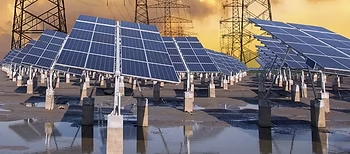


Solar energy is being considered for a brighter, greener future.
Hurricane Melissa exposed the fragilities of Jamaica’s energy grid. When the hurricane hit on October 28, 2025, as a powerful category five storm, 540,000 customers, or 70% of Jamaicans on the island’s sole electricity grid, were left without power. Several transmission and distribution networks operated by the country’s only electricity distributor, The Jamaica Public Service (JPS), were severely damaged.
In response, hundreds of Jamaicans in Western Parishes demonstrated resilience by using portable solar energy solutions (solar lights, lamps, and fans) to cope with the apocalyptic scenes that were once thriving communities. Currently, more than 28,000 Jamaicans remain without power, almost three months after the storm, and there has been an increase in inquiries about solar energy. In fact, many people have stopped using electricity generated by the JPS altogether. According to David Barrett, an energy consultant at Enbar Consulting, “setting up solar systems is a big investment, so often times after these emergencies, once the crisis has passed, people want to see how things balance out, so what we have now is an increase in the number of people enquiring about solar systems.”
Meet EP Investing — capital discovery for the energy transition.
The transition to solar was marked not only by a power outage but also by the exorbitant cost of electricity in Jamaica. Electricity in Jamaica is among the highest in the Caribbean, with prices ranging from USD 0.45 to USD 0.50 per kilowatt-hour. This is coupled with past experiences from disasters such as Hurricane Beryl in 2024, in which many people saw nearly a doubling of their monthly electricity costs.
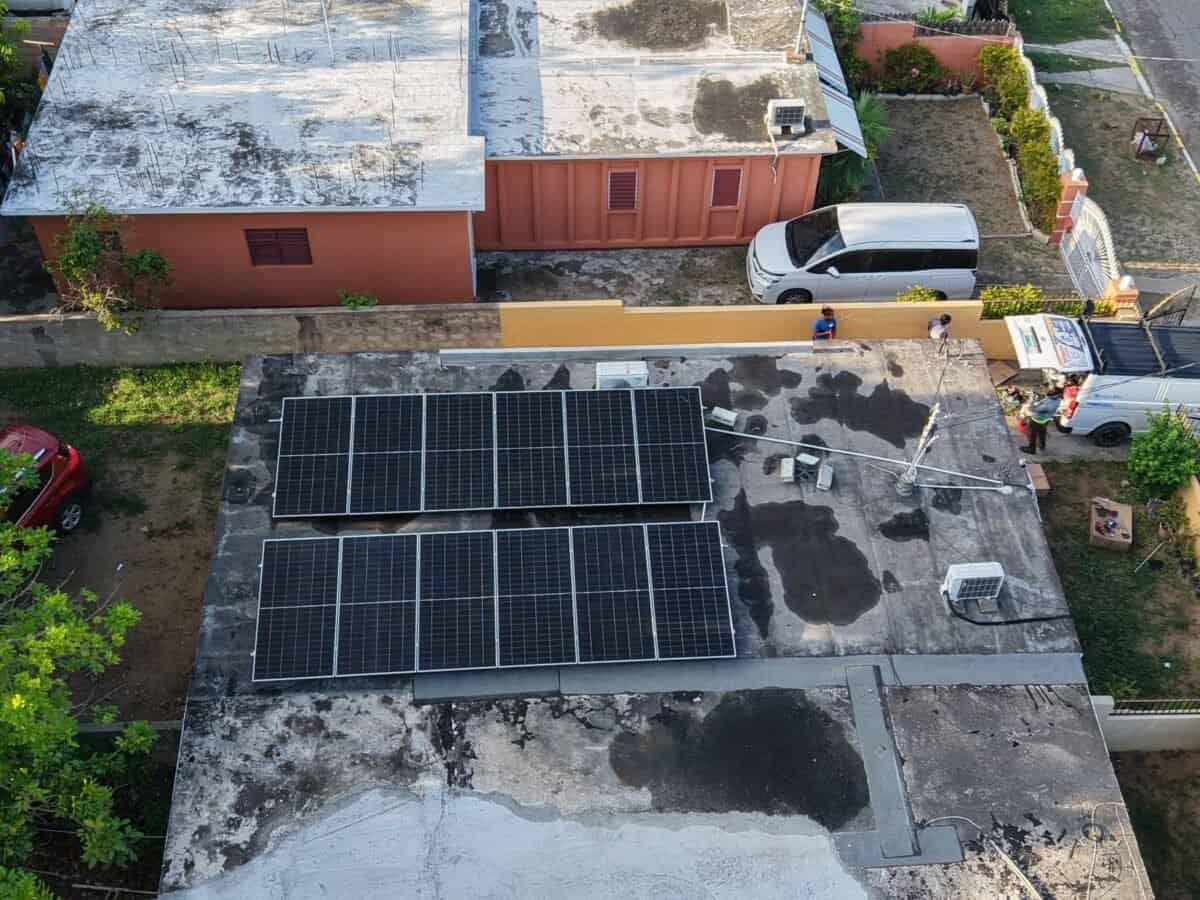
For example, Junior Brown, who lives in the suburban town of Portmore in St. Catherine, one of the communities that was spared from hurricane Melissa’s wrath (but still lost power), said 98% of the energy used at his home is generated from the sun- a 1.5 million Jamaican dollar (9600 USD) investment.
“I think I was paying too much for electricity, and I was even more motivated by Hurricane Melissa after being without electricity for about six days. It was an investment for myself and my family. I spent those six days with no form of communication with the outside world, it was rough”. Junior Brown further stated that he lives in a two-person household, yet he was paying over 34,000 JMD (USD 218) in electricity each month. Additionally, in November, Jamaica’s Office of Utilities Regulation (OUR) granted JPS approval to increase electricity rates by 7%. This fluctuation in electricity costs also prompted other customers to rethink how they power their homes.
Neville Green, a resident who lives in Santa Cruz, St. Elizabeth, one of the parishes most impacted by the storm, said he decided to install a solar system to power his home after being without electricity for over two months (October to December, 2025). “We were out of electricity, and when I saw the devastation, I knew JPS (the electricity company) would not be in my area any time soon (to restore power). I had some solar lights and solar fans that helped me through the nights, but it was still overwhelming. I have a 3.71-kilowatt solar system now with 6 panels, and I am very happy with that decision. I also saw that JPS increased the bills by 7% in November, and I know it would get higher in the coming months”, Green said.

The challenge, however, is that it is expensive to install solar systems in households. Like Junior Brown, Neville Green spent approximately 1.5 million Jamaican dollars (9600 USD) to install the system, which is less than many Jamaicans earn in a year. However, the Jamaican government has been championing a more modern, environmentally-friendly, and sustainable energy system. For example, the Electricity Act of 2015 established the framework for net billing, under which Jamaicans can sell surplus energy generated from renewable sources to the national grid. However, according to Barrett, the net billing process is quite onerous on people generating energy from renewables, and the rates being offered are also a deterrent for sellers.
“In net billing, what you sell back to the utility provider (JPS) is lower than what JPS would charge customers per kilowatt of electricity generated. So many people believe the cost should be the same because JPS would avoid the high cost for fuel used in generating electricity”, according to Barrett.
However, to achieve Jamaica’s national climate change goals, Barrett believes the national grid should add more renewables, and solar energy is the best alternative to fossil fuels in a tropical country like Jamaica. Presently, Jamaica only has over 200 megawatts of renewables (wind, hydro, solar and biomass). “Solar is being prioritised because it is one of the fastest renewables that can be uploaded to your grid”, Barrett said.
Lights Out, JPS? New and Improved Electricity Licence: Key to Greener Energy in Jamaica?
Jamaica’s Energy Minister Daryl Vaz, who has been strident in his efforts to ensure Jamaicans are not left in the dark after any major disaster, has consistently lamented the ordeal of JPS operating under an old licensing regime that offers little protection to customers. In fact, Vaz said under the All Island Electricity Licence (2001), the government and private sector are constrained in transitioning to renewables because JPS has exclusive rights to transmit, distribute, and supply electricity throughout Jamaica.
To prioritise the addition of more renewables to the grid, Vaz believes that new conditions will need to be approved when the JPS licence expires in 2027. “A new licence would allow for alternative energy sources. The current licence is 20 years old and does not reflect the energy landscape in the world. The sooner we can get to a new electricity licence, the stronger the regulations”, Vaz said. According to the government, a new licence could either see a new utility provider entering the market or JPS agreeing to more beneficial provisions under a new contract.
A shift to more renewables in the island’s electricity grid by 2027 would be a significant milestone in Jamaica’s push to 50% renewables by 2030- an increase from the previous target of 30% announced in 2017. Currently, only 12% of JPS’s electricity is generated from renewable sources, as the company relies heavily on fossil fuels. As the island seeks to reduce its carbon footprint, solar energy is being promoted as the preferred alternative.
“I would encourage anyone, if you can make the investment, please get solar panels to power your home. You have nothing to lose,”- Junior Brown explains.
Meet EP Investing — the platform behind the stories.
1,300+ companies · 350+ investors · 47+ grants