
Shockwaves from Hormuz reach Southeast Asia
Southeast Asia has been heavily affected by the US-Israel war on Iran, due to their reliance on seaborne petroleum and LNG. The IEA found that 80% of the oil transiting through the Strait of Hormuz was bound for Asia, with China and India being the top consumers of oil from the Strait.
Fossil fuels dominate the energy mix in Southeast Asia and the fuel crisis has highlighted the vulnerabilities of imported energy. Strategic petroleum reserves across Southeast Asia vary sharply, from roughly 20-25 days in Indonesia, about 26 days in Vietnam (with some estimates placing it at 30-45 days, or as low as nine days for dedicated state reserves), around 30 days in Malaysia, about 60 days in both Thailand and the Philippines. While wealthier countries like South Korea, Japan, and Singapore have significant oil reserves of upwards of 200 days and stronger buying power, lower-income countries are at risk. The President of the Philippines, Ferdinand Marcos Jr, declared a state of national energy emergency on the 24th of March 2026.
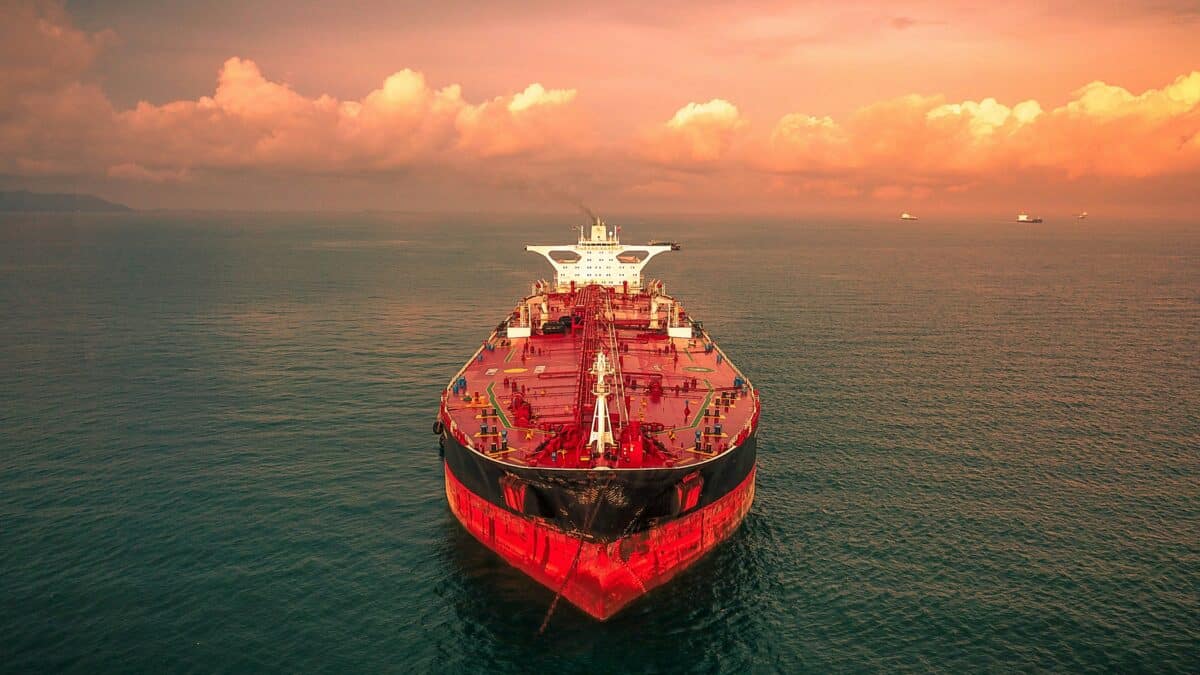
Alnie Demoral and Lam Pham, two Asia analysts from the energy think tank Ember, pointed out that although these countries have their own oil field “the region is confronting declining domestic oil and gas production as mature fields in countries such as Indonesia, Thailand, Vietnam and the Philippines… [This] increases reliance on imported fuels precisely when global markets are most volatile.”
This broader trend is also reflected in Vietnam’s crude oil position. Arif Aga, Director at SgurrEnergy, a renewable energy engineering and technical advisory firm, noted: “Vietnam is understood to be a net crude importer compared to what it used to be in the past.”
The government of Vietnam has continued to emphasize offshore oil exploration, announcing a promising discovery at the Hai Su Vang field in January 2026 that could strengthen domestic supply. However, commercially recoverable reserves have yet to be confirmed, and production is likely still several years away.

Vietnam’s crude oil vulnerability
Europe learned a hard lesson in diversification after Russia’s 2022 invasion of Ukraine exposed the risks of overreliance on external energy suppliers. For the first time solar and wind generated more electricity in the European Union than fossil fuels in 2025.
Meanwhile, Vietnam’s energy supply is mainly made up of fossil fuels: 49.7% coal and 24.7% oil. Although domestic production accounts for roughly 70% of oil demand, the remaining 30% is imported, and the heavy reliance on fossil fuels has translated quickly into an energy security risk.
Demoral and Pham suggested that “coal ramp-up might be an option to consider,” especially given that the “overall coal capacity factor in 2024 was about 64%.” This means coal plants are currently operating at roughly two-thirds of their potential capacity, and an increase in coal use could be an option to mitigate supply constraints should the conflict continue in the long term.
Government measures to stabilize fuel prices
“Petrol and diesel prices jumped by 30% and 57% respectively in March compared to last December, which will increase logistic costs and inflation in general and will eventually affect all other sectors, including manufacturing,” said Demoral and Pham.
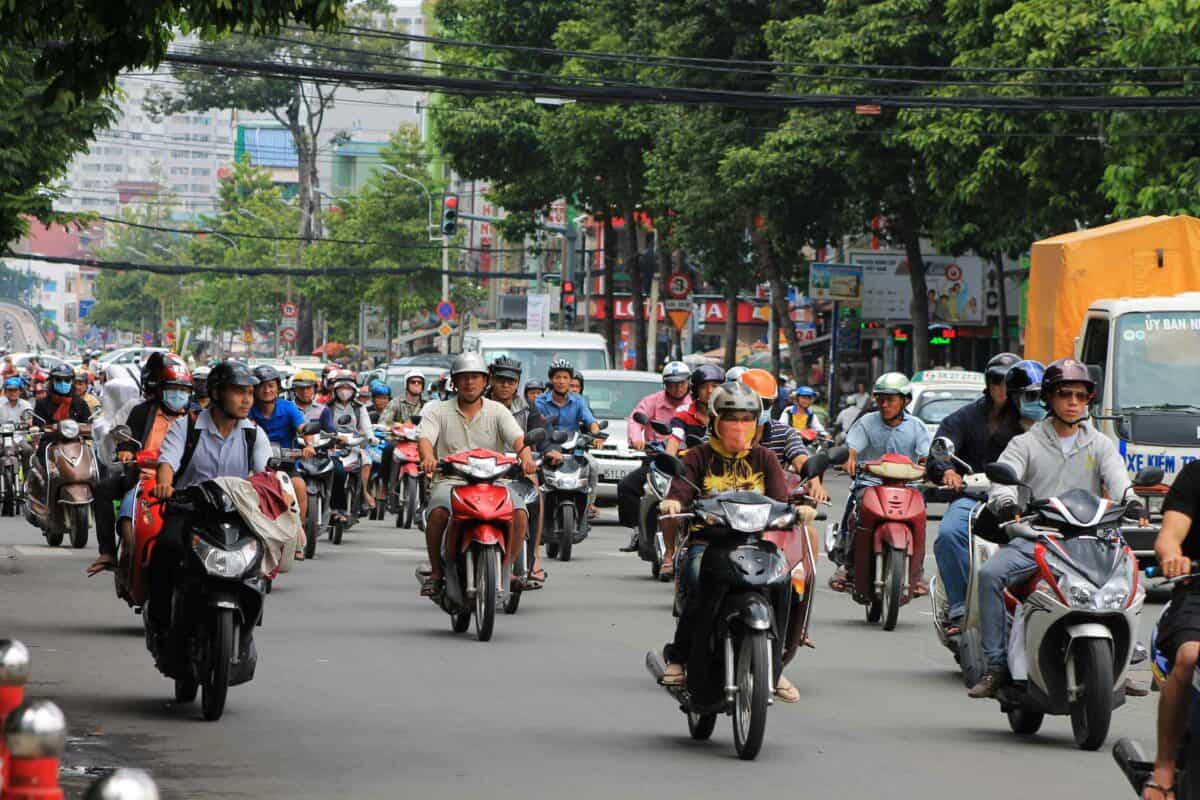
The government has tried to stabilize fuel prices by removing import tariffs on fuel until the end of April to cushion the blow for consumers. “Retail prices have eased from recent peaks, yet the VND 8 trillion stabilisation fund is rapidly depleting, indicating limited capacity for sustained relief,” said Demoral and Pham. They added that there has been “slowed growth in the Q1 2026 GDP” and despite mitigating for the most extreme pressures “overall economic strain persists”.
Policies to limit travel have been implemented to conserve energy. Cycling, carpooling and reducing air-conditioning use have been promoted as ways for citizens to reduce energy consumption. Demoral and Pham also pointed to the government push to adopt “remote work and logistics optimisation” where possible.
Larger corporations have also had to make sacrifices. Vietnam Airlines has reduced its flight volume “10- 20% from April”, Demoral and Pham said. Since most of Vietnam’s jet fuel comes from China and Thailand, the reduction in regional fuel supply and rising import costs have intensified operational pressures, forcing the airline to scale back routes.
Renewables as a national security strategy
Only 4.5% of electricity in Southeast Asia is powered by wind and solar. The World Bank conducted a study across Vietnam, the Philippines, Indonesia and China, finding an estimated 65,000 GW of untapped electricity potential, with 97% of renewable capacity in these countries remaining unexploited. Demoral and Pham note that “Vietnam already has strong potential for renewable development and policy frameworks that support expansion, particularly through the revised Power Development Plan VIII.” The Iran War might serve as a wakeup call to this underdeveloped energy potential. Demoral and Pham reflected that “an energy shock can accelerate investment and policy momentum toward these targets…[and] expanding renewable energy, like solar and wind, can reduce these vulnerabilities because they rely on domestic natural resources and have lower operating costs once infrastructure is installed.”
Aga from SgurrEnergy expanded on Vietnam’s renewable momentum, saying that “28% is the installed capacity contribution of renewables,” compared with oil’s 25% share of the energy mix. Meaning renewables represent a slightly larger share in capacity than oil does in the energy mix.
However, installed capacity does not necessarily translate into actual power generation, so the comparison reflects growing renewable infrastructure rather than evidence that renewables already supply more energy than oil.
Grid constraints threaten renewable momentum
Vietnam aims to generate up to 36% of its energy from renewables by 2030, including the addition of 40 gigawatts of renewable capacity through wind and photovoltaic solar. Having conducted performance assessments across the country SgurrEnergy found that many renewable projects were “performing at 70-80% of their installed capacities because of various grid challenges,” said Aga. “Curtailment is one of the major issues in the grid, … The grid at times may not be able to accept one hundred percent of the power coming in from…renewable energy projects”, he continued. But to change this, Aga believes there is a need for “some minor changes in the policy frameworks in the feed-in tariff, which has to be taken at the regulatory level.”
The grid is unable to accept or transmit all the power being produced by renewable projects, often because of transmission constraints or limited grid capacity, which leads to green electricity going unused. But this is not an indefinite challenge, and there are two possible solutions that Aga outlines: “it can be tackled in two ways: either by improving grid capacity or storing the energy that is getting wasted.” He adds that “with the cost of batteries going down over the last few years, it’s actually becoming very attractive globally.”
Regional integration as a long-term buffer
This energy shock has exposed the weaknesses in Vietnam’s energy mix. The government’s policy fixes have been successful in mitigating short term effects for consumers. But, longer-term strategies are needed to strengthen the country’s energy system.
Renewable energy projects must be prioritized as a means of national energy security, while longer-term initiatives like the ASEAN Power Grid, a connected system linking all 11 ASEAN members, need to be accelerated to enhance regional energy integration and improve overall energy resilience. Such disruptions highlight that Vietnam and Southeast Asia remain vulnerable to similar shocks in the future.