
At night in Chitora, a small farming community about 50 kilometres south of Zimbabwe’s eastern border city of Mutare, the glow of electric light spills from homesteads.
Until recently, these homes went dark with the setting of the sun. For generations, evenings here were marked by crackling wood fires and the gradual thinning of surrounding forests. Today, the low hum of electricity is beginning to tell a different story; a story that has changed the face of this community.
When Zimbabwe set out to electrify its rural communities more than two decades ago, the goal was obvious; to improve rural lives, unlock economic opportunities, and close the widening gap between rural and urban areas. Few imagined that the ripple effects from such an ambitious programme would extend into the country’s dwindling forests and wildlife conservation. Yet, in places like Chitora, rural electrification is quietly reshaping the relationship between the local farmers and wildlife.
“Things are changing for the better,” said a visibly excited, Blessing Zimunya, the villagehead of Nyamana Village in the region of Chitora. “Many households are now connected to electricity. People are no longer relying on firewood for cooking and heating the way they used to. Our forests are beginning to recover again”, continued Zimunya.
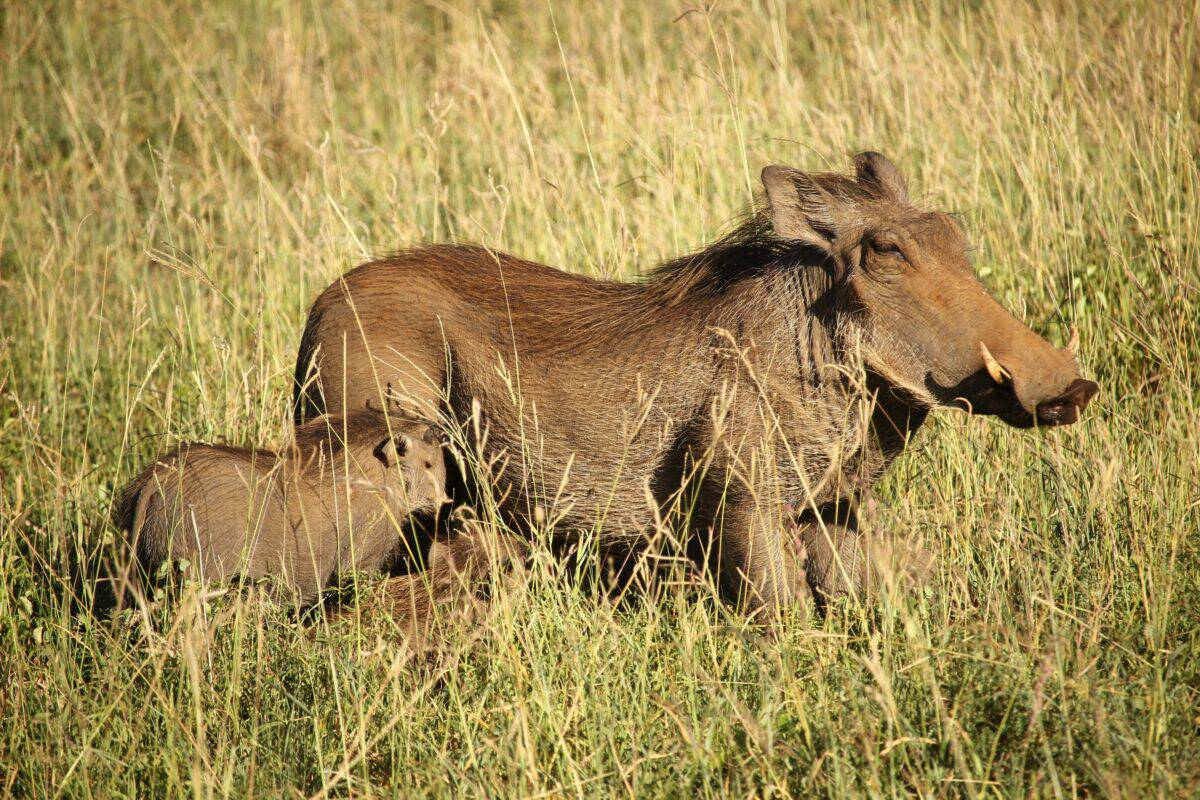
Not long ago, forests in the area were shaped by the demands of daily use. Firewood was the primary source of energy for cooking and heating in this part of Zimbabwe, and each bundle of wood collected from the bush slowly chipped away at the surrounding forest cover. Over time, the effects became visible; fewer trees, shrinking wildlife habitats, and growing pressure on wildlife. Monkeys, baboons, bushbucks, duikers, aardvarks, hares and a plethora of wild animals which used to roam these areas had long disappeared. Even the stubborn and much hated wild pigs and hyenas had slowly disappeared.
Now that electricity is readily available, pressure on the forests is easing, as is the strain on local wildlife. Electric stoves and lighting are gradually replacing wood fires, and in their absence, the land is beginning to slowly heal. Tree cover composed of indigenous species such as misasa, minhondo, miunze, misekesa, and mipangara is re-establishing itself in areas undergoing electrification, bringing with it the complex web of wildlife it supports.
Zimunya has seen the positive impact of this transition from wood fuel to electricity, not only in the surrounding landscape but also in the livelihoods of the local population. His beehives outside his homestead are now thriving, thanks to an increase in flowering plants.

“When the environment improves, everything and everyone benefits…even my bees are benefiting” he says.
However, this was not the primary intention behind Zimbabwe’s Rural Electrification Agency (REA), which has led much of the country’s grid expansion.
Johannes Nyamayedenga, the agency’s public relations and marketing executive tells The Energy Pioneer, the “REA anticipated the depletion of forests and disturbances of the ecosystem in rural areas where villagers’ main source of energy for cooking is firewood, although it’s not the only reason behind rural electrification. Another factor for rural electrification was to improve the lifestyle of rural communities and empower them to embark on village industry cottages, irrigation farming and to deliver standard health and education systems.”
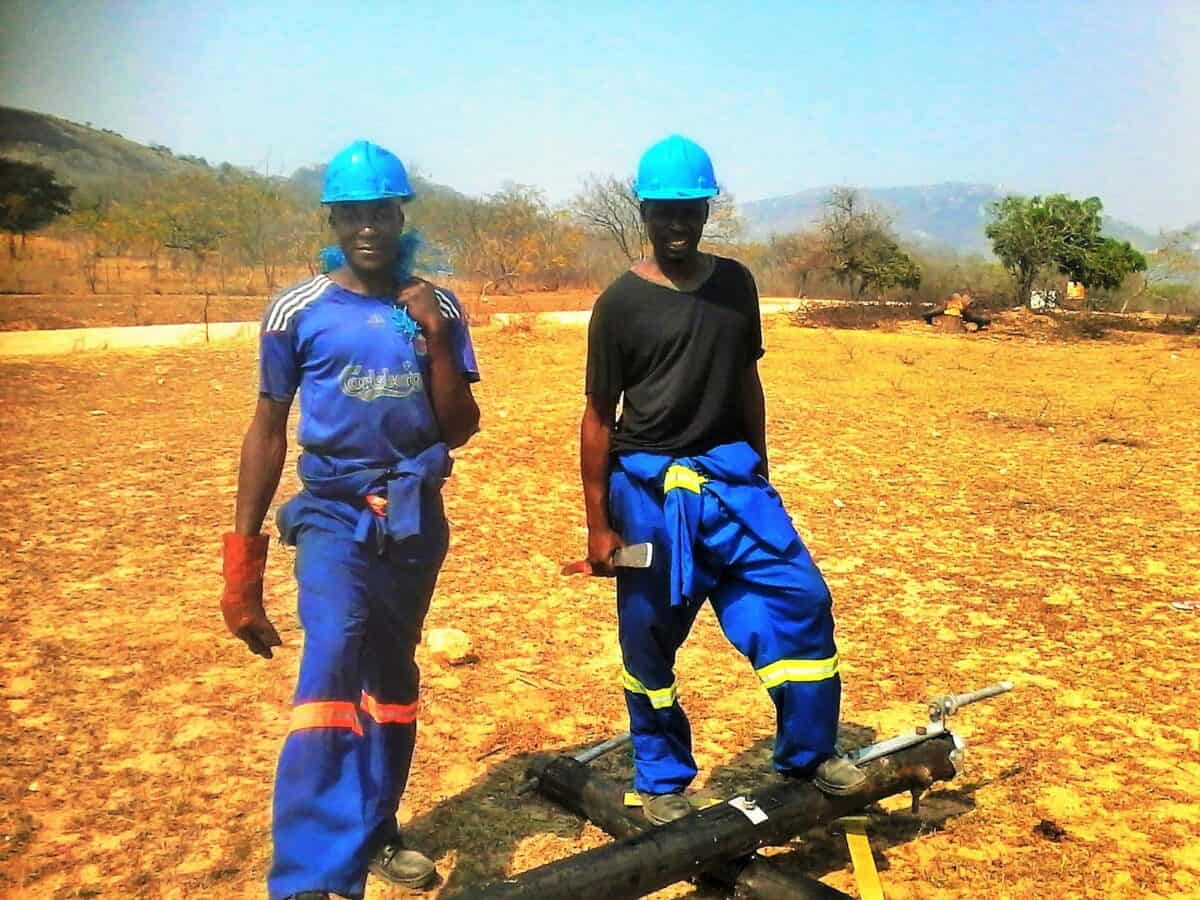
He went on to explain, “We are rapidly and equitably expanding the provision of energy in all the rural areas of Zimbabwe and our target is as follows; all schools and clinics in rural areas of Zimbabwe to be electrified by 2026 and all village homesteads to get access to energy by 2030.”
Beyond extending the national grid, the REA is introducing alternative energy solutions such as solar mini-grids and biogas systems. These technologies are designed to reach even the most remote communities in Zimbabwe and reduce reliance on natural resources.
The impact is not confined to forests. Along the edges of Zimbabwe’s protected areas, electrification is changing how communities coexist with wildlife.
In the past, encounters with animals like elephants, hyenas and lions often ended in conflict. Crops were destroyed, livestock lost, and retaliation was common. Now, access to electricity has enabled the installation of lights and electric fencing, simple but effective tools that deter nocturnal animals from entering villages. The result is a subtle but important shift: fewer confrontations, and in some areas, fewer retaliatory killings of wild animals.
Electricity is also bringing information into remote homes that were once isolated. Radios, televisions, and mobile phones are connecting rural communities to the wider world, including wildlife conservation information that was previously out of reach for many. As awareness grows, so too does a sense of shared responsibility for protecting wildlife.
New economic opportunities are emerging thanks to the shift in energy generation. Small businesses, welding shops, refrigeration services, agro-processing ventures, are taking root, offering alternatives to activities that once depended heavily on natural resources. In some parts of Zimbabwe, electrification is even supporting eco-tourism, giving communities a direct stake in preserving the wildlife around them.

Across Africa, such changes echo broader ambitions under the African Union’s Agenda 2063, which calls for a transition from traditional biomass fuels to cleaner, more sustainable energy sources. In Zimbabwe’s rural areas, that transition is already underway, with tangible benefits for both people and the environment.
Still, the story is not without complexity. On the flipside, experts say, power lines can pose risks to birds, and expanding infrastructure can disturb fragile habitats. Electrification can also open the door to further development, bringing new pressures into previously untouched areas. However, these realities underscore the need for careful planning and wildlife-sensitive designs.
But as night falls over Chitora and the electric lights flicker on, a quiet transformation is underway. What began as a development initiative is becoming something more; a bridge between human progress and environmental recovery.
And in the soft glow of newly lit homes, Zimbabwe is discovering that when people gain access to modern energy, nature, too, can find space to recover and thrive.