
There’s really no way around it. To get to within striking distance of climate goals, carbon will need to be removed from the atmosphere. Working alongside emissions reductions technology, carbon capture can offset emissions from hard-to-abate industries while also reducing current atmospheric carbon levels to safe levels. All manner of direct air capture (DAC) technologies will be required, and the push for commercialization has resulted in the development of modular facilities that are continuously improving their technology as capacity expands. In the case of DAC, modular means developing smaller, quicker to deploy machines that can be improved and expanded after an initial phase.
Put simply, DAC uses a solid or liquid sorbent that binds with carbon dioxide, removing it from the air as it passes through the system. After capture, heat or electrochemical processes are used to release the carbon dioxide and allow the sorbent to be reused. DAC companies often partner with carbon storage companies, which then store the carbon dioxide deep underground.
The rising number of planned DAC facilities reflects the growing momentum behind carbon capture and sequestration. While 27 of these plants have been commissioned to date, 130 are currently in various stages of development. DAC is one of the few decarbonization technologies seeing rapid growth in investment and planned deployment. The 130 plants under development are expected to capture roughly 65 million metric tons of CO2 per year. This is closely in line with Net Zero Emission goals. While this is promising, it is important to recall that most of the facilities are at an early stage and will require continued investment and policy support.
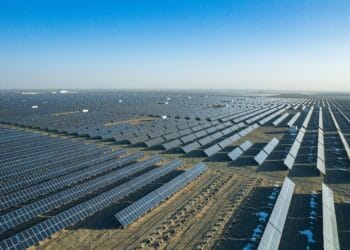
On the surface, direct air capture faces many of the same challenges that other emerging climate technologies have encountered, including high costs and energy intensive operations. However, unique technological challenges have hindered progress toward commercialization. The first, and most obvious, is that much more energy is required when capturing CO2 from the air than from direct sources, like power plants or industrial facilities, because atmospheric carbon dioxide is much more dilute. Few were as excited by the falling cost of commercial wind and solar as DAC developers, as project feasibility increased as renewable cost decreased.

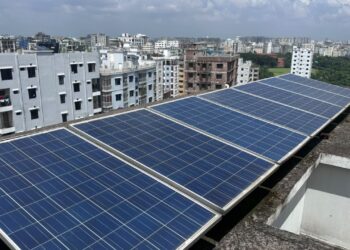
While the power requirements of DAC obviously present a challenge, it does offer the benefit of removing the need to place the carbon capture machines where carbon dioxide is produced, thereby offering infinite more options for deployment. This connects closely with the falling cost of large scale renewable energy. DAC plants can follow cheap solar and wind around the world, deploying in locations with the lowest possible cost of energy and highest degree of renewable usage.
The scale of DAC facilities can vary significantly. Climeworks’s Mammoth Project is capable of capturing 36,000 tonnes of CO2 per year, while new facilities in the southern United States , expected to begin operation in 2026, are projected to capture 500,000 tonnes annually.
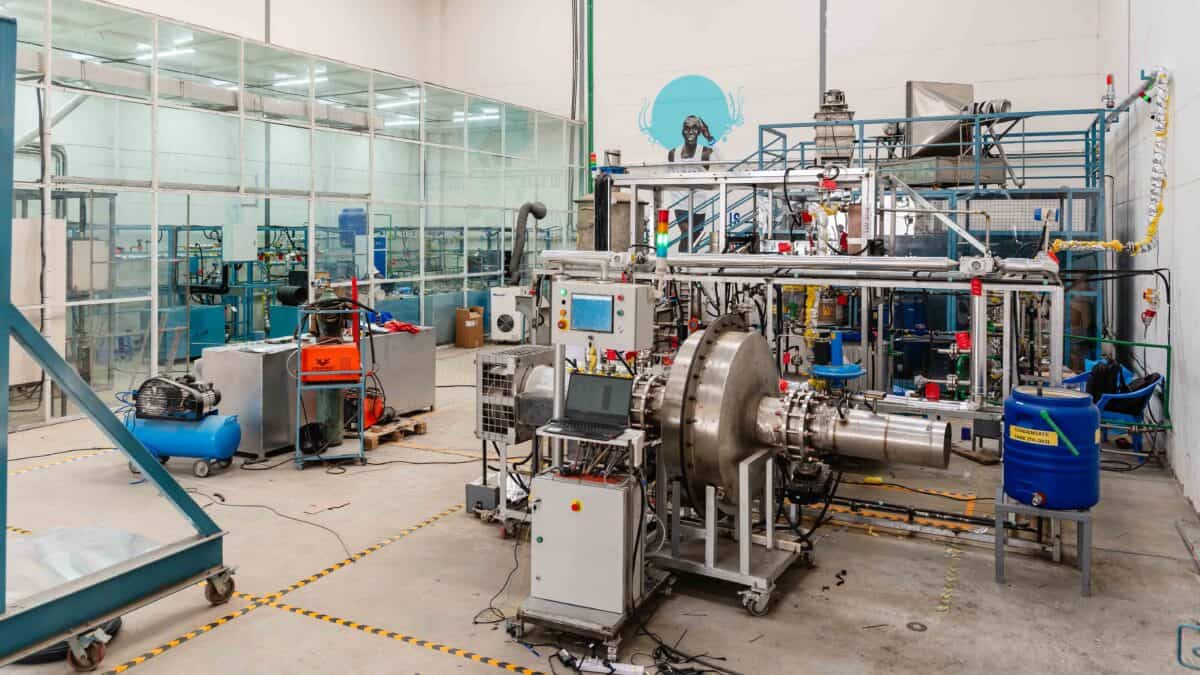
While large DAC plants have continued to expand extraction levels, several companies have taken significant steps to commercialize modular direct air capture (DAC) technologies. During a call with Skytree’s VP of Strategy, Bjørn Utgård explained that with the recent influx of cheap renewable energy has made DAC more feasible, both for developing carbon credits and for producing energy in remote locations. Skytree, a modular DAC company, has combined a modular approach to commercialization with a sorbent that leads to lower energy consumption during the DAC process. Like many new climate technologies, there is a division between building large-scale plants to reach economies of scale or developing smaller systems to incrementally grow and learn early lessons. Skytree has opted for the latter, creating staged deployment in order to improve risk management and continuous learning.
Thoralf Gutierrez, co-founder of Sirona Technologies, a Belgium based DAC company, have likewise developed DAC technology that utilizes modular systems that can be easily scaled. One of the benefits of a smaller, modular system is the ability to gather information from early deployments to improve both cost and technology. Additionally, modular “plug-and-play” systems can deploy very quickly, learn from the gathered data, and can adopt better practices as more hardware is deployed. Sirona has found this to be the case, as it has taken under three years for them to move from inception to producing certified carbon credits.
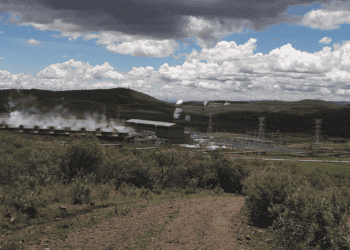
Octavia Carbon, a Kenya-based DAC company, has found that by utilizing largely untapped geothermal waste heat, they are able to supply the majority of their energy energy needs both cleanly and cheaply. Approximately 85% of their DAC operations use this energy. This results in lower operating expenses, along with reducing emissions. The remaining power requirements do utilize grid electricity, but since Kenya’s grid is still approximately 90% renewable, the carbon footprint remains minimal. Finally, Kenya’s large young talent base and low-cost manufacturing opportunities have further improved cost effectiveness.
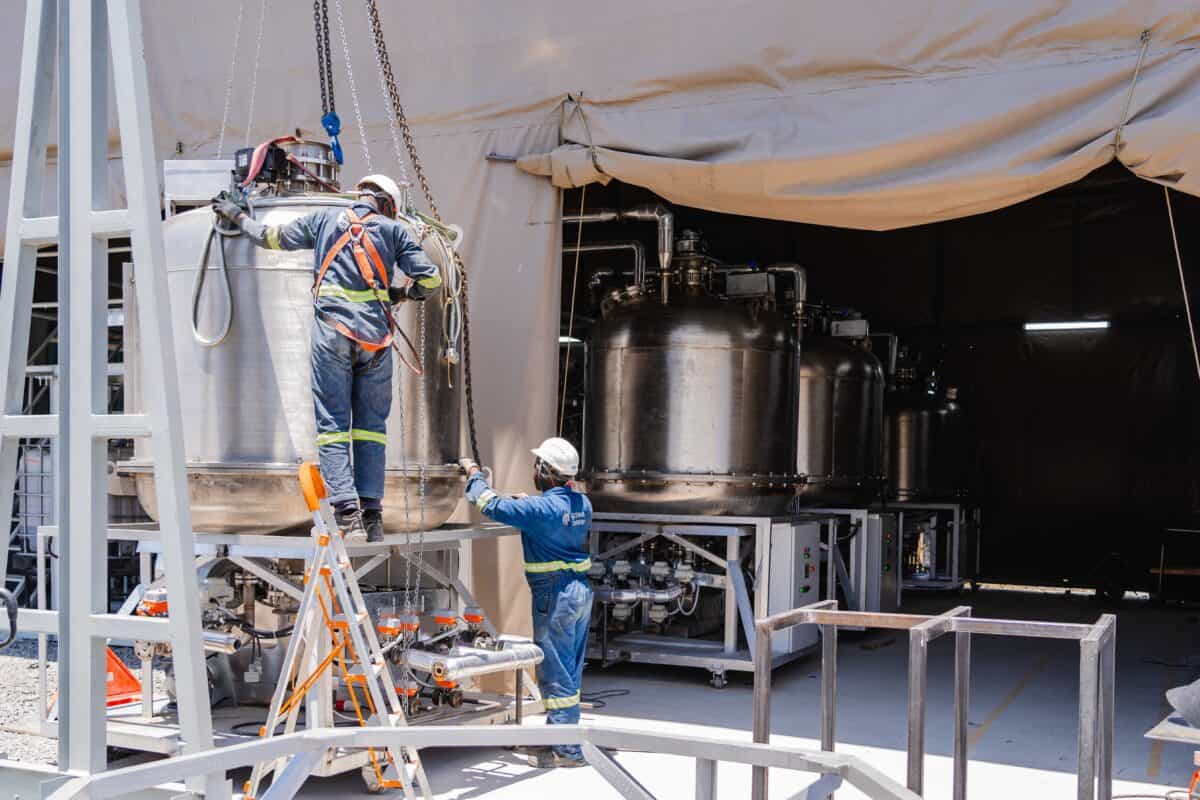
In conversation with Octavia Carbon’s Diana Maranga, Head of Commercialization, and Specioser Mutheu, Marketing and Communication Manager, they outlined the excitement around DAC carbon credits in voluntary markets and the emergence of compliance markets in both Europe and Canada. While the voluntary carbon market has proved volatile over the recent years, they have found that the high-integrity carbon credits continue to collect a premium from buyers. DAC credits have proven to be a particularly attractive product due to their measurability and durability. Additionally the partnership that Octavia has made with Carbonfuture reinforces the reliability of the credits through strong digital monitoring, reporting, and verification (dMRV).
The combination of falling costs of renewables, the decision for many DAC start-ups to use a modular approach to reduce costs and continue testing, and the emergence of a mandatory carbon market has made direct air capture an exciting, rapidly developing venture. There is certainly room in this industry for both large carbon capture facilities and continually expanding modular sites. Unfortunately, there is plenty of carbon to go around.