
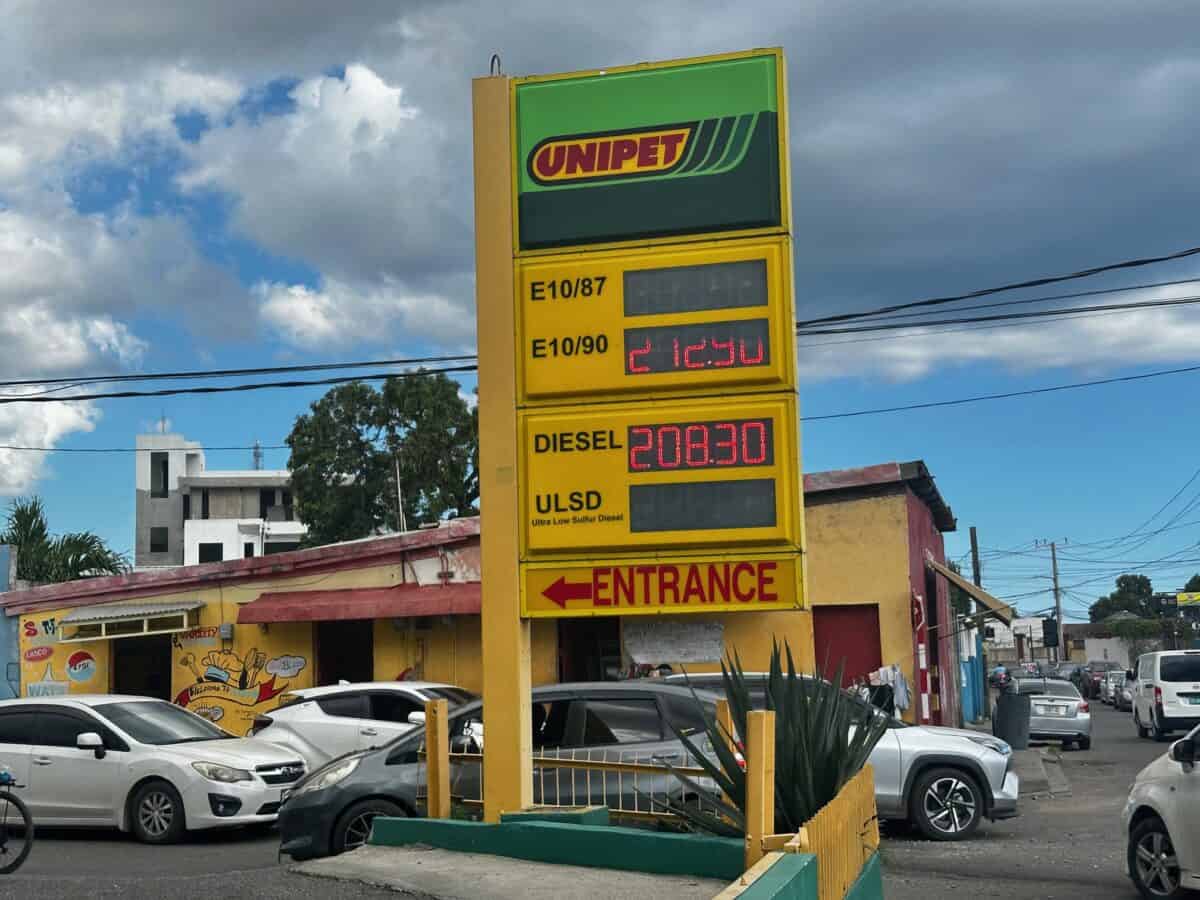
“Filling up a Toyota Corolla in Jamaica right now costs JMD $9,429 (USD $60). Charging a BYD Atto 3 electric vehicle (EV) at home is just JMD $2,757 (USD $17). That’s 71% cheaper per full-tank-equivalent — and gas prices went up again this week.” tweeted @Junior2uu on X.
This narrative has dominated Jamaica’s public discourse over the past month across social media platforms as the United States and Israel’s war on Iran continues to drive up fuel prices. Owners of electric vehicles have been promoting the use of EVs on social media encouraging people to make the switch from the internal combustion engine (ICE) vehicles to what they describe as a more efficient, sustainable, and economical mode of transport.
The conversation has already translated into an uptick in sales and enquiries for EVs in Jamaica. According to founder and Chief Executive Officer at Flash Motors, the island’s first electric vehicle-only dealership, Xavier Gordon, Jamaicans are no longer just considering EVs, they’re now choosing to make the switch.
Since gas prices have risen, “our phone lines are blowing up. A lot of people are coming into our dealership in New Kingston,” said Gordon.
Gordon explained that people once viewed EVs as an option, but he now believes they have become a necessity. Based on his own projections, before the beginning of 2026 the EV market in Jamaica was expected to grow to about 400 to 500 vehicles. However, following conversations over the past weeks, that figure is now projected to rise to around 600 to 700 EVs, 40% to 50% higher than earlier forecasts.
The growing interest in EVs in Jamaica culminated on April 15 when the government announced that the state-owned oil refinery Petrojam would be removing the weekly $4.50 cap on gas prices. Previously, fuel prices could only be increased or decreased within that threshold each week.
At a post cabinet press briefing, energy Minister Daryl Vaz said the decision was taken due to unsustainable oil pressures driven by the war on Iran. Vaz disclosed that the oil refinery had absorbed the financial impact of the conflict, resulting in losses at Petrojam totalling JMD $1.3 billion (USD $8.6 million). “We will have to have several different tiers of caps, probably three, that will speak to what’s happening in the market”, said Vaz.

Jamaica is not an oil-producing country, and so, it imports oil from countries like Colombia and Brazil. However, the market has become unstable over the past month due to changes in international oil benchmarks, with Brent crude prices rising from USD $70 per barrel before the conflict to above USD $100 at the height of market fears. Since yesterday, oil prices have swung between the upper $90 range and the low $100 range as traders reacted to reports of possible diplomatic negotiations between the United States and Iran. The US Energy Information Administration (EIA) said Brent crude, the global benchmark, averaged USD $103 per barrel in March and is expected to climb as high as USD $115 per barrel in the second quarter, before potentially easing later in the year depending on developments in the conflict.
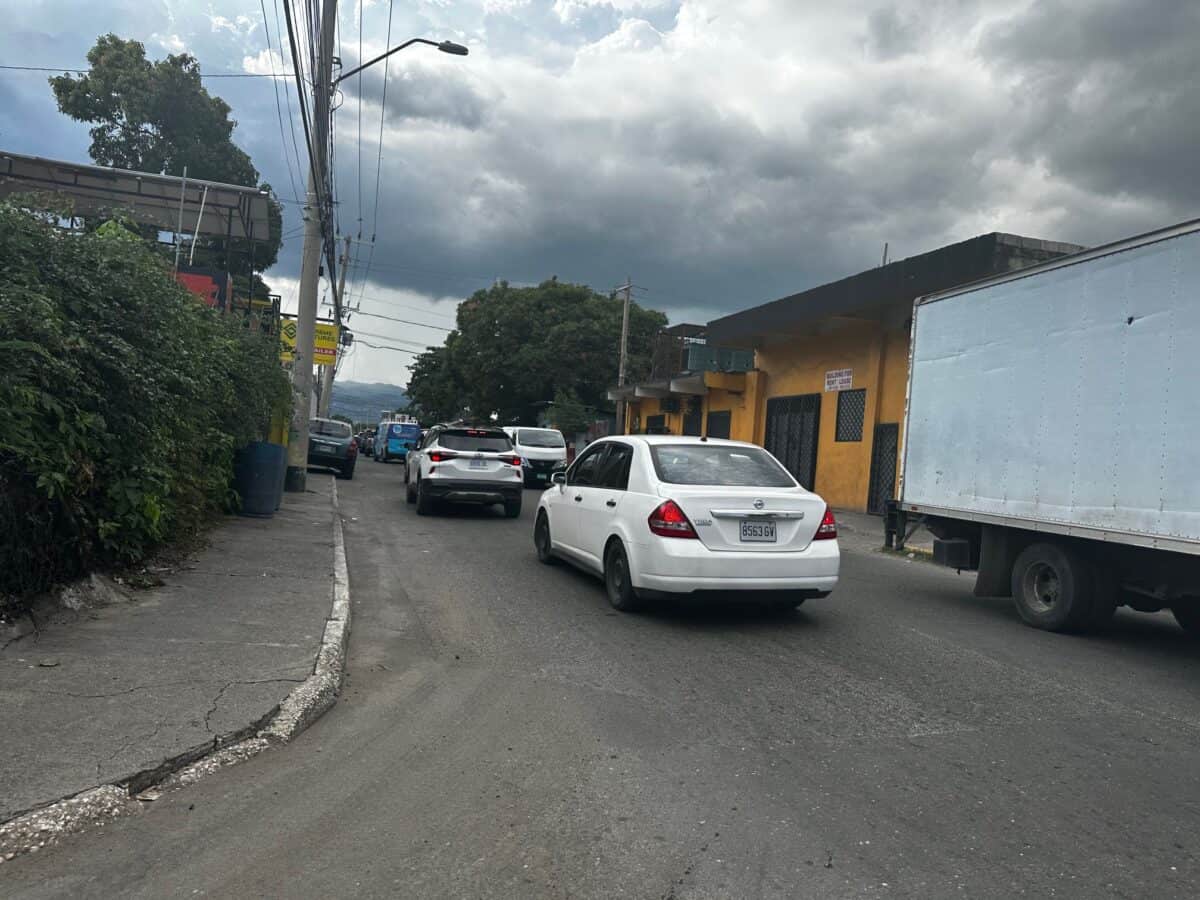
Like Jamaica, many other countries have been scampering to find cheaper alternatives to petroleum products to cushion the impact on their economies. In Europe for instance, EV sales spiked to over 50% in March when compared to the corresponding period in 2025. Germany, Spain, Italy and Poland have all recorded an EV growth rate above 40%. However, in countries like the United States, renewed interest in EVs over the past few weeks has been accompanied by concerns about affordability.
In Jamaica, Gordon said data collected over the past decade shows that EVs are, in the long term, cheaper alternatives to ICE vehicles. “Over the last ten years, we see that EVs are about half the running cost compared to gasoline or diesel vehicles. You can do the same thing you do with your regular car, but for half the cost,” Gordon explained.
At the same time, in a bid to reduce charging costs, Gordon explained that many EV owners in Jamaica have installed solar systems in their homes, and plans are underway for solar-powered public charging stations to be built across the island. Currently, there are over 80 EV charging stations across Jamaica.
“That is something that Flash is actually working towards this year, solar-generated power for public charging stations. We are working with the necessary people like the Jamaica Public Service, the electricity provider, to make that happen by the end of 2026”, Gordon said.
But amidst the development of more sustainable EV infrastructure in Jamaica, and growing public interest, Gordon believes the government should lead the way in EV adoption. He emphasized that the government should acquire more EVs for public transport to send a strong message to the public. Seeing the government investing in EVs will give citizens a greater sense of stability and confidence in the transition to electric mobility. Currently, there are only 6 electric vehicles in the Jamaica Urban Transit Company (JUTC) fleet, the state-run bus company.
There are however signs the government is pushing forward with a new EV policy that could see more EVs being deployed in the public sector. As the tension intensifies in West Asia, the government says it is considering new strategies to limit its reliance on ICE vehicles.
“I’m hoping to go to the cabinet shortly with a policy position with a mandate for the government to buy electric vehicles for all ministries and agencies. So basically, the proposal is for all new vehicle purchases for these ministries and agencies to be electric vehicles”, said Energy Minister, Daryl Vaz at the press briefing.
That policy, if approved, would be the second government initiative aimed at driving the switch to cleaner energy solutions in the transportation sector. In 2022, the government reduced the import duty on electric vehicles from 30% to 10%. It now hopes that, as global oil markets become more unstable, more Jamaicans will transition away from ICE vehicles and adopt electric ones.