
The Energy Pioneer
No Result
View All Result
  • Home
  • Clean Tech
  • Renewable Energy
  • Green Finance
    • Crash Course
    • Private Financing
    • Public Financing
    • Carbon Markets
  • Policy
  • Regions
    • Africa
    • Asia
    • West Asia
    • Latin America
    • North America
    • Europe
  • Features
  • Who We Are
    • About Us
    • Contact Us
    • EP Investing
  • Home
  • Clean Tech
  • Renewable Energy
  • Green Finance
    • Crash Course
    • Private Financing
    • Public Financing
    • Carbon Markets
  • Policy
  • Regions
    • Africa
    • Asia
    • West Asia
    • Latin America
    • North America
    • Europe
  • Features
  • Who We Are
    • About Us
    • Contact Us
    • EP Investing
No Result
View All Result
The Energy Pioneer
No Result
View All Result
  • Home
  • Clean Tech
  • Green Finance
  • Policy
  • Renewable Energy
  • Regions
  • Features
  • Who We Are
Home Features

Hybrid Renewables for Sustainable Electrification in the Sundarbans

byGuest Author: Dr. Poulomi Dutta
April 2, 2026
Reading Time: 3 mins read

Characterized by a complex network of tidal rivers, low-lying islands, and dense mangrove forests, the Sundarbans unique geography presents major challenges for centralized electricity infrastructure. The region is ecologically vulnerable and has limited energy access, especially in its more remote island communities. 

RELATED POSTS

Two Paths Forward: How The Iran Conflict Is Reshaping the Energy Sector

The Modular Approach to Direct Air Capture

Lithium Lockdown: Zimbabwe’s Big Bet on Local Processing

Map of Sundarbans

The Sundarbans is a network of tidally influenced islands at the mouth of the Ganges delta spanning India and Bangladesh. The islands are just above sea level and are prone to cyclones and flooding making centralized grid expansion both technically difficult and economically unviable. Solar microgrids have emerged as effective solutions to the region’s unreliable and uneven grid access, while tidal and biomass energy offer additional possibilities for building a more resilient hybrid energy framework.

Solar microgrids provide local electricity, avoiding dependence on large power grids. What makes this model effective in the Sundarbans is the hands-on involvement of local communities in its operation and governance. Since the microgrid is controlled and maintained locally, it encourages ownership, boosts reliability, and serves the community’s specific needs. Using solar panels and battery storage, communities supply power to schools, healthcare facilities, small businesses, and other critical infrastructure, reducing their reliance on fossil fuels and improving resilience to extreme weather events.

From The Energy Pioneer New memberships opening April 15, 2026

Meet EP Investing — capital discovery for the energy transition.

Visit EP Investing →

However, solar energy alone cannot fully meet the Sundarbans’ growing power needs. Without adequate battery storage, solar energy is intermittent, causing power shortages at night and during extended periods of cloudy weather. High upfront costs, limited technical skills, and exposure to extreme weather also make it hard to scale up.
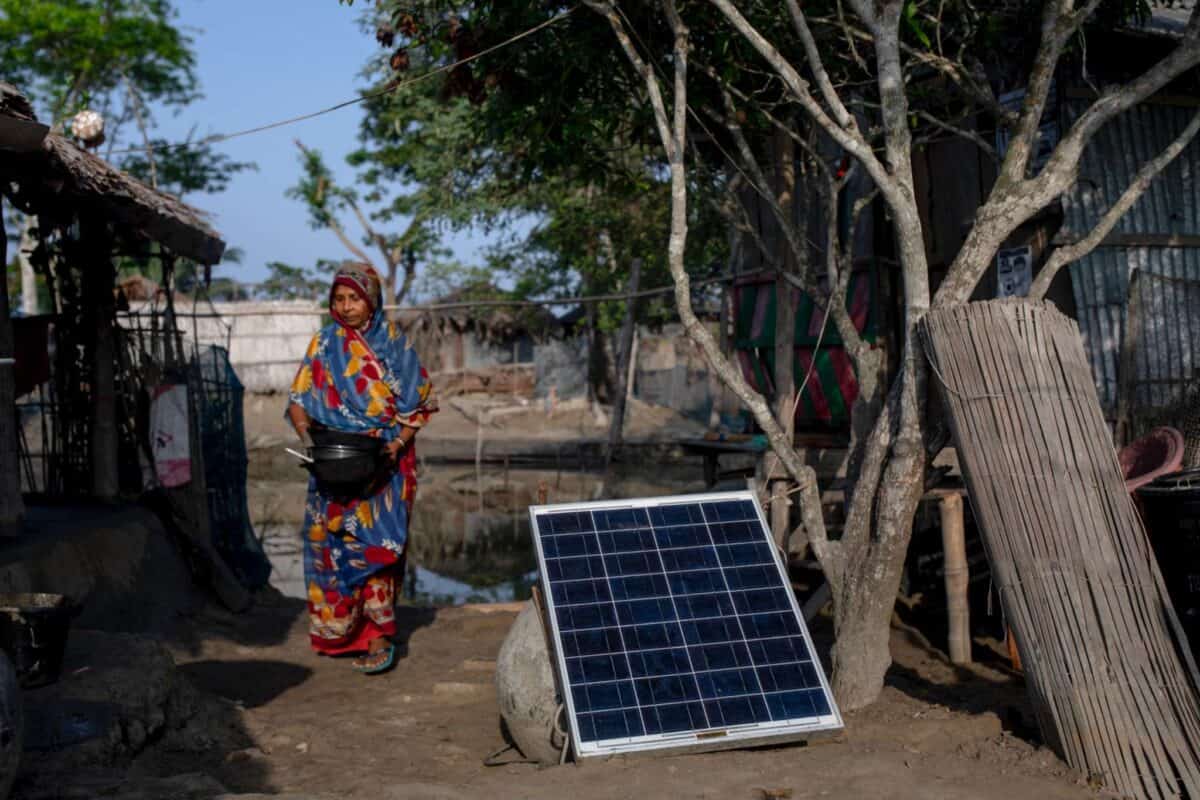
“Climate Bangladesh” by International Monetary Fund, CC BY-NC-ND 2.0 IMF Photo-K M Asad 25 April 2021, Sundarbans, Bangladesh Photo ref: _KML2121

These restrictions can be addressed by combining solar, tidal, and biomass energy, guaranteeing communities a consistent and dependable supply of sustainable electricity. This hybrid renewable energy model ensures a steady, continuous, and renewable power supply by utilising the complimentary characteristics of several energy sources.

Tidal energy holds significant promise in the Sundarbans due to its strong and predictable tidal currents. Unlike solar power, it is not dependent on weather or daylight, making it a reliable base-load energy source and allowing for better planning and grid stability. However, tidal energy development is still in its early stages due to high capital costs, technological complexity, and the need to protect the Sundarbans’ unique mangrove ecosystem and aquatic species, including mud crabs, catfish, and saltwater crocodiles.

Biomass energy provides an additional layer of reliability and local relevance. The Sundarbans has access to organic resources such as agricultural residues, forest litter, and animal waste, which can be converted into energy through biogas or biomass gasification technologies. Biomass systems are particularly valuable because they can generate power on demand, unlike solar and tidal sources. They also contribute to waste management and create local livelihood opportunities, further strengthening the socio-economic fabric of communities.

Buy JNews
ADVERTISEMENT

In a hybrid model, solar energy would serve as the primary daytime power source, tidal energy would provide predictable supplementary generation aligned with tidal cycles, and biomass would act as a flexible backup to meet peak demand or supply gaps. Battery storage systems would be able to further enhance this integration by storing excess solar energy for use during non-generating periods. A diversified energy mix like this would be able to reduce dependence on any single energy source and significantly enhance resilience against climatic disruptions and seasonal variability.
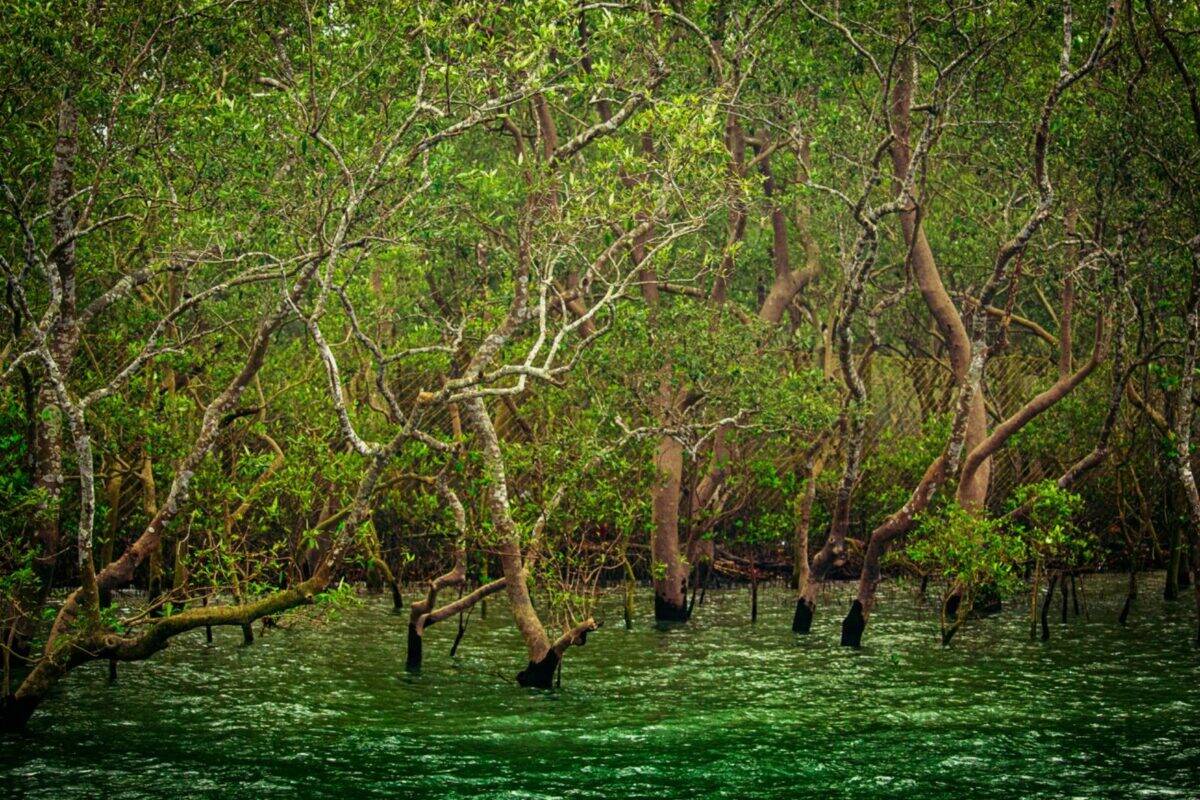
Sundari Mangroves- Photo by Maitheli Maitra on Unsplash

The benefits of this hybrid approach are particularly critical in a disaster-prone region like the Sundarbans. During extreme weather events, when one energy source may fail or be disrupted, others can continue to function, ensuring uninterrupted access to electricity for essential services. This improves community resilience, disaster preparedness, and recovery capacity.

For successful implementation, strong policy and institutional support is essential. Region-specific policies must encourage hybrid system deployment through financial incentives, subsidies, and public-private partnerships. Investment in research and pilot projects for tidal and biomass technologies is necessary to adapt them to local conditions. Additionally, educating local communities on operating and maintaining the energy system is essential to the longevity of these projects. 

While solar microgrids have already demonstrated their transformative impact in the Sundarbans, integrating tidal and biomass energy into the system would offer a more robust and reliable energy supply. By combining different renewable energy, community participation, and supportive government policy, the Sundarbans can emerge as a model for sustainable, climate-resilient energy systems in vulnerable coastal regions.
From The Energy Pioneer New memberships opening April 15, 2026

Meet EP Investing — the platform behind the stories.

1,300+ companies · 350+ investors · 47+ grants

Visit EP Investing →
Tags: BangladeshBiomassHybrid RenewablesIndiasolarSundarbansTidalWind
ShareTweetShare
Guest Author: Dr. Poulomi Dutta

Guest Author: Dr. Poulomi Dutta

Interdisciplinary researcher and consultant, and author of Renewable Energy and Sustainable Development: A Comparative Study of Coastal India’s Andaman & Nicobar Islands and Sundarbans.

Related Posts

Two Paths Forward: How The Iran Conflict Is Reshaping the Energy Sector
Renewable Energy

Two Paths Forward: How The Iran Conflict Is Reshaping the Energy Sector

March 31, 2026
The Modular Approach to Direct Air Capture
Clean Tech

The Modular Approach to Direct Air Capture

April 1, 2026
Lithium Lockdown: Zimbabwe’s Big Bet on Local Processing
Clean Tech

Lithium Lockdown: Zimbabwe’s Big Bet on Local Processing

April 1, 2026
Caught Between India’s Military Ambitions and Green Promises: The Future of the Andaman and Nicobar Islands
Renewable Energy

Caught Between India’s Military Ambitions and Green Promises: The Future of the Andaman and Nicobar Islands

March 19, 2026
Decarbonizing Africa’s Road Passenger Transport
Africa

Decarbonizing Africa’s Road Passenger Transport

April 1, 2026
Unlocking Africa’s Renewable Potential with Battery Storage
Solar

Unlocking Africa’s Renewable Potential with Battery Storage

February 25, 2026

Popular Stories

  • Caught Between India’s Military Ambitions and Green Promises: The Future of the Andaman and Nicobar Islands

    Caught Between India’s Military Ambitions and Green Promises: The Future of the Andaman and Nicobar Islands

    0 shares
    Share 0 Tweet 0
  • Two Paths Forward: How The Iran Conflict Is Reshaping the Energy Sector

    0 shares
    Share 0 Tweet 0
  • Africa’s EV Future May Depend on Electrifying the Informal Sector

    0 shares
    Share 0 Tweet 0
  • The Modular Approach to Direct Air Capture

    0 shares
    Share 0 Tweet 0
  • The Financiers and Startups Decarbonizing Africa’s ‘Anti-Fossil’ Fuel Nation

    0 shares
    Share 0 Tweet 0

Actionable Info

🔒 NEW MEMBERSHIPS OPEN APRIL 15
EP
EP Investing Climate Finance Intelligence

Our journalism is made possible by readers like you.

The founders, investors, and professionals reading The Energy Pioneer use EP Investing to find capital, partners, and opportunities.

1300+Companies
350+Investors
45+Grants
Explore EP Investing →

The Energy Pioneer

The Energy Pioneer covers the global energy transition — from clean tech and green finance to policy and renewable energy.

Recent Posts

  • Hybrid Renewables for Sustainable Electrification in the Sundarbans
  • Africa’s EV Future May Depend on Electrifying the Informal Sector
  • Two Paths Forward: How The Iran Conflict Is Reshaping the Energy Sector

Quick Links

  • Home
  • Clean Tech
  • Renewable Energy
  • Green Finance
  • Policy
  • Regions
  • Features
  • Who We Are

© 2026 The Energy Pioneer | All Rights Reserved. |

No Result
View All Result
  • Home
  • Clean Tech
    • Electric Vehicles
    • Energy Efficiency
    • Green Hydrogen
    • Smart Grid
    • Battery Storage
  • Green Finance
    • Public Financing
    • Private Financing
    • Carbon Markets
  • Policy
  • Renewable Energy
    • Wind
    • Solar
    • Hydropower
    • Nuclear
    • Hydrogen
    • Fossil Fuels
    • Geothermal
  • Regions
    • Africa
    • Asia
    • Europe
    • North America
    • Latin America
    • West Asia
  • Features
  • Who We Are
    • About Us
    • EP Investing
    • Contact Us

© 2026 The Energy Pioneer | All Rights Reserved. |