
In clinics and health centres across rural Zimbabwe, candlelight often provided the only illumination, as many facilities lacked reliable electricity. A smaller number had diesel generators or limited grid connections, but these were not widespread.
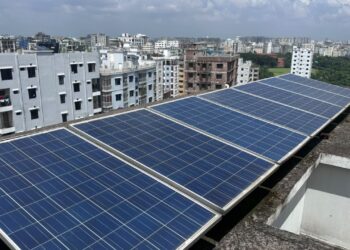
Solar panels, once a limited off-grid solution, are now powering vaccine refrigerators, maternity wards, lighting, and basic diagnostic equipment.
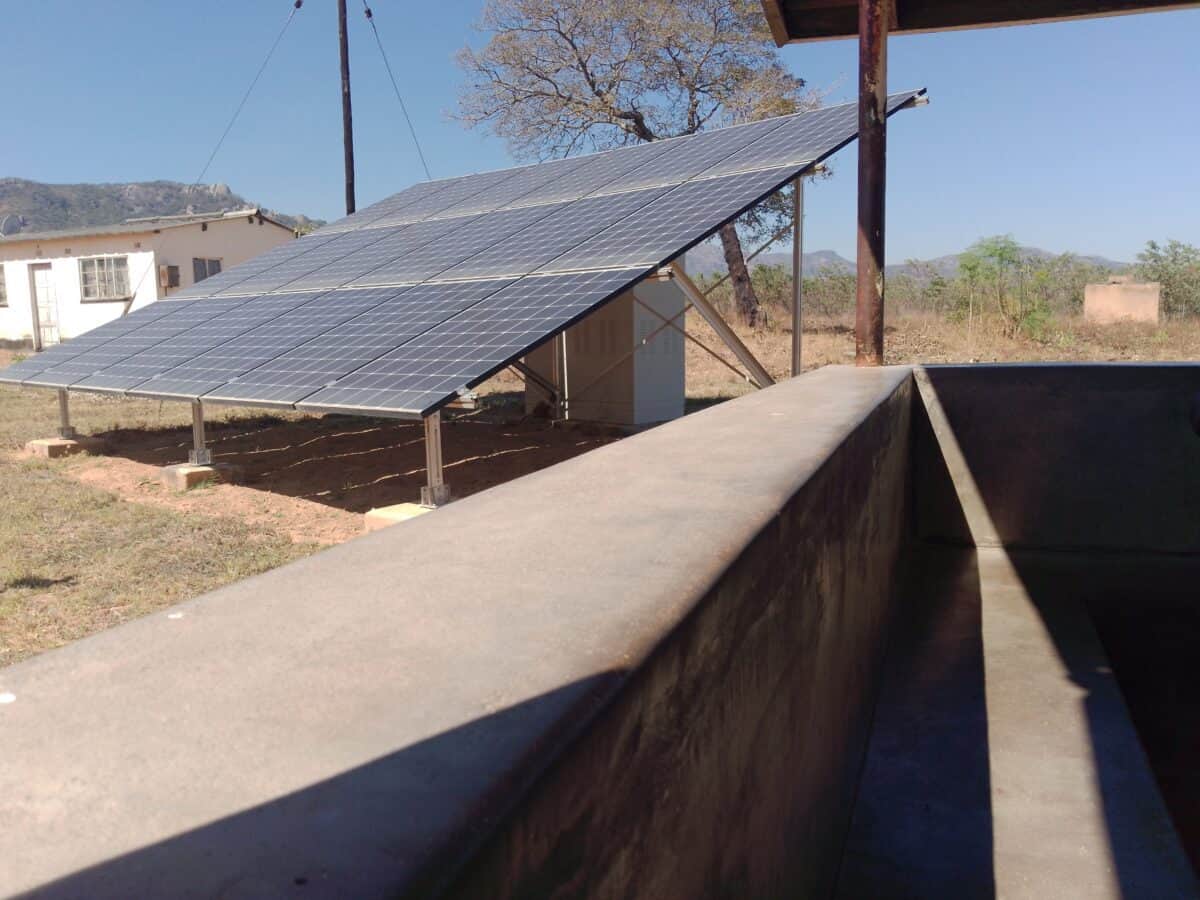
With support from the Global Fund and national partners, up to 1,072 health facilities in Zimbabwe, had been equipped with solar power by 2024, reducing rural clinics’ power bills by up to 60%. Another 188 health facilities were upgraded by the end of 2025, bringing green energy to 70% of health facilities nationwide, according to the United Nations Development Programme (UNDP).

At Gutaurare Clinic, a small health facility in Mutare district in eastern Zimbabwe, the local community has welcomed solar energy. Solar power systems like the one installed at Gutaurare Clinic would have seemed impossible a decade ago, given the high cost of battery storage.
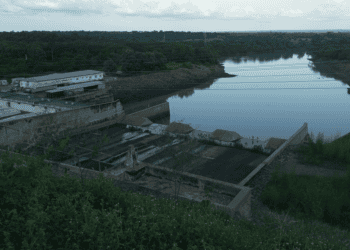
Zimbabwe is currently grappling with a crippling electricity crisis driven by low power generation at Kariba Dam, the country’s main hydropower source. Water levels at the dam have been severely affected by recurring climate change-induced droughts. This development in the healthcare system reflects a broader shift in how off-grid health facilities are being powered amid a fragile national grid.
Dr Crossman Mayavo, a lecturer at Zimbabwe’s Midlands State University and a postdoctoral research fellow at Tshwane University of Technology in South Africa, says solar is more than a temporary fix; it’s a viable long-term solution.
Zimbabwe’s power sector has faced chronic electricity shortages driven by ageing generation infrastructure, periodic droughts affecting hydropower output, and limited investment in new capacity. Solar energy offers something the national grid has struggled to provide: predictability.

Hybrid systems where facilities draw power from both their own solar panels and the national grid are emerging as the most practical model for maintaining reliable healthcare services. In theory, this combination could stabilise energy access in clinics that have endured years of blackouts, often with life-threatening consequences.
“From my study’s perspective, I think solar is a long-term solution for the health sector in Zimbabwe. Consider that these two are complementary [grid and solar]…However, the major challenge is that these health facilities rely heavily on donor support, and eventually, if the government doesn’t quickly intervene, the donated equipment will become white elephants” Dr Mayavo says, referring to the risk that expensive donated equipment may fall into disuse without sustained funding or maintenance to keep it operational.
Most of these solar installations have been donor-funded. From international NGOs to development agencies, external private actors have driven the rollout of solar infrastructure across Zimbabwe’s health sector. While this has accelerated deployment, it has also created a structural vulnerability.
“The major risk is relying on donor-funded support without the government taking over these projects,” Dr Mayavo warns. “As much as solar systems strengthen healthcare delivery, I am not entirely sure whether some of the designs are adequate to handle high-voltage loads, which could compromise the storage of medicines and laboratory reagents. When we talk about five to ten years, the replacement costs will be massive, and budgets must be put in place now to address those risks.”
However, the concern is not immediate collapse, but gradual decline. Solar systems require maintenance, technical expertise, and eventual replacement of key components, costs that are often absent from national healthcare budgets. Without government ownership and long-term financing plans, today’s functioning systems could become tomorrow’s abandoned infrastructure.
Beyond funding, there are also concerns about system design. Many rural clinics are beginning to adopt more energy-intensive equipment, particularly for laboratories and cold storage of medicines and reagents, made possible by improved electricity access following the installation of solar power systems. This equipment requires stable, high-voltage power loads that not all solar installations are designed to support. If systems are undersized or poorly configured, the consequences could be severe: compromised vaccine storage, damaged laboratory samples, and unreliable diagnostic services. In other words, solar may keep the lights on, but it does not always reliably support the equipment that matters most. The biggest risk may not be technical failure or donor withdrawal alone, but timing. Solar systems have a lifecycle. Batteries degrade, inverters fail, and panels gradually lose efficiency.
Linda Tsungirirai Masarira, president of the Labour Economists and Afrikan Democrats (LEAD), a politician and human rights activist, weighs in adding that solar power systems are already transforming healthcare delivery in rural Zimbabwe, particularly in underserved communities where electricity supplies have historically been unreliable or entirely absent.
“The introduction of solar energy has significantly improved the storage of vaccines and medicines through reliable refrigeration systems, which is critical for immunisation programmes and maternal healthcare services. Clinics are now better able to operate medical equipment, conduct deliveries at night under proper lighting, and maintain communication systems during emergencies,” Masarira says.
She adds that solarisation has also improved working conditions for healthcare workers, enabling longer operating hours and boosting patient confidence in public healthcare institutions.
“In many rural areas, women and children are among the greatest beneficiaries, particularly in maternal and neonatal care, where uninterrupted power can literally mean the difference between life and death,” she says.
However, Masarira says significant challenges remain.
“Some clinics still lack adequate maintenance support, battery replacement plans, and security systems to protect solar infrastructure from vandalism and theft. There is also a need for broader integration of solar systems into national healthcare infrastructure planning, rather than relying predominantly on donor-funded interventions,” she says.
Going forward, Masarira argues that the Zimbabwean government must prioritise investment in renewable energy for all public health institutions as part of broader efforts to strengthen healthcare resilience in the face of climate change, economic instability, and persistent energy shortages.
“Public-private partnerships, local manufacturing of solar components, and community ownership models could further improve sustainability and affordability,” she says. “Ultimately, access to reliable electricity in rural clinics should not be viewed as a luxury, but as a fundamental component of the right to healthcare.”
Zimbabwe’s shift toward solar-powered healthcare is often framed as a success story, and in many respects it is. However, the challenge extends beyond deployment and lies in maintenance and continued public investment.