
The Energy Pioneer
No Result
View All Result
  • Home
  • Clean Tech
  • Renewable Energy
  • Green Finance
    • Crash Course
    • Private Financing
    • Public Financing
    • Carbon Markets
  • Policy
  • Regions
    • Africa
    • Asia
    • West Asia
    • Latin America
    • North America
    • Europe
  • Features
  • Who We Are
    • About Us
    • Contact Us
    • EP Investing
  • Home
  • Clean Tech
  • Renewable Energy
  • Green Finance
    • Crash Course
    • Private Financing
    • Public Financing
    • Carbon Markets
  • Policy
  • Regions
    • Africa
    • Asia
    • West Asia
    • Latin America
    • North America
    • Europe
  • Features
  • Who We Are
    • About Us
    • Contact Us
    • EP Investing
No Result
View All Result
The Energy Pioneer
No Result
View All Result
  • Home
  • Clean Tech
  • Green Finance
  • Policy
  • Renewable Energy
  • Regions
  • Features
  • Who We Are
Home Features

The One Big Beautiful Bill Act and the Critical Mineral Mining Boom

byFeatured Expert: Anna Ritoch
May 15, 2026
Reading Time: 4 mins read

The race to electrify the economy is triggering a mining boom. Building electric vehicles, lithium-ion batteries, solar panels, and wind turbines will require vast quantities of critical minerals including lithium, nickel, graphite, copper, and rare earth elements. But current US climate policy is structuring the transition in ways that reinforce dependence on an extractive model. Recent legislation like the One Big Beautiful Bill Act (OBBBA) put forward by president Trump reinforces this direction by strengthening incentives for oil, gas, and mining companies. Meanwhile, strategies that could reduce reliance on new extraction, through recycling critical minerals and material reuse, are being dismissed and undermined by shifting market and policy signals.
RELATED POSTS

Libya Has 3,200 Hours of Sunshine and Still No Solar

Solar Keeps Zimbabwe’s Rural Clinics Running, But for How Long?

A Canadian Model for Tech-Agnostic Direct Air Capture

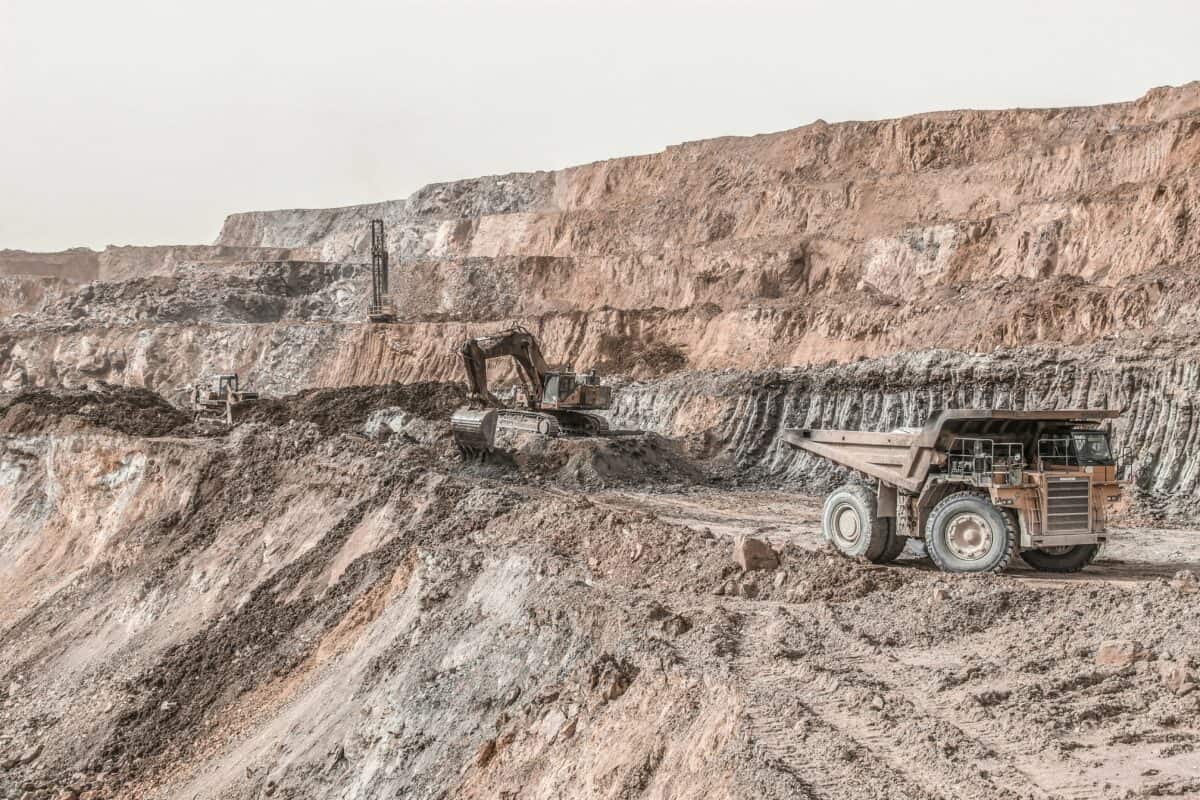
Copper Mine-Photo by omid roshan on Unsplash

The clean energy transition is often framed as an energy challenge, insofar as replacing fossil fuels with renewable energy can reduce emissions, but it is also a materials problem, requiring vast quantities of critical minerals. Without stronger investment in recycling critical minerals and renewable energy components, scaling electrification technologies will require ever-growing volumes of virgin materials. The World Bank estimates more than 3 billion tons of minerals and metals will be needed to build out clean energy systems, with production of materials like copper and nickel expected to increase significantly to meet this demand. 

Electric vehicles require six times more mineral inputs than conventional vehicles, highlighting how the transition away from fossil fuels depends on mineral-intensive technologies. But the environmental footprint of meeting these material needs will depend on whether the transition continues to prioritize extraction over circular supply chains.

From The Energy Pioneer

Meet EP Investing — now live and free through July 15th.

1,300+ companies · 350+ investors · 185+ grants. Capital discovery for the energy transition.

EP Investing is now live
Register Free →

In 2022, under the Biden administration, the Inflation Reduction Act (IRA) was enacted to build domestic supply chains for clean energy technologies by pairing support for electric vehicles with investments in critical minerals processing and manufacturing. It began laying the foundation for a more circular approach to the energy transition, emphasizing battery recycling and material recovery as ways to strengthen domestic supply chains and reduce reliance on newly mined resources. To support this effort, the IRA included tax incentives for critical minerals production and recycling,  as well as energy credits for battery material processing and recycling facilities. 
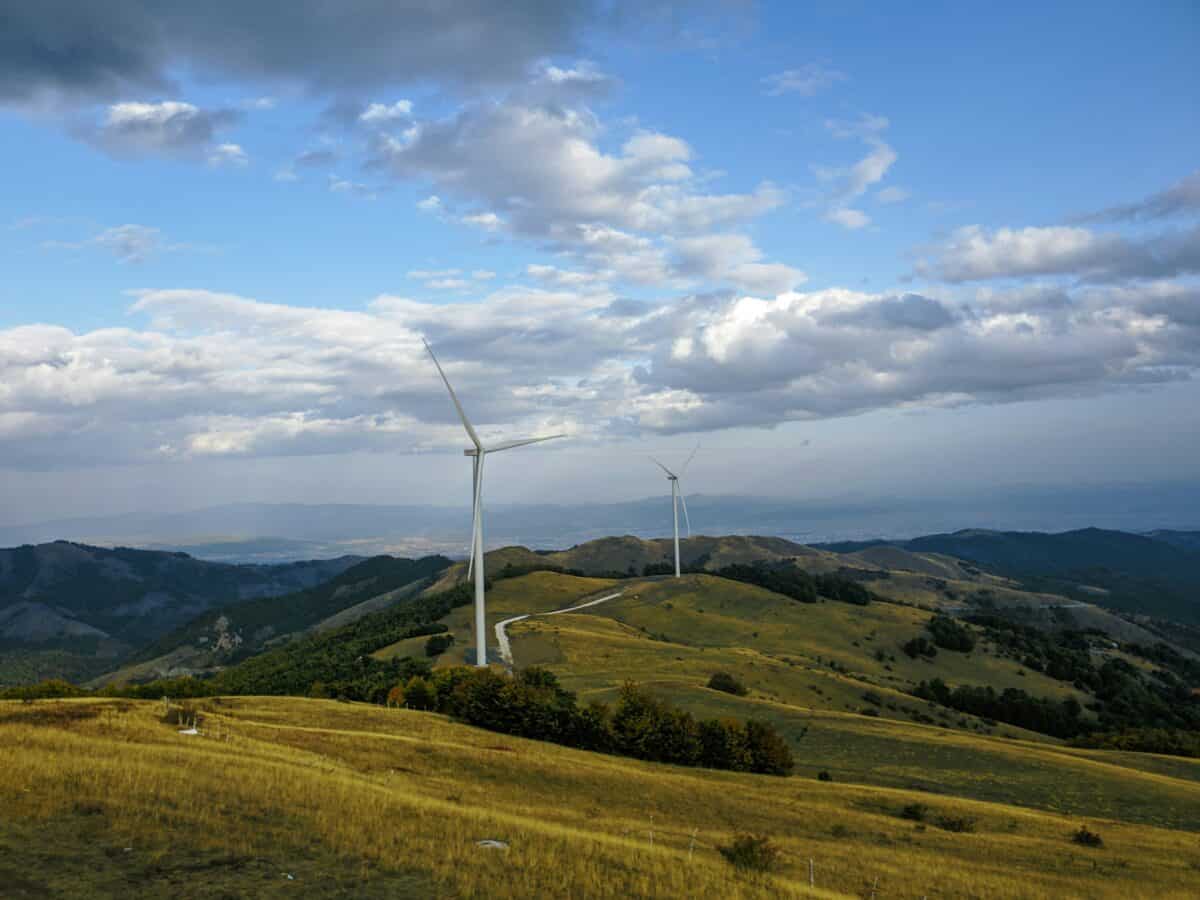
Wind turbines-Photo by Albert Hyseni on Unsplash

According to the International Energy Agency, scaling recycling could reduce the need for new mining activity by 25-40% by 2050, easing pressure on land, water, and mineral supply chains. Recycled materials carry a significantly lower environmental footprint: minerals like lithium, nickel, and cobalt recovered through recycling produce roughly 80% fewer greenhouse gas emissions than newly mined materials. In this sense, recycling was positioned not just as a secondary industry, but as a strategy for making the clean energy transition itself more sustainable. Retired EV batteries often retain 70-80% of their original capacity and can be repurposed for renewable energy storage, EV charging stations, and microgrids, extending the usable life of critical minerals before they re-enter the recycling stream. Once recycled, companies such as Redwood Materials report they can recover up to 95% of the nickel, cobalt, copper, aluminum, and lithium contained in these batteries, allowing the materials to flow back into EV and renewable energy supply chains rather than requiring newly mined inputs. In this sense, recycling was positioned not just as a secondary industry, but as a strategy for making the clean energy transition itself more sustainable.

In contrast to the IRA, the OBBBA places greater emphasis on expanding domestic and international mining and mineral extraction, alongside new federal funding aimed at strengthening mineral supply chains. The bill also accelerates the phaseout of several clean energy incentives and narrows eligibility for others, reshaping the incentives that initially supported domestic EV adoption and clean energy manufacturing.This shift toward supply comes as key demand-side incentives are being scaled back, including the elimination of tax credits that previously supported electric vehicle adoption. Taken together, these shifts suggest a broader pattern: US climate policy is increasingly structured to expand mineral extraction while scaling back some of the policies that initially supported the clean energy transition.

Mining expansion is not the only path available; recycling, material recovery, reuse, and longer product lifespans can reduce pressure on new extraction, while GIS (Geographic Information Systems) planning for renewable energy siting can also lower emissions tied to mineral production. But despite growing evidence that these systems can strengthen both sustainability and supply chain security, US climate policy remains overwhelmingly focused on extraction. Treating extraction as the only solution risks making the clean energy transition more environmentally costly than it needs to be.


Buy JNews
ADVERTISEMENT
From The Energy Pioneer

Meet EP Investing — now live and free through July 15th.

1,300+ companies · 350+ investors · 185+ grants. Capital discovery for the energy transition.

EP Investing is now live
Register Free →
Tags: Extractive mining for clean energy transitionminingOne Big Beautiful Bill Actrare earth elementsrecycling batteriesRecycling critical mineralsUnited StatesUS
ShareTweetShare
Featured Expert: Anna Ritoch

Featured Expert: Anna Ritoch

Anna Ritoch is a climate and sustainability professional whose work examines how environmental commitments translate into real-world outcomes. Through The Big Green Picture, she explores topics ranging from climate governance and corporate sustainability to resource use, accountability, and implementation gaps across the sustainability landscape. Her background includes work in climate technology, sustainability strategy, and environmental education.

Related Posts

Libya Has 3,200 Hours of Sunshine and Still No Solar
Solar

Libya Has 3,200 Hours of Sunshine and Still No Solar

May 14, 2026
Solar Keeps Zimbabwe’s Rural Clinics Running, But for How Long?
Solar

Solar Keeps Zimbabwe’s Rural Clinics Running, But for How Long?

May 14, 2026
A Canadian Model for Tech-Agnostic Direct Air Capture
Clean Tech

A Canadian Model for Tech-Agnostic Direct Air Capture

May 13, 2026
Rising Fuel Prices Push Jamaicans Toward Electric Vehicles
Electric Vehicles

Rising Fuel Prices Push Jamaicans Toward Electric Vehicles

May 13, 2026
Nigeria’s Energy Transition: Who Decides, Who Benefits and Who Pays?
Renewable Energy

Nigeria’s Energy Transition: Who Decides, Who Benefits and Who Pays?

May 13, 2026
India’s Energy Trilemma
Fossil Fuels

India’s Energy Trilemma

May 13, 2026

Popular Stories

  • Caught Between India’s Military Ambitions and Green Promises: The Future of the Andaman and Nicobar Islands

    Caught Between India’s Military Ambitions and Green Promises: The Future of the Andaman and Nicobar Islands

    0 shares
    Share 0 Tweet 0
  • The Race to Host AI: Data Centres in Water-Scarce India

    0 shares
    Share 0 Tweet 0
  • Vietnam’s Oil Buffer Faces Pressure as the Iran War Disrupts Global Oil Flows

    0 shares
    Share 0 Tweet 0
  • South Sudan’s Missed Opportunity: Untapped Renewables Leave Millions in the Dark

    0 shares
    Share 0 Tweet 0
  • Two Paths Forward: How The Iran Conflict Is Reshaping the Energy Sector

    0 shares
    Share 0 Tweet 0

Actionable Info

From The Energy Pioneer

Meet EP Investing — now live.

1,300+ companies · 350+ investors · 185+ grants

Free through July 15th

Register Free →

The Energy Pioneer

The Energy Pioneer covers the global energy transition — from clean tech and green finance to policy and renewable energy.

Recent Posts

  • The One Big Beautiful Bill Act and the Critical Mineral Mining Boom
  • Libya Has 3,200 Hours of Sunshine and Still No Solar
  • Solar Keeps Zimbabwe’s Rural Clinics Running, But for How Long?

Quick Links

  • Home
  • Clean Tech
  • Renewable Energy
  • Green Finance
  • Policy
  • Regions
  • Features
  • Who We Are

© 2026 The Energy Pioneer | All Rights Reserved. |

From The Energy Pioneer

You read about the energy transition. EP Investing is where it happens.

Source deals, raise capital, hire talent, track the market. Free through July 15th.

No thanks
Please enter a valid email.
You're in. We'll be in touch with your access link soon.
No Result
View All Result
  • Home
  • Clean Tech
    • Electric Vehicles
    • Energy Efficiency
    • Green Hydrogen
    • Smart Grid
    • Battery Storage
  • Green Finance
    • Public Financing
    • Private Financing
    • Carbon Markets
  • Policy
  • Renewable Energy
    • Wind
    • Solar
    • Hydropower
    • Nuclear
    • Hydrogen
    • Fossil Fuels
    • Geothermal
  • Regions
    • Africa
    • Asia
    • Europe
    • North America
    • Latin America
    • West Asia
  • Features
  • Who We Are
    • About Us
    • EP Investing
    • Contact Us

© 2026 The Energy Pioneer | All Rights Reserved. |