
Reema Alfallani, a Libyan journalist based in the southern city of Sabha, says the country faces a persistent electricity crisis marked by frequent outages during both summer heatwaves, when temperatures exceed 40°C, and winter cold spells, when they fall below 12°C, driven by increased demand for air conditioning and heating.
Libya possesses exceptional solar energy potential, with average solar irradiation levels ranging from 5 to 7.5 kilowatt-hours per square meter per day and more than 3,200 hours of sunshine annually. The country is estimated to have the capacity to generate up to 140,000 terawatt-hours of electricity from solar power each year. Yet despite these vast natural advantages, Libya remains heavily reliant on fossil fuels, while recurring electricity shortages continue to affect daily life across the country.
“Renewable energy policy in Libya is extremely delayed and out of step with global developments,” says Alfallani, pointing to a significant gap between announced plans and actual implementation. “In reality, there is complete dependence on conventional [fossil fuel] energy sources.”
Alfallani adds that the use of solar energy remains limited to government institutions, private commercial facilities, and a small number of households, mainly among wealthier groups due to high installation costs. “Solar energy is therefore not accessible to everyone,” she says.
She stresses the urgent need for concrete action on the ground, including building solar power plants and increasing reliance on renewable energy for electricity generation.
A Wide Gap Between Planning and Reality

Libya’s National Strategy for Energy Efficiency and Renewable Energy aimed to raise the share of renewables in the energy mix to 17% by 2025, a goal that has not been achieved. The country still relies primarily on natural gas, while a new strategy for 2035 sets a goal of increasing renewables’ share to 20%. According to a report by the International Renewable Energy Agency (IRENA), renewable energy currently accounts for only 3% of Libya’s energy mix.
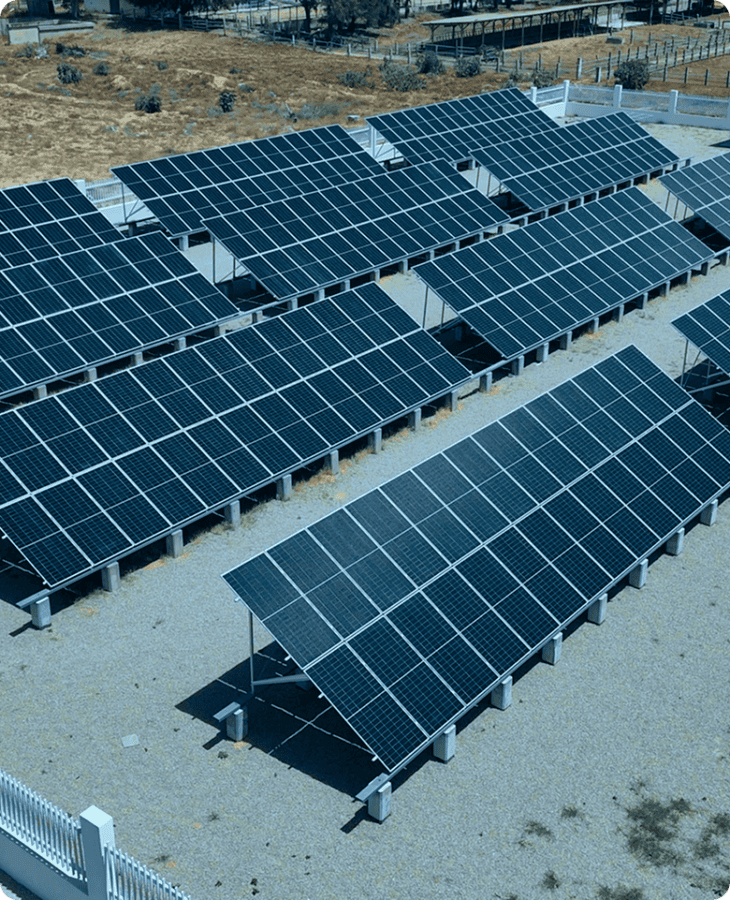
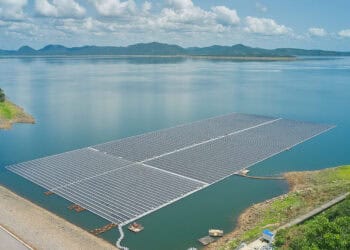
Among Libya’s solar projects is a 20-megawatt solar power station launched south of Sabha in 2013. Additional projects are under development, including the 50-megawatt Bani Walid Solar Plant, the 115-megawatt Tajoura Solar Plant, and the 100-megawatt Kufra Solar Plant, all currently at various stages of construction.
Another major project is the 500-megawatt Al-Sdada Solar Power Plant, being developed by TotalEnergies in partnership with Libya’s General Electricity Company. The project includes 1.2 million solar panels and is expected to generate around 152 terawatt-hours annually. It is considered a significant step toward expanding solar energy in Libya, with commercial operations expected to begin in 2026.
However, despite repeated announcements of large-scale solar and wind projects, only a limited number are actually operational. Many remain stalled at the study or contracting phase without progressing to construction.
Structural Governance Challenges Hindering the Energy Transition
Abdusalam M. Agwaidar, a lecturer at the Faculty of Natural Resources and Environmental Sciences, at Libya’s Omar Al-Mukhtar University says renewable energy exploitation in Libya remains limited compared with the country’s vast natural potential, particularly in solar and wind power.
“These factors make Libya highly qualified to lead the energy transition,” Abdusalam says. “However, these capabilities remain far from practical implementation because of a structural gap between available resources and on-the-ground application.”
He identifies political instability and weak governance as the main structural barriers to expansion. “The country suffers from weak electricity infrastructure and the need to modernize the grid to integrate intermittent renewable sources such as solar and wind,” Abdusalam says.
Additional obstacles include weak legislative frameworks, limited investment incentives, the absence of independent financing mechanisms for green projects, and minimal private-sector participation.
Abdusalam adds that the lack of large-scale training programs for national professionals in renewable energy installation, maintenance, and operation limits localization efforts and hinders the development of local innovation.
He also argues that subsidies for fuel and electricity significantly slow the transition process because they make conventional fossil fuel energy appear cheaper than renewable alternatives, thereby weakening the economic feasibility of clean-energy projects. Continued subsidies also reinforce patterns of excessive energy consumption and reduce social and political pressure for efficiency and renewable adoption.
According to Abdusalam, the most realistic scenario for Libya’s energy transition in the coming years is a gradual, state-led process built around phased large-scale projects combined with limited and regulated private-sector and international partnerships.
“This would mean beginning with solar energy projects for state facilities and remote areas, improving the electricity grid, and then moving toward larger investment partnerships once regulations become clearer and financing stabilizes,” he says. “A rapid and comprehensive transition remains unlikely under current governance and financial conditions, though it could become possible with clear legislative reform and gradual subsidy reduction.”
Green Initiatives Amid Uncertain Timelines
The Renewable Energy Authority of Libya (REAOL) has launched several initiatives aimed at promoting sustainable energy solutions and building a greener future. Among the announced projects is a solar energy system at the University of Tripoli using solar panels produced by Solar Space with a capacity of 595 watts.
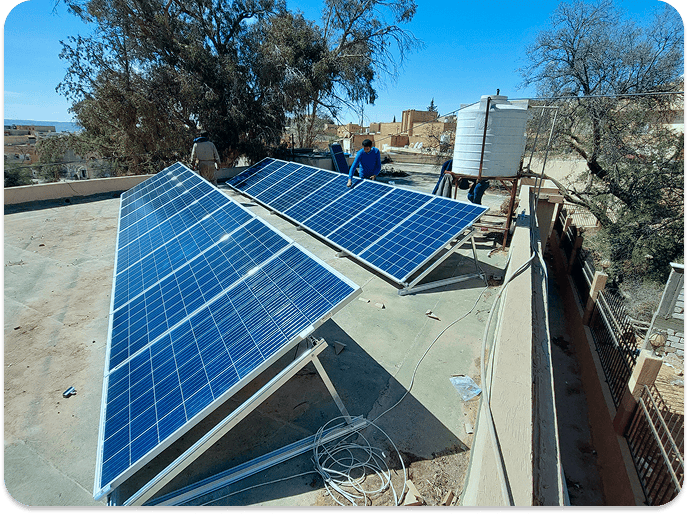
Other initiatives include electrification projects for remote border areas through solar panels, as well as solar installations at healthcare centers. However, the authority’s official announcements provide little information regarding implementation timelines, allocated funding, or the overall generating capacity of most projects.
The authority has also launched the “Go Green” initiative, supported by the United States Agency for International Development. The initiative will employ a mix of incentives, including low-interest loans and tax exemptions, and aims to deploy 500 megawatts of rooftop solar photovoltaic systems for households. It also plans to install solar energy systems in 10 public hospitals and medical centers, in addition to universities and mosques, over the next five years.