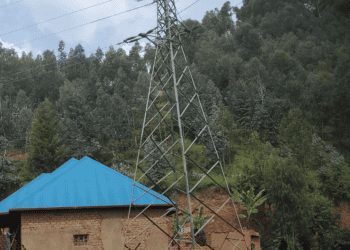

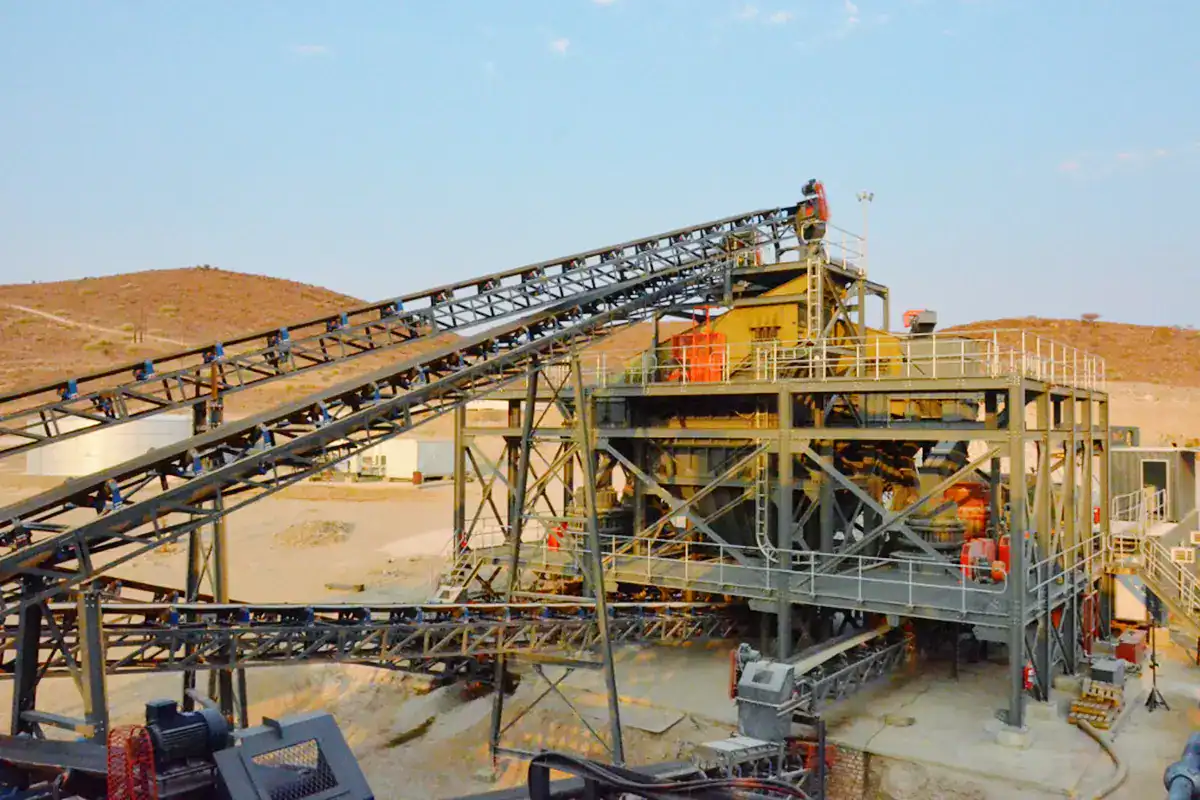
In 2023, while reporting on Zimbabwe’s growing lithium industry, photojournalist Bernard Chiketo and I spent a day speaking with villagers living outside the Sabi Star lithium mine in Buhera, about 80 kilometres west of the eastern city of Mutare.
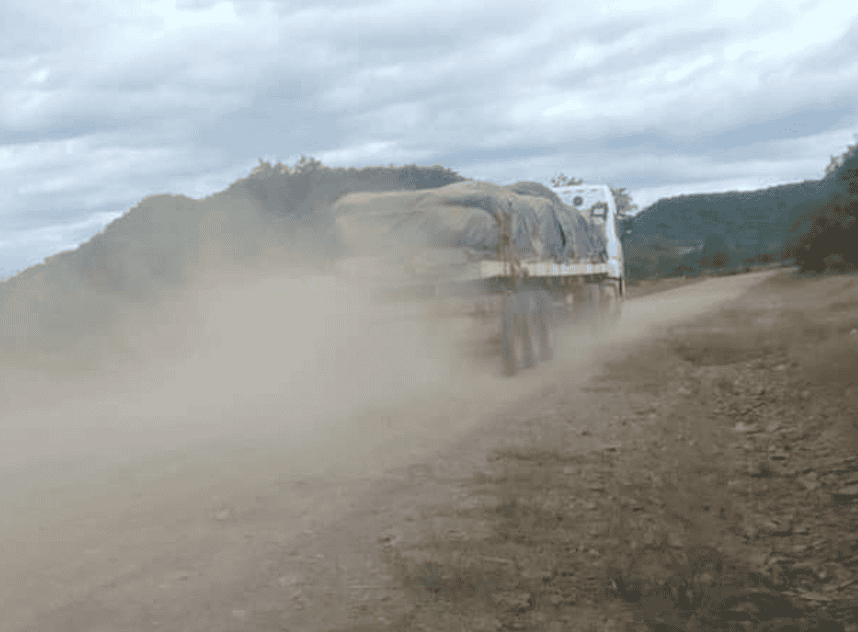
Their accounts painted a starkly different picture from the clean energy narrative driving the global rush for lithium. Villagers described choking dust, deafening noise, polluted water sources, shrinking farmland and the disruption of livelihoods they had depended on for generations.
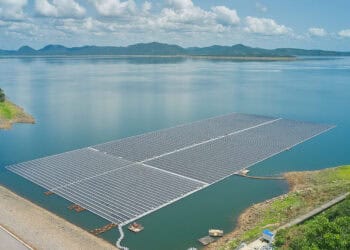
Yet lithium has become one of the world’s most sought-after minerals. It is a critical component in rechargeable batteries used in electric vehicles and renewable energy storage systems and demand is projected to rise sharply as countries seek to reduce dependence on fossil fuels. Zimbabwe, which holds some of Africa’s largest lithium deposits, has emerged as a strategic supplier to this rapidly expanding market. And international companies, mostly from China are leading Zimbabwe’s lithium rush.
Environmental activists, however, argue that while lithium may enable cleaner technologies, its extraction is often anything but clean. Open-pit mining can strip vegetation, generate dust and noise pollution, consume vast quantities of water and leave behind degraded landscapes. Communities living near lithium mines have raised concerns over water pollution, declining groundwater levels, biodiversity loss, displacement, worker safety and inadequate consultation.
These competing realities lie at the heart of an escalating dispute in Buhera, where a coalition of Zimbabwean civil society organizations has condemned the alleged intimidation of community representatives after they appeared before Parliament to testify about the impacts of lithium mining.
The coalition comprises the Centre for Natural Resource Governance (CNRG), the Zimbabwe Diamond Workers Union (ZIDWU), the Centre for Peace Research and Development in Africa (CPRDA), and the Zivai Community Empowerment Trust (ZICET).
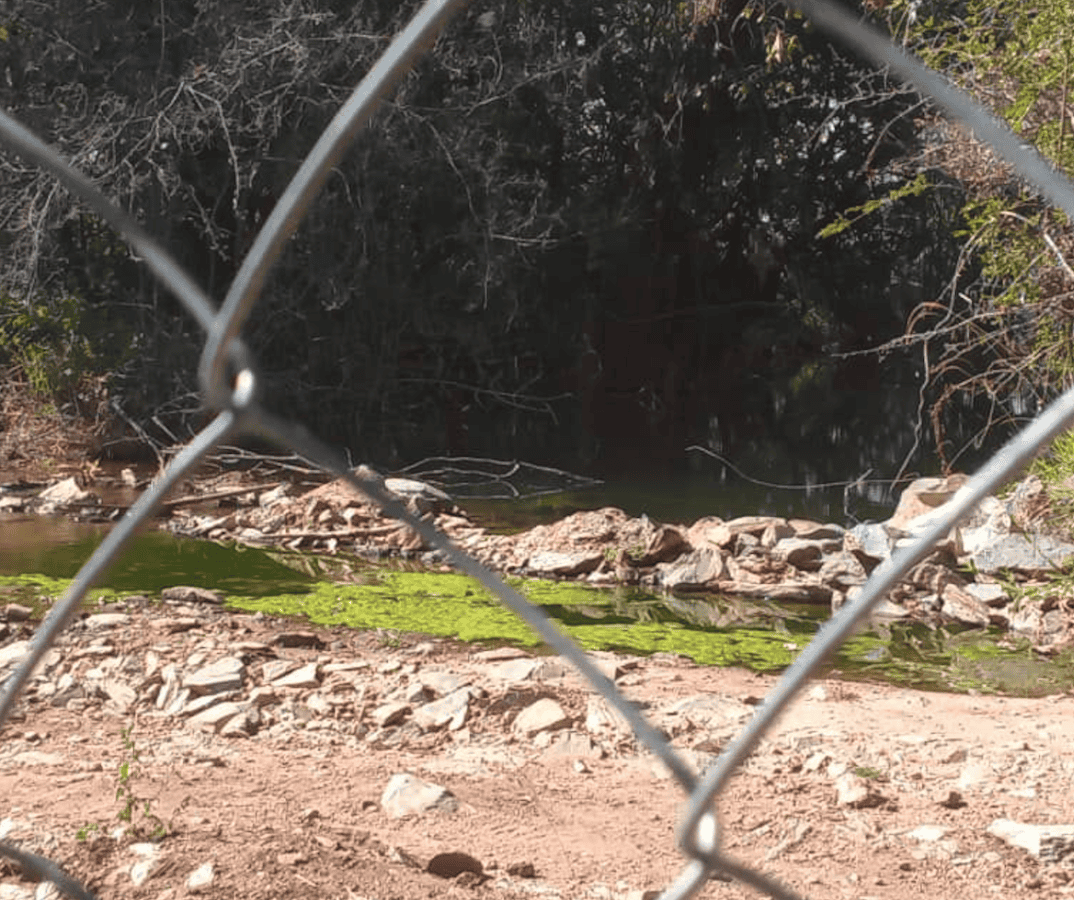
These organizations say the alleged threats followed oral evidence presented by the Buhera Residents Network Trust before Parliament’s Portfolio Committee on Environment, Climate and Wildlife. During the hearing, residents raised concerns over environmental pollution, water insecurity, worker injuries, community displacement and mining operations at Sabi Star Mine.

The committee, chaired by Hon. Sam Matema, was hearing a petition titled “Environmental Degradation, Water Pollution, Water Over-Abstraction, Worker Injuries and Internal Displacement of Local Communities: A Case of Sabi Star Mine in Buhera.”
Leonard Mabasa, the Director of the Buhera Residents Network Trust, told legislators that the community was not opposed to mining itself. Zimbabwe’s mining sector, he acknowledged, remains a cornerstone of the national economy, with lithium among the country’s most valuable mineral exports. Instead, the petition sought to ensure that mining is carried out responsibly and that affected communities receive adequate protection.
During the hearing, Matema noted that Zimbabwe currently chairs the Kampala Convention on Internally Displaced Persons, adding that displacement resulting from development projects falls within the convention’s scope.
“The government has a responsibility to protect and assist people who are displaced,” Matema said, according to media reports.
He also warned that weak enforcement of environmental regulations can encourage corporate misconduct, observing that for some companies, “It’s cheaper to pollute and pay a fine.”
In a joint statement issued on 10 July 2026, the civil society organizations of CNRG, ZIDWU, CPRDA, and ZICET said attempts to intimidate citizens for petitioning Parliament undermine democratic governance and parliamentary oversight.
They warned that reprisals against community representatives could discourage other Zimbabweans from reporting environmental abuses, labour rights violations and governance failures.
“Public confidence in parliamentary oversight depends upon citizens knowing that they can approach parliamentary committees without fear of reprisals. When community representatives are threatened for fulfilling their civic duty, the chilling effect extends beyond one organization—it discourages other communities from reporting environmental abuses, labour rights violations and governance failures,” said the coalition.
The coalition urged Parliament to continue investigating the allegations through site inspections, evidence gathering and public hearings where necessary, while calling on the Speaker of Parliament to ensure that witnesses appearing before parliamentary committees are adequately protected.
They also urged public officials to respond to concerns raised before Parliament through lawful investigations rather than intimidation.
“Differences with evidence presented before Parliament should be addressed through facts, investigations and lawful processes, not through threats, ridicule or attempts to silence community voices,” the organizations said.
The groups stressed that communities living alongside mining operations are entitled to constitutional protections.
“Communities living alongside mining operations are not enemies of development. They are constitutional rights holders entitled to safe environments, meaningful participation in decisions affecting their lives, and access to effective remedies where harm has occurred. Responsible mining cannot exist without transparency, accountability and respect for human rights,” said the coalition.
Concluding the statement, the organizations expressed solidarity with the Buhera Residents Network Trust, saying: “Silencing communities does not resolve environmental grievances. Independent investigations, transparency and accountability do.”
The intervention comes as scrutiny of lithium mining intensifies in Buhera. Parliament has begun examining the allegations as Zimbabwe seeks to expand lithium production to capitalise on soaring global demand for minerals needed in electric vehicles and renewable energy technologies.
But Chengxin Lithium, which operates the Sabi Star Mine, has maintained that it undertook extensive community engagement before developing the project. The company says it worked closely with residents and local authorities to explain the mine’s development plans.
“For the families that were relocated as a result of the mine’s activities, we purchased land and built houses in the areas where they wished to resettle, in accordance with their preferences. We also provided adequate water, electricity and sanitation facilities, compensated them for some of the impacts they suffered as a result of the mine’s activities, and presented the relocated families with gifts of appreciation,” the company said in a previous interview.
The dispute underscores one of the defining dilemmas of the global energy transition. While lithium is indispensable to reducing reliance on fossil fuels, campaigners argue that the transition cannot truly be considered sustainable if the minerals powering it are extracted through environmental degradation and the erosion of community rights.
For them, the question is no longer whether lithium should be mined, but whether it can be extracted in a way that protects people, ecosystems and the long-term credibility of the clean energy transition.