
Rather than attempting to de-escalate the conflict in Iran and ease energy markets, President Trump used his speech at the UN General Assembly to incite and intimidate his enemies, threatening to “annihilate” the Islamic Republic. While the seemingly endless conflict in the Middle East has cost thousands of lives, upended the global economy, and forced millions into financially strenuous positions, it has also revealed weaknesses in energy security that may ultimately present opportunities for electrification.
Throughout all of this year’s climate week, speakers continued to reiterate the same thing: there is no security without energy security.
To be at the mercy of the whims of an unpredictable president and suffer the reverberating consequences from thousands of miles away is an alarming and unacceptable situation for many countries that has also served as a wake-up call.
Mads Christenson, Executive Director of Greenpeace, stated that “there is nothing good to say about the wars in Ukraine and Iran,” yet acknowledged that “this is a watershed moment.” He added that the way we get our energy may be “the only good thing to come out of it.”
In his speech at Climate Week, Kevin Rudd, former Prime Minister of Australia and president of the Asia Society, drew a connection between renewable energy and energy security. He highlighted the benefits of insulating nations from unpredictable economic forces while emphasizing the urgency of the climate crisis. As he warned, “We’re failing to achieve the 1.5 degree goal and are heading towards 2.5 degrees or more” of warming. He argued that the answer lies in “doubling down on renewables,” which, he maintained, requires government leadership. As he put it, “Industry follows government intervention.”
Sam Kimmins, Director of Energy at Climate Group said, “electrification is the only way through this crisis.” He noted that the oil shock has cost Europe US$90 billion and added that that is roughly the same cost as repairing the grid.
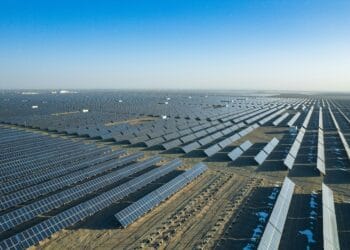
The oil shock comes at a time when renewables are cheaper than ever, particularly solar. In the 1980s, solar energy bore the price tag of US$30 per watt. Today, that number has shrunk to less than US$0.50 per watt, a 98% decrease. Technology innovations, scale economies, innovative financing, and policy incentives have all contributed to the increase in access, ease of use, and affordability, leaving a clear and present solution to a now unignorable problem.

By making the switch to electrification, businesses and nations alike can insulate themselves from volatility, ensuring supply chain security and overall wellbeing of citizens for things like home heating and transportation.
The threat of air pollution, extreme weather, and global catastrophe—which once dominated the argument for electrification—has largely faded from the narrative, at least for the moment. Yet the consequences are becoming increasingly difficult to ignore, from deadly floods in Nepal to intensifying heatwaves and devastating storms around the world. What was once discussed largely in terms of future risks is increasingly felt in the present. Electricity generated by renewable energy is less costly and more reliable. It’s an argument that anyone reckoning with oil prices can easily understand.
While the transition to renewables does seem to be progressing worldwide, progress is slower than experts and activists would like. Setbacks like the exit of the United States from the Paris Agreement and the current administration’s promotion of coal, gas and oil set poor precedents for progress. These policies run counter to the kind of government leadership needed to accelerate the transition to renewables.
But the closure of the Strait of Hormuz and the ensuing oil shock may serve to speed up that process and accelerate the push towards renewable electrification, not to prevent climate catastrophe, but to prevent economic strife. For Americans in particular, cost is the big motivator.
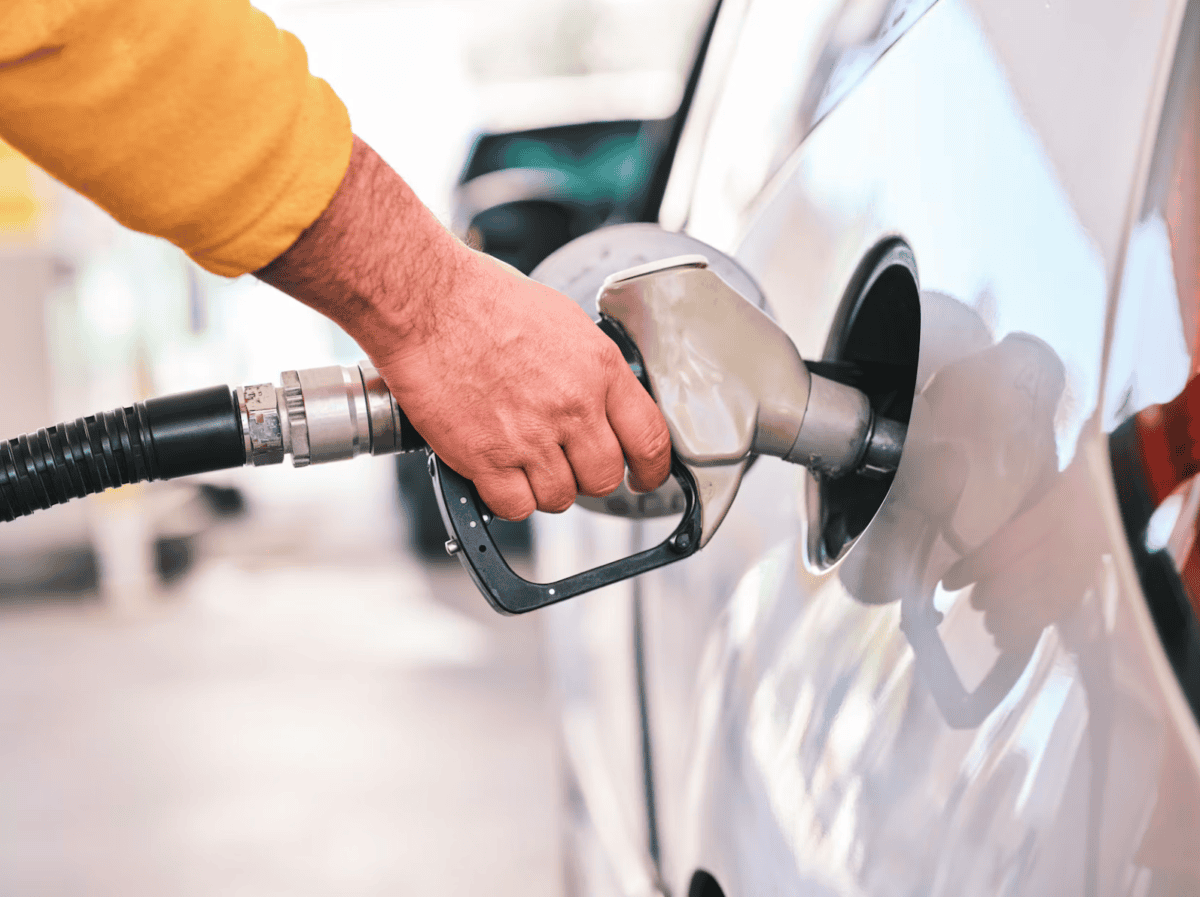
According to Brown University, Americans have spent an additional US$65 billion on gas as a result of a roughly 40% price hike at the pump. Gasoline for automobiles is far from the only increase. Airline ticket prices are soaring due to rising jet fuel costs, while food prices are climbing as supply chains come under strain.
Contrary to what their actions might indicate, the Trump administration understands how severely gas prices are hitting Americans, as rising fuel costs have become a major political concern for Republicans ahead of the midterm elections. But instead of doubling down on renewables, the White House plans to agree to a deal with Russia to lift sanctions on diesel imports, an agreement that analysts argue is a bandaid on a gaping wound.
Political instability, economic turbulence, and resource scarcity are all factors that contribute to a renewed understanding that a nation’s security and ability to function properly is directly tied to its ability to regulate energy costs.
Perhaps now is the moment. Low costs of renewables, rapid digitization, efficiency with AI and attractive investment opportunities in conjunction with the imperative need for energy security. It’s possible that the Trump administration’s irrational actions which took us to war and sent the global economy spiraling just gave climate activists their biggest gift yet by lighting a fire under the energy transition.