
In February of 2026, over fifty people gathered in the town of Gelang Patah, Malaysia, to protest the construction of a hyperscale data center facility being developed by ZDATA, a Chinese hyperscale data center operator. Residents said the construction site was generating heavy air pollution, covering their cars, balconies, and gardens in layers of dust, and demanded an end to the disruption. Protests against large-scale data center developments have been reported across the globe, including in the United States, Chile, Mexico, Spain, Ireland, and now Southeast Asia.
Gelang Patah is located in Malaysia’s state of Johor, one of Southeast Asia’s emerging epicenters for AI infrastructure. In Johor, the future of artificial intelligence looks less like software and more like concrete, cooling towers and transmission lines.
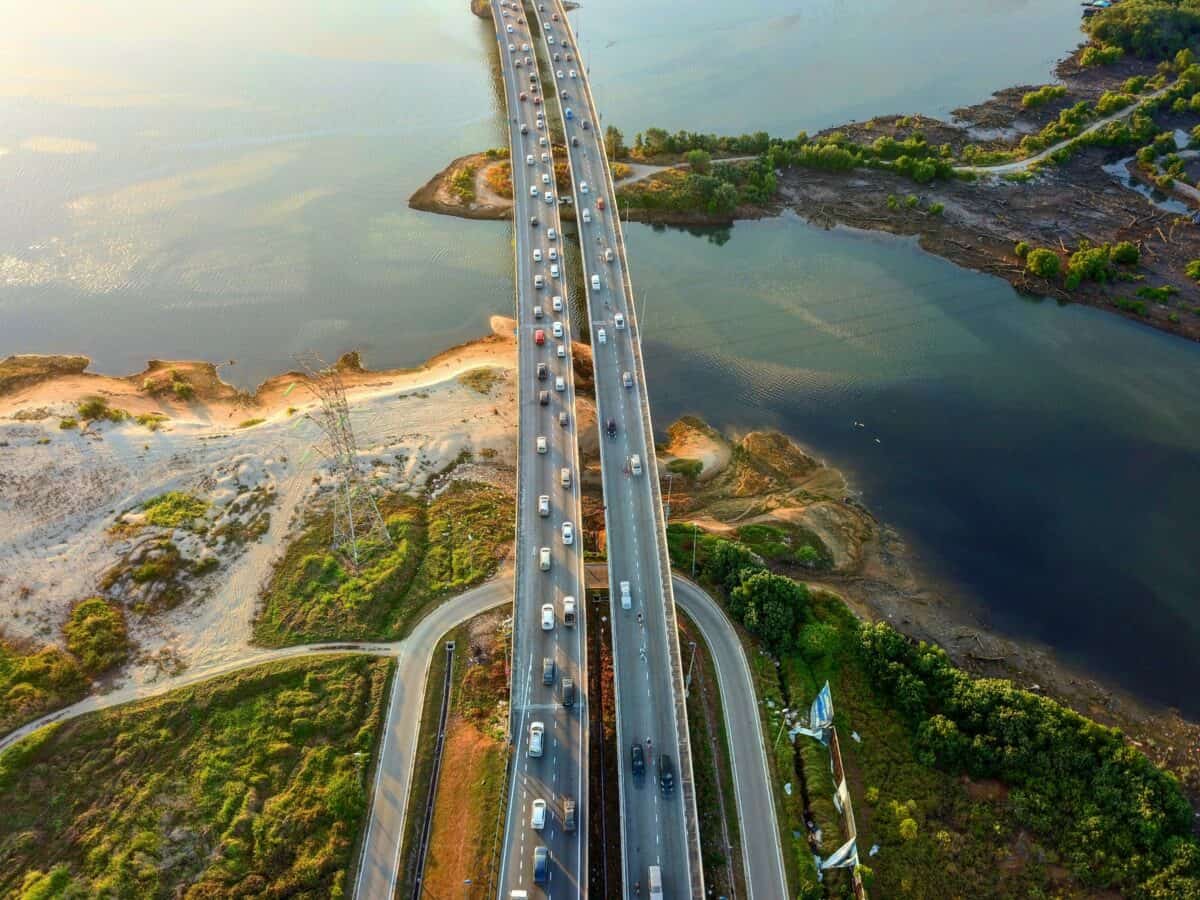
Singapore was initially seen as Southeast Asia’s primary hub for data center infrastructure. But limited land, resource constraints, and a government moratorium pushed major American firms including Google, Microsoft, and Nvidia, alongside Chinese companies such as Alibaba and ByteDance, to look beyond the city-state, across the Malaysian border, for their next wave of expansion.
The move granted these companies access to cheaper land and greater power capacity while keeping them closely connected to Singapore’s financial and digital ecosystem. Since mid 2025, Johor has approved RM 164.45 billion (USD $41.7 billion) worth of data center investments.
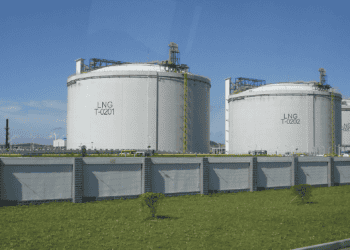
While most operational data centers remain concentrated in the United States, Europe, and China, new investment is increasingly flowing into Asia, South America, and Africa. Many of these new facilities are being built in countries whose electricity grids remain heavily dependent on fossil fuels.
Energy Is the Bottleneck in Malaysia’s AI Expansion
David Black, founder and CEO of Singapore-based insights and decision intelligence company Blackbox, conducted a report mapping how shifting public sentiment, policy priorities, and geopolitical risk are reshaping the future of data center development and energy use in Southeast Asia.

Black found that the experts’ main concern was “quite clearly energy”. With investments pouring into Malaysia, the country is increasingly shaped by efforts to capture meaningful strategic value from the AI digital economy. As local communities grow increasingly concerned about electricity and water supply, as well as pollution and runoff from large-scale construction, scrutiny is growing over whether data center operators should help modernize the grids they rely on and support their host countries’ transition to renewable energy.
Reflecting on the impact of the Iran war on energy security, he said: “I do think the current conflict has both brought things into greater focus but also I suspect maybe changed some perspectives about how AI…will progress….and the fact that the future of fossil fuels with respect to data centers might not be the best solution.”
Domestic Politics and Geopolitical Pressure on Malaysia’s AI Strategy
The global AI market was valued at USD $189 billion in 2023 and is projected to reach approximately USD $4.8 trillion by 2033 according to the UN Trade and Development (UNCTAD) report. Data centers offer Malaysia the ability to break into that market. But, the rapid expansion of data center construction, driven by land use, energy consumption, and water demand, is increasingly becoming a domestic political issue.
Datuk Onn Hafiz Ghazi, Johor’s Chief Minister, has stated that any new data center approvals must comply with strict water usage requirements. Attracting foreign investment must be balanced against growing domestic pressure over resource use and environmental impact.
Alongside domestic turmoil, Malaysia’s government must navigate growing geopolitical constraints. Like most Southeast Asian countries, Malaysia must navigate the strategic competition between the US and China.
Adib Zalkapli, a Kuala Lumpur based political and policy analyst and the Managing Director at Viewfinder Global Affairs, collaborated with David Black on the report, said “Malaysia has been quite good at playing this game of balancing between the two major powers in in all areas [including] defense and more recently in tech. But I think Malaysia may need to understand where the red line is for the US especially under the current presidency.”
Reflecting on the US-China rivalry, David Black remarked that “Southeast Asia is the probably the only real battleground in the world where China and the US fight tooth and nail at an equal stature. Countries within this region have to defer to both. They can’t favor one or the other.”
The primary bottleneck on deploying and scaling AI over the next five years is energy. As demand for data centers grows, electricity availability and grid capacity will determine the pace of AI expansion. Geopolitical energy shocks, including disruptions from the Ukraine-Russia war and the Iran war have amplified how energy intensive AI infrastructure truly is.
Black explained that “The US is obviously leading when it comes to chips and proprietary models. [While] China’s big advantage in Southeast Asia is going to be in execution. China brings in bundled capital, construction, cloud services, and even getting involved in energy projects. And this doesn’t necessarily come with the same political conditions that the US imposes.”
He added that “if you’re a government under real intense pressure to add power, compute quickly, that Chinese package can look quite compelling, especially considering their position in the renewables market.”
The Push to Decarbonise Malaysia’s AI Infrastructure
Having worked on renewables projects across Southeast Asia Arif Aga, Director at SgurrEnergy, a renewable energy engineering and technical advisory firm, pointed out that “Data centers are a different class of electricity demands. Nobody envisaged that consumption would increase at such a pace.”
“Any [traditional] infrastructure power projects take at least three to four years to get realized, whereas the realizing time for a data center, from concept to commissioning…these days, is maybe 12-18 months”, said Aga.
“This is actually placing an unprecedented pressure on the power system, irrespective of what is the source of power, be it conventional fossil fuel or renewables. Any country would need to scale up the power generation”, he said, adding that the only option to deliver energy that quickly is “renewables, which can be scaled up within a few months.”
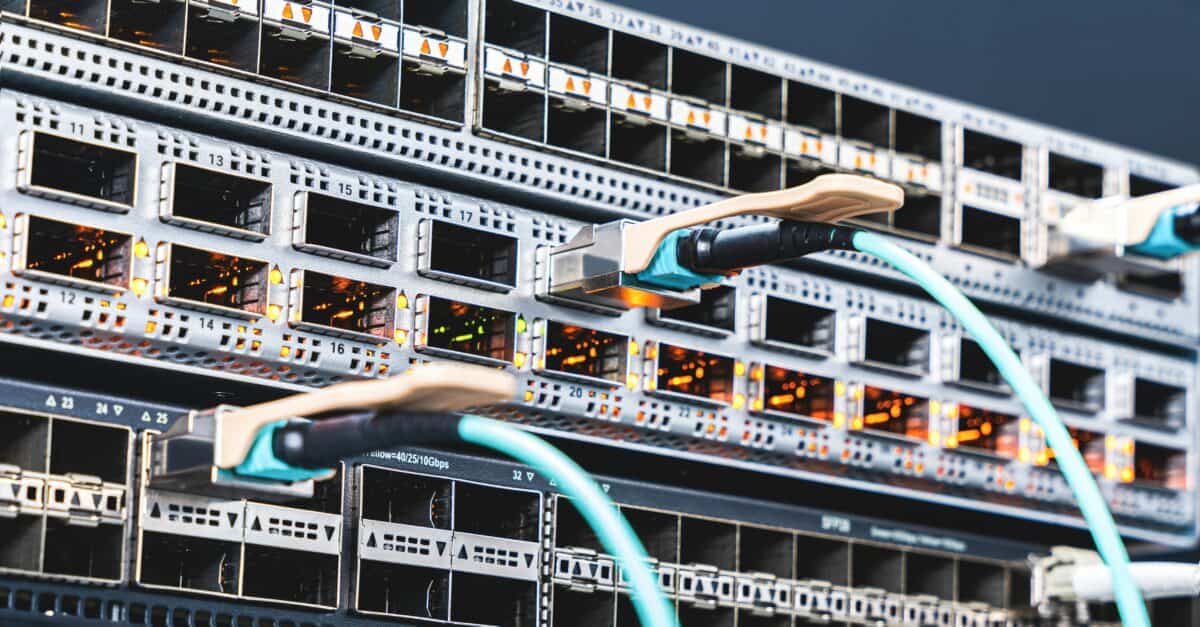
AI expansion is outpacing the grids and fossil fuel utilities cannot be built out fast enough. Paired with tropical coolies challenges and Malaysia’s predominantly fossil fuel energy mix, the idea of AI decarbonisation will remain a paradox. Malaysia’s economy is betting on AI but the Iran war is reframing energy security globally, and in a country reliant on fossil fuels, this is even more true.
When asked about the risk of a “race to the bottom” in environmental standards, Zalkapli said, “given the very vibrant democratic space in Malaysia, I think the government is very careful that Malaysia or Johor does not end up as dumping ground, so I think yes there is the risk but the government has already realized it could be a problem in the future and there’s a lot of awareness.”
He went on to explain that “there is a guideline in terms of power usage and water usage to basically make sure that only data centers that add more value to the economy will be approved.”
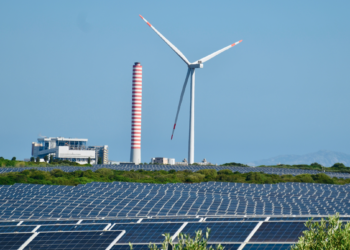
Aga drew on his experience advising a data center developer, saying that these facilities could “100 percent be powered by renewables”, particularly within hybrid systems that use storage. He added that, in his view, the shift to renewables in data centers is not only driven by a “climate perspective” but by the “commercial viability” of renewables.
Who Should Fund the Expansion of the Power Grid?
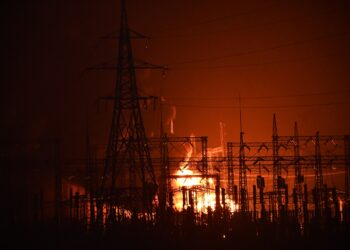
But who should bear the cost of expanding the grid? Hyperscarlers will be consuming energy at an accelerated pace. AI may be a digital technology, but its expansion is increasingly constrained by deeply physical limits: grids, transmission lines, cooling systems and fuel supply chains.
Black believes that data centers are going to be treated as “conditional users” that do not receive priority over households or other industries. He explained that examples of this approach are already emerging in places like Singapore, where data centers are expected to “offer firm long-term green power promises and contribute to financing the grid upgrades. Those who want to benefit from this are going to have to put their money on the table.”
Black added that the financial burden is likely to fall on hyperscalers, with infrastructure charges introduced to ensure costs are not passed on to consumer tariffs.
In Johor, operators like ZDATA are already responding to scrutiny, designing their facilities to use reclaimed water for cooling and planning large-scale solar supply agreements to reduce reliance on fossil fuels. Yet even with these commitments and sustainability certifications, AI infrastructure is outpacing both regulatory frameworks and the upgrading of water and energy systems needed to support it. Data centers can be commissioned in little over a year, while grids, renewables and governance mechanisms take significantly longer to adapt.
The result is a widening gap between the promise of “green” AI infrastructure and the physical realities of scaling it. The AI race may ultimately be won not by whoever builds the best model, but by whoever can generate and secure enough power.