
The Energy Pioneer
No Result
View All Result
  • Home
  • Clean Tech
  • Renewable Energy
  • Green Finance
    • Crash Course
    • Private Financing
    • Public Financing
    • Carbon Markets
  • Policy
  • Regions
    • Africa
    • Asia
    • West Asia
    • Latin America
    • North America
    • Europe
  • Features
  • Who We Are
    • About Us
    • Contact Us
    • EP Investing
  • Home
  • Clean Tech
  • Renewable Energy
  • Green Finance
    • Crash Course
    • Private Financing
    • Public Financing
    • Carbon Markets
  • Policy
  • Regions
    • Africa
    • Asia
    • West Asia
    • Latin America
    • North America
    • Europe
  • Features
  • Who We Are
    • About Us
    • Contact Us
    • EP Investing
No Result
View All Result
The Energy Pioneer
No Result
View All Result
  • Home
  • Clean Tech
  • Green Finance
  • Policy
  • Renewable Energy
  • Regions
  • Features
  • Who We Are
Home Features

A Policy Lag in Zimbabwe’s Energy Sector

byFeatured Expert: Eddie Cross (Edward Graham Cross)
June 11, 2026
Reading Time: 3 mins read

Zimbabwe’s energy industry is being reshaped by rapid technological change, yet policymakers appear to be lagging behind these developments.

RELATED POSTS

The Green Climate Fund’s Approach to Climate Finance

Advancing Climate Resilience and Energy Equity with the Kresge Foundation

Who Really Pays When the Lights Go Out?

The biggest change has been the rise of distributed energy generation, particularly solar power supported by battery storage. Solar technology has improved drastically in recent years while costs have fallen sharply. Businesses and households can now generate a meaningful share of their own electricity at prices far below what they pay through the grid. Battery storage has also become cheaper and more efficient, making it possible to rely on solar power well beyond daylight hours.

The consequence is obvious. Large consumers are beginning to ask why they should continue depending on an unreliable and expensive national grid when they can increasingly produce electricity themselves at lower cost.

From The Energy Pioneer

Meet EP Investing — now live and free through July 15th.

1,300+ companies · 350+ investors · 185+ grants. Capital discovery for the energy transition.

EP Investing is now live
Register Free →

This shift is already visible across South Africa where businesses, mines and even residential estates are rapidly shifting toward independent generation. Zimbabwe Electricity Supply Authority (ZESA) will soon have face the same reality.

At a time when technology is driving generation costs downward globally, local authorities continue to respond with higher tariffs, new levies, and increased access charges instead of encouraging private investment and expanding electricity generation. Policy often appears designed to protect outdated structures and revenue streams rather than adapting to conditions on the ground.
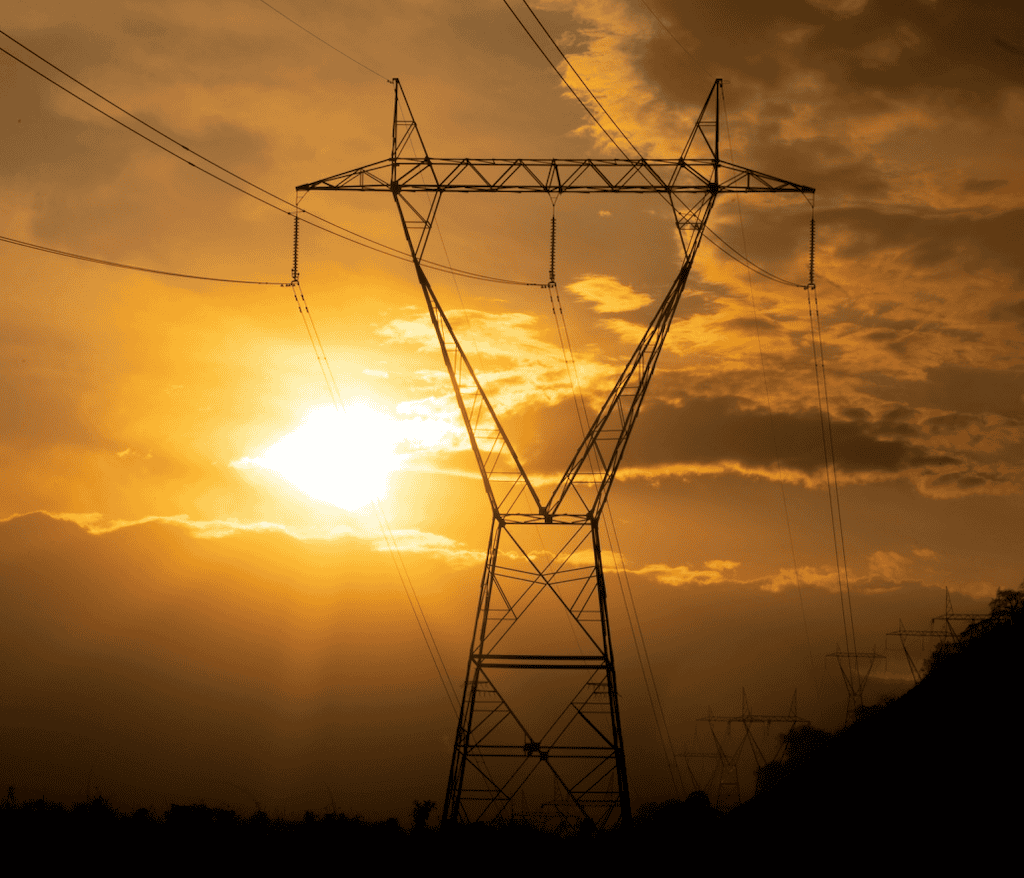
Pylons in the town of Kariba, Zimbabwe-Photo by Tiry Nelson on Unsplash

But the country urgently needs more electricity, not less investment.

Demand for power is going to rise sharply in Zimbabwe over the next decade. Mining expansion, lithium processing, chrome smelting, irrigation, urban growth and industrialisation will all require huge amounts of energy. Even the digital economy is changing demand patterns. Data centres, automated manufacturing systems and modern industrial processing all depend on reliable electricity supply. Economic growth without energy growth is impossible.

Buy JNews
ADVERTISEMENT

The recent conflict involving Iran and the instability it created in international energy markets served as another reminder that countries which fail to secure reliable domestic power supplies leave themselves dangerously exposed to external shocks. Energy policy has become a matter of national resilience and economic management.

What makes Zimbabwe’s situation more frustrating is that investment appetite clearly exists. Private investors are already planning major solar, gas and coal projects across the region. Chinese investment in mining and energy infrastructure continues to expand aggressively, largely driven by long-term industrial strategy and secure access to critical minerals.

While the private sector is willing to fund power generation where there is regulatory certainty and a clear path to cost recovery, current policy approaches often run counter to this. High transmission charges, policy uncertainty and currency risks are also discouraging wider participation.

Rather than integrating independent power producers into the national system, the present structure risks pushing large users completely off-grid. And once major mines, smelters and industrial consumers become energy independent, ZESA could lose some of its largest and most profitable customers.

That would create a dangerous cycle. Higher tariffs would then be imposed on the remaining users to compensate for lost revenue, encouraging even more consumers to abandon the grid where possible.

Zimbabwe should be encouraging co-supply arrangements in which private producers complement rather than replace the national grid. The grid itself should remain a strategic national asset and will continue to play a central role in balancing supply, transmitting power and supporting economic growth. But it cannot survive if policy makers treat independent power producers as competitors rather than partners.

Equally important is the need for realism about costs. Industry cannot compete internationally while paying electricity tariffs far above those of competing economies. Manufacturers, miners and exporters ultimately price electricity into every tonne of steel, lithium, chrome or agricultural product they produce. Expensive power translates directly into reduced competitiveness, weaker exports and slower growth.

The technology, capital, and demand already exist in Zimbabwe and across the region. What remains uncertain is whether policymakers can move fast enough to keep up with a future that is already arriving.


From The Energy Pioneer

Meet EP Investing — now live and free through July 15th.

1,300+ companies · 350+ investors · 185+ grants. Capital discovery for the energy transition.

EP Investing is now live
Register Free →
Tags: Chinese InvestmentData centresEddie CrossPolicyZimbabwe Electricity Supply AuthorityZimbabwe Energy Sector
ShareTweetShare
Featured Expert: Eddie Cross (Edward Graham Cross)

Featured Expert: Eddie Cross (Edward Graham Cross)

Eddie Cross, born 17 April 1940 in Bulawayo, Zimbabwe, is an economist, businessman, and former politician. He served as Chief Economist of the Agricultural Marketing Authority, Chief Executive of the Dairy Marketing Board and Cold Storage Commission, and has been Chairman of Cross Holdings Limited since 1990. A former Member of Parliament for Bulawayo South (2008–2018), he has also advised the Zimbabwean government on economic policy and recovery initiatives.

Related Posts

The Green Climate Fund’s Approach to Climate Finance
Green Finance

The Green Climate Fund’s Approach to Climate Finance

June 9, 2026
Advancing Climate Resilience and Energy Equity with the Kresge Foundation
Private Financing

Advancing Climate Resilience and Energy Equity with the Kresge Foundation

June 5, 2026
Who Really Pays When the Lights Go Out?
Public Financing

Who Really Pays When the Lights Go Out?

June 4, 2026
EV Tax Breaks Will Fail Without Charging and Power-Sector Reform
Features

EV Tax Breaks Will Fail Without Charging and Power-Sector Reform

June 2, 2026
Zimbabwe’s Forgotten Water-Pumping Windmills Hint at Wind Power Potential
Wind

Zimbabwe’s Forgotten Water-Pumping Windmills Hint at Wind Power Potential

June 1, 2026
Addressing Off-Grid Energy Supply Chain Fragility: A View from Malawi, Mozambique and Ethiopia
Features

Addressing Off-Grid Energy Supply Chain Fragility: A View from Malawi, Mozambique and Ethiopia

June 1, 2026

Popular Stories

  • The Race to Host AI: Data Centres in Water-Scarce India

    The Race to Host AI: Data Centres in Water-Scarce India

    0 shares
    Share 0 Tweet 0
  • Vietnam’s Oil Buffer Faces Pressure as the Iran War Disrupts Global Oil Flows

    0 shares
    Share 0 Tweet 0
  • Caught Between India’s Military Ambitions and Green Promises: The Future of the Andaman and Nicobar Islands

    0 shares
    Share 0 Tweet 0
  • South Sudan’s Missed Opportunity: Untapped Renewables Leave Millions in the Dark

    0 shares
    Share 0 Tweet 0
  • The Philippines’ Nuclear Gamble

    0 shares
    Share 0 Tweet 0

Actionable Info

From The Energy Pioneer

Meet EP Investing — now live.

1,300+ companies · 350+ investors · 185+ grants

Free through July 15th

Register Free →

The Energy Pioneer

The Energy Pioneer covers the global energy transition — from clean tech and green finance to policy and renewable energy.

Recent Posts

  • A Policy Lag in Zimbabwe’s Energy Sector
  • David Energy, Distributed Energy Resources, and the Future of the Grid
  • The Green Climate Fund’s Approach to Climate Finance

Quick Links

  • Home
  • Clean Tech
  • Renewable Energy
  • Green Finance
  • Policy
  • Regions
  • Features
  • Who We Are

© 2026 The Energy Pioneer | All Rights Reserved. |

From The Energy Pioneer

You read about the energy transition. EP Investing is where it happens.

Source deals, raise capital, hire talent, track the market. Free through July 15th.

No thanks
Please enter a valid email.
You're in. We'll be in touch with your access link soon.
No Result
View All Result
  • Home
  • Clean Tech
    • Electric Vehicles
    • Energy Efficiency
    • Green Hydrogen
    • Smart Grid
    • Battery Storage
  • Green Finance
    • Public Financing
    • Private Financing
    • Carbon Markets
  • Policy
  • Renewable Energy
    • Wind
    • Solar
    • Hydropower
    • Nuclear
    • Hydrogen
    • Fossil Fuels
    • Geothermal
  • Regions
    • Africa
    • Asia
    • Europe
    • North America
    • Latin America
    • West Asia
  • Features
  • Who We Are
    • About Us
    • EP Investing
    • Contact Us

© 2026 The Energy Pioneer | All Rights Reserved. |