
In the suburbs of Harare, Zimbabwe’s capital, vendors move from street to street calling out for used batteries to buy.
In Shona, they shout out: “Tinotenga mabattery akafa” — “We buy dead batteries.”
These buyers collect discarded lead-acid and lithium solar batteries, most of which end up in informal recycling systems where usable parts are stripped out and the rest discarded.
These informal traders strip components for copper, aluminium and lead.
To many struggling Zimbabweans, solar waste is viewed less as pollution and more as an economic opportunity. But informal recycling without protective equipment can expose communities to dangerous toxins.
Across Zimbabwe, solar energy has become a symbol of survival. In suburbs once plunged into daily blackouts, rooftops are now covered with photovoltaic panels. Businesses in urban and rural areas run tills, refrigerators and lights using lithium batteries charged by solar power. Villagers once dependent on candles now charge phones using small solar kits imported mainly from China.
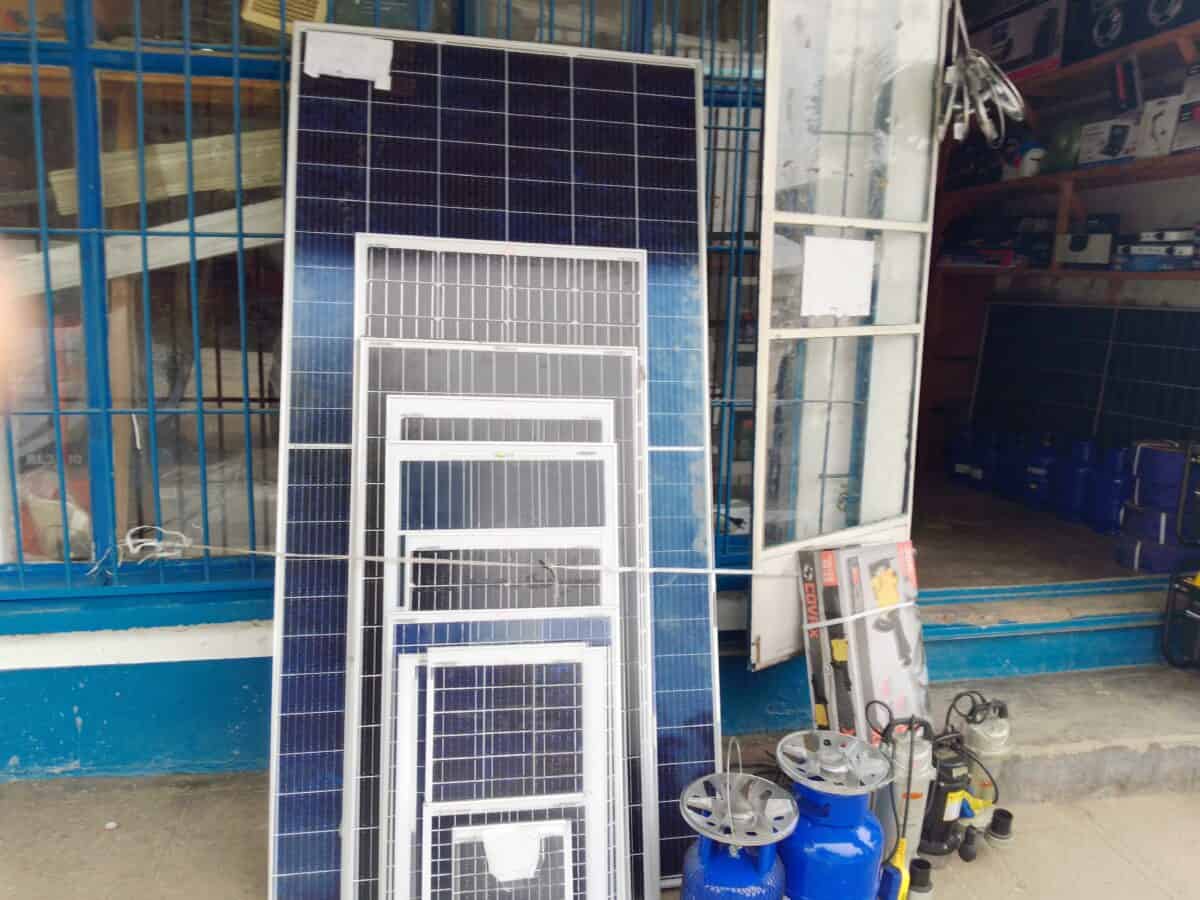
Solar energy, once considered a luxury, has become one of Zimbabwe’s fastest-growing energy lifelines.

Zimbabwean energy expert Eddie Cross says the speed of adoption of solar energy has been remarkable.
“The adoption of solar as a rooftop system for generating power for a home or factory has been amazing,” Cross says. “In my view, rooftop solar in South Africa and Zimbabwe has emerged as a major alternative to an unreliable national power grid, and will remain so.”
In South Africa alone, he says, rooftop systems are estimated to generate around two gigawatts of electricity, reducing pressure on the national grid. Zimbabwe, he adds, adopted rooftop solar even earlier, forcing regulators to consider a national census of installed systems.
Beneath the optimism lies a growing concern over what happens when all this equipment reaches the end of its life.
Cross says demand for solar panels and batteries has grown so quickly that manufacturers, particularly in China, have struggled to keep up, resulting in an influx of cheaply manufactured systems.
“The market is now sorting this out,” he says. “Buyers should choose reliable contractors because going the cheapest way may only give you grief in a couple of years.”
Zimbabwe’s clean-energy transition may be solving one environmental problem while quietly creating another: a looming wave of hazardous waste linked to solar panels, lithium-ion batteries and inverters.
At a workshop on sustainable solar e-waste management held earlier this year in Harare, Dr Alex Cheleshe, the UN-Habitat Zimbabwe programme manager, described the initiative as an important step toward improving living conditions in urban and urban fringe communities.
“By piloting this circular economy initiative, we are creating green jobs while ensuring Zimbabwe’s transition to green energy is inclusive and sustainable,” he said.
UN-Habitat, working with Action 24, is piloting projects focused on repairing, refurbishing and repurposing used batteries.
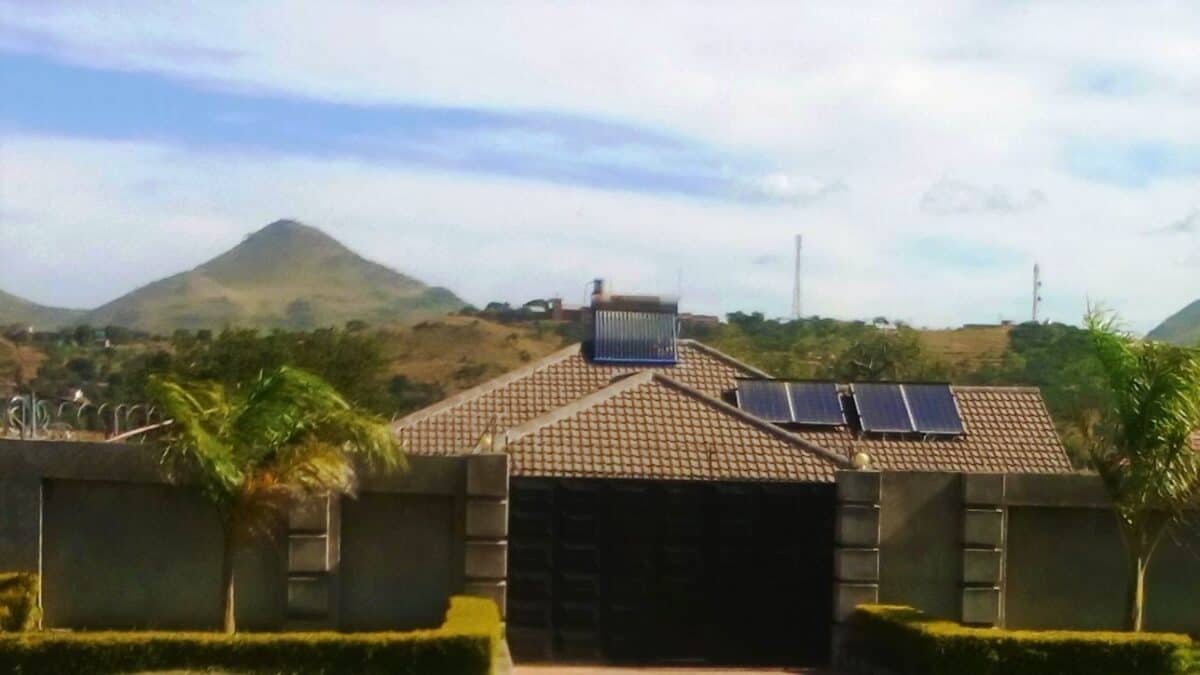
Most solar systems installed in Zimbabwe over the past decade are still relatively new. Solar panels can last 20 to 30 years, but batteries, especially cheaper lithium and lead-acid units, often degrade much sooner.
As imports continue rising, Zimbabwe is heading toward a future where thousands of damaged batteries, broken panels and obsolete inverters will require disposal or recycling.
Unlike plastic bottles or scrap metal, solar waste is far more complicated. Lithium-ion batteries contain chemicals and heavy metals that can contaminate soil and groundwater if improperly discarded. Older solar panels may contain traces of toxic materials, while lead-acid batteries, still widely used in Zimbabwe, pose serious health risks when dismantled informally.
Yet Zimbabwe currently has no visible large-scale infrastructure dedicated specifically to recycling solar energy waste.
Most damaged batteries are stored indefinitely, dumped illegally or sold into informal recycling networks where safety standards are weak.
Lead poisoning remains a major concern in poorly regulated battery recycling systems across Africa. Lithium battery fires and chemical leaks are also becoming growing global challenges.
Zimbabwe’s environmental laws were not designed for a future dominated by renewable-energy waste streams.
Although the Environmental Management Agency in Zimbabwe regulates hazardous waste generally, enforcement remains difficult even for conventional waste management, while policies specifically targeting solar waste remain even more limited.
Zimbabwe is not alone. Across Africa, countries are adopting solar energy faster than they are building systems to manage the waste it creates. The continent’s renewable-energy transition depends heavily on imported technology; yet recycling capacity for lithium batteries and photovoltaic materials remains extremely underdeveloped. In many countries, expired solar equipment simply joins the broader electronic waste stream alongside discarded televisions, computers and mobile phones.
In Malawi for example, a study by Dr Christopher Kinally and Dr Alejandro Gallego Schmid warned about the dangers of poorly managed toxic waste from solar electrification projects.
The researchers found that informal refurbishing practices could release more than 3.5 kilograms of lead pollution from a single solar home-system battery into densely populated communities which is more than 100 times the lethal oral dose of lead.
Globally, solar panel waste is projected to reach millions of tonnes by 2050 as first-generation systems begin expiring.
In Zimbabwe, this challenge is even more evident as consumers often prioritise affordability over durability. As a result, cheap batteries and low-cost solar kits dominate the market, often with limited warranties and no take-back mechanisms from suppliers.
As a result, products may fail sooner while leaving consumers responsible for disposal. Another major challenge is the absence of extended producer responsibility policies that would force importers and manufacturers to collect and recycle old equipment.
Without such systems, the burden falls on local authorities already struggling with basic waste collection.
Without proper planning, the technologies helping households escape blackouts today could become tomorrow’s toxic waste problem. For now, Zimbabwe’s solar revolution continues accelerating with little public debate about its environmental afterlife.
The country has embraced solar power out of necessity. Whether it is equally prepared for the waste that comes with it remains an open question.
Still, Cross remains optimistic.
“No question, solar is the cheapest and best way to become independent of the grid,” he says. “Panels and batteries are becoming more reliable, safer and less expensive than a few years ago.”