
The Energy Pioneer
No Result
View All Result
  • Home
  • Clean Tech
    • Electric Vehicles
    • Energy Efficiency
    • Green Hydrogen
    • Smart Grid
    • Battery Storage
  • Green Finance
    • Public Financing
    • Private Financing
    • Carbon Markets
  • Policy
  • Renewable Energy
    • Wind
    • Solar
    • Hydropower
    • Nuclear
    • Hydrogen
    • Fossil Fuels
    • Geothermal
  • Regions
    • Africa
    • Asia
    • Europe
    • North America
    • Latin America
    • West Asia
    • Oceania
  • Features
  • Who We Are
    • About Us
    • EP Network
    • Contact Us
No Result
View All Result
The Energy Pioneer
No Result
View All Result
  • Home
  • Clean Tech
  • Green Finance
  • Policy
  • Renewable Energy
  • Regions
  • Features
  • Who We Are
Home Europe

Why Ocean Literacy Belongs in Climate Policy

byFeatured Expert: Victoria Turner
November 26, 2026
Reading Time: 3 mins read

The climate crisis is often discussed in terms of energy systems, transport networks and industrial emissions. Yet one of the most important climate assets remains poorly understood by the public and underrepresented in education policy: the ocean.

RELATED POSTS

Singapore Airlines’ Aether Fuels Deal Signals a New Chapter for Sustainable Aviation Fuel

COP31: E3G Experts React to the First Draft Decision Text

COP31 Leaders’ Summit Summary: E3G’s Reaction to the Opening Speeches

Covering more than 70 per cent of the planet, the ocean regulates weather systems, supports biodiversity, provides food and livelihoods, and absorbs a significant proportion of the excess heat and carbon dioxide generated by human activity. Despite this central role, many young people leave school with only a limited understanding of how the ocean influences climate, the economy and their own communities.

As governments around the world strengthen climate commitments and invest in environmental resilience, there is a growing case for recognising ocean literacy as an important component of climate policy.

A policy ambition that has yet to reach every classroom

In England, recent years have seen greater attention paid to sustainability and climate education. Schools have been encouraged to develop sustainability leadership and climate action planning, while broader curriculum discussions have considered how environmental issues can be embedded across subjects.

However, policy ambitions do not automatically translate into meaningful learning experiences for pupils.

Teachers frequently face competing pressures on curriculum time and resources. Environmental topics can often appear fragmented across different subjects, making it difficult for pupils to understand how climate, biodiversity, society and the economy are interconnected.

Buy JNews
ADVERTISEMENT

This is particularly true when it comes to the ocean. While marine ecosystems feature in parts of the curriculum, ocean literacy is rarely treated as a distinct theme despite its relevance to climate science, geography, economics, citizenship and future careers.

Why the ocean matters beyond conservation

Ocean literacy is sometimes viewed solely through the lens of conservation. In reality, it has significant economic and policy relevance.

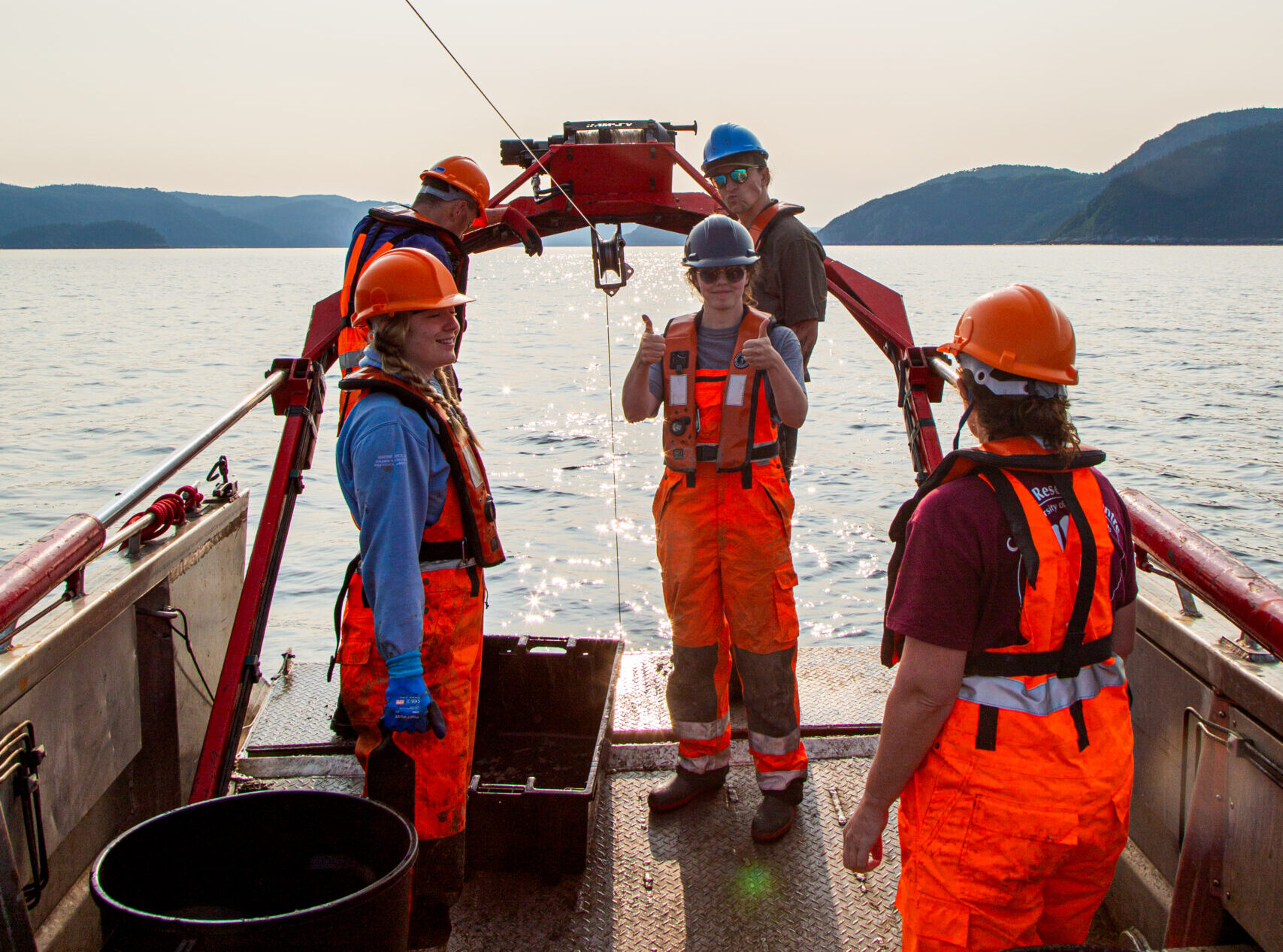
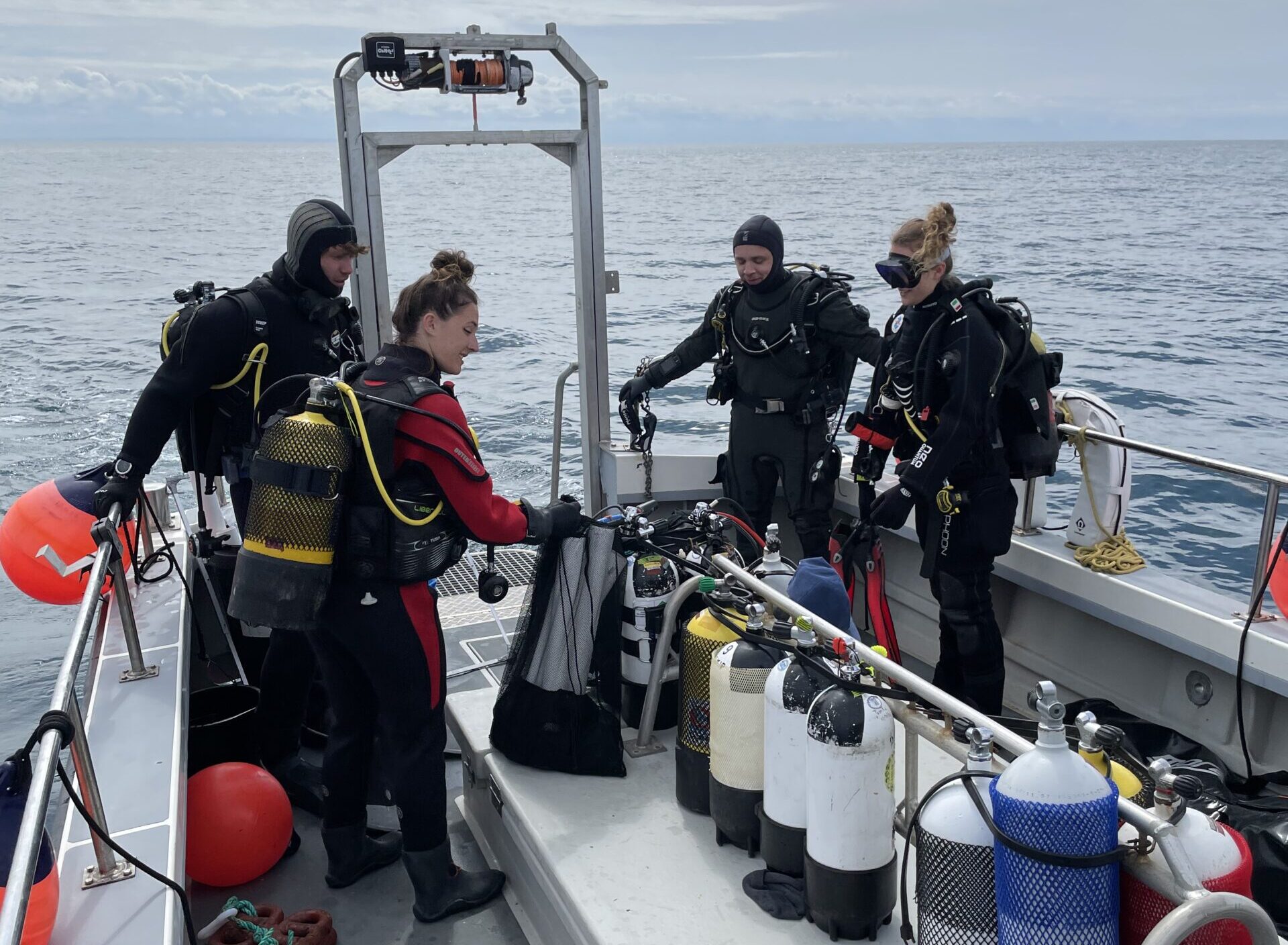
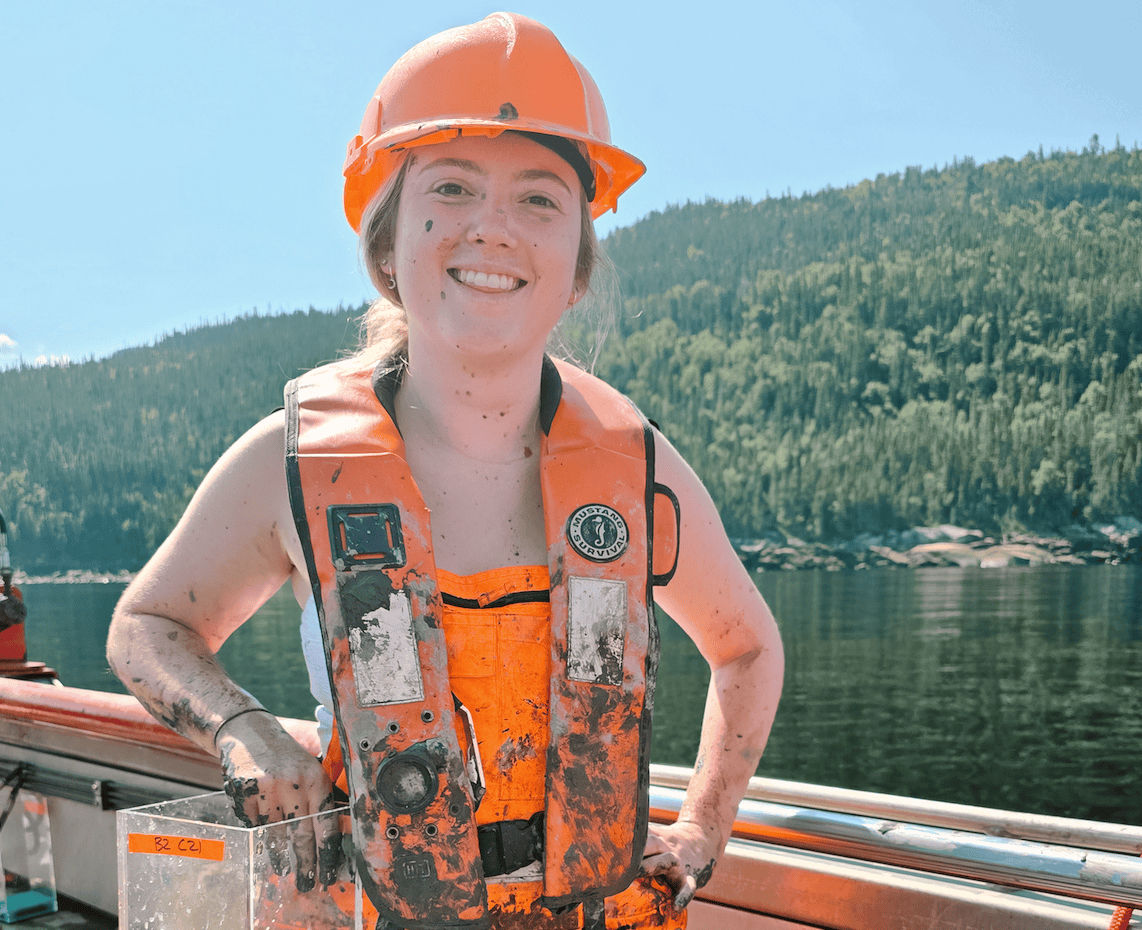
Coastal and marine industries contribute billions to national economies through sectors including shipping, fisheries, tourism, renewable energy and scientific research. Governments are increasingly investing in offshore wind, marine restoration projects and sustainable coastal development as part of wider net-zero strategies.

Future workforces will need the skills and understanding to support these transitions.
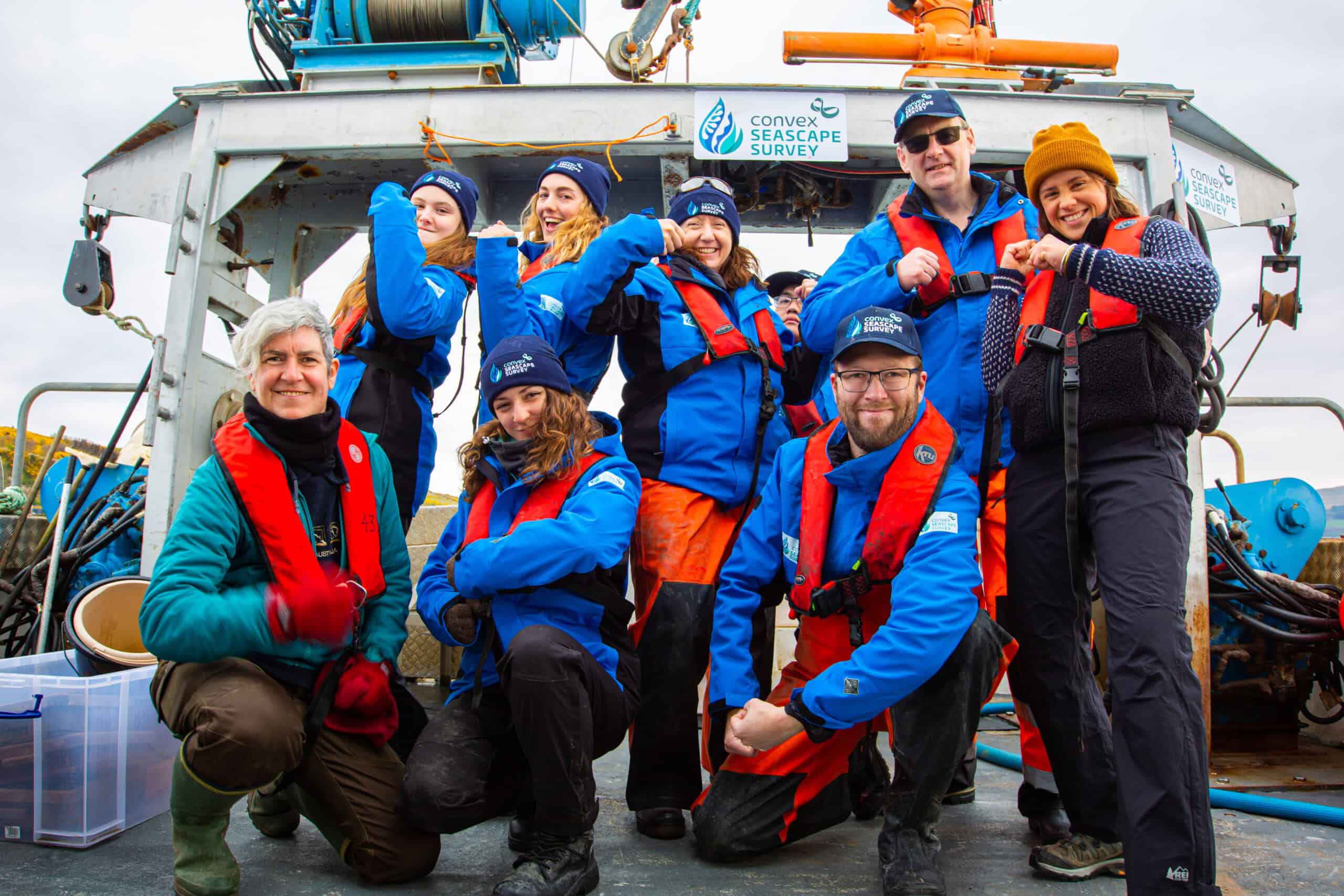
  • Blue Careers-Blue Marine Foundation
  • Blue Careers-Blue Marine Foundation
  • Blue Careers-Blue Marine Foundation
  • Blue Careers-Blue Marine Foundation
  • Blue Careers-Blue Marine Foundation

For young people growing up in coastal communities, this connection is especially important. Environmental education can help them understand not only the ecological significance of their local coastline, but also the career pathways and economic opportunities linked to it.

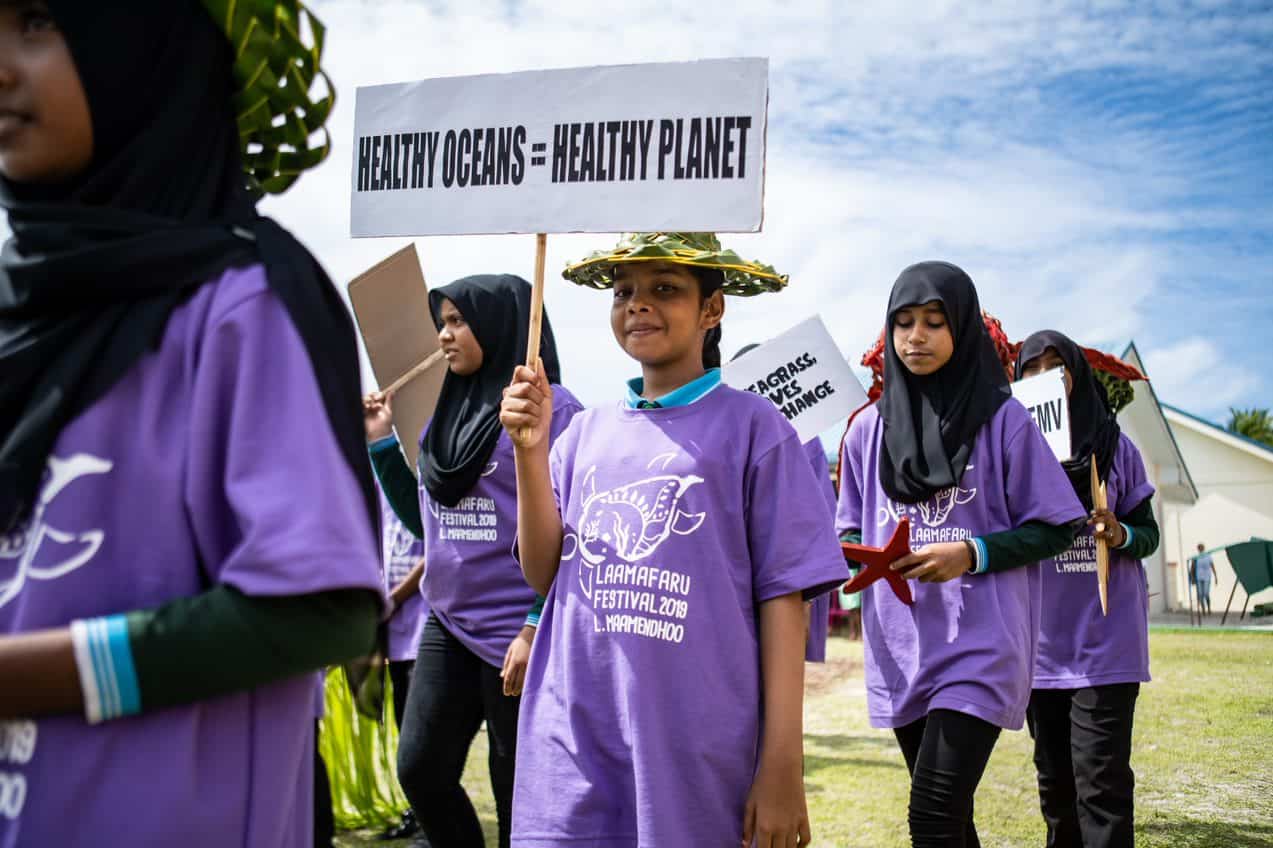
In this sense, ocean literacy is not simply about raising awareness. It is about equipping future citizens to engage with decisions that will increasingly shape economies, communities and public policy.

Moving from awareness to implementation

One challenge facing climate education is ensuring that learning feels tangible rather than overwhelming.

Policy discussions are often abstract, focusing on international agreements, emissions targets and long-term projections. For many pupils, those conversations can feel distant from everyday life.

The ocean offers something different. Coastlines, marine wildlife and local conservation projects provide visible, place-based examples of environmental change and recovery. They help connect global challenges with experiences that young people can see and understand.

This practical dimension is increasingly attracting attention from organisations working at the intersection of education and environmental policy.
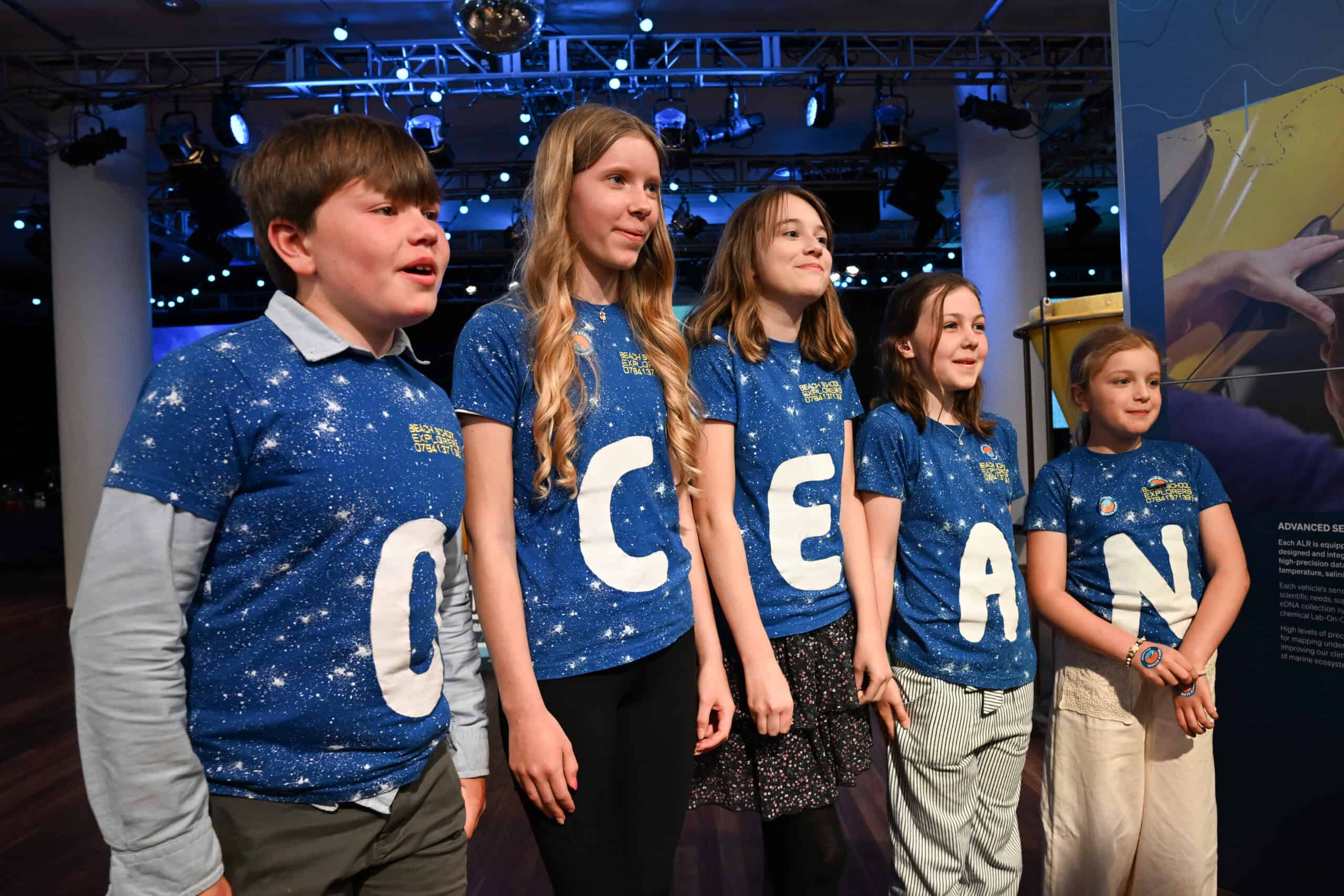
  • In School Ocean Education-Blue Marine Foundation
  • Field Work-In School Ocean Education-Blue Marine Foundation
  • Ocean Literacy and Education-Blue Marine Foundation
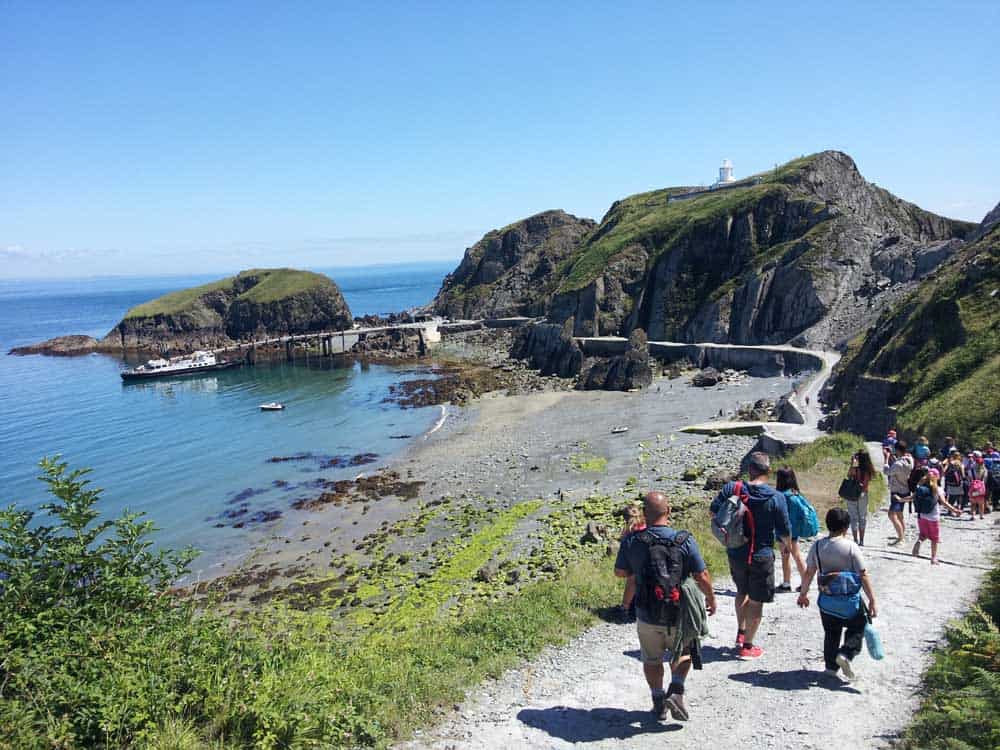
  • Guided Walk, Beach Road, Lundy-Blue Marine Foundation
  • In School Ocean Education-Blue Marine Foundation
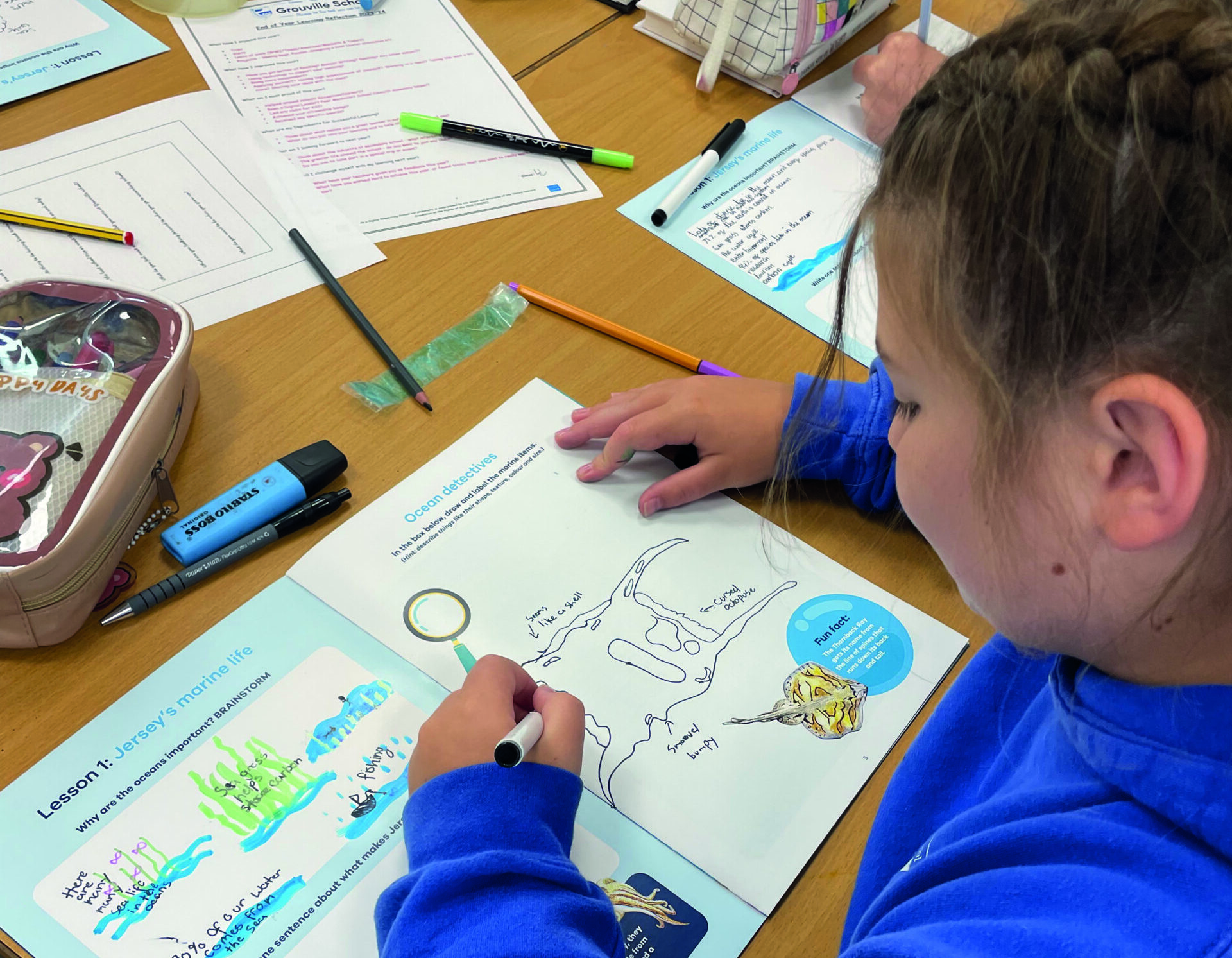
  • In School Ocean Education-Blue Marine Foundation
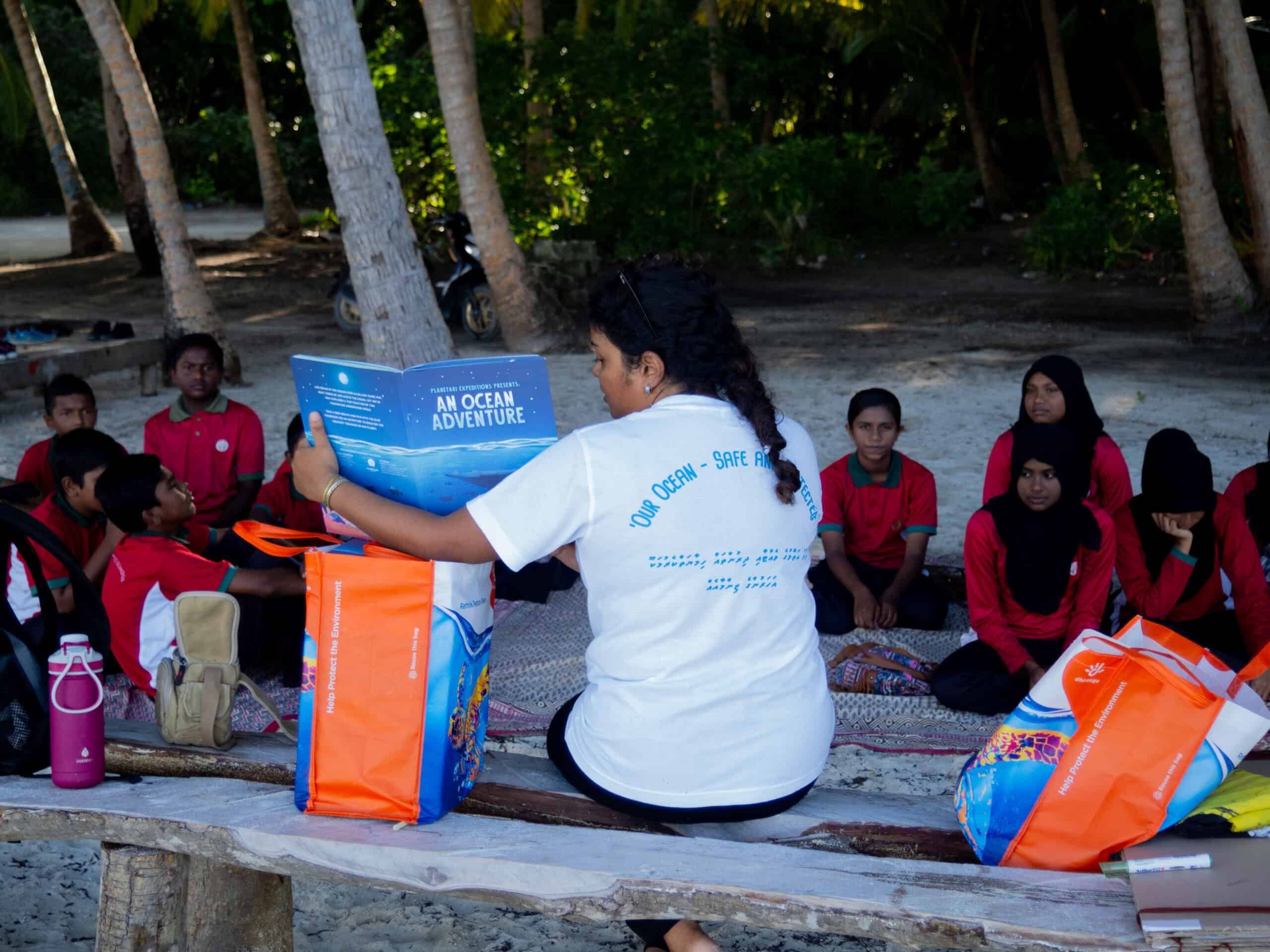
  • Makerzines Hithadhoo School-Blue Marine Foundation

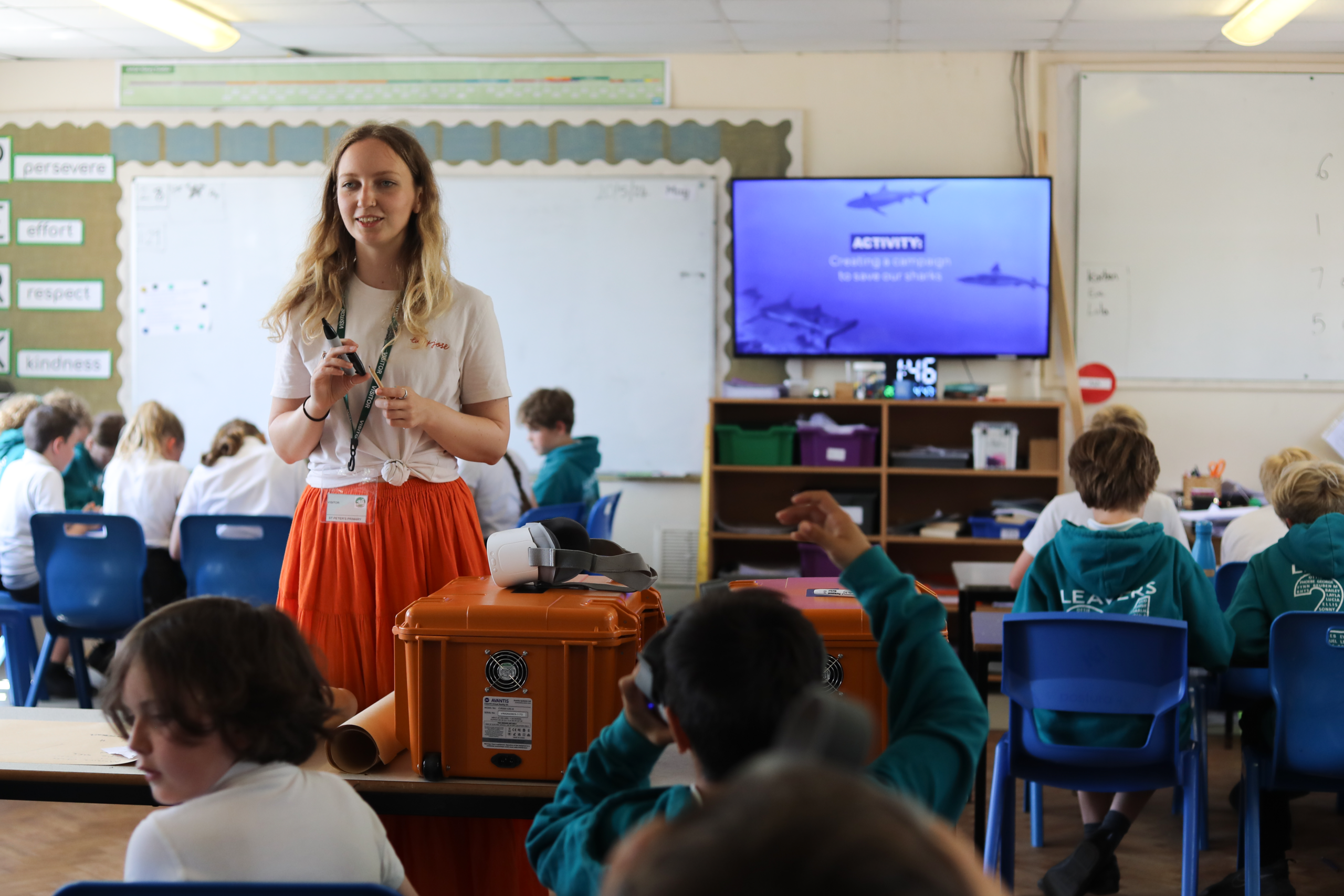
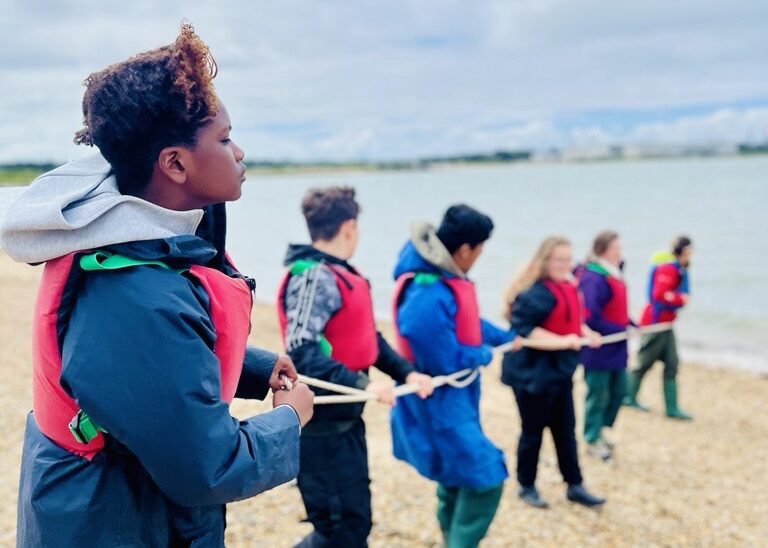
Blue Marine Foundation’s Ocean Education Hub, for example, provides curriculum-linked resources and teacher training designed to support ocean and climate learning in schools. Through its pilot programme in England, pupils have participated in careers talks, field visits and workshops intended to turn environmental issues into real-world learning opportunities. More than 1,000 pupils took part during the pilot year across 10 schools. Programmes such as these demonstrate how policy goals can be translated into practical engagement, particularly in schools that may face barriers to accessing outdoor learning opportunities. More than 300 pupils took part in field trips and filmmaking workshops through the pilot, while over 700 attended careers-focused sessions linked to marine science and conservation.

What comes next?

The push for stronger climate education is unlikely to disappear. As governments continue to develop climate strategies, questions about public understanding, workforce readiness and community engagement will become increasingly important.

The challenge for policymakers is not whether environmental issues belong in education, but how they can be integrated in ways that are relevant, evidence-based and actionable.

Ocean literacy offers one possible answer. It provides a means of connecting climate science with economics, local opportunity, citizenship and nature recovery. It brings together policy priorities that are often discussed separately.

Most importantly, it helps ensure that future generations understand a system upon which climate stability, food security and economic prosperity ultimately depend.

If climate policy is about preparing society for the future, then helping young people understand the ocean should not be treated as an optional extra. It should be recognised as part of the foundation.

Tags: Blue Marine FoundationfishingOceanOcean ConservationOcean literacyOffshore Wind
ShareTweetShare
Featured Expert: Victoria Turner

Featured Expert: Victoria Turner

Victoria Turner is Education Lead at Blue Marine Foundation, where she works to strengthen ocean literacy and connect young people with the role the ocean plays in climate, communities and future careers. Her work focuses on translating the ocean-climate nexus into practical, accessible learning and helping embed ocean understanding more firmly within education.

Related Posts

Singapore Airlines’ Aether Fuels Deal Signals a New Chapter for Sustainable Aviation Fuel
Features

Singapore Airlines’ Aether Fuels Deal Signals a New Chapter for Sustainable Aviation Fuel

November 24, 2026
COP31: E3G Experts React to the First Draft Decision Text
Features

COP31: E3G Experts React to the First Draft Decision Text

November 19, 2026
COP31 Leaders’ Summit Summary: E3G’s Reaction to the Opening Speeches
Features

COP31 Leaders’ Summit Summary: E3G’s Reaction to the Opening Speeches

November 13, 2026
Iron Here, Steel There: Rethinking Where Steel Is Made Could Move the Industry Beyond Coal
Renewable Energy

Iron Here, Steel There: Rethinking Where Steel Is Made Could Move the Industry Beyond Coal

November 11, 2026
To Electrify, Europe Needs Efficient, Demand-Flexible Appliances
Europe

To Electrify, Europe Needs Efficient, Demand-Flexible Appliances

November 19, 2026
Steel: A Strategic Industry Built on Coal
Features

Steel: A Strategic Industry Built on Coal

November 4, 2026

Popular Stories

  • AI Can Scale Regenerative Agriculture – If Farmers Trust It

    AI Can Scale Regenerative Agriculture – If Farmers Trust It

    0 shares
    Share 0 Tweet 0
  • The Race to Host AI: Data Centres in Water-Scarce India

    0 shares
    Share 0 Tweet 0
  • The Sargassum Paradox: Why the Caribbean’s Clean Energy Hope is a Supply Chain Trap

    0 shares
    Share 0 Tweet 0
  • The Philippines’ Nuclear Gamble

    0 shares
    Share 0 Tweet 0
  • Can Pax Silica Deliver for the Philippines’ Tech Ambitions?

    0 shares
    Share 0 Tweet 0

Actionable Info

From The Energy Pioneer

Where the energy transition connects.

Journalists, investors, companies, and clean energy leaders — all in one network.

Explore EP Network →

The Energy Pioneer

The Energy Pioneer covers the global energy transition — from clean tech and green finance to policy and renewable energy.

Recent Posts

  • Why Ocean Literacy Belongs in Climate Policy
  • The Affordability Election Delivered Billions for Public Transit
  • Singapore Airlines’ Aether Fuels Deal Signals a New Chapter for Sustainable Aviation Fuel

Quick Links

  • Home
  • Clean Tech
  • Renewable Energy
  • Green Finance
  • Policy
  • Regions
  • Features
  • Who We Are

© 2026 The Energy Pioneer | All Rights Reserved. |

From The Energy Pioneer

Meet EP Network.

Enter your email and our team will reach out — or sign up directly.

Please enable JavaScript in your browser to complete this form.
Loading
or sign up directly →
From The Energy Pioneer

You read about the energy transition. EP Network connects you to it.

Leave your email and our team will reach out.

Please enable JavaScript in your browser to complete this form.
Loading
or
Sign up now →
No Result
View All Result
  • Home
  • Clean Tech
    • Electric Vehicles
    • Energy Efficiency
    • Green Hydrogen
    • Smart Grid
    • Battery Storage
  • Green Finance
    • Public Financing
    • Private Financing
    • Carbon Markets
  • Policy
  • Renewable Energy
    • Wind
    • Solar
    • Hydropower
    • Nuclear
    • Hydrogen
    • Fossil Fuels
    • Geothermal
  • Regions
    • Africa
    • Asia
    • Europe
    • North America
    • Latin America
    • West Asia
    • Oceania
  • Features
  • Who We Are
    • About Us
    • EP Network
    • Contact Us

© 2026 The Energy Pioneer | All Rights Reserved. |