
The climate crisis is often discussed in terms of energy systems, transport networks and industrial emissions. Yet one of the most important climate assets remains poorly understood by the public and underrepresented in education policy: the ocean.
Covering more than 70 per cent of the planet, the ocean regulates weather systems, supports biodiversity, provides food and livelihoods, and absorbs a significant proportion of the excess heat and carbon dioxide generated by human activity. Despite this central role, many young people leave school with only a limited understanding of how the ocean influences climate, the economy and their own communities.
As governments around the world strengthen climate commitments and invest in environmental resilience, there is a growing case for recognising ocean literacy as an important component of climate policy.
A policy ambition that has yet to reach every classroom
In England, recent years have seen greater attention paid to sustainability and climate education. Schools have been encouraged to develop sustainability leadership and climate action planning, while broader curriculum discussions have considered how environmental issues can be embedded across subjects.
However, policy ambitions do not automatically translate into meaningful learning experiences for pupils.
Teachers frequently face competing pressures on curriculum time and resources. Environmental topics can often appear fragmented across different subjects, making it difficult for pupils to understand how climate, biodiversity, society and the economy are interconnected.

This is particularly true when it comes to the ocean. While marine ecosystems feature in parts of the curriculum, ocean literacy is rarely treated as a distinct theme despite its relevance to climate science, geography, economics, citizenship and future careers.
Why the ocean matters beyond conservation
Ocean literacy is sometimes viewed solely through the lens of conservation. In reality, it has significant economic and policy relevance.
Coastal and marine industries contribute billions to national economies through sectors including shipping, fisheries, tourism, renewable energy and scientific research. Governments are increasingly investing in offshore wind, marine restoration projects and sustainable coastal development as part of wider net-zero strategies.
Future workforces will need the skills and understanding to support these transitions.
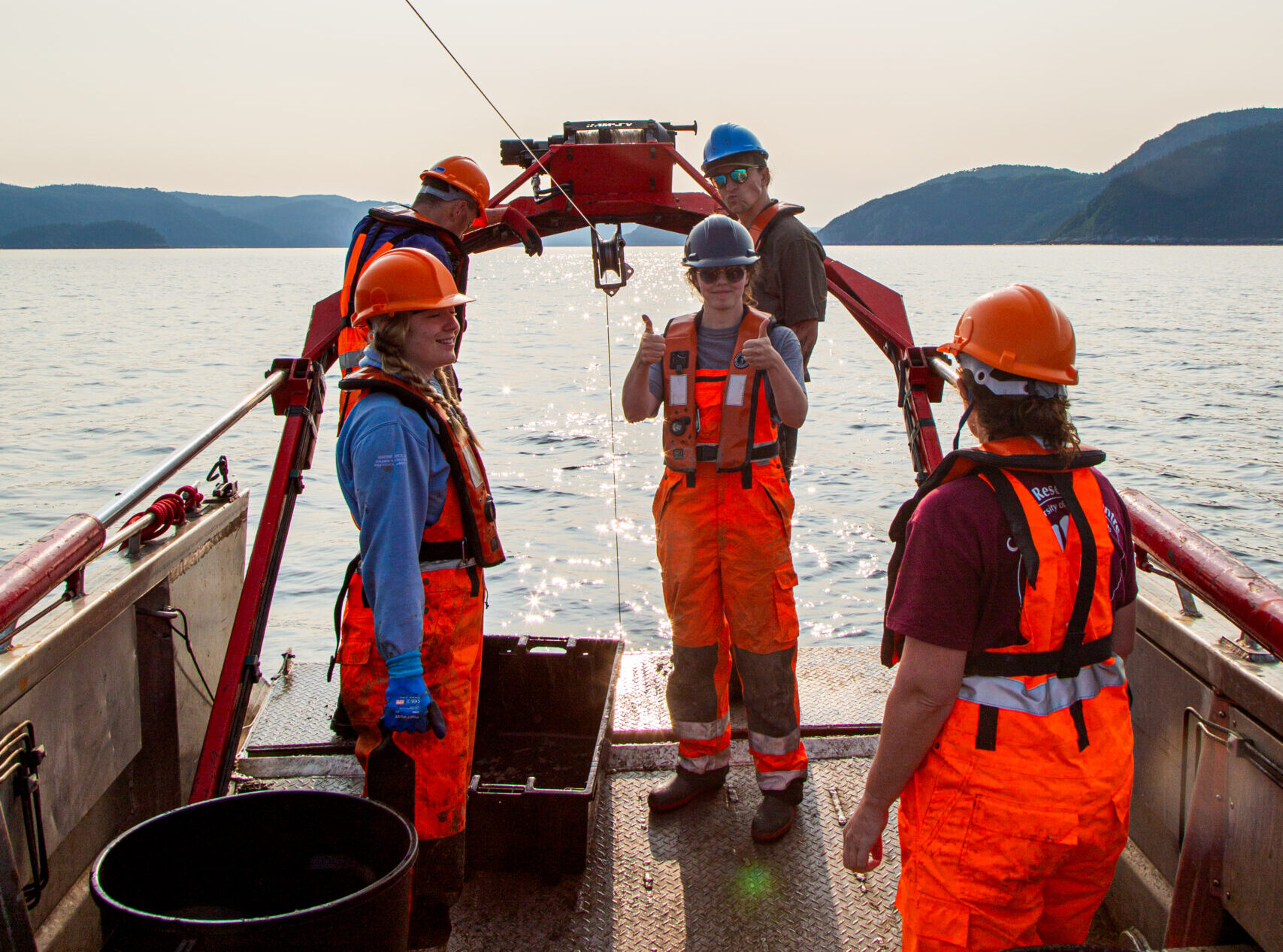 Blue Careers-Blue Marine Foundation
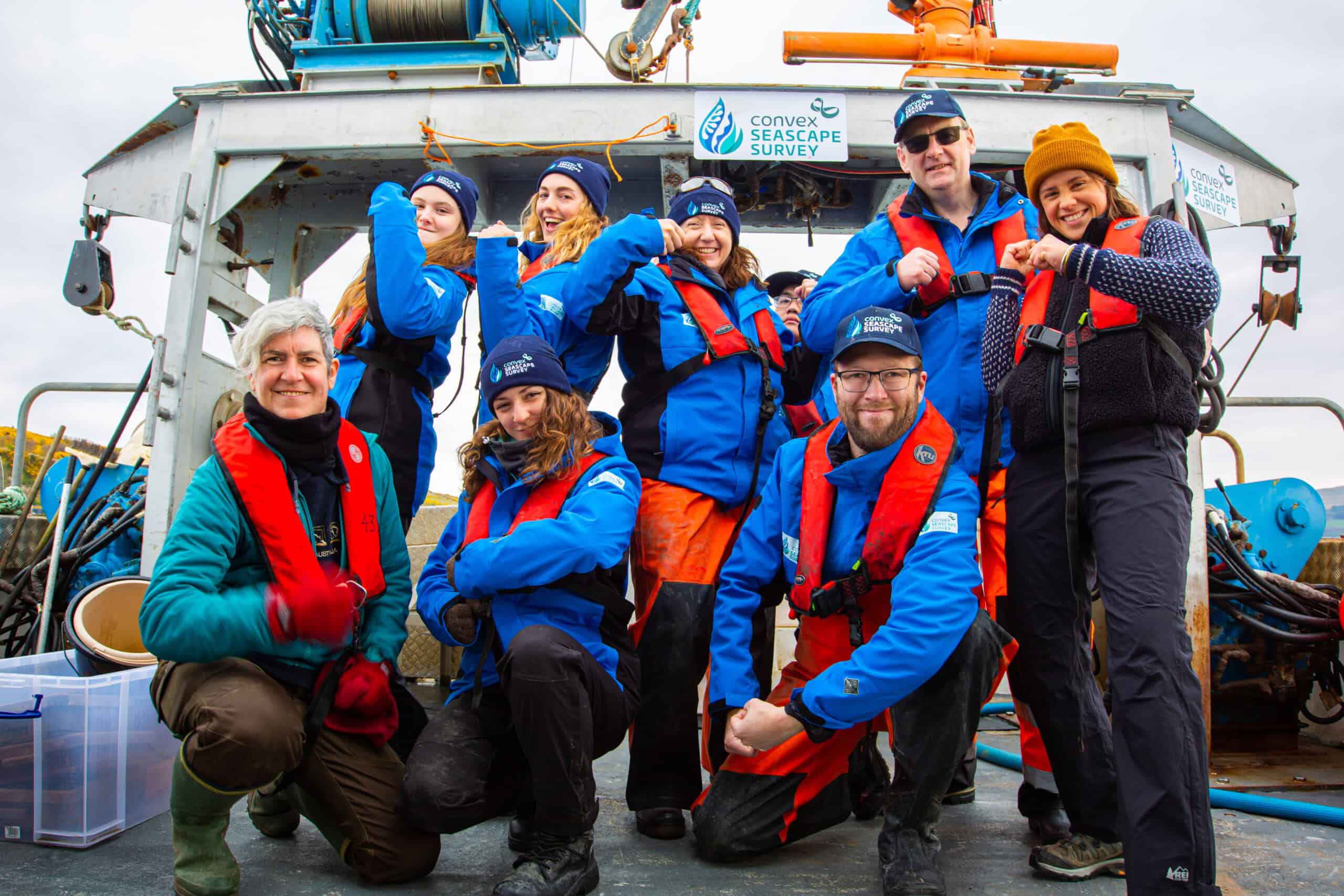
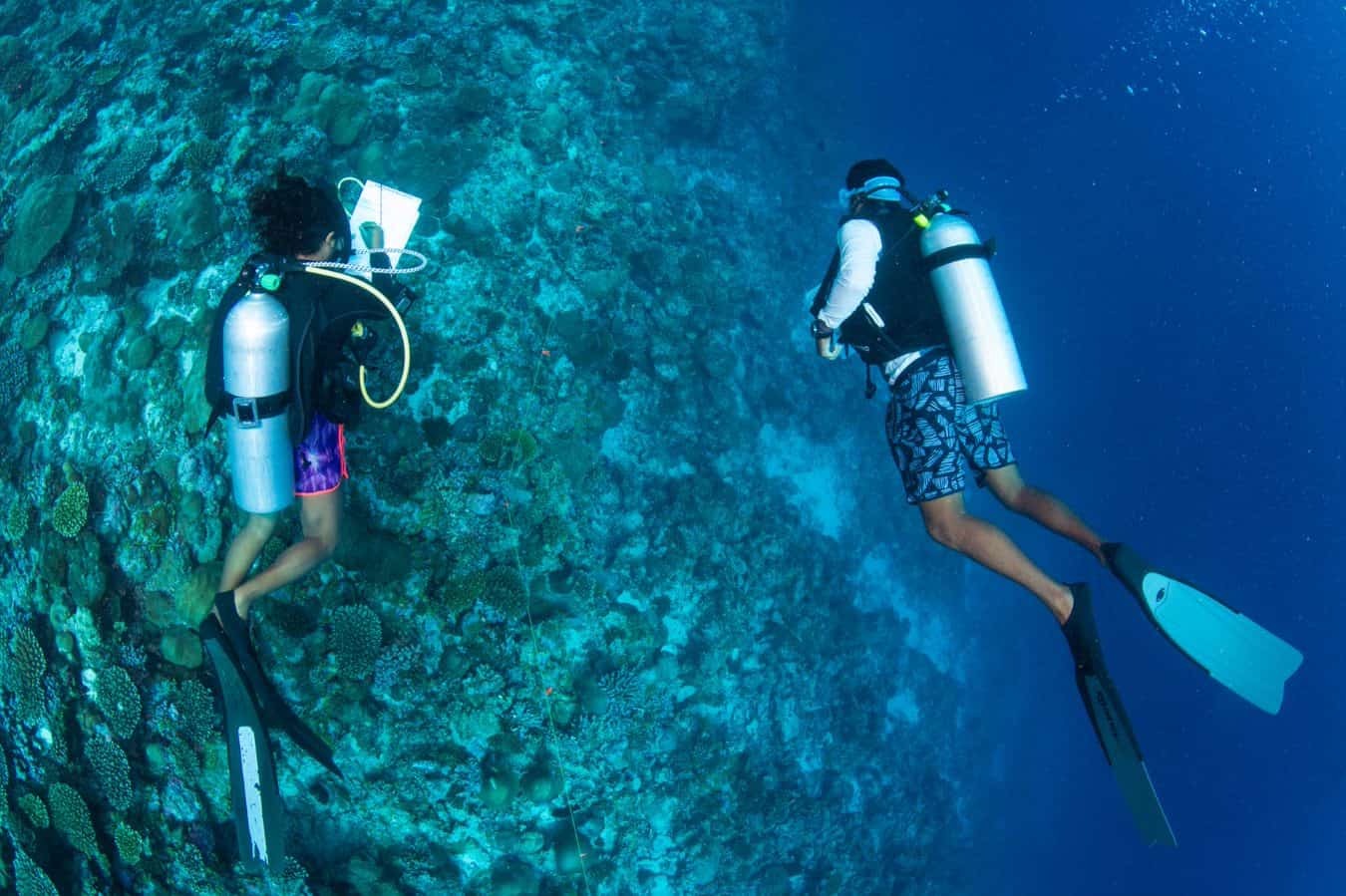
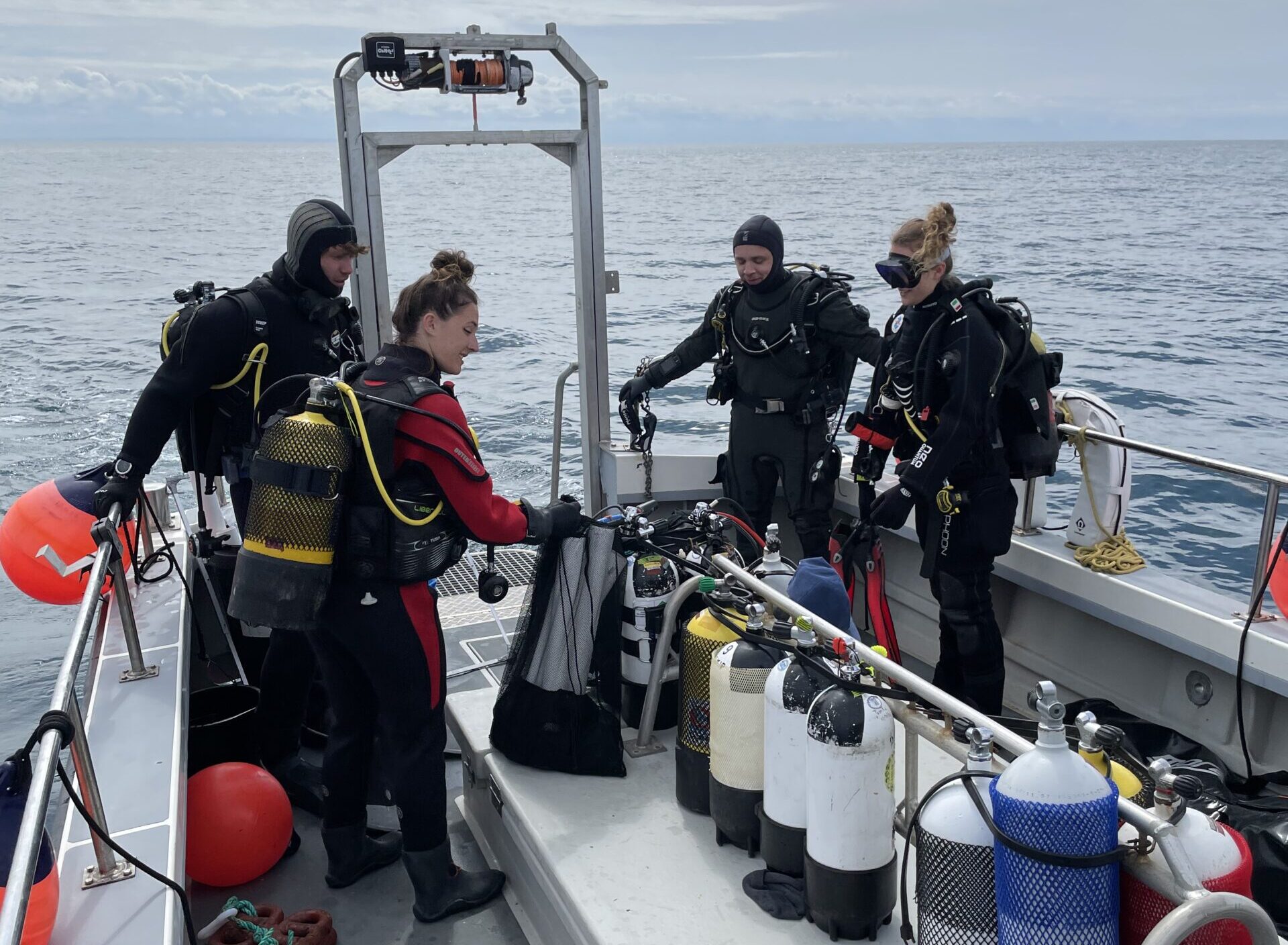
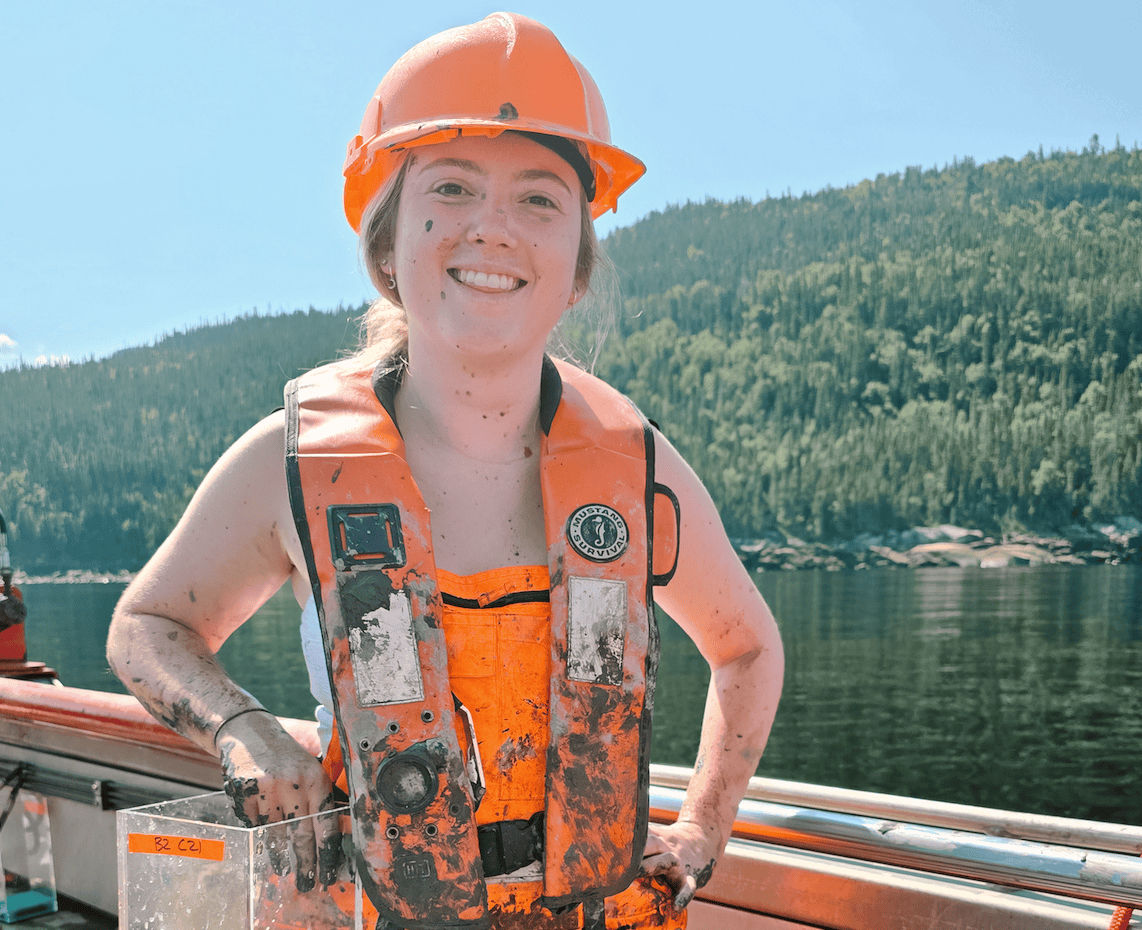
For young people growing up in coastal communities, this connection is especially important. Environmental education can help them understand not only the ecological significance of their local coastline, but also the career pathways and economic opportunities linked to it.
In this sense, ocean literacy is not simply about raising awareness. It is about equipping future citizens to engage with decisions that will increasingly shape economies, communities and public policy.
Moving from awareness to implementation
One challenge facing climate education is ensuring that learning feels tangible rather than overwhelming.
Policy discussions are often abstract, focusing on international agreements, emissions targets and long-term projections. For many pupils, those conversations can feel distant from everyday life.
The ocean offers something different. Coastlines, marine wildlife and local conservation projects provide visible, place-based examples of environmental change and recovery. They help connect global challenges with experiences that young people can see and understand.
This practical dimension is increasingly attracting attention from organisations working at the intersection of education and environmental policy.
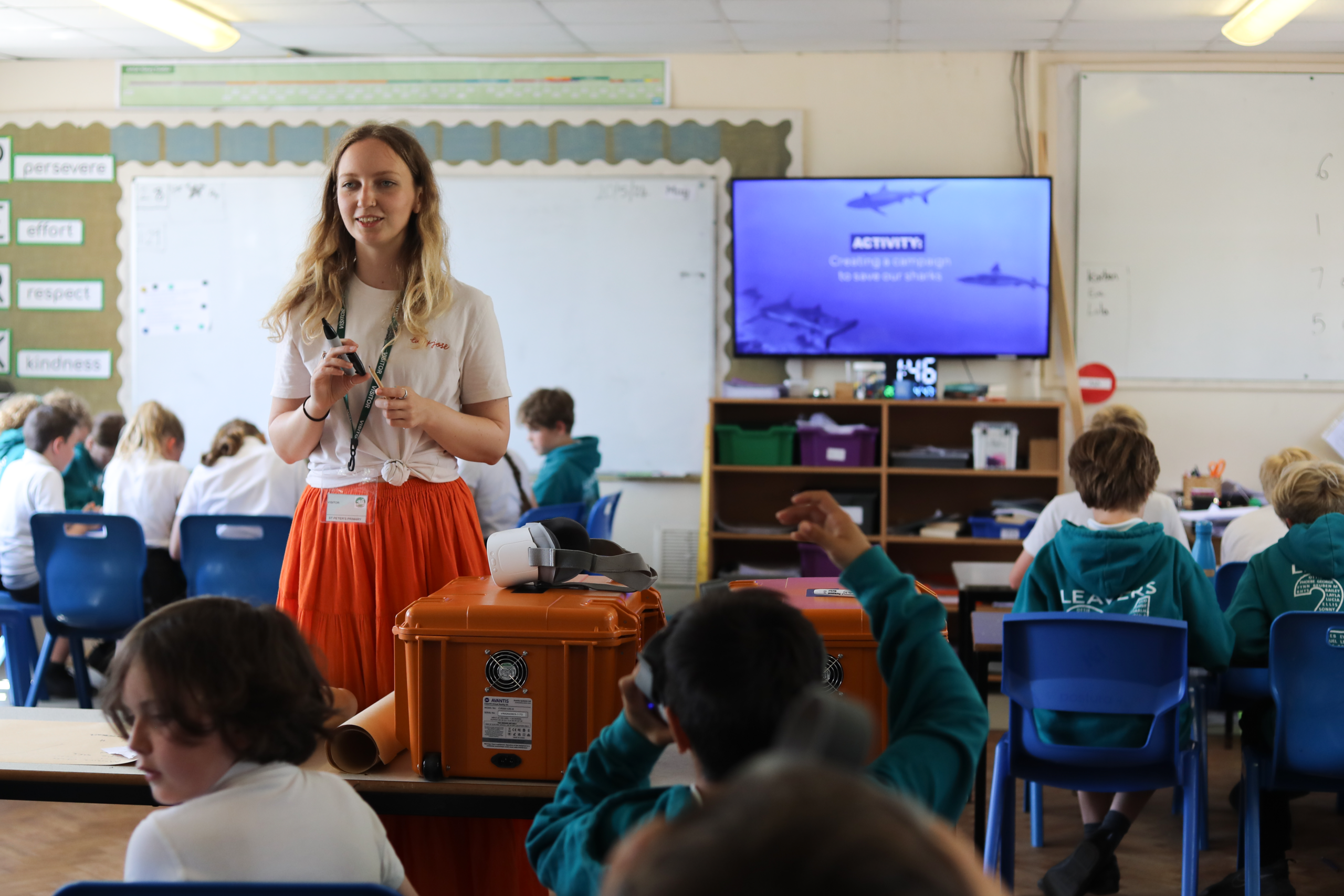 In School Ocean Education-Blue Marine Foundation
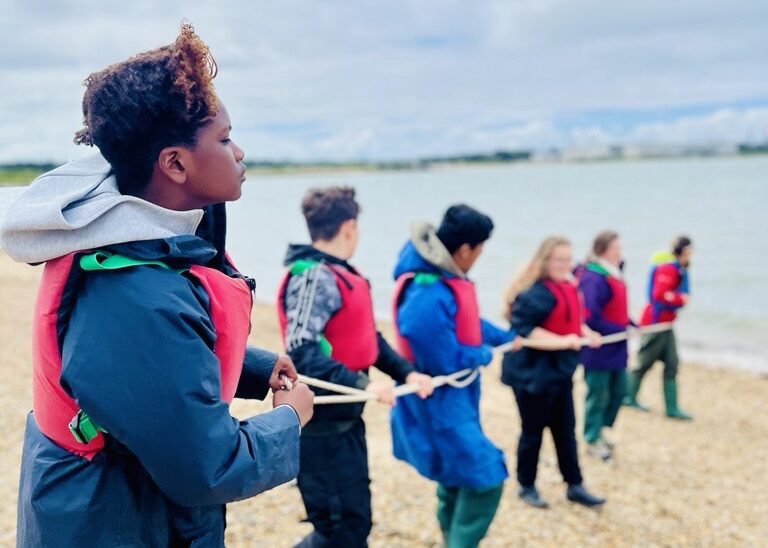
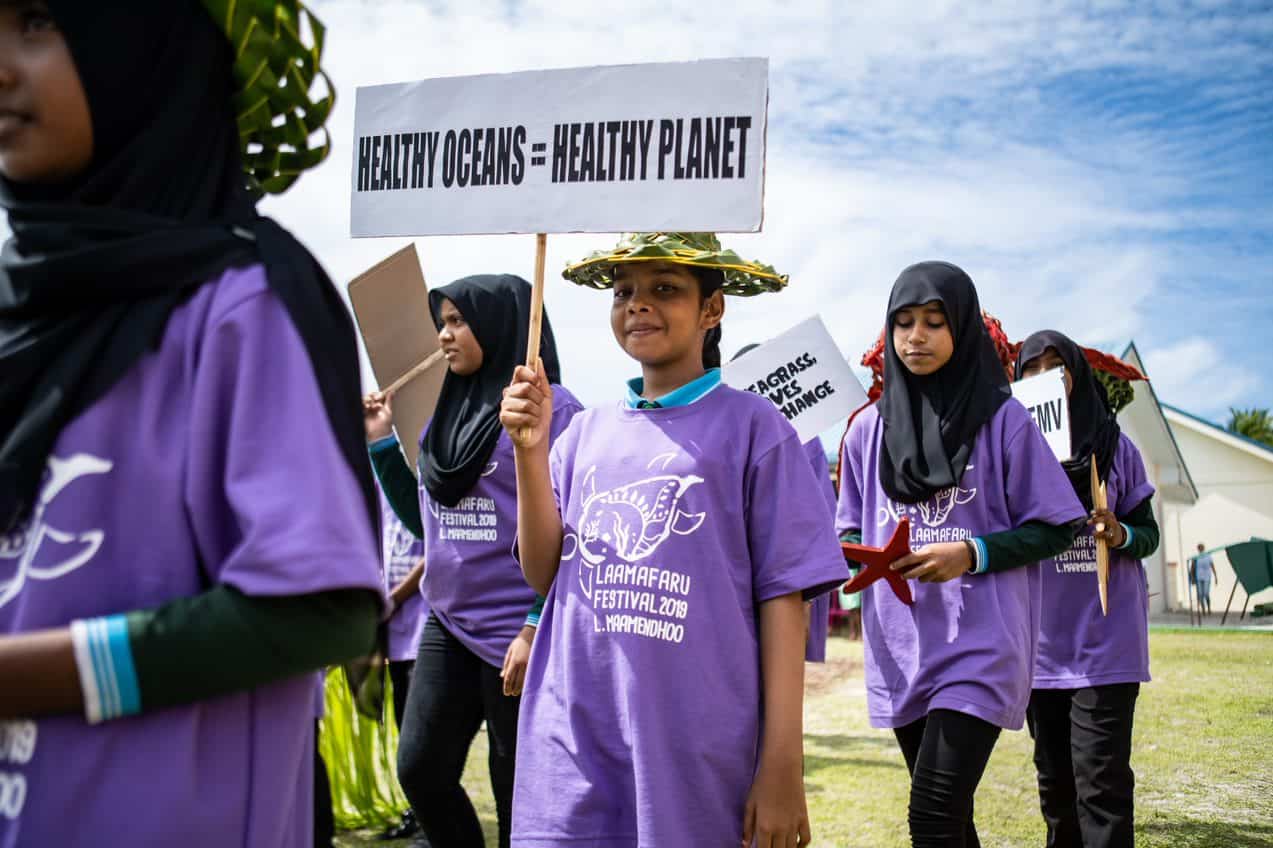
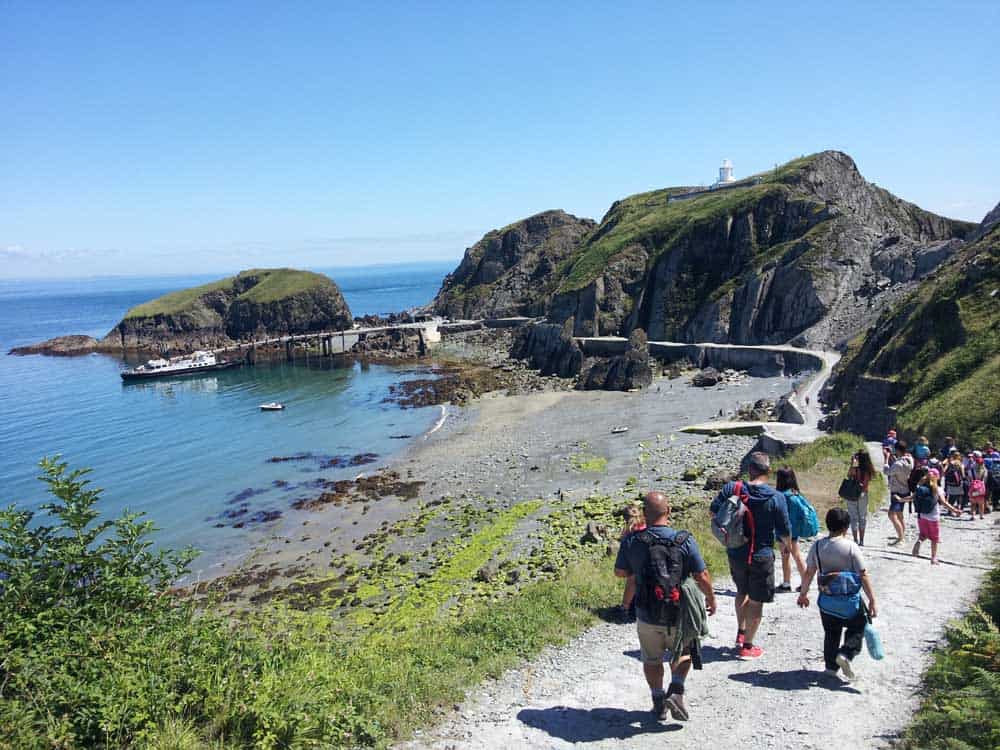
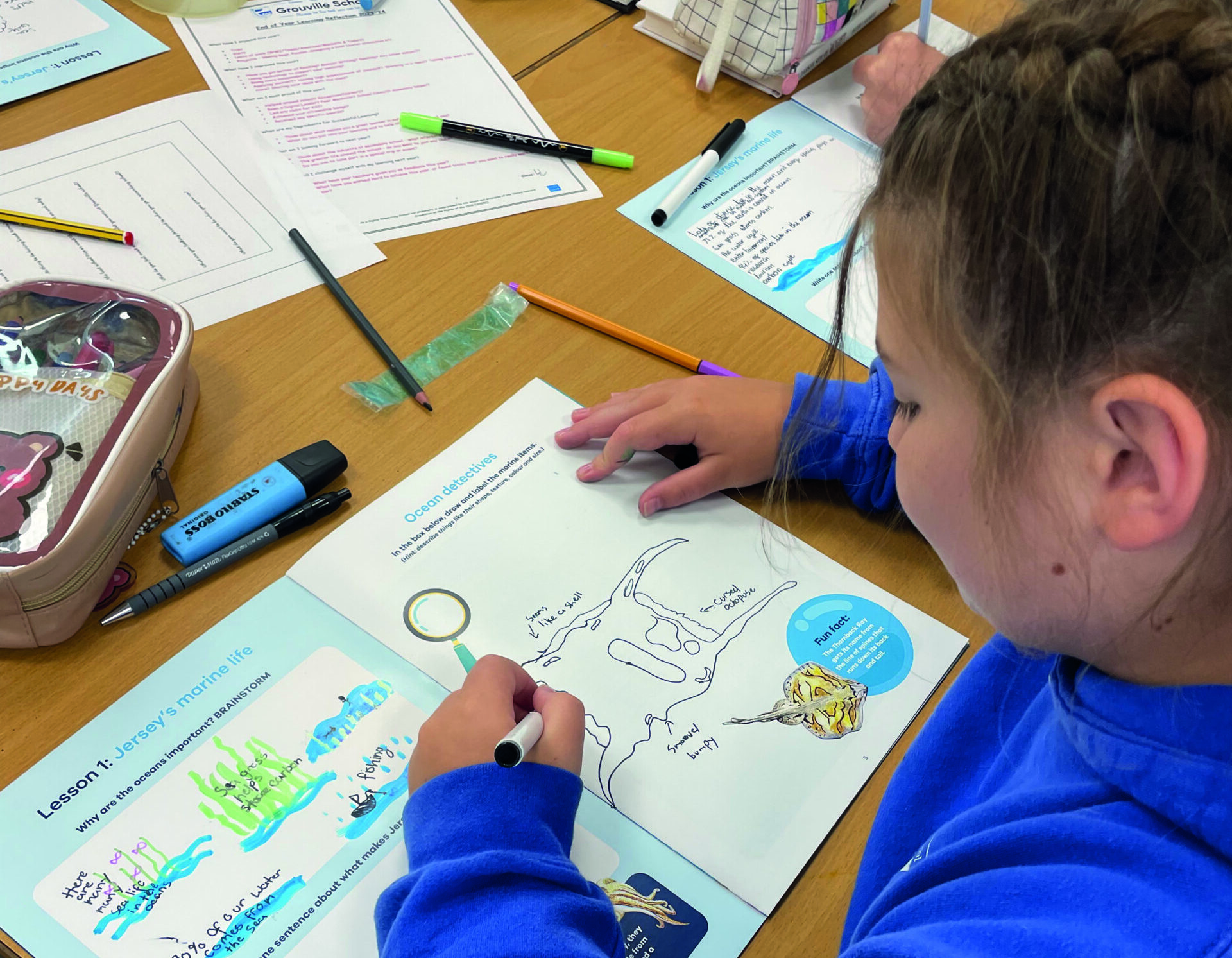
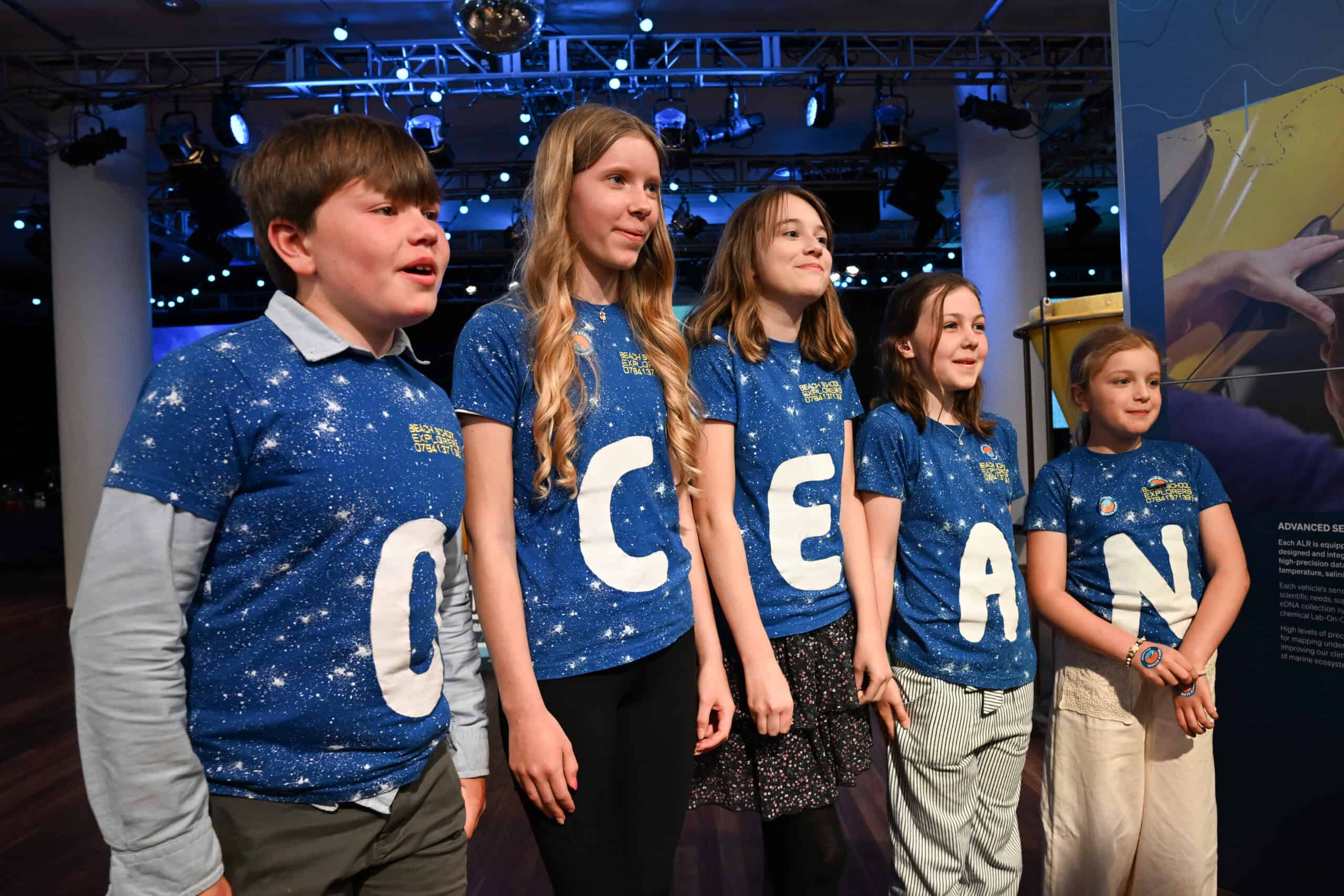
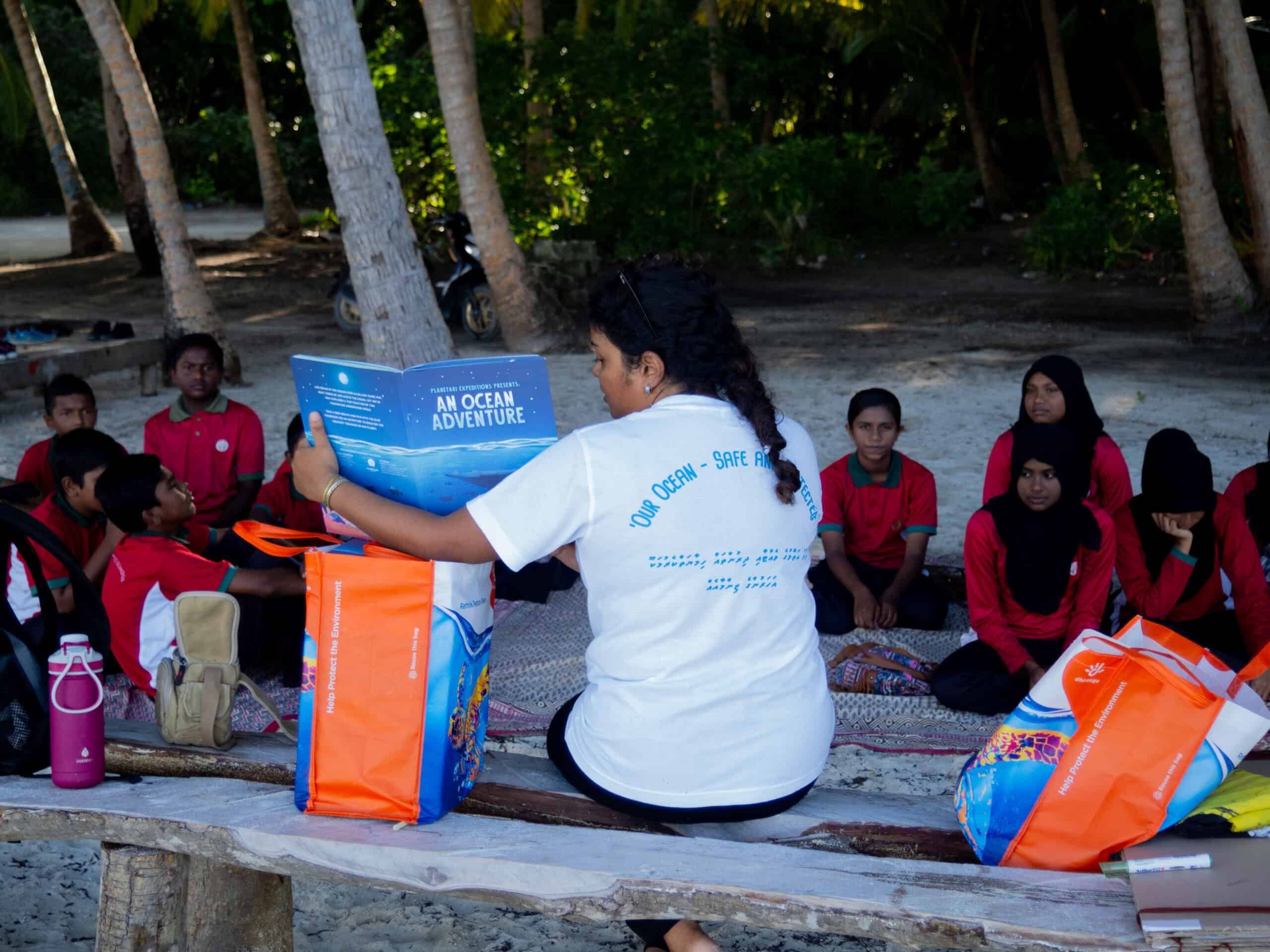
Blue Marine Foundation’s Ocean Education Hub, for example, provides curriculum-linked resources and teacher training designed to support ocean and climate learning in schools. Through its pilot programme in England, pupils have participated in careers talks, field visits and workshops intended to turn environmental issues into real-world learning opportunities. More than 1,000 pupils took part during the pilot year across 10 schools. Programmes such as these demonstrate how policy goals can be translated into practical engagement, particularly in schools that may face barriers to accessing outdoor learning opportunities. More than 300 pupils took part in field trips and filmmaking workshops through the pilot, while over 700 attended careers-focused sessions linked to marine science and conservation.
What comes next?
The push for stronger climate education is unlikely to disappear. As governments continue to develop climate strategies, questions about public understanding, workforce readiness and community engagement will become increasingly important.
The challenge for policymakers is not whether environmental issues belong in education, but how they can be integrated in ways that are relevant, evidence-based and actionable.
Ocean literacy offers one possible answer. It provides a means of connecting climate science with economics, local opportunity, citizenship and nature recovery. It brings together policy priorities that are often discussed separately.
Most importantly, it helps ensure that future generations understand a system upon which climate stability, food security and economic prosperity ultimately depend.
If climate policy is about preparing society for the future, then helping young people understand the ocean should not be treated as an optional extra. It should be recognised as part of the foundation.