At the end of 2025, a review on steel decarbonisation found that progress had stagnated. Responsible for around 10% of global CO₂ emissions, the industry still relies heavily on coal-based blast furnaces to make iron, the key ingredient in steelmaking. Emissions intensity was flat, newly announced blast furnace capacity still exceeded new direct reduced iron (DRI) capacity, and several low-emissions projects stalled or were cancelled. Yet beneath the headline numbers lie signals of change that, if they gather momentum, could transform this emissions-heavy industry.
The impasse
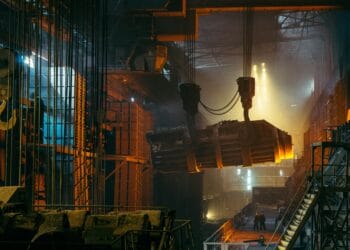
Historically, iron and steel have been made together on the same site. At integrated steel plants, molten iron made in a blast furnace at around 1,500°C goes straight into steelmaking while its still hot, rather than being allowed to cool and then reheated.
But iron can also be produced through a process known as direct reduction. Direct reduction is the process by which iron is extracted from ore by heating it and using a reducing gas, rather than coke, to remove its oxygen, leaving the iron in a solid state. The reducing gas can be hydrogen, produced using renewable electricity, in a process known as hydrogen-based direct reduction (H₂-DRI). This approach challenges the conventional model of iron and steelmaking.
Making iron using green hydrogen depends on large volumes of cheap renewable electricity. Production is therefore likely to shift towards regions with more plentiful renewable energy, particularly those that also have good supplies of iron ore. Meanwhile, steelmakers are unlikely to relocate because they want to stay close to end users like carmakers and appliance manufacturers.
The result is a mismatch. A shortage of green hydrogen, partly caused by a shortage of renewable energy, is one of the major constraints on the whole transition. The politics make it harder still. Steel is often seen as the foundation of a nation’s sovereignty and industrial pride, and as essential to many strategic sectors such as car manufacturing, construction and defence.
One way through: decouple iron from steel

Decarbonising iron and steelmaking requires strategic thinking, and recognising that certain disruptions – like where iron is produced and by whom – are not just inevitable, but essential for accelerating decarbonisation.
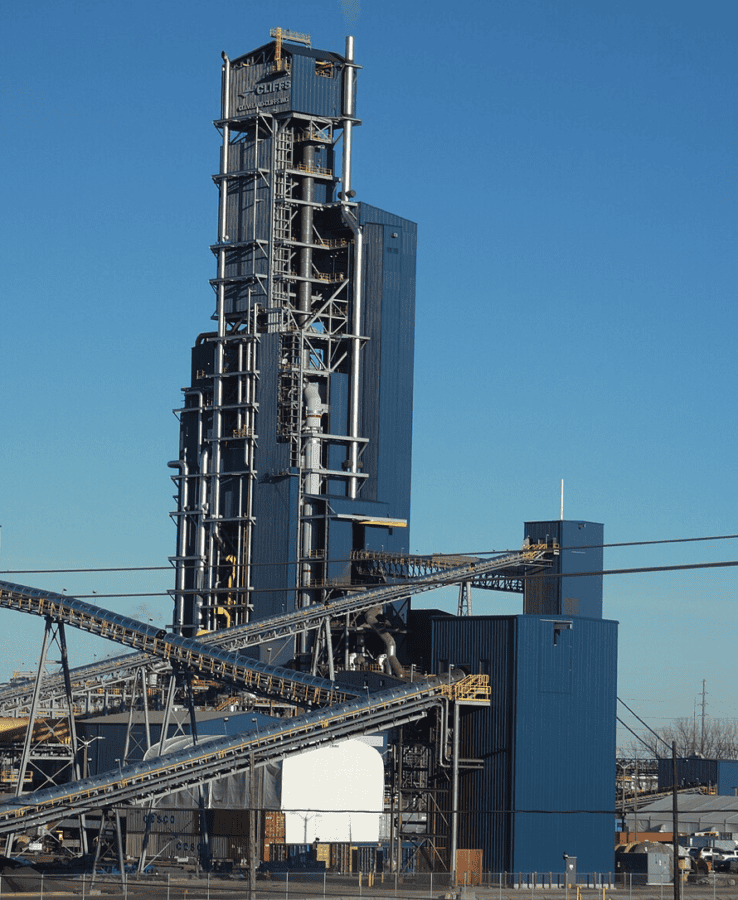
Iron made via the DRI process produces what is known as sponge iron. It’s still hot, at around 600-700˚C but it’s solid in the form of pellets. It can be compressed into briquettes, known as hot briquetted iron (HBI), shipped around the world and melted into steel in electric arc furnaces elsewhere. That opens up a simple but transformative idea: make iron where renewables and iron ore are available and make steel where the customers are. Just as coal deposits shaped the industrial revolution, renewable energy will shape the industrial economy of the future.
Decoupling is not a politically popular topic in traditional steelmaking countries. But the costs and benefits need honest discussion. It is estimated that ironmaking accounts for less than 10% of jobs in the steel value chain, so steelmaking, and most of the jobs that go with it, can stay in existing steel and manufacturing centres. The largest steel producing countries today already rely on imported iron ore, therefore trading green iron does not increase dependence on others. Most importantly, buying green iron is a cheaper way to build a decarbonised steel industry in key countries. Studies suggest steel made with imported green iron could be around 20% cheaper in Europe or South Korea than with locally made green iron, and around 30% cheaper in Japan. Exporting regions, meanwhile, capture more value from their iron ore by exporting green iron. Likely exporters include Australia, Canada, Brazil, northern Scandinavia, Oman, and Namibia.
Signals of change
If you know where to look, the signals of change are already there. No single company or country holds all the pieces needed to make green iron, so some of the clearest signals are newly developing partnerships.
Green iron innovators such as HyIron in Namibia and Progressive Green Solutions in Australia are securing buyers, including Germany’s thyssenkrupp, before production has begun. In Brazil, Vale and Green Energy Park are bringing together high-grade ore and green hydrogen infrastructure for a proposed transportable green iron project.
Mining giants BHP and Rio Tinto are testing their ore with steelmakers such as POSCO, Baowu and voestalpine, to make lower-grade ore work in new ironmaking processes.
Steelmakers are exploring new locations for low-emissions ironmaking, from Meranti in Oman to projects in North Africa, though many will start on fossil gas, which only counts as progress if they have a binding timeline to switch to green hydrogen. Together these partnerships form the earliest architecture of a global green iron trade.
Securing the steel of the future
Three lessons stand out. Cheap renewables will decide where iron gets made. New partnerships are rebuilding the value chain, changing who makes iron and where. And leadership matters: steelmakers that cannot make green iron can buy it, but only if they make the decisive choice to move beyond coal.
Governments are right to see steel as strategic. But real industrial security will not come from protecting coal-based blast furnaces. It will come from securing the clean iron supply chains of the future. The signals are there, the roadmap is clear, and the transformation is inevitable. So who will make the steel of the future, and on what energy? Those who move first to build green iron supply chains powered by renewables.