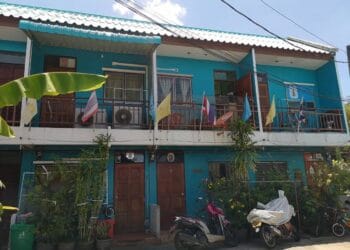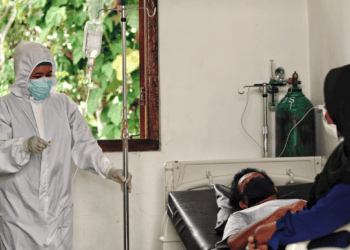

“Climate disasters forced me to leave my village and come to the city. Once here, I found work in a garment factory. But a few months ago, I was laid off. I don’t know how I will earn a living now,” says 39-year-old Shahana Begum.
Shahana lost everything to repeated cyclones and river erosion. In search of work and a fresh start, she migrated with her family from an island in the coastal district of Bhola to Dhaka, Bangladesh’s capital. With the help of relatives, they found a place to live in the Kalyanpur slum. Shahana secured a job in a garment factory and became her family’s primary breadwinner. But losing that job has left the family struggling to make ends meet, forcing them to find new ways to survive.
Her experience is not unique. Many other women in her community, including her neighbours Nazma Parveen, Aleya and Shilpi, are facing similar challenges.
Every year, extreme weather events displace countless people across Bangladesh, forcing many to leave their homes and move to cities in search of livelihoods and security. Cyclones, river erosion and increasing soil salinity are among the key drivers of this migration. For many displaced people, particularly women, finding work in urban areas often means entering precarious employment, with limited job security and little protection against sudden income loss.
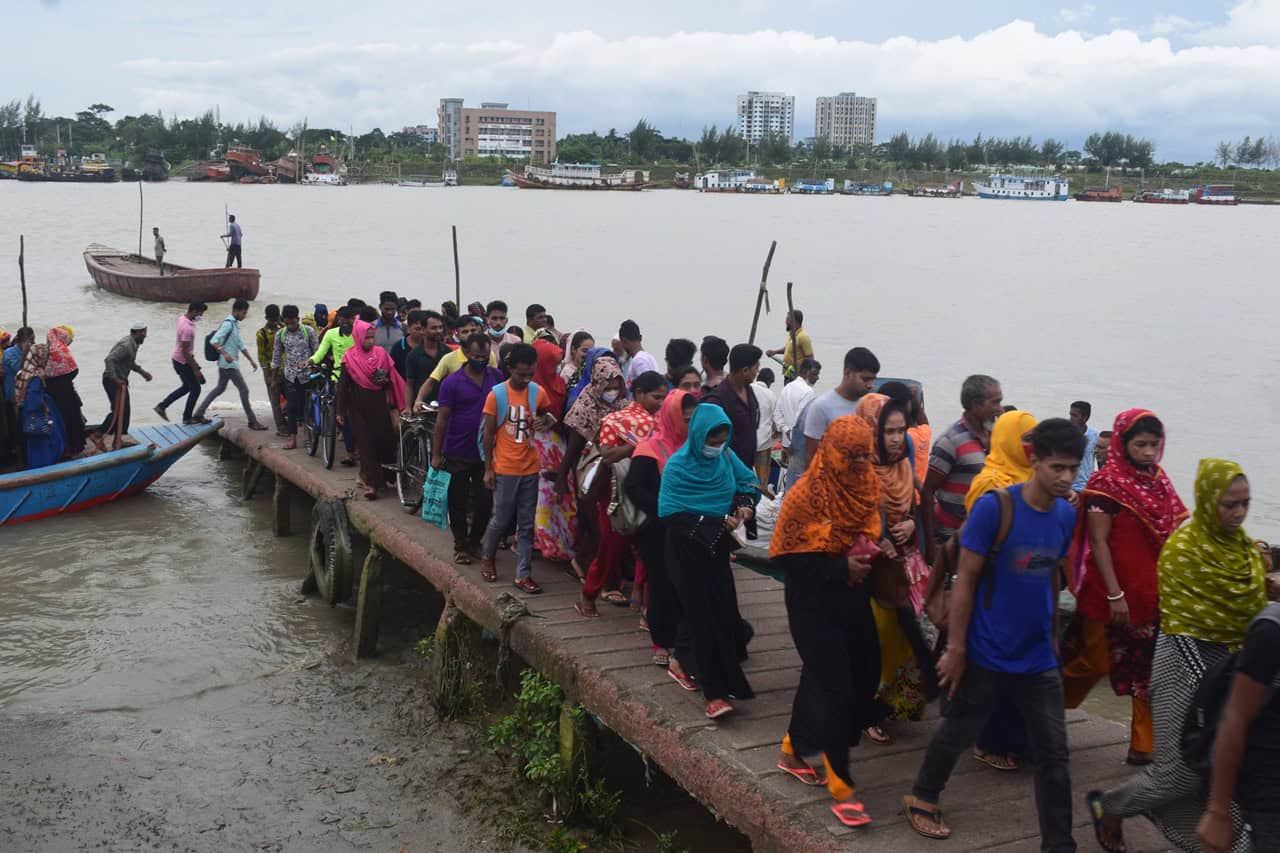 A common sight in Bangladesh—workers rushing to their jobs at the break of dawn. Taken in Mongla, Bangladesh. Photo by Rafiqul Islam Montu.

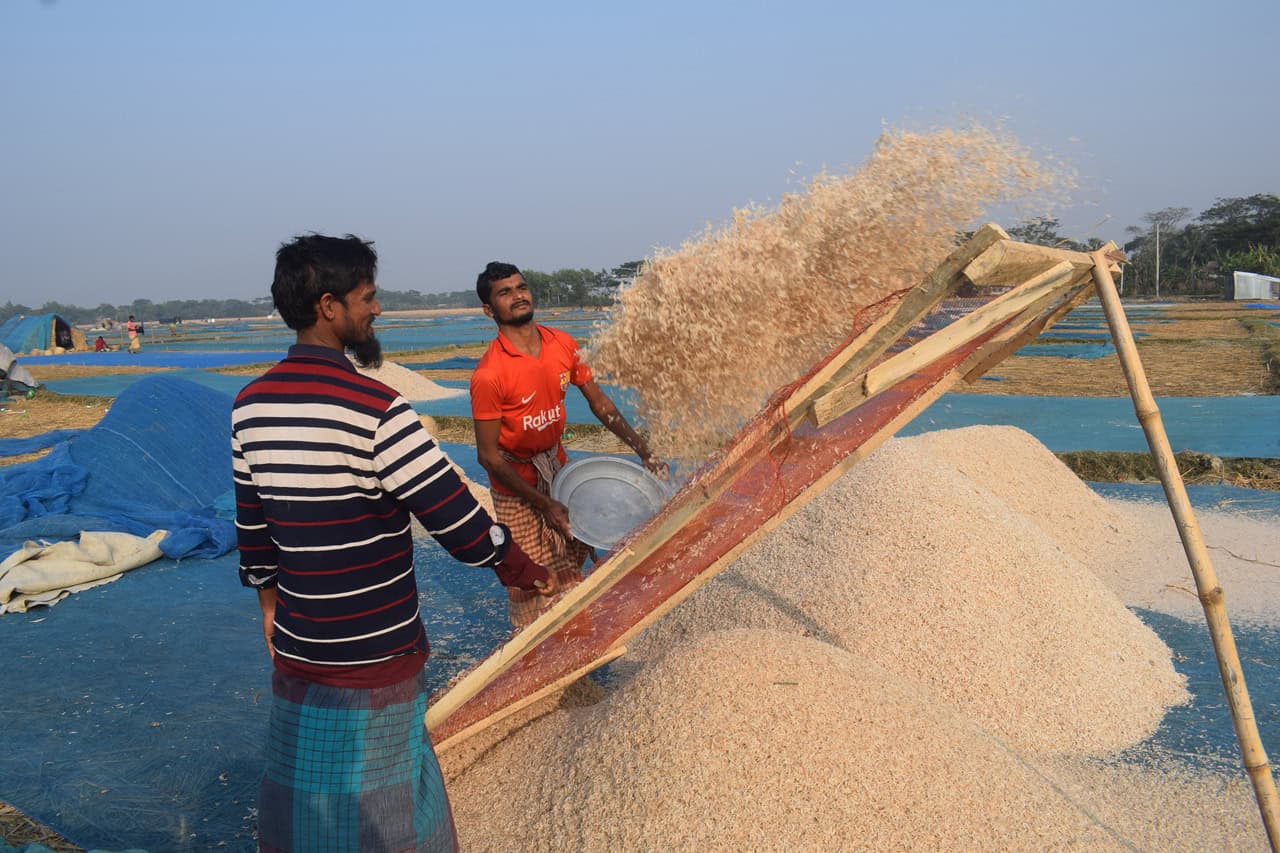
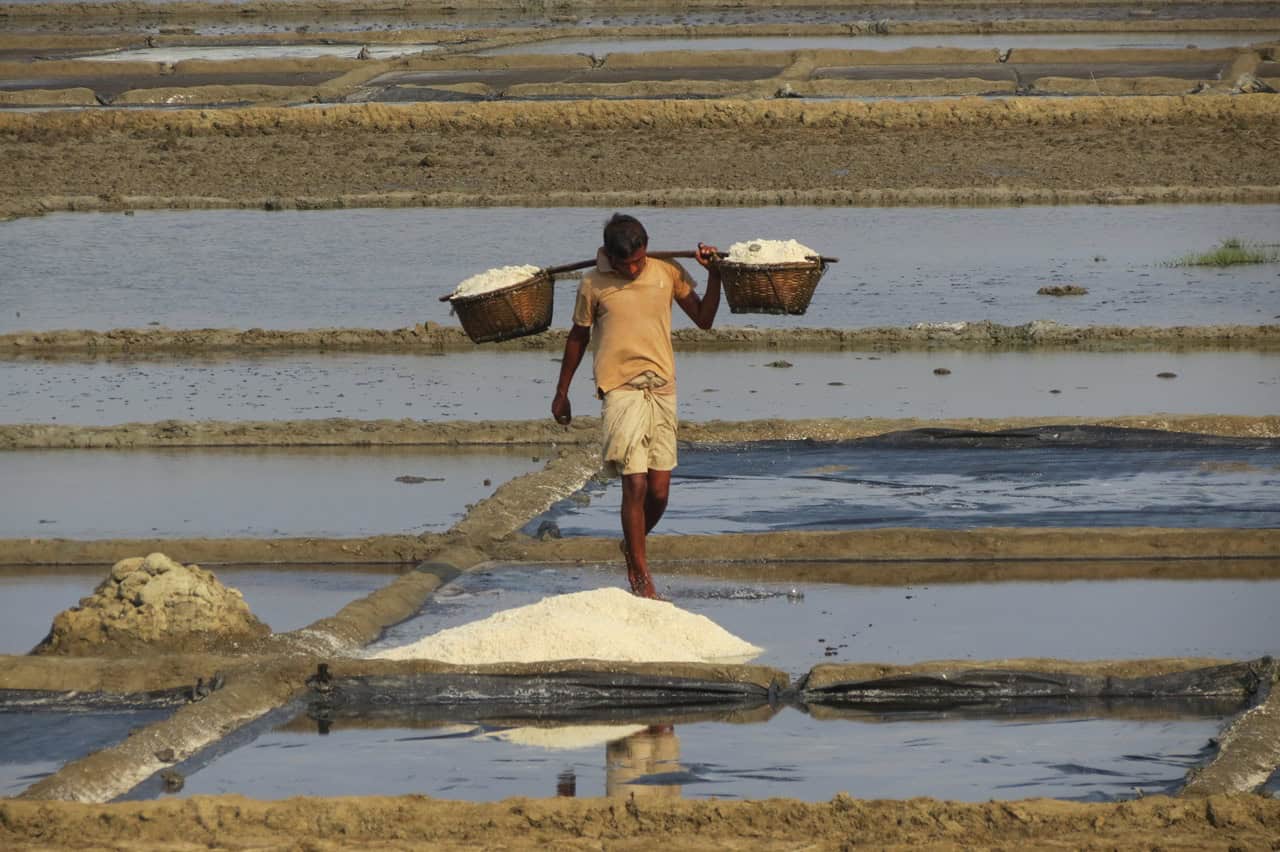
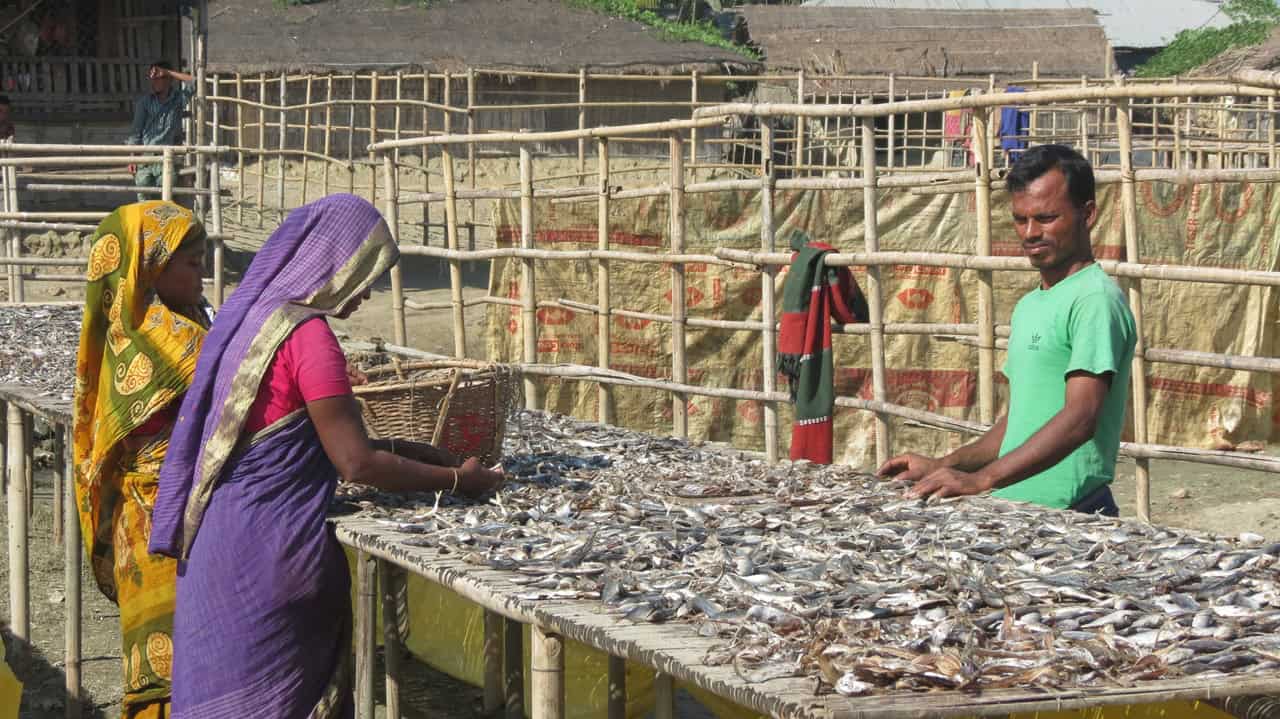

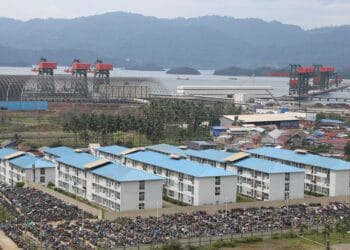
Many displaced people make a living pulling rickshaws, working in factories, construction and transport, labouring in brick kilns, or taking on casual, daily-wage jobs. As Bangladesh moves towards a lower-carbon economy, stricter environmental regulations, the modernisation of carbon-intensive industries and the growing use of automation could disrupt these livelihoods. Without adequate safeguards, alternative employment opportunities and support for workers to adapt, climate-displaced people and others dependent on these sectors risk being further marginalised in the transition.
A Just Transition Matters
According to the ‘Bangladesh Labour Force Survey 2022’, 84.9 percent of the country’s total workforce is employed in the informal sector, which sustains the livelihoods of approximately 60 million people. Among working women in the country, 96.6 percent are employed in the informal sector; similarly, 92.7 percent of young people aged 15 to 27 are engaged in informal employment.

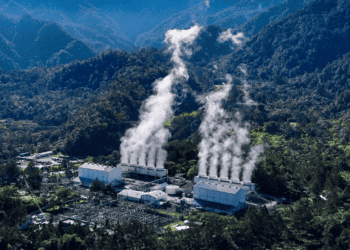
The transition towards renewable energy, alongside the growing adoption of automation, could significantly reshape Bangladesh’s industrial landscape, putting the livelihoods of workers in carbon-intensive and labour-intensive sectors at risk. This challenge is particularly evident in the Ready-Made Garment (RMG) sector, where international buyers are increasingly demanding lower-carbon production processes. In response, factories are investing in new technologies and automation to improve efficiency, reduce costs and remain competitive. While these changes may strengthen the industry’s position in global markets, they may also reduce demand for certain categories of workers, particularly those in lower-skilled roles.
According to a recent report, approximately 30 percent of factory-level workers lost their jobs in 2023 as a result of these changes. Women, including workers like Shahana Begum, are particularly vulnerable because they are disproportionately employed in labour-intensive roles, such as sewing, where tasks are increasingly being automated.
Against this backdrop, ensuring a just transition in Bangladesh will require more than shifting towards cleaner production. It must also address the needs of workers whose livelihoods are threatened by industrial transformation, including through better social protection, opportunities for skills development and support for alternative employment.
Ahead of COP31, Bangladesh has unveiled a US$1.85 billion ‘Just Transition’ plan, outlining 69 actions across six sectors: energy, transport, construction, agriculture, waste management, and industry. Developed through consultations involving around 140 organisations and more than 200 individuals, including workers’ and employers’ associations, trade unions and civil society groups, the plan aims to translate the country’s just transition commitments into concrete action.
An Effective Framework
Bangladesh is the first country in Asia to undertake a ‘Just Transition’ initiative, led by its government and social partners with technical support from the International Labour Organization (ILO). Despite its vulnerability to climate change and the fact that around eight in ten workers are employed in the informal economy, the country has placed workers and their livelihoods at the centre of its climate planning.
“Bangladesh’s ‘Just Transition’ plan is a significant policy initiative. However, its ultimate success will depend on effective implementation. Key considerations include the extent to which funding is secured and the degree to which the benefits of this transition reach workers, young people, and populations vulnerable to climate change,” said Sohanur Rahman, Executive Coordinator of YouthNet Global.
He also stressed the importance of clear funding arrangements for the initiative, saying: “There must be transparency regarding…what portion of the funding will come as grants, how much will be sourced through loans or private investment, and the timeline for when these funds will become available.”
Elisa Benistant Fremigacci, Technical Officer for Just Transition at the International Labour Organization (ILO) Country Office for Bangladesh, highlights the role of a new multi-stakeholder platform called ‘Sobuj Shomonnoy’ (Green Coordination).
“Currently, the country has a multi-stakeholder platform called ‘Sobuj Shomonnoy’, which brings together industry owners, workers, representatives from the financial sector, and civil society. Its goal is to reduce carbon emissions in the textile and construction industries, as well as among Small and Medium-sized Enterprises, with workers placed at the very centre of this entire process,” she explains.
Overcoming the Challenges
Fremigacci points to several structural barriers that could undermine Bangladesh’s Just Transition ambitions. Workers in the informal economy remain largely invisible to formal labour institutions, while access to the financing needed to support greener industrial production remains uncertain. Smaller enterprises, which make up much of the country’s industrial base, often lack the financial capacity to invest in environmentally friendly machinery. Limited banking expertise in assessing green investments and difficulties coordinating policies across ministries add further challenges.
The social implications are particularly significant in the garment industry, where women workers face heightened risks as production processes become increasingly automated. Fremigacci warns that women, particularly those employed as operators and helpers, are often the first to lose their jobs. She points to a decline in women’s share of the garment workforce, from 80 percent to below 60 percent, as production processes have modernised.
“It is essential to ensure that skills-development training actually leads to genuine employment opportunities,” she stresses. A Just Transition, she argues, should aim to reverse this decline rather than accelerate it.
Azad Abul Kalam, Manager of Just Energy Transition at ActionAid Bangladesh, identifies the lack of a formal national framework, continued reliance on fossil fuels, limited access to finance and technology, and weak institutional coordination as key barriers to a just transition. He also highlights the limited involvement of workers, local communities and vulnerable groups in energy planning.
“Bangladesh needs to adopt a national policy or framework for a ‘just transition’,” he argues. Such a framework, he says, should prioritise renewable energy without compromising agricultural land, decent employment and skills development, stronger social protection, and meaningful participation from local communities.
Rahman remarks that the transition “is not merely about transforming energy and industry; it is a matter of safeguarding the livelihoods, rights, and futures of all people—including farmers, fishers, workers, and the youth.”
Opportunities at COP31
As COP31 approaches, Bangladesh has an opportunity to turn its just transition ambitions into an actionable agenda, backed by concrete initiatives and clear institutional responsibilities that stakeholders believe could help unlock much-needed financing.
Speaking at the dialogue, Mohammad Navid Safiullah, Additional Secretary at the Ministry of Environment, Forest and Climate Change, emphasized that “our journey toward a low-carbon economy must be a ‘just transition’—one that safeguards workers, populations vulnerable to climate change, and sectors adversely affected by the shift.”
This government commitment offers a glimmer of hope to individuals like Shahana Begum, whose livelihoods are currently at risk.
Reflecting on this, Shahana Begum remarked, “Let change come, and help us adapt to it—but please, ensure we don’t lose our jobs. Losing our work would only deepen the crisis surrounding our livelihoods.”