
This story was originally published by Grist. Sign up for Grist’s weekly newsletter here.
In an election dominated by concerns about affordability, voters across the United States overwhelmingly agreed to raise taxes to preserve or expand public transit.
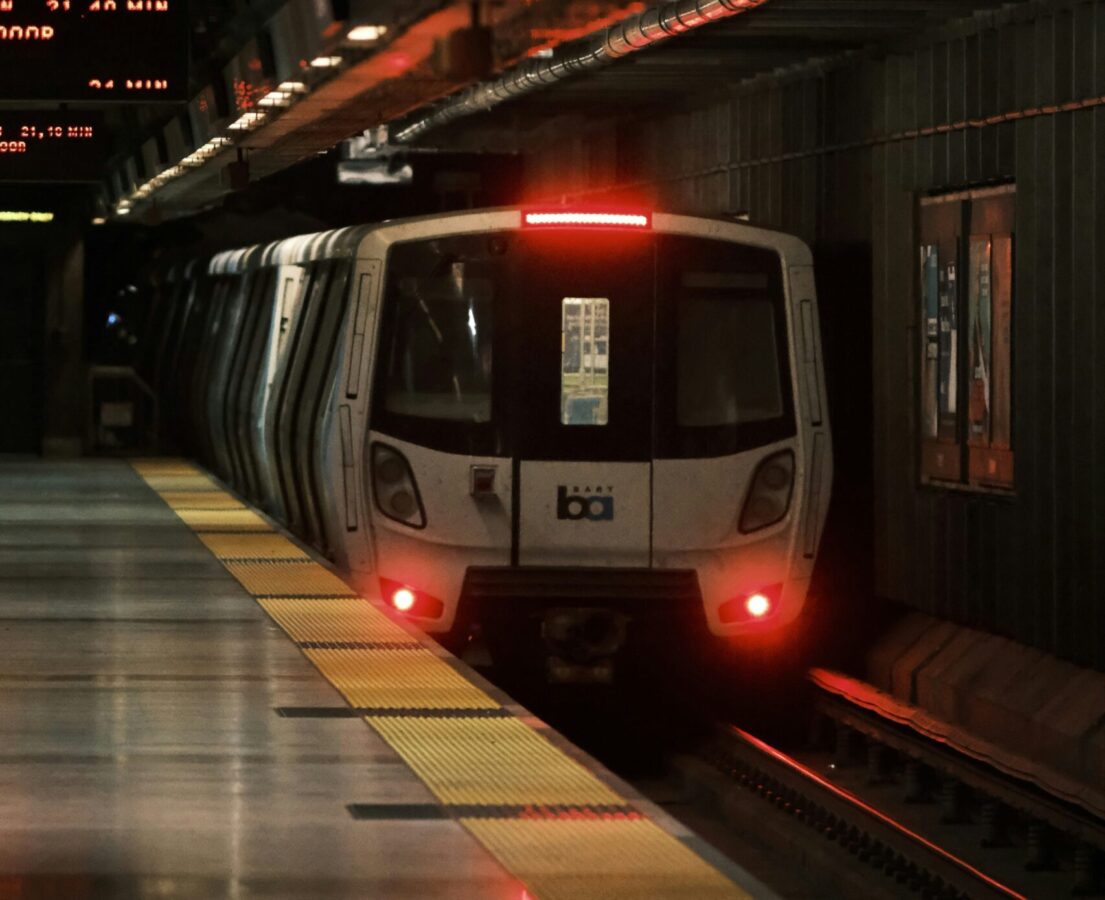
Out of 27 ballot measures supporting transit, 22 passed on November 3, representing $27.4 billion in funding to rescue faltering systems and expand or build new ones. Some of the biggest wins of the night included voters in the San Francisco Bay Area staving off enormous cuts to Bay Area Rapid Transit and other regional systems, Coloradans backing new regional rail, and residents of Seattle and nearby Pierce County favoring expanded bus service.
“It’s an indication that the public is willing to pay for these public transit improvements,” said Sohail Husain, a policy analyst at the Eno Center for Transportation. “That’s very telling –– especially in a world like today where people are concerned about affordability. I think people are still also concerned about mobility and having options to move.”
Public transit has now fared well in the red wave of 2024 — when 19 out of 25 measures supporting transit passed — and this year’s blue wave. Although few candidates campaigned on the issue, the results could significantly alter policy. At the state level, transit advocates see opportunities to advance projects or simply get the government out of the way. Meanwhile, a Democratic majority in Congress will shape a major transportation infrastructure law that is up for renewal. Together, the results could remake how Americans get around.
States have broad discretion to fund transportation as they see fit, which is why Democratic wins in red states and Democratic control of the governorship and both legislative chambers in 22 states have many public transit advocates excited about what comes next.
Pennsylvania is one of those states. It has endured a bitter battle over the finances of the Southeastern Pennsylvania Transportation Authority, which serves the Philadelphia area. When the agency faced 45 percent service cuts last year, Governor Josh Shapiro directed the state Department of Transportation to allow the agency to shift nearly $400 million from its capital to operational budget. He also made another $220 million available to the system.

Now, with Democrats taking control of both chambers of the state legislature, transit advocates say SEPTA can look beyond self-preservation. Stephen Bronskill of Transit Forward Philadelphia pointed to projects including trolley modernization, new fleets to replace vehicles from the 1970s, more frequent regional rail service, and fully accessible stations.
“This is a once-in-a-generation moment to invest in public transit. Safe, reliable, accessible transit that Philly needs, but all of Pennsylvania deserves,” he said.
The prospects are less straightforward in Texas, where Republicans still control the Senate. Jay Blazek Crossley, executive director of Farm&City, a nonprofit focused in part on road safety, has spent more than a decade trying to nudge GOP lawmakers toward less violent and less polluting transportation options. Every legislative session has seen him unsuccessfully push legislation that would make it easier for cities to reduce speed limits on residential streets. He sees new hope for that measure and, more broadly, a future that might include additional public transit funding, which accounts for just 0.72 percent of the transportation department’s budget. State Republicans have generally been more interested in moving more cars more quickly, primarily by building bigger highways, while pushing back against some city-led public transit efforts.
“At the very least, the state, I believe, will get out of the way on things like building good light rail and transit,” he said.
There’s hope for bigger projects too. State Representative John Bucy III has again filed legislation directing the Texas Department of Transportation to find a public-private partnership for a high-speed rail line linking Dallas and San Antonio. He believes the bill will appeal to lawmakers whose constituents would benefit from an alternative to driving on the heavily congested Interstate 35 corridor.
“I think the voters spoke loud and clear that they want a Texas government that is going to work on kitchen table issues,” he said. “I think that’s healthcare, education. It’s also mobility and transit, and how do we get around this big, vast state?”
Georgia is another state where Democrats took the governorship and flipped the House, but Republicans still control the Senate. That could be a challenge for Governor-elect Keisha Lance Bottoms, who has called for dedicated state funding for the Metropolitan Atlanta Rapid Transit Authority and other systems that have historically relied heavily on local and federal support.
The election could have even greater implications at the federal level, where Congress must soon decide how much spending to allocate to transit and passenger rail. The BUILD America 250 Act passed out of a key House commitee with bipartisan support in May, but left public transit advocates concerned about funding cuts. With Democrats taking control of Congress, the legislation is likely to look different. Representative Jerry Nadler of New York, the lone Democrat on the committee to oppose advancing the legislation, sees an opportunity to change its direction.
“Unlike the current Republican proposal, next year’s bill should not prioritize one mode of transportation at the expense of others. This bill must make robust investments in rail and public transit, to connect communities, create good-paying jobs, lower transportation costs for families, and reduce the cost of moving goods across the country,” he said in a statement.
But rewriting the bill won’t necessarily happen quickly. Rebecca Higgins, the Eno Center for Transportation’s vice president of policy, said lawmakers will face some urgency because Congress is already relying on an extension to fund transportation. At the same time, she expects lawmakers to give their newly elected colleagues a chance to weigh in. One major question is what happens to money for intercity passenger rail that was included in the Infrastructure Investment and Jobs Act but dropped from BUILD America 250.
Whatever happens in Washington, the local and regional measures voters approved will have a more immediate impact. In the Bay Area, a 14-year regional sales tax is expected to raise about $1 billion annually to preserve service on BART and other systems that had been facing steep budget shortfalls. Colorado voters approved a 0.333 percent sales tax to build, operate, and maintain passenger rail connecting Pueblo and Colorado Springs with Denver and Fort Collins.
In Seattle, voters doubled an existing sales tax over the next decade, generating an additional $138 million per year largely for transit service. In nearby Pierce County, voters also approved a sales tax increase to expand bus service.
The Pierce County win is particularly notable because voters there hadn’t increased public transit investment since 2002, said Kirk Hovenkotter, the executive director of the Transportation Choices Coalition. The fast-growing region also faces an affordability crisis. The American Public Transportation Association estimates that relying on public transit rather than owning a car can save a household more than $14,000 annually.
Hovenkotter makes a similar argument about the costs facing residents of the Pacific Northweest. “The average cost of car ownership in Washington state is about $12,000,” he said. “The fastest way we can put $12,000 back in someone’s pocket is making it easier for them to live without a car or with one fewer car.”
The election results suggest that, for a wide swath of voters, transit funding isn’t competing with affordability concerns. It’s an answer to them.