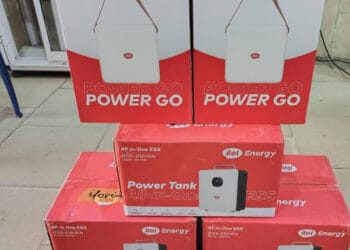

In downtown Mutare, eastern Zimbabwe, nearly every electrical shop is now well-stocked with solar equipment, ranging from solar panels to lithium batteries. Similar shops have appeared in various major cities across the country. Outside some of these electrical shops, shop assistants can be heard appealing to customers with their loud voices, punctuated by deafening music blaring from large speakers. They are selling everything solar, from panels to batteries, to solar water pumps and other solar accessories. They sell even household appliances that are compatible with solar systems. And their business is booming. Demand for solar equipment in Zimbabwe is roaring against the backdrop of a crippling and unending electricity crisis.
For decades, Zimbabwe has been largely dependent on hydroelectricity from the Kariba Dam, with up to 70 percent of the country’s electricity requirements met by the plant, and the remainder supplied by coal and other renewable energy sources. However, devastating droughts caused by climate change are making hydropower unreliable. At the moment, Zimbabwe is still smarting from a severe El Niño-induced drought—the worst in more than 40 years—which ravaged the Southern African countries, including Zambia, Malawi, Mozambique, and Namibia in 2024. At the height of the 2024 drought, the usable live storage water for power generation at Kariba Dam dropped to a paltry 2.41 percent. By December 2024, the Kariba Hydropower Station was generating only 124.5 MW per day, despite an installed capacity of 1,050 MW. Though electricity generation from Kariba Hydropower Station has increased to at least 400MW per day following a better rainfall season this year, Zimbabwe is still in the throes of an electricity crisis.
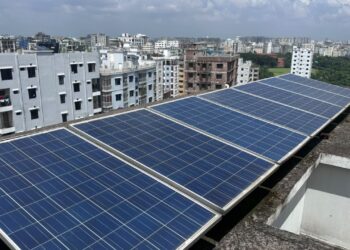
However, in the past few years, Zimbabwe has seen significant investments in solar energy, with a steady rise in the number of residential, commercial, and industrial installations. Experts say Zimbabwe’s solar market has grown by more than 50 percent in the past year. The upward trend is expected to continue, buoyed by the decline in the costs of solar equipment. For as low as US$1,000, a customer can install a decent 3.2 KVA rooftop solar system. Previously, Eddie Cross, a Zimbabwean energy expert, told The Energy Pioneer that the immediate boost to clean energy in the country “would be solar, but this requires funding on a large scale and leaves us with the problem of base load and storage – very expensive.” However, the prices of solar equipment have dropped considerably over the past year.
A significant reason for optimism is that Zimbabwe has steady sunlight with an average solar irradiation of 20 MJ per square metre per day and up to 3,000 hours of sunshine per year. Solar energy in Zimbabwe has the potential for small and large-scale deployment of grid-connected systems and off-grid systems in remote areas, according to the Zimbabwe Energy Regulatory Authority (ZERA).
“It’s now cheap to install a rooftop solar system, but it’s still very expensive to install a solar system that can power my welding business,” said Timothy Nezomba, a small-scale Zimbabwean entrepreneur.
And Nezomba added: “During electricity cuts, I use a diesel-powered generator which is very expensive to run.”
Though there is still little investment in solar energy at the national level, in 2019, the Zimbabwe government crafted the National Renewable Energy Policy (NREP), which aims to have an installed renewable capacity of 1,100MW, or 16.5 percent of the overall electricity supply in the country by the end of this year. By 2030, according to the same policy, the country aims to have an installed renewable energy capacity of 2,100 MW, or 26.5 percent of the overall electricity supply.

Unfortunately, the booming solar energy in Zimbabwe has been dogged by the proliferation of fake, substandard, or refurbished equipment, mostly from China, sold as new on the market. Currently, the Standards Association of Zimbabwe (SAZ) monitors the quality of solar products through a voluntary Product Mark Certification Scheme; however, few suppliers of solar products are willing to undergo the process of quality checking for their products.
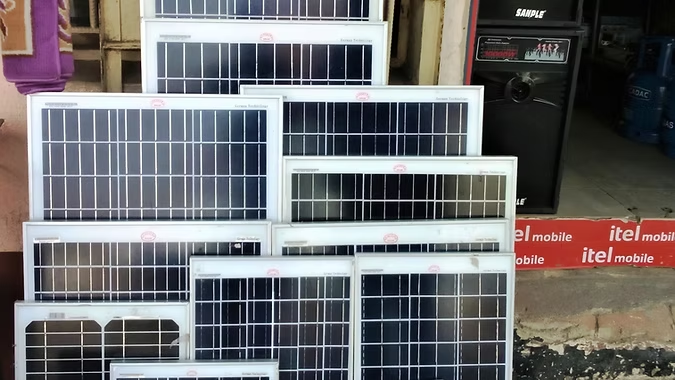
However, late last year, the Zimbabwe Energy Regulatory Authority informed local media that it was conducting on-site inspections to identify and remove counterfeit solar products from the market. The regulatory authority said the initiative aimed to ensure that only genuine and reliable solar products were sold to consumers. At the same time, Zimbabwe Energy Regulatory Authority senior engineer Man’arai Ndovorwi was quoted as saying three to four lives were lost in a month due to fake solar products and bad installations.
“We lose about three to four people every month due to bad installations, and we have heard a lot of complaints coming from the market in terms of people being sold fake products, as well as poor quality of products,” Ndovorwi said.
While households in Zimbabwe have embraced rooftop solar systems, the government remains unenthusiastic about investing in large national solar projects. Instead, Zimbabwe President Emmerson Mnangagwa’s government is investing more in coal-fired thermal plants. Late last year, President Mnangagwa launched the construction of a new 720MW coal-fired thermal power plant in the Hwange area. A private company is developing the US$1 billion project in partnership with the Zimbabwe Electricity Supply Authority (ZESA).
Some of the units for the new thermal plant are expected to be operational by the end of this year.
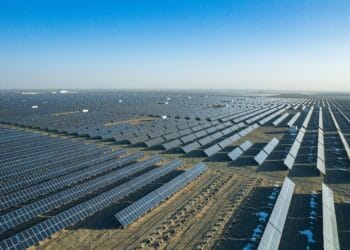
However, Zimplats—a private company and major producer of platinum group of metals in Zimbabwe— has invested US$27 million in a 35MW solar project, which is part of the company’s initiative to enhance and improve grid supply. Similarly, a U.K.-funded solar project spearheaded by the UNDP Zimbabwe and other partners has delivered a 200kW solar microgrid system in the Chipinge district, near the border with Mozambique. The US$614,000 solar project is part of the broader US$13.6 million Climate Change Adaptation Water and Energy Programme, meant to help rural communities adapt and build resilience against the devastating impacts of climate change. However, a proposed 100MW government solar project in the Gwanda area of Zimbabwe’s Matabeleland South Province has been plagued by allegations of corruption, which have stalled the project for over 10 years.
Regarding why the Zimbabwe government appears uninterested in investing in large solar projects in the country, energy expert Eddie Cross cited funding as the major challenge. “Solar is capital intensive and requires financing over 10 to 12 years at a reasonable interest rate, or it is too expensive. It must also have the capacity to balance the grid when it is available in any quantity,” Cross said.
Cross, however, added that two solar projects were underway; one at Kwekwe and the other at Kariba for 600 megawatts. “We have 26 [solar projects] planned,” said Cross, a former legislator and advisor to the Reserve Bank of Zimbabwe.
However, with international financing for coal-fired thermal plants drying up, it remains to be seen whether the Zimbabwean government will shift its investment towards solar energy. For now, it is boom time for rooftop solar systems.