
The Energy Pioneer
No Result
View All Result
  • Home
  • Clean Tech
  • Renewable Energy
  • Green Finance
    • Crash Course
    • Private Financing
    • Public Financing
    • Carbon Markets
  • Policy
  • Regions
    • Africa
    • Asia
    • West Asia
    • Latin America
    • North America
    • Europe
  • Features
  • Who We Are
    • About Us
    • Contact Us
    • EP Investing
  • Home
  • Clean Tech
  • Renewable Energy
  • Green Finance
    • Crash Course
    • Private Financing
    • Public Financing
    • Carbon Markets
  • Policy
  • Regions
    • Africa
    • Asia
    • West Asia
    • Latin America
    • North America
    • Europe
  • Features
  • Who We Are
    • About Us
    • Contact Us
    • EP Investing
No Result
View All Result
The Energy Pioneer
No Result
View All Result
  • Home
  • Clean Tech
  • Green Finance
  • Policy
  • Renewable Energy
  • Regions
  • Features
  • Who We Are
Home Renewable Energy Fossil Fuels

88% Renewable, 100% Confused: Brazil’s Coal Problem

Op-ed

byFeatured Expert: João Cerqueira
July 13, 2026
Reading Time: 3 mins read
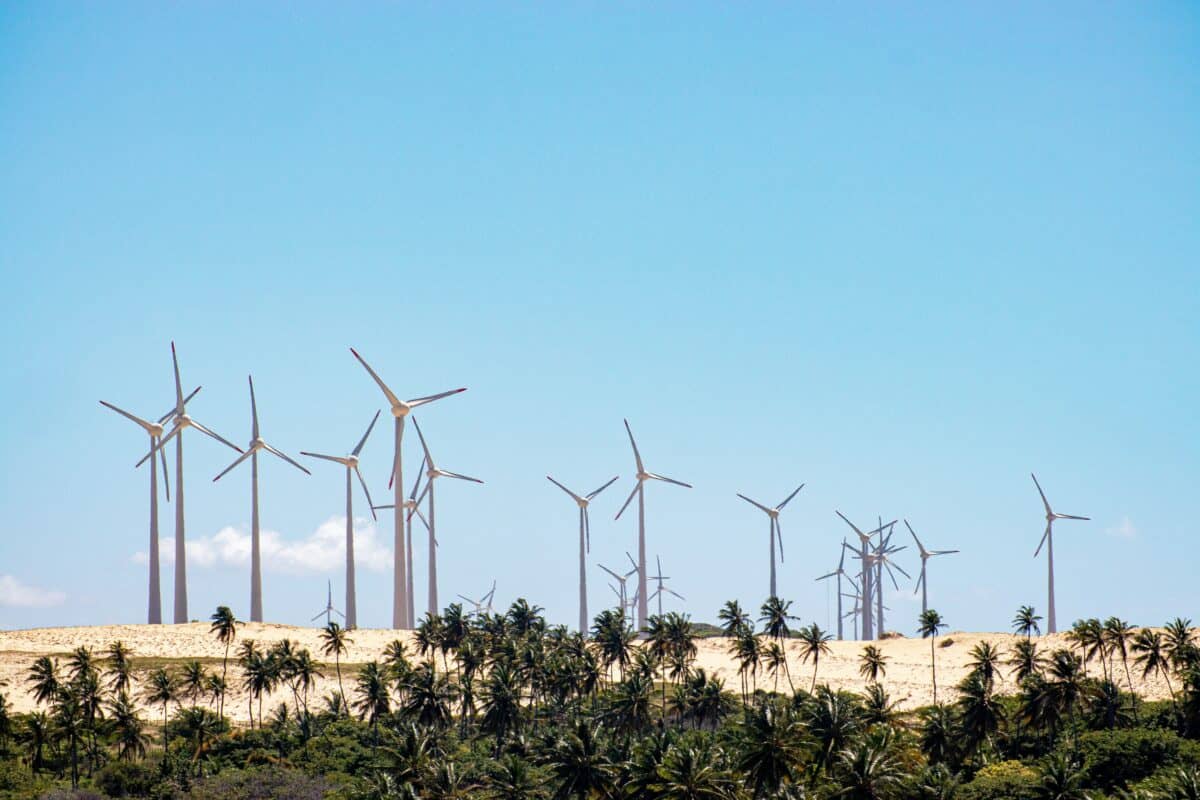
Wind farm, Morro Branco, Beberibe, State of Ceará, Brazil-Photo by Vitor Paladini on Unsplash

Brazil has one of the most extraordinary renewable energy potentials on the planet. We have thousands of kilometers of coastline for offshore wind, some of the highest solar irradiation levels in the world, and a hydroelectric system that has anchored our grid for decades. According to the 2025 National Energy Balance (BEN 2025), our electricity matrix is already 88.2% renewable – hydro, wind, solar and biomass combined. Few countries on Earth can already claim anything close to that. We are, by almost any measure, a global leader in clean energy.

RELATED POSTS

The Rockefeller Foundation’s Catalytic Capital: Turning Early Investments into Lasting Energy Impact

How Javier Milei’s Cuts Are Reshaping Argentina’s Environmental Institutions

The Power of Commitment: How Government Investment Accelerated Electrification in Tanzania

And yet we keep paying for coal.

Here’s the part that should make every Brazilian furious: coal is not just dirty, it’s expensive. While generating electricity from wind, solar and hydro power costs roughly R$400 per megawatt-hour, electricity from thermal plants, which burn coal, gas or oil, can cost more than R$700 per megawatt-hour. 

From the team behind The Energy Pioneer — EP Network is where the energy transition connects.

Explore →

We are sitting on some of the cheapest clean energy resources in the world, and government policy keeps propping up the most expensive, most polluting option instead.

This shows up directly on our electricity bills through Brazil’s tariff flag system (bandeiras tarifárias). When hydro reservoirs run low and expensive thermal plants have to be switched on to cover the gap, the National Energy Agency (ANEEL) raises the flag to yellow or red. Under a yellow flag, consumers pay a surcharge, currently around R$1.88 for every 100 kWh consumed. This is specifically to cover the cost of running coal and gas plants. In 2021, during the worst drought in 91 years, that surcharge hit R$14.20 per 100 kWh and stayed in place for eight months straight, hitting those most vulnerable the hardest, and eating up a good portion of household budgets.   

A Vicious Circle
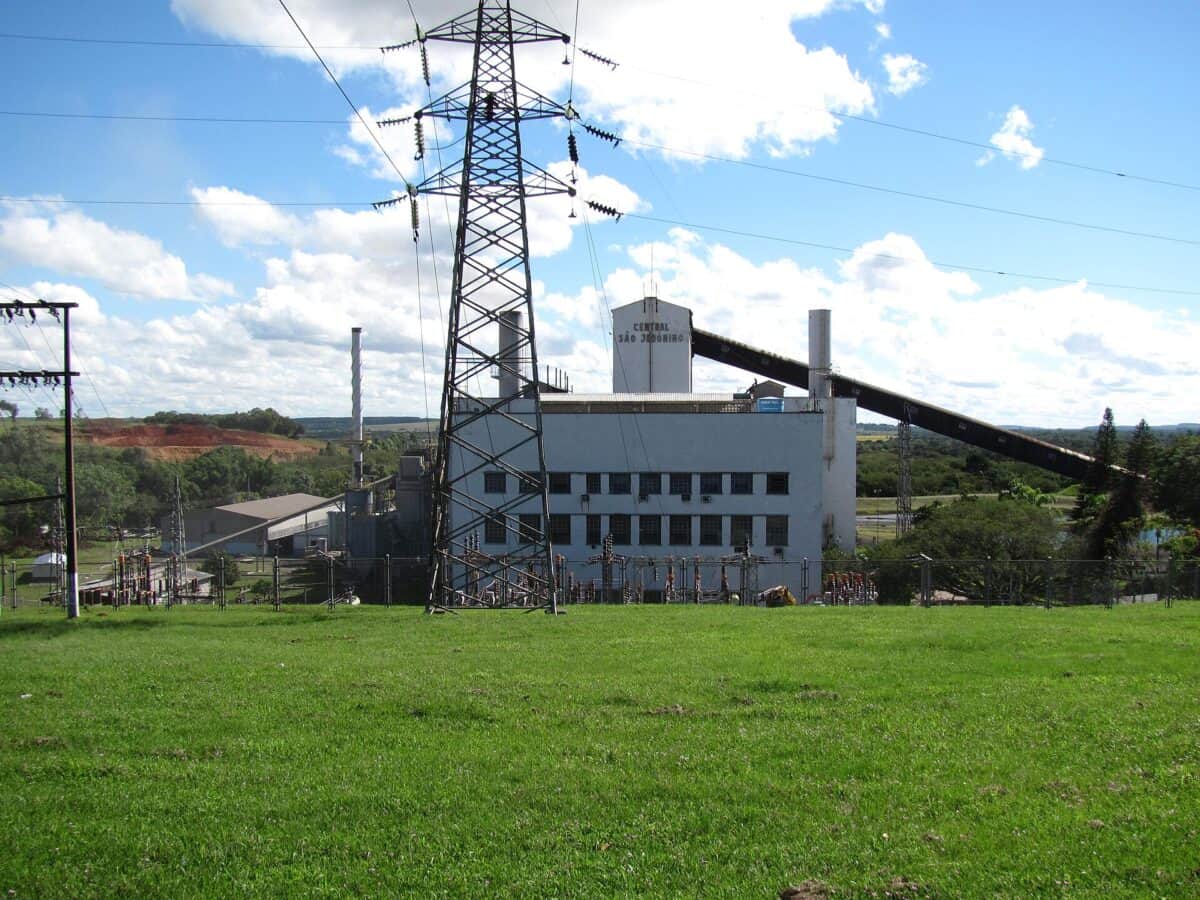
São Jerônimo Thermal Power Station-Photo by Paulo RS Menezes

The droughts that trigger red or “water scarcity” flags and force coal plants back online are worsened by the same fossil fuel emissions that drive climate change. Coal combustion releases greenhouse gases that contribute to the extreme lack of rainfall affecting river basins and reservoirs. Brazilians are paying a premium for coal-generated electricity because of a climate crisis that coal itself is helping to intensify. It is, quite literally, a system that perpetuates its own dependence.

Buy JNews
ADVERTISEMENT

This isn’t incompetence. It’s a choice shaped by relentless fossil fuel lobbying.Even the Ministry of Mines and Energy’s National Energy Transition Plan projects that coal and gas will remain at current levels until 2055. In 2025, Congress renewed coal subsidies until 2040, with little resistance from the government. 

We are a clean energy champion, yet we are contractually committed to subsidizing fossil fuels for the next 16 years. Electricity bills are expected to rise almost 8% this year, well above inflation, and the higher cost of thermal generation is a direct driver of that increase.

These subsidies are not free money; their costs are ultimately passed on to consumers through electricity bills, alongside the red flag surcharges. Brazilians are paying twice for a system that’s already mostly renewable: once through general subsidies to keep zombie coal plants alive, and again through emergency surcharges when those same plants get switched on. We pay, they profit.

We Need to Vote the Contradiction Out

Brazil has proven that clean energy can work at scale. We have already built a power system in which renewables account for 88.2% of the energy mix, with generation costs far lower than fossil fuel alternatives. Instead of being a global model for transition, we’re paying a premium to keep alive the very fuels we’re supposed to be abandoning, while those same fuels intensify the droughts that make coal even more difficult to justify.

Activists protested in front of Congress with a big “expensive and dirty” electricity bill in front of the National Congress in Brazil, demanding cleaner, cheaper energy from candidates- Photo by Jhaimes Sousa

This is happening against an international backdrop of accelerating pressure. In late April of this year, 57 countries gathered in Santa Marta, Colombia, for the first conference dedicated exclusively to planning the end of fossil fuels. The summit was notable for including Indigenous peoples, unions, youth, Afro-descendant communities and activists as active participants in the discussions, with their demands reflected in the final declaration. It marked a structural shift in how climate decisions get made. The world is moving to plan an exit from fossil fuels, while Brazil is locking in coal and gas through to 2055.

With Brazil’s national elections approaching in October 2026, pressure to move away from expensive, polluting fossil fuels needs to reach the ballot box. The choice for candidates is clear: keep propping up uneconomic coal plants that deepen the very climate risks used to justify them, or invest in the renewable future Brazilians have already built and deserve.

Finished the story? Meet the people behind it.

EP Network is where energy journalists, investors, companies, and clean energy leaders connect.

Join EP Network →
Tags: BrazilBrazil electionCoalCoal dependenceFossil Fuel SubsidiesGovernment subsidiesPower PlantrenewablesTarrif flag systemtaxes
ShareTweetShare
Featured Expert: João Cerqueira

Featured Expert: João Cerqueira

João Cerqueira is an environmental engineer with specializations in Public Management and Public Policy, currently leading 350.org's programe in Brazil. He is also the co-founder of the Climate Policy Institute and has been working in policy advocacy and campaigns in Brazil for many years, in organizations such as Engajamundo, Amnesty International, and ISPN.

Related Posts

The Rockefeller Foundation’s Catalytic Capital: Turning Early Investments into Lasting Energy Impact
Private Financing

The Rockefeller Foundation’s Catalytic Capital: Turning Early Investments into Lasting Energy Impact

July 10, 2026
How Javier Milei’s Cuts Are Reshaping Argentina’s Environmental Institutions
Policy

How Javier Milei’s Cuts Are Reshaping Argentina’s Environmental Institutions

July 9, 2026
The Power of Commitment: How Government Investment Accelerated Electrification in Tanzania
Public Financing

The Power of Commitment: How Government Investment Accelerated Electrification in Tanzania

July 8, 2026
Reforming Government Fossil Fuel Subsidies
Public Financing

Reforming Government Fossil Fuel Subsidies

July 6, 2026
Iran Exposes the US’s Achilles’ Heel: Oil
Features

Iran Exposes the US’s Achilles’ Heel: Oil

July 1, 2026
Scaling Mediterranean Impact: Morocco and Egypt Highlight Real-World Solutions at MedProgramme Meeting
Policy

Scaling Mediterranean Impact: Morocco and Egypt Highlight Real-World Solutions at MedProgramme Meeting

June 30, 2026

Popular Stories

  • The Race to Host AI: Data Centres in Water-Scarce India

    The Race to Host AI: Data Centres in Water-Scarce India

    0 shares
    Share 0 Tweet 0
  • Vietnam’s Oil Buffer Faces Pressure as the Iran War Disrupts Global Oil Flows

    0 shares
    Share 0 Tweet 0
  • Caught Between India’s Military Ambitions and Green Promises: The Future of the Andaman and Nicobar Islands

    0 shares
    Share 0 Tweet 0
  • The Philippines’ Nuclear Gamble

    0 shares
    Share 0 Tweet 0
  • South Sudan’s Missed Opportunity: Untapped Renewables Leave Millions in the Dark

    0 shares
    Share 0 Tweet 0

Actionable Info

From The Energy Pioneer

Where the energy transition connects.

Journalists, investors, companies, and clean energy leaders — all in one network.

Explore EP Network →

The Energy Pioneer

The Energy Pioneer covers the global energy transition — from clean tech and green finance to policy and renewable energy.

Recent Posts

  • 88% Renewable, 100% Confused: Brazil’s Coal Problem
  • The Rockefeller Foundation’s Catalytic Capital: Turning Early Investments into Lasting Energy Impact
  • How Javier Milei’s Cuts Are Reshaping Argentina’s Environmental Institutions

Quick Links

  • Home
  • Clean Tech
  • Renewable Energy
  • Green Finance
  • Policy
  • Regions
  • Features
  • Who We Are

© 2026 The Energy Pioneer | All Rights Reserved. |

From The Energy Pioneer

You read about the energy transition. EP Network connects you to it.

Join the network of journalists, investors, companies, and professionals building the clean energy future.

No thanks
Please enter a valid email.
You're in. We'll be in touch soon.
No Result
View All Result
  • Home
  • Clean Tech
    • Electric Vehicles
    • Energy Efficiency
    • Green Hydrogen
    • Smart Grid
    • Battery Storage
  • Green Finance
    • Public Financing
    • Private Financing
    • Carbon Markets
  • Policy
  • Renewable Energy
    • Wind
    • Solar
    • Hydropower
    • Nuclear
    • Hydrogen
    • Fossil Fuels
    • Geothermal
  • Regions
    • Africa
    • Asia
    • Europe
    • North America
    • Latin America
    • West Asia
  • Features
  • Who We Are
    • About Us
    • EP Investing
    • Contact Us

© 2026 The Energy Pioneer | All Rights Reserved. |