

Q: Despite the falling cost of renewable energy in recent years, fossil fuel companies across much of the world continue to receive large government subsidies that keep them price competitive. What needs to be done to reduce fossil fuel subsidies globally?
A: The world’s biggest energy consuming nations first pledged to phase out fossil fuel subsidies nearly 20 years ago, at the 2009 G20 summit. In 2015, a target to end harmful fossil subsidies by 2030 was adopted by all governments as part of the Sustainable Development Goals. Yet taxpayer handouts to the fossil industry have been going up rather than down, surging past one trillion dollars in explicit subsidies in 2022 and 2023, with every chance they will again exceed that level this year.
Fossil subsidies are economically and environmentally disastrous. Imagine if, instead of slapping higher taxes on alcohol and cigarettes because of the damage they do to public health, we encouraged sales and profitability of these products with tax breaks and subsidised low prices. It’s exactly the same with oil, gas and coal companies: we are incentivizing them to poison the air, the water and the climate. And, when it comes to helping energy-stressed households, the International Monetary Fund (IMF) research shows that only 8 cents in every dollar that governments spend on consumer fossil subsidies reach the poorest 20%.
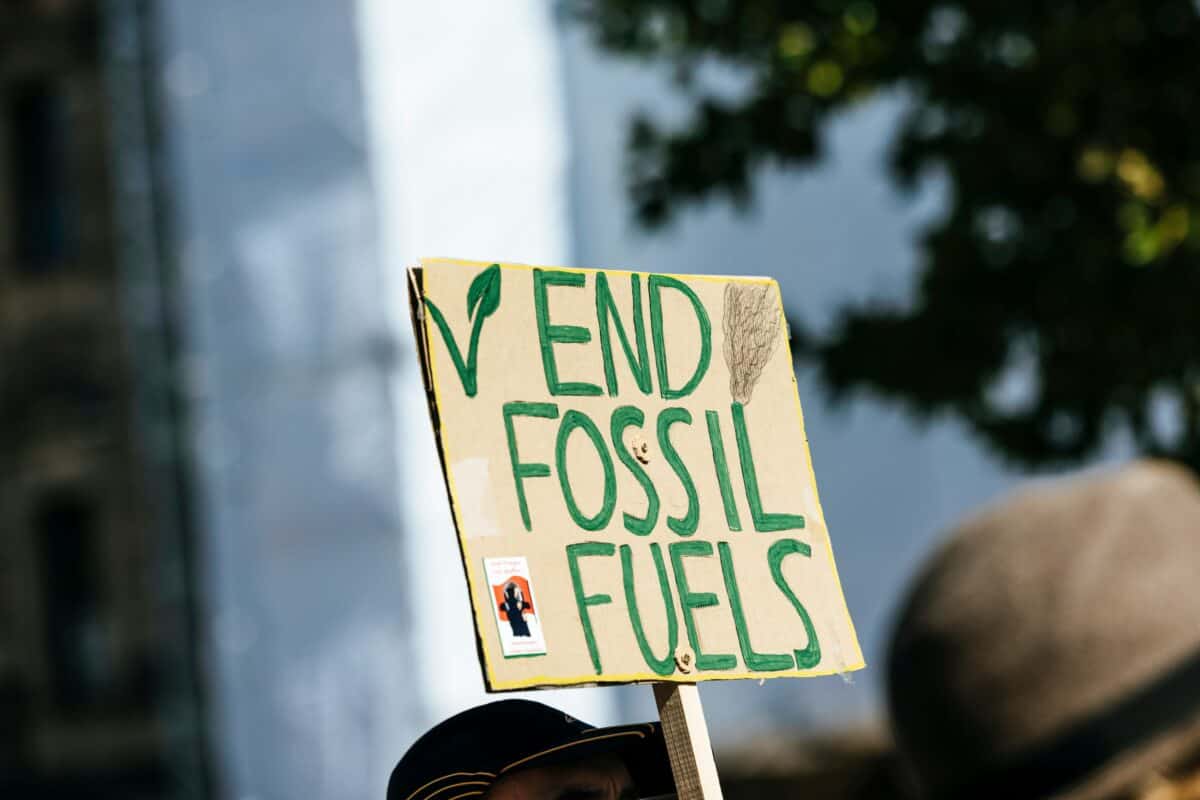
The fact that subsidies keep going up despite their obvious economic irrationality and the many pledges to end them is a function of backroom politics, not logic. So the first thing we need to do is to make these wasteful subsidies visible to voters, and put forward a practical alternative. At 350, our Out of Pocket campaign exposes how fossil fuels are costing us three times over: once through high energy bills, a second time through extreme weather and pollution, and a third time through these hidden taxpayer giveaways that end up in the pockets of billionaires. We’re also showing how redirecting fossil subsidies to renewables – especially to distributed solutions for lower-income households and struggling small businesses – could end energy poverty for good.
The second thing we need to do is to delegitimise the myth that Big Oil’s super-profits are a normal and natural result of market forces. The Hormuz crisis has opened a window for this – our research shows that as of June 18 an estimated $374bn has already been transferred from households and businesses to the oil and gas industry through higher prices. Based on pricing scenarios of the IMF, even with the Strait of Hormuz open, 350.org calculates that over $700bn ($667.2 bn- $702.3bn) will be siphoned from businesses and households to the oil and gas industry due to continued elevated prices by the end of the year.
In late April we started a campaign for permanent excess profits taxes on fossil fuel companies to support vulnerable families and accelerate renewables, backed by over 150 organizations. This has been gaining considerable momentum and was recently championed by the UN Secretary General in his keynote speech during London Climate Action Week.
Third, we need to support the momentum to end fossil fuel production that came out of COP30 in Brazil and gained more ground recently at the Santa Marta conference in Colombia, with many governments supporting the idea of national and global roadmaps to transition away from fossil fuels, and a significant number even expressing their willingness to negotiate an international treaty for this purpose. The Santa Marta outcome document emphasises the need to phase out fossil fuel subsidies and redirect public funds toward renewable energy expansion. By incorporating this into a more comprehensive national roadmap and/or a binding legal instrument for fossil fuel phaseout, we can give pledges to end subsidies the political traction and enforceability that they have so far lacked.

Q: How does 350 combat utilities entrenched in fossil fuel reliance that have proven reticent to incorporate renewable projects into the power matrix?
A: Utilities don’t change because they want to. They change because they have to, and our job is to make sure they have to. That means working simultaneously on multiple levels: at the community level, building grassroots momentum for distributed solutions that break utilities’ stranglehold over people’s energy choices, such as community and rooftop solar or energy cooperatives; at the regulatory level, getting citizens involved in holding their utility accountable and changing rigged rules that favor fossil fuels; and at the political level, showing energy-stressed consumers and the politicians who want their votes that renewables are the cheaper, fairer alternative to spiking bills. In the UK, for example, 350 is supporting a popular campaign led by Fuel Poverty Action for every household to receive enough free, essential energy to stay safe and well, made possible by accelerating cheaper renewable generation, and ending fossil subsidies while taxing fossil companies’ excess profits.
Usually, citizens don’t even know who sets the rules about their energy bills and how they can influence them, so campaigning for transparency and participation is often a necessary starting point. One of our wins last year was helping to pass landmark legislation in the US state of Maryland to prevent utilities spending ratepayer funds on lobbying, and to require disclosure of how they vote in regional inter-utility bodies that decide on things like grid upgrades. In Georgia, non-partisan voter education by our sister organization 350 Action helped two pro-renewable energy candidates win seats on the state’s utility regulator, the Public Services Commission, for the first time.
Q: Climate finance continues to grow, but much of the research and development financing is skewed toward Europe, the United States, and China. What can be done to ensure an equitable distribution of climate tech and ensure widespread adoption outside of the previously mentioned markets?
A: The skew in climate finance toward Europe, the United States and China is not accidental, it reflects the same structural inequalities that produced the climate crisis in the first place. The communities that have contributed least to global emissions are receiving the least support to adapt, to build clean energy systems, and to access the technologies that might protect their futures. That is a profound injustice, and it will also make the transition slower and more costly for everyone.
What needs to change is both the quantity and the quality of climate finance flowing to the Global South.
Quantity: wealthy nations must meet and exceed their climate finance commitments, and that money must be grants, not loans that deepen the debt burdens of the countries least responsible for this crisis.
Quality: financing should not be directed toward large, centrally-controlled infrastructure that replicates colonial energy relationships, but instead toward distributed, locally-owned clean energy that builds genuine energy sovereignty. Loss and damage financing, which was finally agreed at COP28, must now be implemented at scale, with fossil fuel companies whose emissions have contributed to that damage helping to fund it. The Make Polluters Pay coalition exists precisely to unlock that accountability.
Q: What role do distributed energy resources, especially in rural communities, play in democratizing energy access and what policies can governments implement to accelerate their deployment?
A: Distributed renewable energy is vital not only for the 655 million people who lack any access to electricity at all, but also for the estimated 4 billion people in both industrialised and developing countries who live in energy poverty, lacking enough power for a dignified and productive life and frequently going into debt or going without meals to pay for energy. In many cases, distributed solutions are the fastest route to make electricity universally affordable and abundant. Plus, they further reduce poverty and inequality by keeping money and jobs circulating in local communities.
Skyrocketing global sales of solar panels and batteries since the Hormuz crisis started demonstrate that consumer appetite is no longer the barrier. But there’s still a great need for more supportive government policies. Establishing an enabling environment is a necessary starting point: whether that’s simplifying licensing and permitting, establishing feed-in tariffs, or providing fairer grid access. Governments and regulators need to treat distributed capacity as a core component of a stable, resilient energy system, not just an optional add-on.
For 350, the priority is policies that use distributed renewables to build a fairer energy system and help people escape poverty. Our energy affordability campaign, the Great Power Shift, is calling for proactive government support for distributed energy, especially for lower-income households and micro-enterprises. One-off grants and concessional financing for rooftop solar or neighborhood energy cooperatives allow vulnerable households and struggling businesses to acquire an asset that provides lasting energy independence. And, as India and Colombia are testing with their solar subsidy schemes, such programs can actually save governments money too, by replacing wasteful consumer subsidies on fossil fuels that drain the public purse year after year.
Q: During the Trump Administration, we have seen attacks on renewable energy, particularly offshore wind, as well as on carbon reporting and climate policies. What is the role of Non-governmental organizations such as 350 in continuing to develop climate policies even during turbulent administrations?
A: When a government retreats from climate commitments, the temptation is to treat that as a pause, to wait for a more favourable administration and pick up where things left off. 350 has never operated that way, and we won’t start now. Hostile administrations don’t create a gap in the work. They reveal where the work was never finished in the first place.
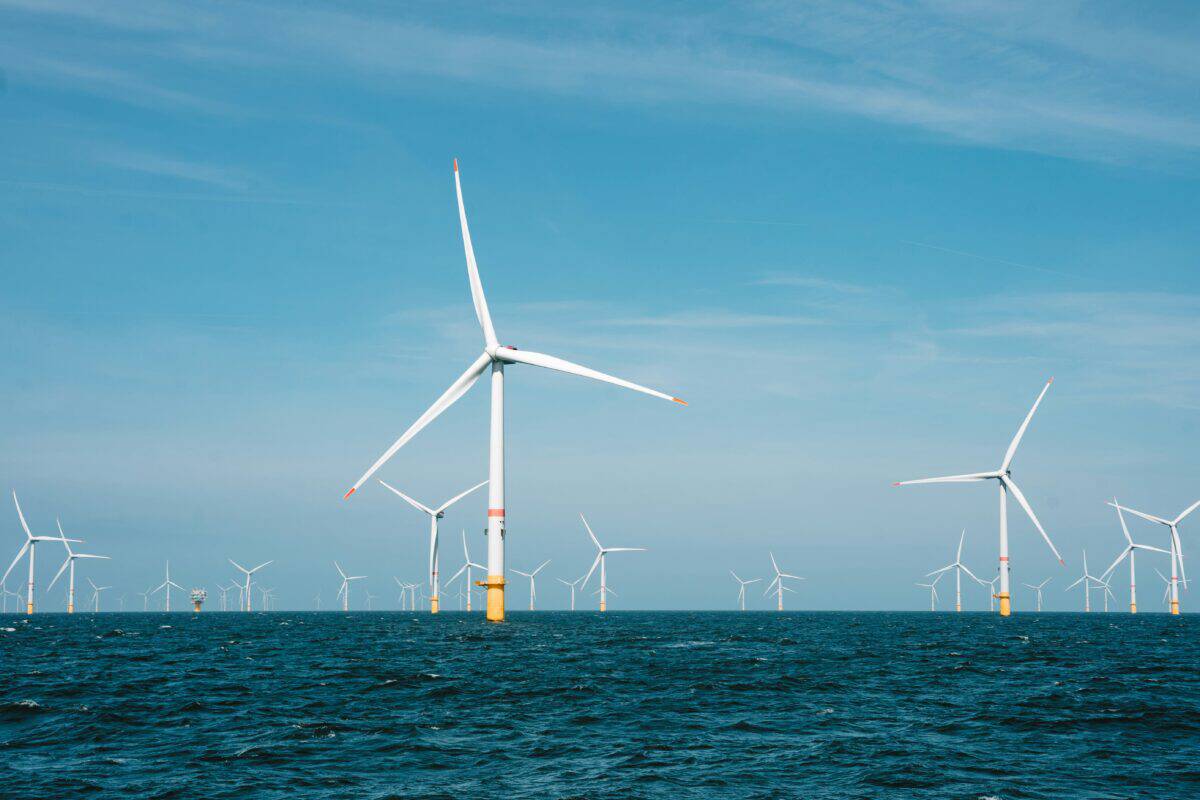
we have seen during the Trump administration, with attacks on offshore wind, rollbacks of carbon reporting, defunding of climate science and massive new subsidies for fossil fuels, is damaging, but it is not decisive. Because the energy transition is not primarily a federal project. It is happening in cities and states where renewable energy continues to grow, including Republican strongholds such as Texas and Florida. It is happening in boardrooms where investors have already concluded that fossil fuels are a declining asset, and in countries across the world that are moving quickly to secure their energy supplies and economic future against the geopolitical chaos we have seen over the past four months. Our role is to hold on to those gains, to build the political conditions that make backsliding harder, and to develop the policy architecture that the next generation of leaders can move quickly on to when the political window reopens. We also name what is happening clearly: the rollback of climate policy and resurgence of costly fossil projects in the United States is not to the benefit of the American people, as the administration claims. It is being driven by the vested interests of fossil fuel and AI companies, and the public deserves to know that. Making that visible, and building the public anger that follows, is part of our job too.
We work alongside frontline communities, scientists, youth movements, labour organisations and many others to demonstrate continued public support for ambitious climate action and affordable, healthy energy. We also support action at every level from cities and states to international institutions and financial actors because meaningful progress doesn’t depend on national governments alone.
History shows that durable climate progress is driven by organised public pressure. Our role is to help build that pressure, defend hard-won gains when they are threatened, and continue advocating for policies that are grounded in science, justice and human rights.