
Lesotho has made remarkable strides in expanding access to electricity over the past decade, but experts caution that the mountainous kingdom still faces significant hurdles in achieving universal energy access by 2030.
The World Bank said in a press statement issued in May that household electricity access in Lesotho had risen from 7 percent in 2004 to 59 percent in 2024. However, the country may still miss its 2030 universal access goal, as it is currently adding only about 4,000 new connections a year, far short of the more than 45,000 needed annually.
“Expanding access to reliable and sustainable electricity is critical to reducing energy poverty, improving household productivity, supporting micro, small, and medium enterprises growth, and strengthening essential social services. Expanding energy access contributes to the country’s broader development agenda,” said Retselisitsoe Matlanyane, Lesotho’s Minister of Finance and Development Planning, in the press statement.
Dinara Djoldosheva, World Bank Country Representative for Lesotho said the country possessed abundant renewable energy resources such as solar, wind, and hydropower, which have the potential to surpass Lesotho’s energy needs.
“Harnessing these resources into transformational energy sources will ensure that every Mosotho (a citizen of Lesotho) has access to power. This is a catalyst for job creation and private sector growth. The human cost of inadequate energy access falls disproportionately on women and girls and expanding electricity access will be an impactful intervention to reduce the energy burden in many households across Lesotho,” Djoldosheva says.
Yet despite this progress, researchers say reaching the remaining unelectrified communities will be considerably more difficult than connecting those already served.
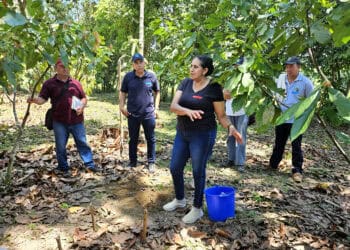
Dr Xavier Lemaire, senior research associate at the Institute for Sustainable Resources, University College London, whose recent study examined energy transition dynamics in the rural communities of Machaping and Mohlanapeng, believes Lesotho’s path toward universal access remains challenging under current trends.

“Lesotho’s electrification rate has made considerable progress, increasing according to official figures from 17 percent in 2010 to 57 percent in 2023,” Dr Lemaire tells The Energy Pioneer.
However, he adds that the pace of expansion will likely slow as the country moves into its most difficult phase of electrification.
“At the current rate of electrification, it seems unlikely that complete universal access can be achieved by 2030, notably because most of the places that remain to be electrified are very remote and up-scaling the mini-grids deployment is still a learning process,” he explains.
The challenge, according to Dr Lemaire, is no longer simply about extending power lines. Rather, it is about building the institutional and technical capacity required to deliver electricity to scattered rural communities through alternative solutions such as solar-powered mini-grids.
“To consolidate knowledge about scaling up off-grid electrification and put in place the appropriate institutions… should be a priority,” Dr Lemaire says.
For many energy experts, mini-grids powered by renewable energy represent one of the most promising pathways for connecting remote populations. But Lemaire warns that while the technology itself has matured significantly, the social and institutional dimensions remain unresolved.
“Mini-grids, notably with solar, are now becoming a mature technology,” he says. “But how to implement mini-grids in rural communities and how to consider social aspects of off-grid rural electrification is still a work in progress.”
The researcher argues that long-term success depends on more than installing infrastructure.
“How do we get communities involved on a long-term basis?” he asks. “How do we have institutions reactive enough to extend connections according to demography and the evolution of needs, while keeping electricity affordable in rural areas where levels of poverty are high?”
These questions are increasingly important as governments and development agencies across Africa invest heavily in decentralized renewable energy systems to reach populations that conventional grid expansion may never economically serve.
Dr Lemaire’s research found that many rural households continue to rely on traditional fuels despite the availability of modern energy options. Financial constraints remain a key obstacle to wider adoption.
The findings mirror experiences across much of Southern Africa, where low and unpredictable incomes often limit households’ ability to pay for electricity services and clean energy technologies.
“Any rural areas with similar socio-economic conditions are likely to be confronted with the same financial barriers. The affordability issue can be found in many parts of Southern Africa where income can be quite low and, for farmers, fluctuating according to climatic conditions “Dr Lemaire notes.
However, Lesotho’s geography creates additional complications that distinguish it from many neighbouring countries.
“What may be particular to Lesotho is that it is a mountainous country with a limited road network, and transport can be quite complicated to organise,” he says.
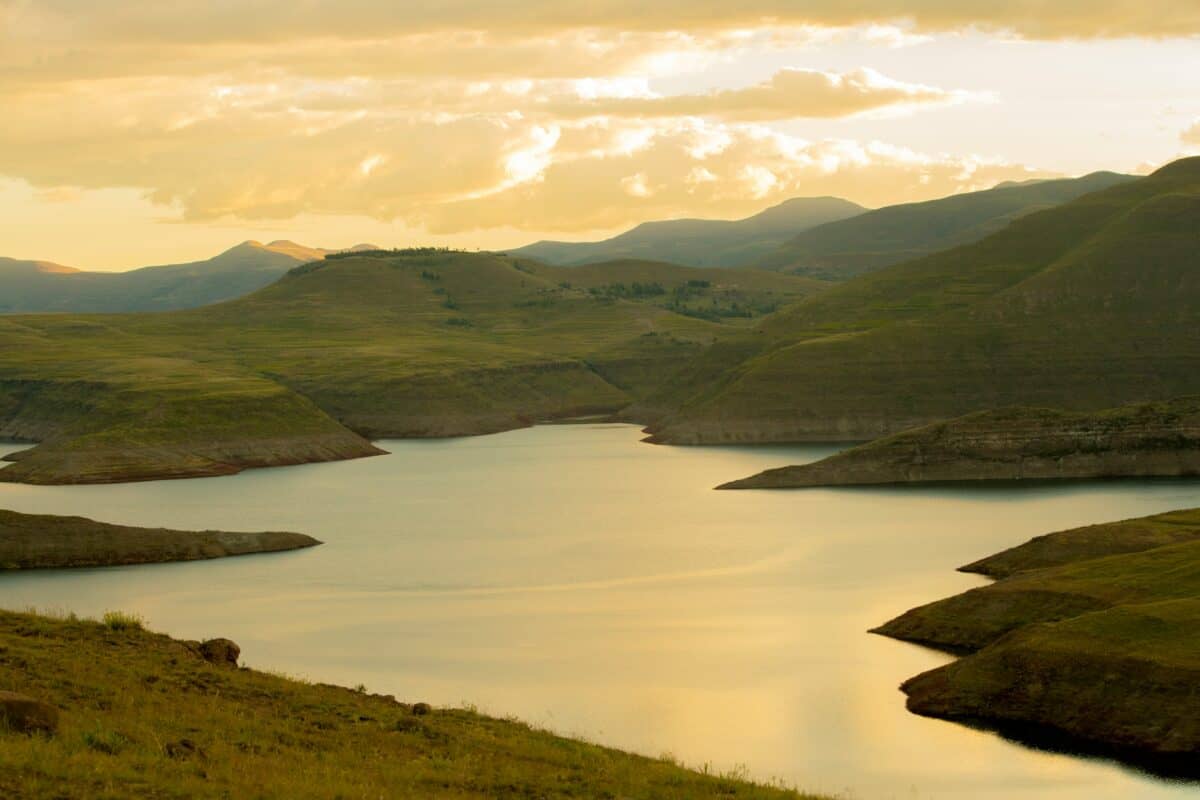
The country’s rugged terrain significantly increases the cost of extending infrastructure, transporting equipment and maintaining energy systems in remote locations.
As governments across the region seek to accelerate rural electrification and clean energy transitions, Dr Lemaire believes Lesotho offers valuable lessons: “The main lessons are to have a stable policy and regulatory framework which can help attract private investment,” he says.
Dr Lemaire added that it is equally as important “to have institutions dedicated to rural electrification”, and “there should be permanent channels of communication with local communities.”
“It is important to promote a holistic view of rural development,” he says. Electrification should not be viewed as a standalone objective but as part of a broader development agenda.
The electrification gains across Lesotho over the past decade demonstrate that rapid progress is possible when political commitment, investment and planning align. Yet the final stretch toward universal access may prove the most difficult. Reaching isolated mountain communities will require innovative financing mechanisms, stronger institutions, greater community participation and continued investment in decentralized renewable technologies.
For policymakers and development partners, it is clear that technology alone will not solve the energy access challenge.