

This Q&A features Julie McNamara of the Union of Concerned Scientists, as she gives a candid assessment of how political decisions in the United States are shaping the trajectory of offshore wind development, the broader influence of fossil fuel interests and ideological policy decisions, the Russia-Ukraine war, the Iran war, and the ways in which this administration is pointedly delaying the energy transition.
Q: How has political pressure from the current administration affected the commissioning and deployment of offshore wind projects here in the United States?
A: There’s no getting around the fact that the Trump administration has been incredibly antagonistic towards offshore wind. Overall, the administration has been attempting to constrain renewables through a wide variety of means and mechanisms, systematically curtailing their ability to come online, but offshore wind has borne a particular front of this.
Now we’ve still seen offshore wind coming online in the US, but it hasn’t been without an increase of costs that didn’t need to happen and, most concerningly, a severe disruption in future projects. The Trump administration has attempted to cancel construction permits (and) block the buildout of new projects.
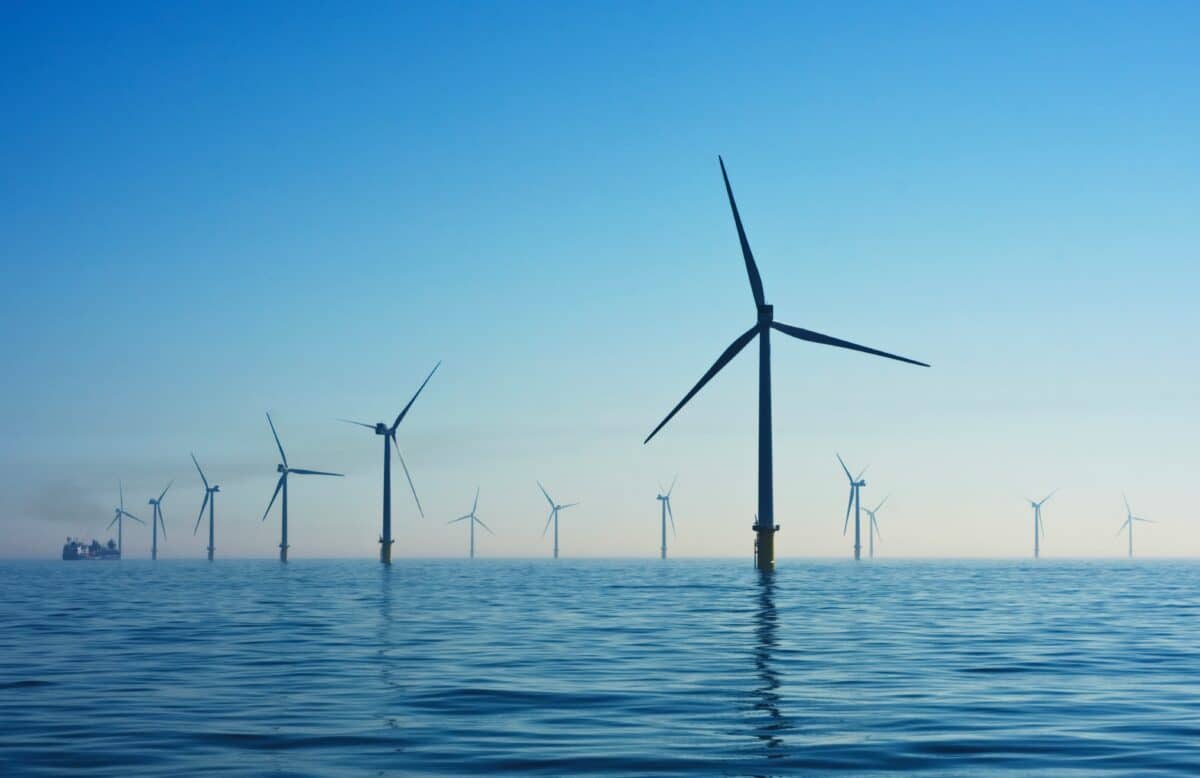
This has had a chilling effect across the supply chain (and) any attempts at building out a workforce or enabling infrastructure. The few that are making it past all these hurdles are coming in at higher costs because of these needless disruptions. Much more concern is the stalling effect it has on the potential for new projects down the road. Even though we see an incredible case for offshore wind in the US, and believe that it will be inevitable that offshore wind is developed, there will be a much longer delay in our ability to scale up our offshore wind resources.
That ultimately comes at the cost of the general public. In the US, there is surging electricity demand from new data centers, where hyperscaled data centers alone require electricity equivalent to entire cities. At the same time that we have this surge in need for new electricity, the Trump administration is blocking the very best ability we have to bring new supply online.
Q: Absolutely. And what is it about offshore wind specifically that the Trump administration is targeting?

A: I think for many of the ways that the Trump administration has gone after renewables, it takes considering two varying drivers. The first is advancing the interests of fossil fuel executives. The Trump administration and President Trump himself has actively solicited support from the fossil fuel industry, implying along the way if they supported him then he would support them. (He) has been relentless in slashing pollution standards, shortcutting permitting requirements, and boosting profit margins. Offshore wind directly threatens the interest of fossil fuels because it will displace the costliest generators. Offshore wind, once it’s built, will come in and displace fossil fuel-based resources, especially in places where the electricity system is constrained, which is increasingly all across the country.
There’s a second piece, and it just can’t be ignored, which is advancing ideologically driven outcomes. This is divorced from industry interest. This is coming from President Trump himself and members of his administration. President Trump, when it comes to offshore wind, had a personal experience with a golf course in Scotland years ago that he continues to invoke when we see his administration putting forward excuses for why to block new projects that are clearly in the public interest.
And I think those two things have to be carried at once to fully understand the scope of initiatives here. Advancing the interest of fossil fuels and advancing ideologically driven outcomes.
Q: That leads us actually directly into that second question, which is how have traditional fuel sources managed to maintain and increase their subsidies even as the falling cost of solar and wind means the levelized cost of energy for many renewable projects is now the lowest option?
A: Wind and solar are increasingly coming in across the country as the cheapest, fastest resources to deploy. Especially in a moment when we need every new source of electricity supply we can get, we should be racing to bring solar and wind online. And yet, the Trump administration is taking every chance it can, while inventing new ones along the way, to block the deployment of wind and solar, meaning the door is only left open to fossil fuels.
Now, they’re not succeeding. We’re still seeing an enormous amount of wind and solar being built, but they are constraining the ability of wind and solar to come online at the rate and magnitude that they should be.
Wind and solar are cheaper. Wind and solar are more cost effective. Wind and solar can come online faster. And although the administration tries to ignore it, wind and solar are clean, whereas fossil fuels are dirty and have enormous implications for public health and climate.
So why are they continuing to advance fossil fuels while holding back renewables? One, there’s the power of vested interests across the country. We know that there are companies, utilities, and politicians who have benefited and continue to benefit from the status quo. Renewables present an existential threat to that business. They have every incentive to stall this transition and maintain the role of fossil fuels as the predominant resource in our energy system, even when it’s against the public interest and the public good.
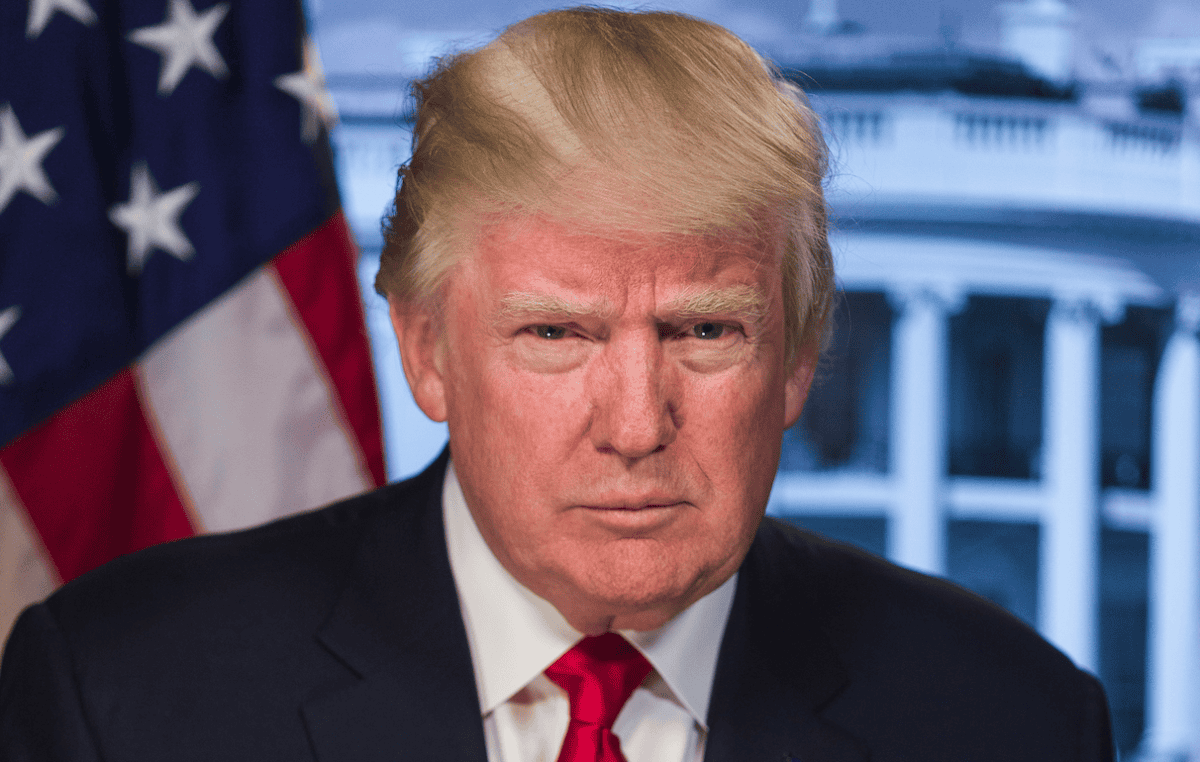
Now, that’s playing out at all different levels, but right now the Trump administration is leading the charge. That includes things like directly cancelling clean energy grants and funding for innovative new projects. They’ve been blocking onshore wind and solar through permitting hijinks that have effectively stalled new projects coming online. They’ve slashed staffing. They’ve slashed offices dedicated to tackling these challenges and closed whole research centers.
They’ve also been pressuring international efforts. The clean energy transition and the fight against climate change as a whole is a global affair. It takes everybody and we all benefit from learning from each other, coordinating and advancing frameworks that build from best practices and that includes sharing expertise across borders.
The Trump administration has been relentless in attempting to unwind these initiatives. We have a recent example of this with the Department of Energy Secretary Chris Wright pressuring IEA to abandon its net zero modeling scenario. This is the type of thing that helps us evaluate potential energy futures and he pressured them to drop that scenario. Now, that’s not the type of thing one does when they’re really trying to understand different paths to the future.
Q: What new political events have led to a strain on the fossil fuel supply chain and what that might mean for the future development of clean energy?
A: Over the last few years, we’ve seen two severe disruptions to the fossil fuel supply chain, from Russia’s invasion of Ukraine to the war in Iran. What we’ve seen both times is the vulnerability for those who are dependent on fossil fuels, especially imported fossil fuels.
We know that clean energy can relieve this vulnerability. We’re seeing in the aftermath of this war an incredible surge in interest by countries around the world for clean energy supply to increase their independence and to lessen their exposure to this fossil fuel volatility. And the Trump administration is doing everything it can to yoke countries to the US gas supply chain. That flies in the face of every lesson any country is learning from this moment, which is increasing reliance on a geopolitically vulnerable supply chain brings great risk.
We see in the time ahead the likelihood of a major transition from a fossil fuel-based world order to one that is premised on clean energy supply. That will shift the geopolitical implications. What new bottlenecks will arise? There are supply chain challenges with clean energy. They are different in nature. They have different stakeholders.
One thing we know is that as this transition begins to play out, policymakers should be doing everything they can to understand those implications. What we’re instead seeing is the Trump administration shutter the staff and offices dedicated to those tasks and
pretend that these things aren’t happening. That leaves the US in an incredibly vulnerable place.
Q: How has the growth of catastrophic weather events and natural disasters shaped how the US and other geographies view things like grid modernization and decentralized energy generation.
A: Evidence is mounting all across the country, all around the world. (The) lived reality of climate change isn’t a future thing. It’s here now and we’re bearing the costs. That means that at the same time that we all need to be contending with how to mitigate the extent of the harm, we also need to be reckoning with a rapidly changing world all around us, including the implications for how we live, how we build our infrastructure, and how we prepare for increasingly extreme weather events.
In the US, we have an outdated, underinvested electricity system separate and apart from climate change. The electricity grid is outdated and in need of investment. That’s left it very vulnerable to these catastrophic weather events. Storms can come along and knock out power across wide areas and for long durations, and once the power goes out, the consequences cascade rapidly. But for all the ways that we’re left vulnerable in this moment, we also have a real opportunity.
We need to be building out our electricity system to better meet the needs of a clean energy transition. That also can align with building out a more resilient, flexible electricity grid able to better withstand but also bounce back from inevitable outage events.
At the same time that we’re improving the resilience of the electricity system as a whole, we also need to be doing that bottom up investment where people and communities are better situated to withstand extreme weather events. That includes distributed solar and batteries which are quickly coming down in costs and ensure that even if the broader
system goes down we have these islands of power, places where people can keep medicine, charge phones, and support communities in these times of real challenge.