
With much of the US electrical grid built in the middle of the 20th century, new pressure on electricity transmission and distribution from both distributed generation and large offtakers has prompted a wave of new technologies designed to work alongside the grid. The combination of hardware and software innovations range from rapid outage detection and response systems to tools that optimize placement for new energy generation projects. It also includes the actual hardware required to integrate and power large offtakers while minimizing stress on grid infrastructure.
This is undoubtedly at least partly the result of the continued growth in electricity demand. As data centers, battery and energy storage systems (BESS), electric vehicles, and industrial electrification projects are added to the grid at an unprecedented pace, the need for accurate monitoring software has become increasingly important. Global power demand is expected to grow at a 3.6% compound annual rate from 2026-2030, 50% faster than the average growth rate recorded over the previous decade.
Private investors have shown growing interest in the software and hardware solutions developed to address these grid challenges. US grid investment from private investors has more than doubled in the last half decade alone, rising from USD 3.2 billion in 2021 to USD 6.6 billion in 2025.
Sentrisense, a grid sensor technology company recently acquired by Megger, has developed Sentri, a sensor that attaches to overhead lines via drone, which can simultaneously provide incident detection and dynamic line rating. Dynamic line rating (DLR) accounts for weather conditions when determining the maximum current a transmission line can safely carry. By utilizing DLR technology, grid operators can increase distributed power yields. Because factors such as temperature, wind speed, and solar radiation can significantly affect line capacity, DLR enables operators to make use of available transmission capacity that would otherwise go unused under static ratings
When asked about how the grid handles the growing demand, co-founder and CEO of Sentrisense, Sebastian Cerone described how the combination of renewable projects joining the grid and growing demand from EVs and data centers have combined to stress a power grid built more than half a century ago. By combining hardware technology with software monitoring, Sentri monitoring allows for maximizing transmission capacity for new renewable energy projects.
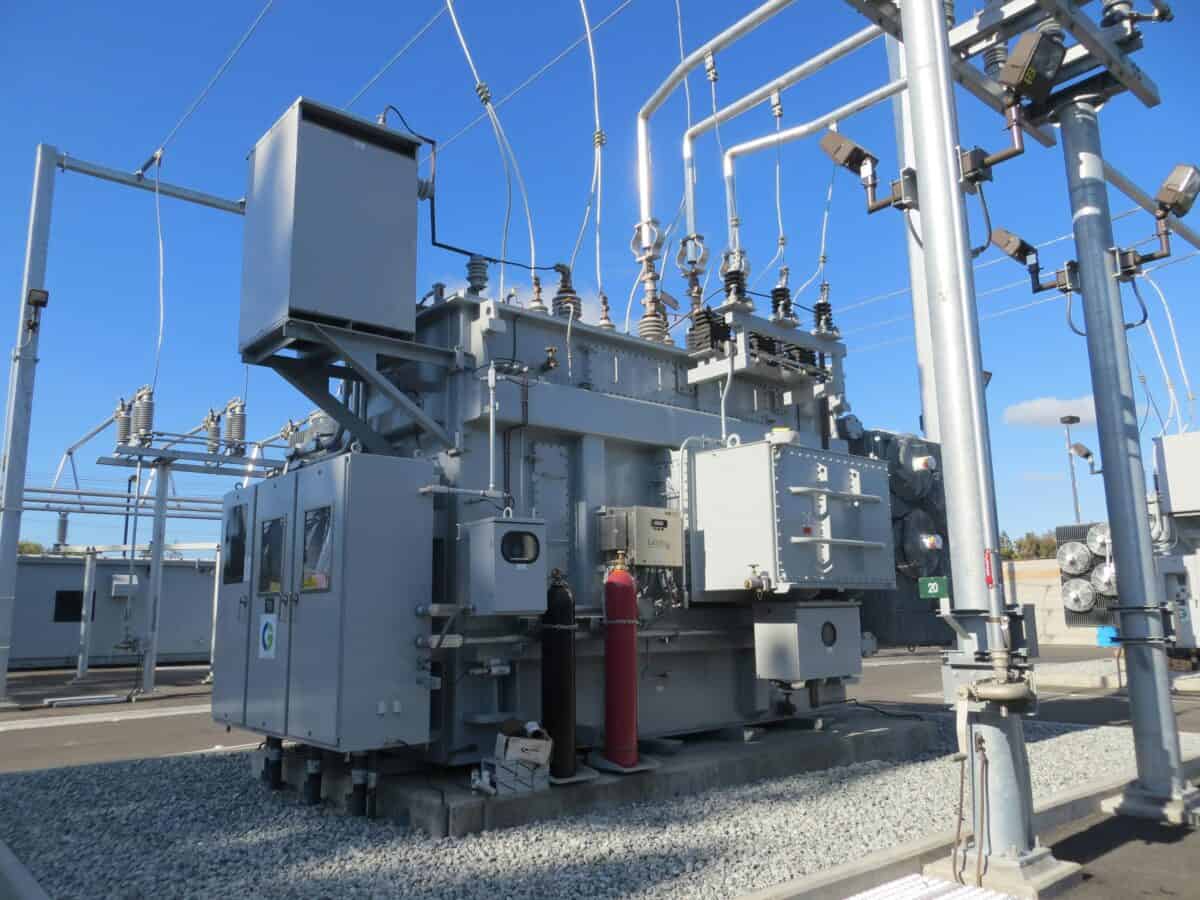
The potential of a hardware-software combined solution offers the opportunity for power optimization not only in increasing supply, but in responding to increased demand. As Ionate Founder and CEO Matthew Williams explained in a July call with The Energy Pioneer, they are able to use their Hybrid Intelligent Transformer (HIT) to “add a brain” to the power system. This real-time monitoring and control of power flow enables voltage modulation as distributed energy resources are added to the grid, preventing voltage fluctuations as electricity demand and offtake increase. This has entered the market at a time when efficiency standards for transformers are becoming more stringent, offering additional incentive for adoption alongside grid optimization for different customer types.
In response to a question on the recent collaboration between General Motors and Ionate to install its transformer technology at the Romulus, Michigan manufacturing facility, Williams explained why manufacturers are often early adopters of grid technologies. Manufacturing plants require reliable, high-quality energy access to operate efficiently. When power quality for an industrial site deteriorates, it can lead to plant down time and damaged equipment.

Alongside the development of integrated hardware and software solutions that enable high-quality power flow, software tools have also been developed to optimize placement of both offtakes and power generation. Piq Energy, a San Francisco based energy tech company has developed a software platform to accelerate grid interconnection by faster and more in-depth analysis of capacity and usage.
Tom Nudell, co-founder and CEO of Piq, explained that by finding ideal interconnection points for offtakers, large users such as data centers can access energy from points of the grid that are not currently under stress. By analyzing where the current transmission grid is underutilized, distributed energy resource (DER) developers can find the ideal place to build to reduce interconnection time. Piq is therefore able to work with both offtakers and new energy generation projects, either through increasing existing capacity or connecting more DER projects onto the grid.
Buzz Solutions, a California energy infrastructure monitoring company, has developed an algorithm for monitoring the increasing strain on the electrical grid directly for utility customers. Buzz CEO and co-founder Kaitlyn Albertoli highlighted the software’s capabilities through a recent partnership with Dominion Energy, one of the largest electric utilities in the United States. Albertoli outlined how their platform, PowerAI, inventoried the entire Dominion Energy system in a matter of hours, identifying the sites most likely to fail and prioritizing maintenance and upgrades accordingly.
This is an example of a larger trend that Albertoli and co-founder, CTO Vikhyat Chaudhry describe as utilities working to be proactive rather than reactive in planning for grid improvement and usage increases. Buzz Solution’s platform, which began as image processing for utilities, has turned into a predictive tool that can be integrated into grid information system (GIS) tools to optimize maintenance, new offtake, and grid improvements.