
The devastating El Niño-induced drought that crippled hydropower generation across Zimbabwe and Zambia has exposed the vulnerability of Southern Africa’s electricity systems to climate change, prompting renewed calls for faster investment in solar energy, battery storage and other renewable technologies.
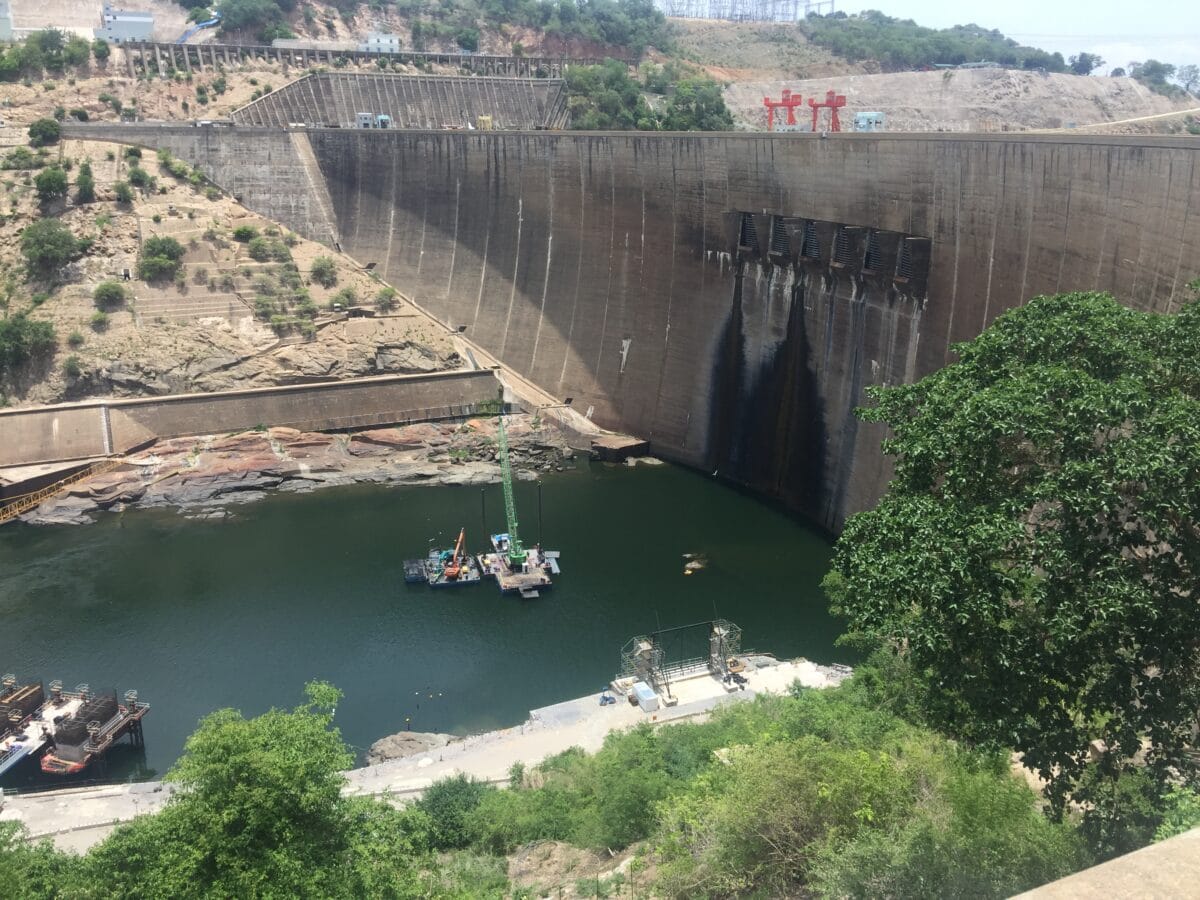
The 2024-2025 El Niño event brought one of the region’s worst droughts in decades, drastically reducing inflows into the Zambezi River and Kariba Dam, the shared hydropower source for Zimbabwe and Zambia. By the end of 2024, Lake Kariba was operating with less than 2% of its usable water capacity remaining. Electricity production was cut back, causing widespread and prolonged power outages that disrupted businesses, hospitals, mines and households.
With climate scientists warning that another strong El Niño could develop during the 2026-2027 rainy season, energy experts say the two countries can no longer afford to depend so heavily on hydropower as climate variability intensifies.
Zimbabwe, which relies predominantly on hydropower and ageing coal-fired power stations, endured electricity shortages lasting up to 20 hours a day during the drought. Zambia, where hydropower supplies most electricity, also experienced severe shortages that forced industries to scale back production and increased operating costs.
Energy expert Dr Katundu Imasiku, a postdoctoral researcher with the Net Zero Freight Program at the Georgia Institute of Technology in the US said: “Zambia has historically relied heavily on hydropower, and while it will continue to play a central role, future energy security will depend on building a more diversified electricity system. That means combining hydropower with solar, battery storage, wind where it makes economic sense, regional power trading, and decentralized solutions such as mini-grids. A balanced energy mix will make Zambia more resilient to future droughts while supporting long-term economic growth.”
He says solar power can replace a significant share of electricity lost during prolonged droughts, although it cannot replace hydropower on its own.
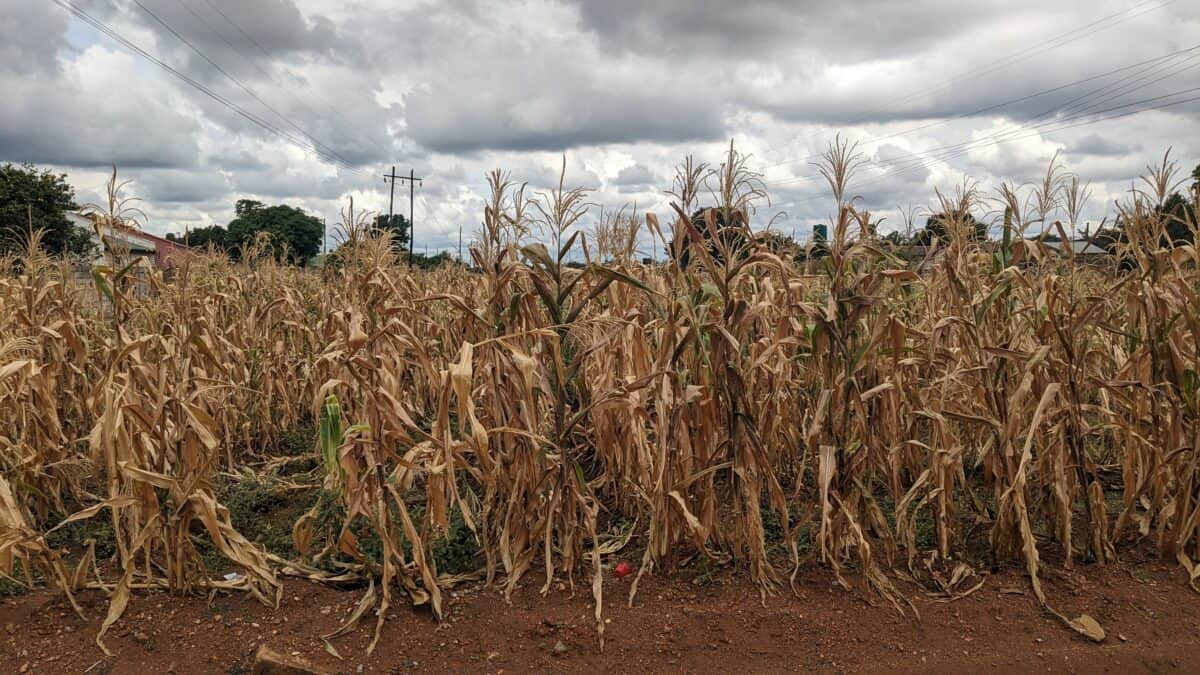
“Zambia is fortunate to have some of the best solar resources in Southern Africa,” he says. “An interesting advantage is that droughts often come with clear skies and more sunshine. So, when water levels drop and hydropower generation falls, solar generation tends to increase. In that sense, the two technologies naturally complement each other.”

However, he cautions that solar generation alone is insufficient because it only produces electricity during daylight hours.
“To build a reliable electricity system, Zambia needs utility-scale solar, battery storage, stronger transmission infrastructure, demand-side management, regional electricity trading through the Southern African Power Pool and other flexible sources of generation. Energy security depends less on replacing hydropower than on reducing dependence on any single source,” he says.
Dr Imasiku says utility-scale solar can be deployed far more quickly than new hydropower schemes.
“Once financing, permits, land, and grid connection agreements are in place, a solar plant can often be built within 12 to 24 months. By comparison, a major hydropower project can easily take five to ten years because of the engineering complexity, environmental assessments, and financing involved,” Dr Imasiku explains. “This makes solar one of the fastest ways to add new electricity generation when Zambia is facing supply shortages caused by drought. However, the speed of deployment still depends on having supportive government policies, efficient regulatory processes, adequate transmission infrastructure, and access to affordable financing.”
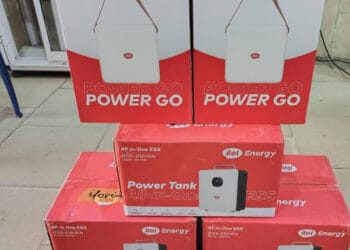
He says wind, battery storage and mini-grids each have important roles in strengthening Zambia’s electricity system. Batteries can store surplus solar power for use after sunset, while solar-powered mini-grids can provide reliable electricity to rural communities, reducing dependence on costly diesel generators.
Although battery storage is receiving greater attention, Dr Imasiku says investment still lags behind solar generation.
“Going forward, battery storage should be developed alongside new solar projects rather than being treated as an optional extra. It will play a crucial role in maintaining grid reliability, managing the variability of renewable energy, and getting the maximum value from Zambia’s growing investment in solar power,” he says.
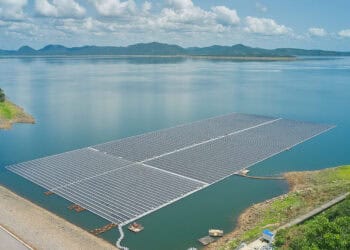
In Zimbabwe, energy expert Eddie Cross, who is spearheading a floating solar project at Kariba Dam, believes solar offers the country’s best opportunity to reduce its dependence on rainfall-driven electricity generation.
“The quick answer is yes, but not completely,” Cross tells The Energy Pioneer when asked whether solar can replace hydropower lost during prolonged droughts.
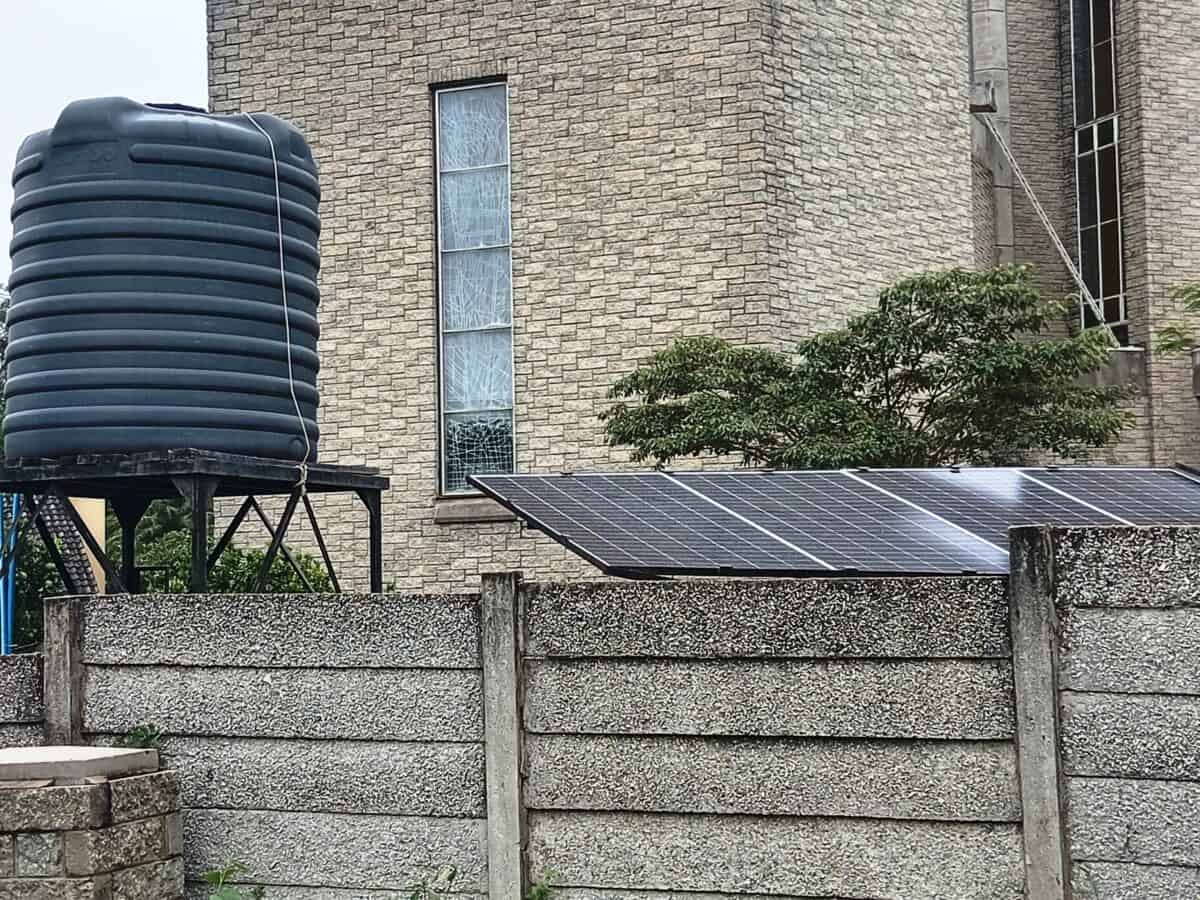
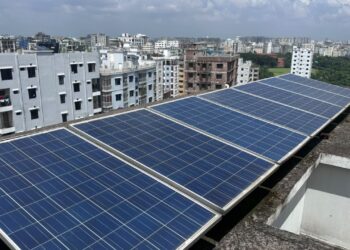
He says the rapid expansion of rooftop solar is already reducing pressure on the national grid.
“Rooftop solar is already helping us meet the deficit in electricity generation. We do not know the extent, but I think it is considerable and growing fast,” he says. “Many large power consumers are installing solar to help them reduce the shortfall in power from ZESA [Zimbabwe Energy Supply Authority] and to reduce costs.”
Across Zimbabwe, businesses, shopping centres, factories, farms and households have increasingly invested in rooftop photovoltaic systems and battery storage to cope with frequent blackouts. Falling solar technology costs and unreliable grid supplies have made the private sector one of the country’s fastest-growing investors in renewable energy.
Cross says battery storage, mini-grids and distributed electricity generation will all be essential to improve energy security.
“All of these alternative sources of energy can contribute. Although we do not have good wind conditions, where these do exist we can possibly generate 20 per cent of what we need.”
He adds that battery storage has become significantly more affordable.
“Battery storage is much cheaper now and will make a major contribution because it will help us manage unstable solar power and extend power supplies. Mini-grids are starting to appear and distributed power generation will also help.”
Unlike large hydropower projects, which require years of planning, financing and construction, rooftop and commercial-scale solar systems can be installed within months, allowing consumers to respond much faster to electricity shortages.
However, Cross says Zimbabwe must accelerate investment in battery storage if renewable energy is to become a reliable substitute for conventional generation.
When asked whether Zimbabwe is investing enough in storage, he replies: “No, but it’s being planned and will start contributing by mid-2027.”
For both Zimbabwe and Zambia, the last El Niño has underscored a new reality: climate resilience is now inseparable from energy security. Hydropower will remain an important part of the electricity mix, but experts say expanding solar generation, investing in battery storage, strengthening transmission infrastructure and supporting distributed energy systems will be critical to reducing the economic damage of future droughts and building more climate-resilient power systems.