
Tunisia is experiencing one of its hottest summers on record, with temperatures approaching 50°C over the past two weeks. Combined with dry winds, the extreme heat has contributed to widespread electricity outages and destructive wildfires across multiple parts of the country.
Across the border, Algeria has also been battling a wave of destructive wildfires, highlighting a growing regional challenge for North African countries pursuing ambitious renewable energy targets.

Mabrouka Khedir, a journalist and editor-in-chief of Cosomos Media, a Tunisian outlet specializing in environmental and sustainable development reporting, has been documenting the crisis from the frontlines over the past several weeks. In an interview with The Energy Pioneer, she described the emotional toll of reporting on the unfolding environmental emergency: “I feel deep sadness and a profound sense of helplessness as I watch nature being destroyed before my eyes. Fires are everywhere, and people are paying the price for environmental problems that have accumulated over decades. We warned about this for years, and much of today’s painful reality could have been avoided through sound policies and greater public awareness.”
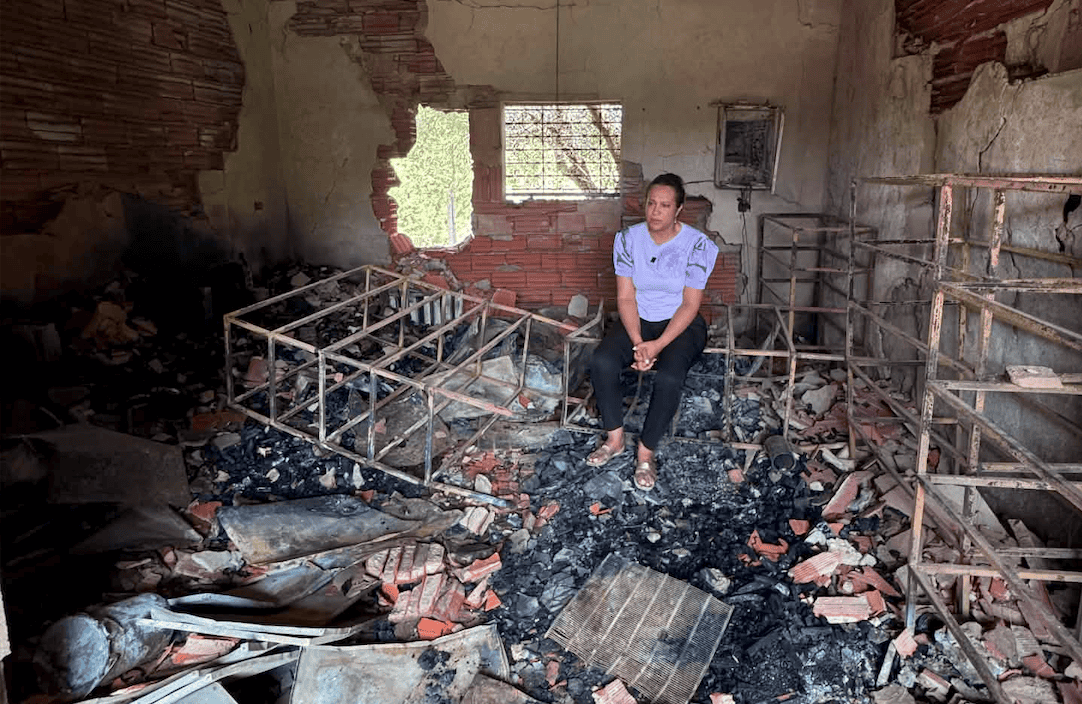
For Khedir, reporting on the crisis means experiencing its impacts firsthand. “We are living through climate extremes that are reshaping people’s lives. Reporting from the field means walking through intense heat, scorched landscapes, and centuries-old trees that were lush and green only days earlier. You see burned animals, meet families who have lost their homes and loved ones to wildfires, and speak to business owners whose livelihoods have been destroyed by prolonged power cuts. Then you return home to find no electricity or cold water, spending sleepless nights because of the unbearable heat and physical and emotional exhaustion. It is heartbreaking
Wildfires Across North Africa
In Tunisia, the peak fire season typically begins in mid-June and lasts around 12 weeks. According to Global Forest Watch, there were 169 high-confidence VIIRS (Visible Infrared Imaging Radiometer Suite) fire alerts reported between 21 July 2025 and 20 July 2026. VIIRS alerts are satellite-detected thermal anomalies that indicate active fires.
Le Kef was the region most affected by fire activity over the past four weeks, recording 73 fire alerts, accounting for 67% of all alerts detected across Tunisia.

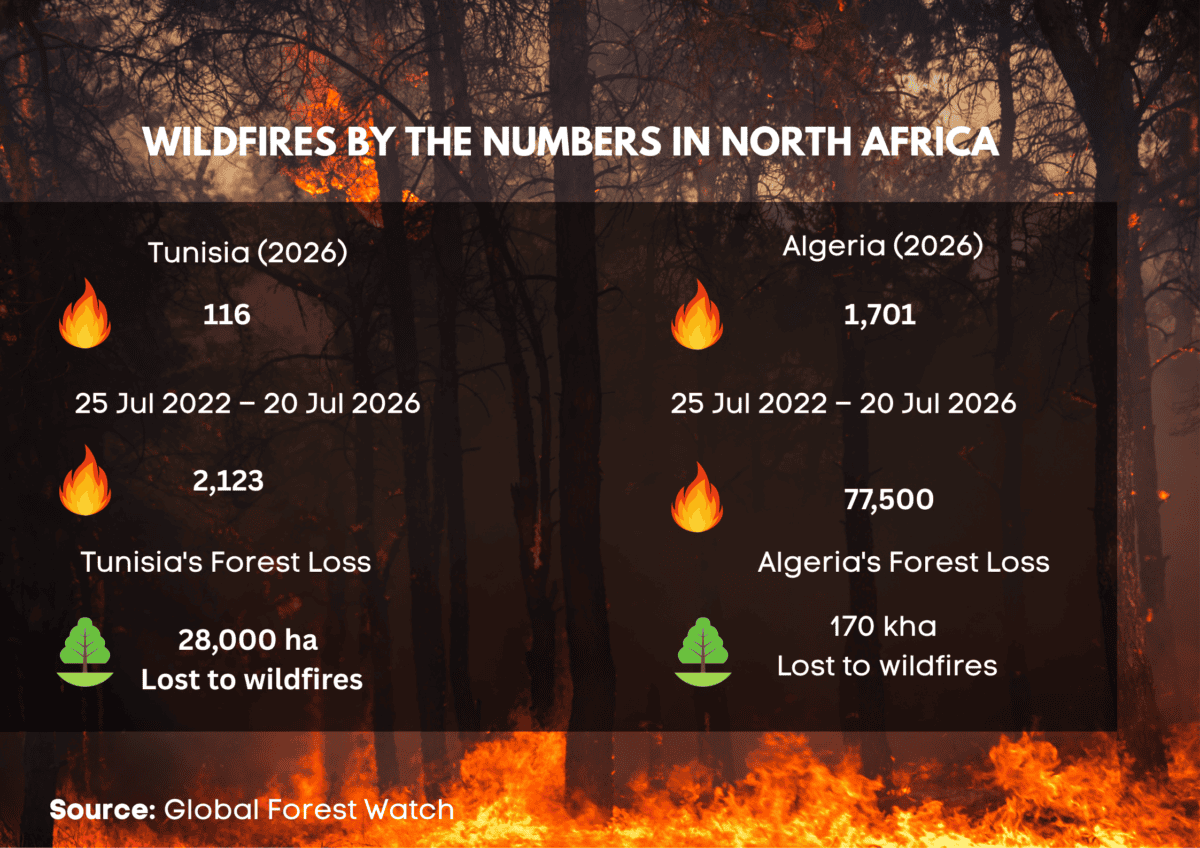
Algeria’s wildfire season typically begins in early June and lasts for about 18 weeks. According to Global Forest Watch, 2,329 high-confidence fire alerts were detected by the VIIRS satellite system between 21 July 2025 and 20 July 2026.
Over the past four weeks, Annaba recorded the highest number of fire alerts in Algeria, with 225 alerts detected. Recent fire activity across the country has raised concerns among ecologists and climate researchers.
“For the past two weeks, Algeria has been living through one of its worst ecological disasters. Thousands of hectares of forest have turned to ash in days, consumed by relentless heatwaves and fires. As other countries face similar blazes, the scale and frequency of destruction in Algeria is becoming alarmingly recurrent,” said Dr. Fella Bouti, an ecologist, biodiversity researcher, and climate activist.
“I’ve been trying to understand why these disasters keep growing worse. Beyond the obvious link to climate change, one factor stands out: the speed at which fires spread. This spring … after a year of heavy rainfall, northern Algeria became vast prairies and grasslands. By summer, that lush vegetation had dried into the perfect fuel for a spark. One issue remains largely undiscussed: the decline of transhumance, the ancestral practices of ElAchaba and ElAzaba. Herders once moved livestock through forests and steppes in late spring, grazing the grass before it dried, then returned after harvest to collect the hay. This cycle kept the ecosystem balanced and prevented major fires,” she explained.
Bouti added that her own views on grazing have evolved over time.
“As an academic ecologist, I used to support restricting grazing in forests and steppes. But the reality is more complex: organized, regulated grazing isn’t a threat; it’s an equilibrium that protects both forests and herds.”
How Wildfires Threaten Renewable Energy
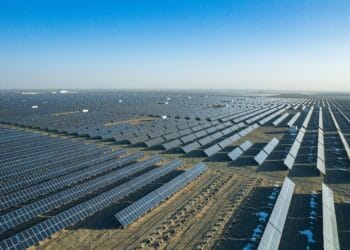
As well as biodiversity and human loss, wildfires can affect renewable energy infrastructure even when facilities are not directly damaged by flames. Smoke from nearby fires can reduce solar output, cause equipment failures, and accelerate deterioration.
A study conducted in Alberta, Canada, examined the impact of wildfire smoke on solar photovoltaic (PV) generation between 2018 and 2023. It found that smoke pollution reduced electricity generation by an average of 3.91% under severe smoke conditions, with losses reaching as high as 6.3% at some solar sites, leading to cumulative financial losses exceeding CAD 4.5 million.
With wildfires expected to become more frequent and severe, this risk should be considered in the planning and operation of solar energy systems.
Another study, published in Nature Communications in 2025, found that wildfire smoke can reduce global horizontal irradiance (GHI), the primary source of solar energy used by photovoltaic (PV) systems, by 11% to 17% per day in areas close to active fires. Direct solar irradiance was found to be even more sensitive to smoke, declining by 32% to 42%. GHI measures total solar radiation, including both direct and diffuse sunlight, whereas direct irradiance captures only the unscattered beam arriving directly from the sun. Smoke particles scatter and absorb incoming sunlight, weakening this direct beam more severely than overall solar radiation.
Dr. Hesham Eissa, board member of Dcarbon Global, an environmental climate consultancy, said wildfires devastate ecosystems, destroy habitats, degrade soil, contaminate freshwater resources, and cause long-term environmental and socioeconomic damage. However, he stressed that their impact extends beyond ecosystems to renewable energy infrastructure, undermining projects expected to provide electricity during wildfire-related power outages.
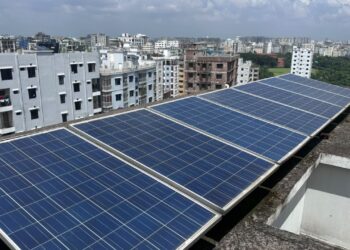
Khedir also questions the country’s growing reliance on renewable energy as a solution to the energy crisis. “Officials present renewable energy as the magic answer to power outages, yet they have failed for years to develop a sustainable strategy for deploying it effectively. At the same time, some are exploiting the crisis by selling solar panels to citizens at exorbitant prices. But the climate extremes we are witnessing have made me rethink how resilient renewable energy systems really are. Extreme heat can damage solar panels, while strong winds, sandstorms, heavy rainfall, and wildfires can also disrupt or disable them. Over the past few days, I have found myself questioning whether this solution is truly sufficient.”
Planning Solar Projects for a Fire-Prone Future
Dr. Hesham Eissa emphasized that wildfire risks should be integrated into the planning of solar energy projects, particularly in fire-prone regions like Mediterranean forests.
He called for urgent measures to protect both ecosystems and energy infrastructure. Countries exposed to recurring wildfire risks should develop national emergency response plans, regularly training for firefighting teams. They should also stabilize burned soils using natural barriers made from burned tree trunks, temporarily ban grazing in affected areas to facilitate natural regeneration, and protect solar power plants by removing ash deposits from panels and insulators while constructing firebreaks or protective trenches around facilities. He also recommended deploying thermal sensors and smart surveillance cameras around forests and critical infrastructure as part of early warning systems.
Eissa further argued that wildfire risk management must be integrated into national climate adaptation strategies, reflecting discussions at the latest UN climate conference in Brazil.
He urged governments to allocate dedicated financial resources for wildfire preparedness and recovery while implementing dynamic wildfire risk mapping that incorporates drought conditions, wind patterns, and extreme temperatures to identify high-risk areas.
He also recommended replacing highly flammable tree species with native Mediterranean species that are more resistant to fire and drought, including carob, wild olive, and cork oak, while strengthening community-based wildfire prevention efforts by training local residents as first responders for early detection and rapid intervention.
Eissa stressed that wildfire risks should become a core consideration in infrastructure and renewable energy planning. This includes establishing buffer zones of at least 500 meters free of dense vegetation around power plants and transmission corridors, adopting stricter engineering standards with heat-resistant materials for substations and electricity networks, designing self-cooling systems for solar and wind facilities, and rerouting high-voltage transmission lines away from mountain ridges and dense forests whenever possible, using insulated underground cables where feasible.
Similar concerns are being raised in Algeria.
For her part, Dr. Manel Sakhri, an Algerian environmental policy expert and researcher, said Algeria’s wildfires are part of an unprecedented wildfire season affecting the Mediterranean, driven by climate change, heatwaves, drought, and strong winds. She stressed that the damage goes far beyond the number of hectares burned, impacting ecosystems as well as electricity and renewable energy infrastructure.
She explained that fires can disrupt power supply by threatening transmission lines and substations or triggering precautionary shutdowns. They may also affect nearby solar and wind facilities, not because renewable energy causes the problem, but because these assets must increasingly withstand climate-related risks.
Sakhri noted that while Algeria has improved its wildfire response and early warning capabilities, greater investment in prevention and ecosystem restoration is essential. Wildfires, she concluded, should be treated as an environmental security issue affecting water, biodiversity, food security, and energy systems, making prevention and resilience key priorities for the future.
The impacts of wildfires are not limited to solar energy. Studies indicate that other renewable energy sectors also face significant risks. Wind farms may suffer damage to turbines, transmission lines, and surrounding infrastructure, while increased soil erosion and sediment runoff into reservoirs can reduce the efficiency of hydropower plants and raise maintenance costs. Energy storage systems, batteries, and geothermal facilities may also be affected, not only by flames, but by road closures and disruptions to electricity networks.
Building Fire-Resilient Renewable Energy Systems
These risks come at a time when North African countries are betting heavily on the rapid expansion of solar energy. Algeria is implementing a program to develop 15 GW of solar photovoltaic capacity by 2035, while Tunisia aims to increase the share of renewable energy to 35% of its electricity generation by 2030. As a result, protecting these investments from climate-related risks, particularly wildfires, has become a critical component of future energy planning.