
Windmills used to be a common feature on Zimbabwe’s remote farms. Their creaking blades pumped life into farming communities, drawing water for households, livestock and irrigation.
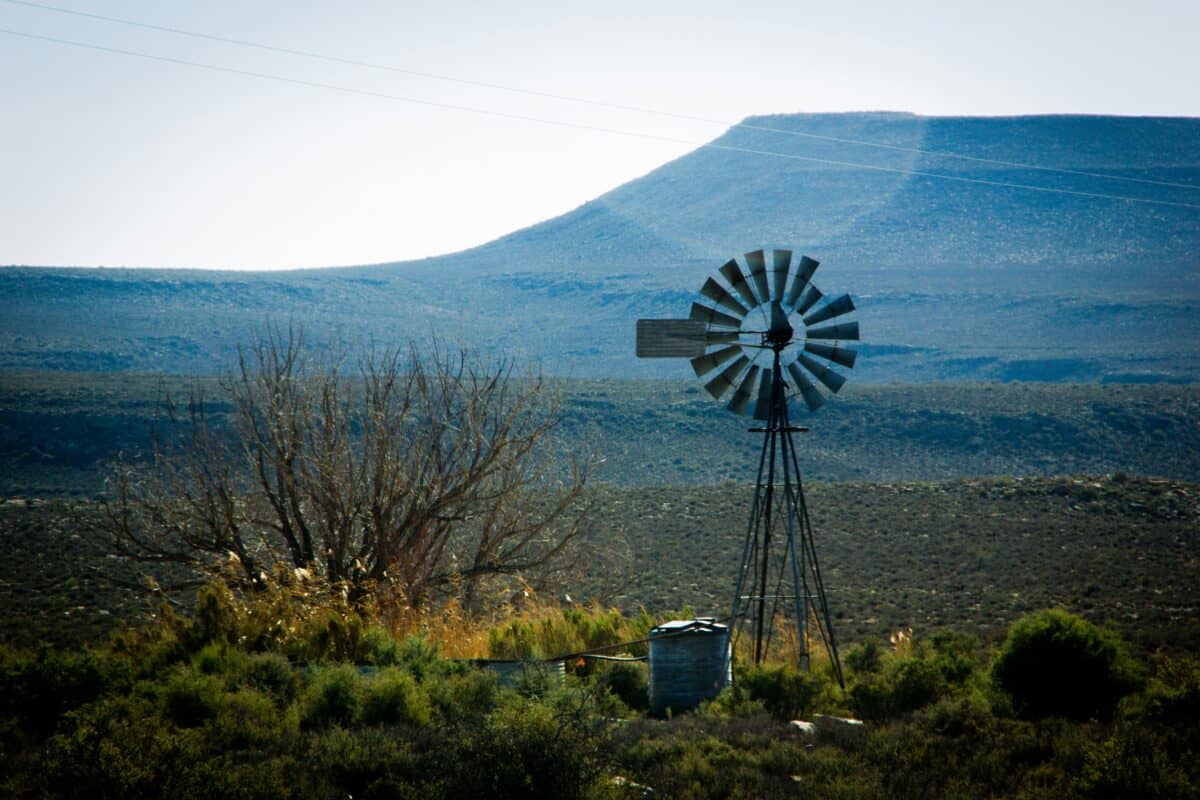
Today, most of those windmills have since disappeared, and though they were not used to generate electricity, the structures became a familiar symbol of how rural communities harnessed wind power for practical everyday use. Yet interest in wind energy is slowly resurfacing as Zimbabwe searches for alternative renewable energy sources.
Despite years of research pointing to viable wind energy potential in parts of Zimbabwe, particularly in the Eastern Highlands, the country has yet to develop a major commercial wind farm. Any efforts have struggled to move beyond academic studies and pilot discussions. The problem is not a lack of wind alone, but a mix of infrastructure gaps, policy uncertainty, financing challenges and an overwhelming national focus on solar energy.
The Geography of Wind Power
Dr Remember Samu, a Zimbabwe-born power systems engineer based in Perth, Western Australia tells The Energy Pioneer that “the wind speeds are good enough.”
“From a purely technical standpoint, Zimbabwe’s wind resource in the best locations is sufficient to support utility scale projects with modern turbine technology. You would not expect the same capacity factors as in global wind ‘hot spots’, but you can certainly design commercially viable projects, particularly with higher hub heights and larger rotors. But developers have to work harder with larger rotors, higher hub heights and careful project design to make projects financially attractive’, he says.
With a background in techno economic feasibility of solar PV and wind power generation in Zimbabwe, Samu’s research on renewable energy systems show that wind speeds in areas such as the Eastern Highlands are moderate but commercially usable. While they may not rival the stronger wind corridors found in countries like Kenya, Ethiopia or South Africa, Samu says advances in turbine technology mean Zimbabwe could still generate viable wind power projects.

“There is a clear gap between the technical potential identified in studies and actual project development on the ground. In my view, this is due to a combination of resource characteristics, location of the best sites, and broader sector conditions rather than a single technical barrier,” says Dr Samu.
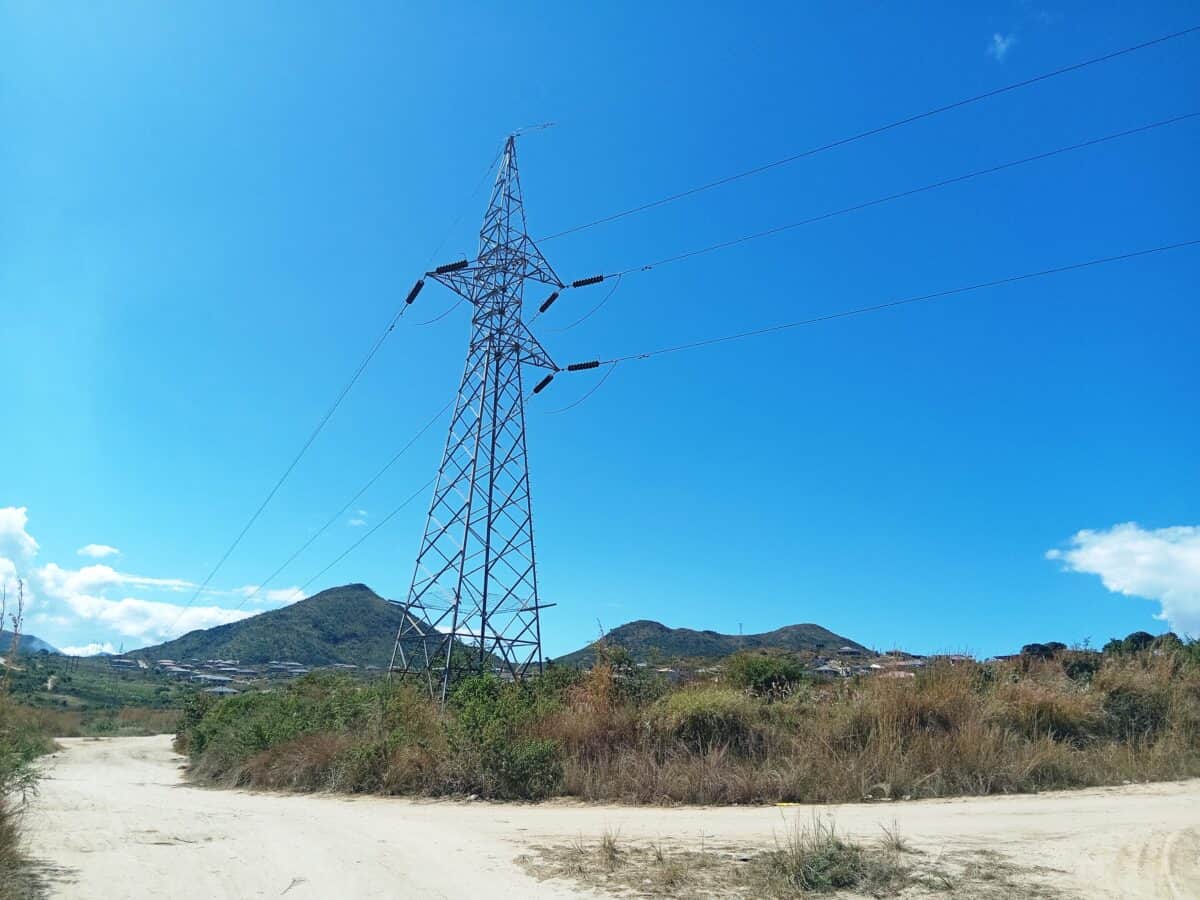
One of the major obstacles is geography. Zimbabwe’s strongest wind zones are often located far from existing transmission infrastructure and major demand centres. Developing wind farms in those areas would require substantial investments in power lines, substations and road access.
“That raises the question of who pays, the developer or the utility,” Dr Samu says.
Investor Hesitation
Persistent currency instability, inflation concerns and uncertainty over long-term electricity tariffs has made lenders cautious about financing large-scale renewable projects.
Dr Samu notes that wind projects are particularly vulnerable because they require significant upfront capital compared to solar installations, which have become cheaper and easier to deploy over the past decade.
“Solar PV became the easy win,” he says. “Zimbabwe has excellent solar resources almost everywhere, and solar projects are modular, faster to deploy and seen as lower risk.”
As a result, wind energy has largely remained a secondary consideration in national planning, despite appearing in policy documents including Zimbabwe’s National Renewable Energy Policy.
Dr Samu argues that while government strategies acknowledge wind power, there has been little practical follow-through.
“Zimbabwe does have important academic studies and some met mast campaigns, including my work in the Eastern Highlands that helped establish the technical potential. However, these efforts have generally been project specific and fragmented, and are not yet the kind of coordinated, long duration measurement program that, for example, a development bank would expect to see behind a 100+ MW project,” he says.
The lack of reliable long-term wind data has further weakened investor confidence. International financiers typically require several years of high-quality site-specific measurements before approving large renewable energy projects.
“At the moment, that level of data coverage is limited to a handful of sites and is not widely accessible,” he says.
Zimbabwe has conducted scattered academic studies and limited meteorological campaigns, but the country still lacks the coordinated national-scale wind resource assessment programme needed to convince lenders.
Wind Could Offset Hydro Shortages
Still, Dr Samu believes wind energy could eventually play a meaningful role in Zimbabwe’s future electricity mix, particularly as climate change exposes the country’s heavy dependence on hydropower.
Repeated droughts have significantly reduced electricity generation at Kariba Dam in recent years, triggering severe power shortages across the country.
“Hydropower has been an asset for Zimbabwe, but repeated droughts have shown how risky it is to rely so heavily on a single technology and a single resource (Kariba’s water levels). In that context, diversification is not a luxury, it is a resilience strategy,” Dr Samu said.
He notes that wind energy could complement hydropower because the windiest months in many parts of Zimbabwe tend to coincide with dry seasons when hydroelectric output is weakest.
Dr Samu believes Zimbabwe could realistically develop several hundred megawatts of wind power by the mid-2030s if the country improves policy consistency, strengthens transmission infrastructure and introduces bankable procurement systems.
Among the measures he recommends are competitive auctions, standardised power purchase agreements, stronger guarantees for investors and improved access to blended finance.
He also suggests that direct power purchase agreements with mines and large industrial users could help unlock early wind investments.
“If those pieces come together, wind can absolutely play a meaningful role alongside solar and more climate resilient hydro in Zimbabwe’s future energy mix,” he says.