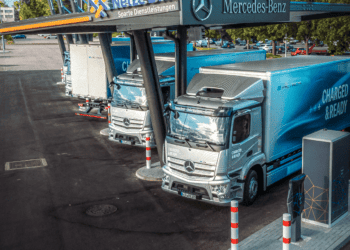

When public institutions in Africa discuss electric vehicles (EVs), the first policy tools often considered are cost subsidies, tax relief and other fiscal measures, including reducing import duties and waiving value-added tax. Electric motorcycles, buses or cars are then allowed into the country at a lower cost. These measures matter, particularly in markets where the upfront price of an electric vehicle remains a serious barrier.
However, tax breaks alone will not deliver Africa’s electric mobility transition. They may bring vehicles to market, but they do not guarantee that those vehicles can be charged, maintained, financed or used reliably every day. The real test is not whether a country can reduce the cost of importing EVs, but whether it can build power and charging infrastructure that makes EV ownership and operation practical.
The vehicle is only half the system
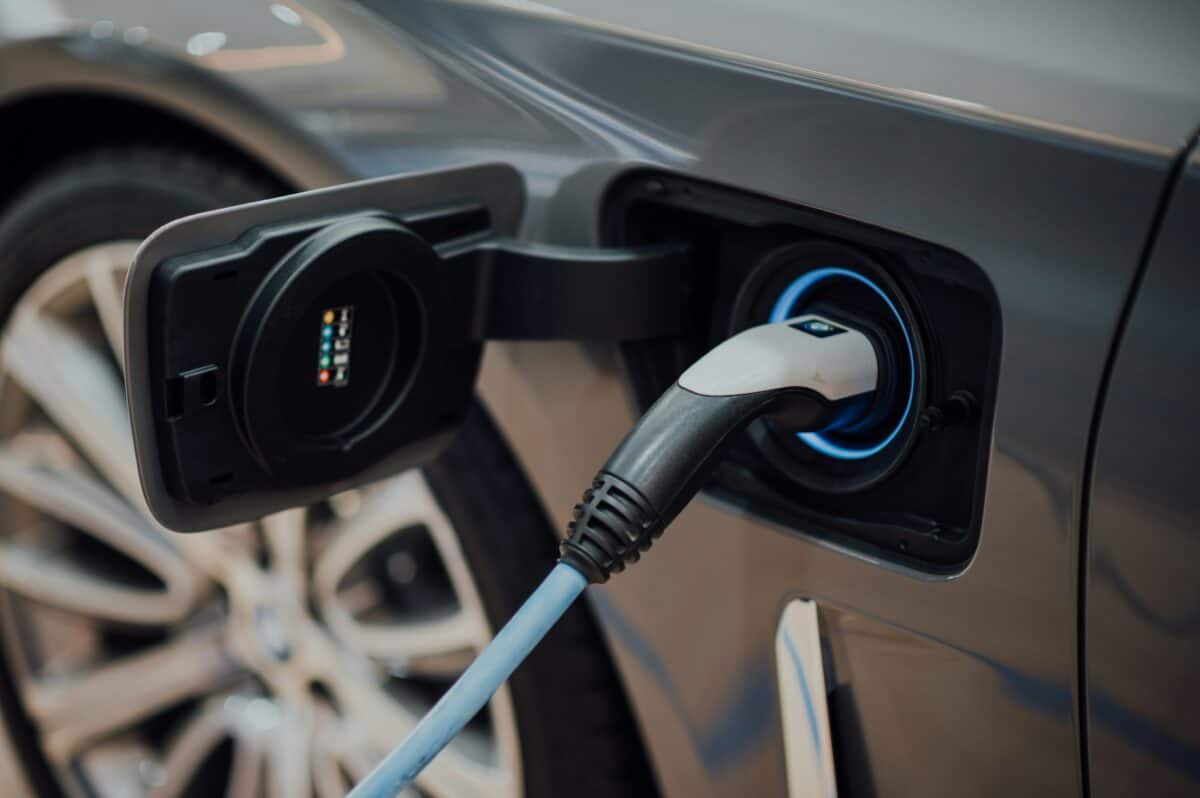
The EV is not simply a cleaner version of a petrol or diesel vehicle. It represents a new form of energy demand. One vehicle may not matter much to the grid, but a few hundred vehicles charging simultaneously in a city can make a major difference. A fleet of electric buses, minibuses, motorcycles or delivery vans can create concentrated demand around depots, ranks, warehouses, malls, campuses and transport corridors. This highlights the importance of an overlap and alignment between EV policy and power-sector policy. Charging requires land, grid connections, transformers, tariffs, safety standards, maintenance teams and a business model. If these elements are missing, tax and other fiscal incentives do not translate into adoption.
The International Energy Agency’s Global EV Outlook 2026 treats charging infrastructure as central to the electric mobility transition, not a minor detail. The report examines charging deployment alongside vehicle uptake, battery demand, electricity consumption and policy development, as growth in the EV market depends on the availability and reliability of charging infrastructure.
Charging must follow the vehicles that move most people
In wealthier car-oriented markets, EV policy has often been built around a familiar assumption: people drive private cars, park at home, and charge overnight. That model does not fit much of urban Africa. The charging question here should therefore begin with a practical map: where do high-use vehicles, such as public transport vehicles, start, stop, wait, and refuel today? For minibuses, the answer may be ranks, terminals, depots and informal staging areas. For buses, it may be depots and layover points. For motorcycle taxis, battery-swapping hubs may be located near high-density passenger markets. For delivery fleets, it may be warehouses, retail clusters and urban logistics corridors.

If charging infrastructure is limited to affluent neighbourhoods or a few premium shopping centres, the EV transition will be narrow. It may serve early adopters, but it will not transform the transport system. In Africa, the bigger opportunity lies in charging infrastructure that supports vehicles with high daily mileage and high public value.
This matters with energy planning as well. A charging station at a shopping centre has a different load profile from that of an electric bus depot. A battery-swapping network for motorcycles has different requirements from a fast-charging highway corridor. Depot charging may be easier to manage through overnight charging and time-of-use tariffs. Fast charging along freight corridors may require storage, solar generation, or dedicated grid upgrades. Each use case needs a distinct technical and commercial solution.
Grid readiness and power sector reform
While it is tempting to ask whether a country has enough electricity to support EVs, that is the wrong first question. A country may have adequate generation on paper, but still struggle to reliably deliver power to the exact locations where charging demand occurs. The constraint is often local: a weak feeder, an overloaded transformer, a slow grid-connection process, a substation without spare capacity, or a distribution utility not planned for the electrification of transport.
Power-sector reform may sound technical, but for EV users, it is very practical. It determines how quickly chargers can be connected, how much electricity costs, whether charging is cheaper at night, whether private operators can sell charging services, whether mini-grids and solar charging hubs are allowed, and whether standards protect users from unsafe or unreliable equipment.
What African governments should do
The next generation of African EV policy should begin with the energy system. Governments should identify priority vehicle segments, estimate charging demand, map likely charging locations and assess local grid capacity. This should be done jointly by transport ministries, energy ministries, regulators, municipalities, utilities and private operators.
Other steps include building charging infrastructure into the planning law. Creating tariff structures that make charging commercially viable while protecting the grid. Supporting different charging models. Public fast chargers are important, but they are not the only answer. Lastly, technical training must be treated as core infrastructure. EVs need electricians, battery technicians, charger installers, mechanics, and without people who can maintain the system, the system will not be trusted.
The transition will be won at the charger
Africa’s EV future will not be decided only by how many vehicles receive tax exemptions. It will be decided by whether those vehicles can be charged affordably, safely, and reliably where people and goods move. Tax breaks can start the market. Charging infrastructure and power-sector reform will determine whether that market becomes durable. The countries that understand this will move beyond symbolic EV policy and begin building a real electric mobility ecosystem. They will plan for depots, ranks, corridors, buildings, tariffs, standards and skills. They will connect transport policy to energy policy. They will treat the charger, the grid, and the vehicle as a single system. The lesson is simple: do not just reduce the cost of importing EVs. Build the system that allows them to work.