

The Green Climate Fund is a multilateral climate fund dedicated to supporting developing countries. In this Q&A, Chief Investment Officer Amer Baig discusses how the Fund approaches climate risk, allocates resources across highly diverse country contexts, and balances equity, vulnerability, and investment readiness in global climate finance.
Q: Is there a formal climate risk or vulnerability index used in funding allocation decisions, and how does the Fund manage trade-offs between higher-emitting developing economies and highly climate-vulnerable small states when prioritizing resources?
A: The Green Climate Fund is the world’s climate fund for developing countries, mobilizing and delivering capital at scale to support mitigation and adaptation projects. As of May 2026, the Fund has committed more than $20 billion across 134 developing countries.
GCF delivers climate finance through accredited partners who meet our standards and align with our mission for transformative climate action. We support projects that are country-driven and aligned with national climate priorities presented in National Adaptation Plans and Nationally Determined Contribution commitments.
GCF programming emphasizes three core principles that distinguish its role within the international climate finance architecture. First, the principle of additionality remains central to the Fund’s mandate. GCF resources are directed toward interventions that would not otherwise materialize at the necessary scale, speed, or level of risk tolerance through conventional public or private financing. This means supporting early-stage markets, high-risk technologies, vulnerable countries and communities, and transformational investments where concessional finance is essential to crowd in other sources of capital.
Second, GCF programming places stronger emphasis on market creation or paradigm shift potential. Beyond financing individual projects, GCF interventions catalyze systemic changes in policies, institutions, technologies, and business models that facilitate long-term low-
Third, GCF complements rather than duplicates other sources of finance with a specific focus on enabling mobilization of private capital. Given the growing landscape of climate and development finance providers, GCF strategically target financing gaps and areas where its comparative advantage is strongest, particularly in de-risking, concessionality, and long-term climate-focused investments.
Q: To what extent are GCF allocations driven by objective climate risk and vulnerability indicators versus political considerations and the ability of countries to position and advance bankable proposals, and what safeguards ensure that countries with lower administrative capacity are not systematically disadvantaged in accessing funding?
A: GCF’s allocation approach is designed to reduce disparities in countries’ ability to access climate finance. While all funding proposals must meet technical and investment standards, GCF complements this with dedicated readiness and capacity-building support so countries are not assessed solely on existing institutional strength or proposal development capacity.
This reflects GCF’s country-owned core approach: countries define priorities through their National Designated Authorities, while the Fund works with partners to turn those priorities into investable programmes. Our Readiness Programme, now nearing USD 750 million in committed funding, helps countries strengthen planning, develop pipelines, improve institutional systems, and prepare stronger proposals.
This pool of readiness capital is incredibly rare and one of the largest available globally. This is complemented by our project preparation facility and our other financing modalities: grants, guarantees, loans and equity. This enables GCF to finance projects over their developmental lifecycle and to help other sources of funding come in.
Our partner network now includes 168 Accredited Entities, 113 of these are Direct Access Entities, i.e. local institutions. Recent reforms to simplify processes and accelerate access include a nine-month service standard for the review of new accreditation applications and a commitment to complete concept note and funding proposal reviews within nine months or less, excluding partner preparation time. GCF’s model is deliberately built to strengthen institutions as well as finance projects, so lower-capacity countries are better positioned to have equitable
Q: What does the vetting process for different projects look like, and how is the GCF able to work across the variety of projects it has developed in the past (food security in Ecuador to small farm development in Zambia)?
A: The Green Climate Fund is a strategic catalytic impact-oriented fund with a wide range of expert Accredited Entities selected on their ability to design and manage projects that deliver climate impact across several sectors.
All projects begin with early engagement with countries and Accredited Entities to identify national priorities and strategic investment opportunities. From there, proposals move through concept development, screening, appraisal and
GCF provides extensive technical feedback and strategic guidance to support the development of a high-quality funding proposal, including recommendations on climate rationale, paradigm shift potential, financing structure, implementation arrangements, and results framework. Where needed, partners may access Project Preparation Facility support to strengthen project design, feasibility studies, safeguards, financial structuring, and stakeholder consultations.
Following submission, the funding proposal undergoes a comprehensive assessment by GCF technical experts covering climate impact, investment criteria, financial viability, environmental and social safeguards, gender considerations, legal arrangements, and risk management, amongst other things.
An external assessment by the Independent Technical Advisory Panel which provides an independent evaluation and recommendations to the Board is the next step. In parallel, funding proposal documents are disclosed publicly to allow feedback from civil society organizations, stakeholders, and other interested parties as part of GCF’s transparency and accountability framework. The process culminates in presentation of the proposal to the GCF Board for consideration and approval.
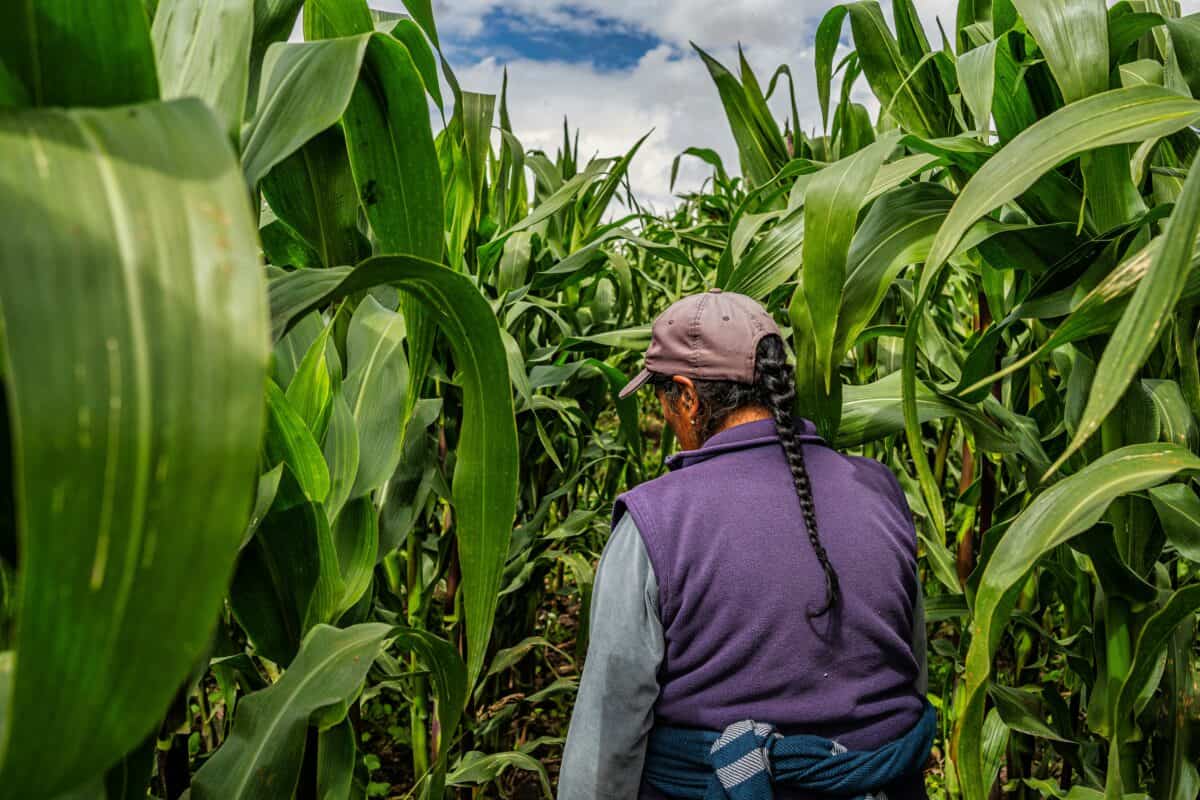
GCF works across diverse
The Fund can deploy grants, loans, equity, guarantees, and results-based payments across diverse contexts. More importantly, GCF deploys flexible and catalytic concessional financing instruments to de-risk conventional capital in mainstreaming climate action.
The flexibility that GCF financing provides is potentially along three dimensions of concessionality, sufficiently long tenors and structural subordination, which can be combined to develop bespoke structures that address structural challenges in project development. In summary, the project would not proceed without GCF’s concessional financing and therefore GCF’s participation acts as a strong catalyser of other capital, where the project will result in a paradigm shift in bringing socio-economic uplift and greater sustainability for the beneficiaries. This flexibility is one of GCF’s core differentiators.
Today, our portfolio is at more than USD 20 billion in GCF financing, covering sectors from energy and transport to agriculture, water, ecosystems, health, and early warning systems.
Q: Looking forward to 2030, as countries struggle to meet their emissions reduction promises of the Paris Climate Agreement, what will be the role of the Green Climate Fund in filling in financing gaps to develop green solutions?
A: By 2030, GCF’s role will be to help close the gap between ambition and investable projects in developing countries. GCF’s vision is to become the climate finance fund and partner of choice, with a sharper focus on speed, scale, private capital mobilization, and support for the most vulnerable. This matters because public finance alone will not be enough. GCF’s role is therefore not only to provide capital directly, but to use its flexibility and risk appetite to crowd in other sources of finance, structure investments that would not otherwise move, and strengthen national institutions so countries can sustain climate action over time.
The Fund is already demonstrating that catalytic role. GCF’s USD 20 billion investment is seeking to mobilise about USD 60

ADVERTISEMENT