
In 2000, only about 7 percent of Tanzanians had access to electricity. Today, that figure has grown to nearly 80 percent, representing one of the fastest electrification gains in Sub-Saharan Africa.
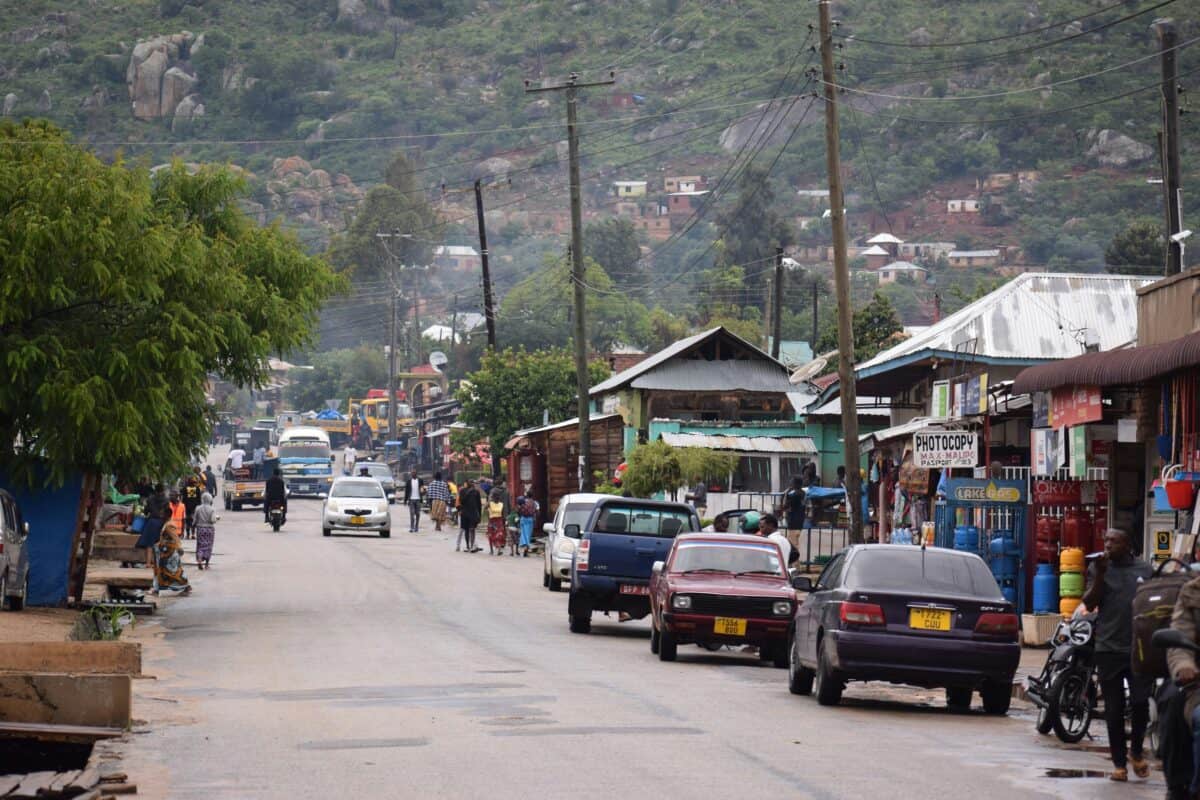
Across Tanzania’s bustling cities, access to electricity has expanded at a pace few would have imagined two decades ago, transforming daily life for millions of people.
According to the African Development Bank, Tanzania has become one of the standout performers under the Mission 300 initiative, with 7.5 million people gaining access to electricity. The Bank notes that this represents a five-fold increase in the average annual pace of electrification recorded before the programme, driven by stronger policy commitment, increased financing and renewed momentum across the energy sector.
Speaking at the 13th anniversary of the Energising Development (EnDev) programme in June this year, Tanzania’s Commissioner for Electricity and Renewable Energy Innocent Luoga said the market for clean cooking technologies and solar energy solutions has matured into a viable and bankable investment opportunity. With access to clean cooking rising from 6.9 percent in 2021 to 28.6 percent in 2025, the government is now targeting 80 percent adoption by 2034; a goal that will require substantial private-sector investment and innovative financing mechanisms to achieve.
Dr Adriano Pamain, a renewable energy researcher in the Physics Department at Tanzania’s University of Dodoma and author of a recent study examining the country’s renewable energy trajectory toward SDG 7, tells The Energy Pioneer that the public-sector has been vital to the country’s sustained advancements.
“In my view, the single most important factor behind Tanzania’s rapid electrification progress has been sustained public-sector commitment to rural electrification, implemented through institutions such as the Rural Energy Agency and supported by national policy, public financing, development partners, and grid-extension programs,” Dr Pamain says.
Tanzania’s Rural Energy Agency (REA), has overseen the expansion of electricity infrastructure into rural communities, connecting villages, schools, health facilities and businesses that previously lacked access to modern energy services.

Dr Pamain argues that “Large generation projects, especially hydropower, have increased supply, but the wider success has come from treating electrification as a national development priority rather than only an energy-sector issue.”
Electrification is vastly improving people’s daily lives. Reliable electricity “enables lighting for evening study, better school administration, use of digital learning tools, refrigeration of medicines and vaccines, improved health facility operations, and growth of rural businesses such as milling, welding, shops, phone charging, and agro-processing,” he adds.
Ultimately, electrification is not just about convenience; it is about expanding opportunities, improving wellbeing, and enabling social and economic development.
However, Dr Pamain was quick to caution that access statistics do not always tell the full story.
“While Tanzania has made remarkable progress in expanding electrification, actual household connections still lag behind physical access, especially in rural areas. This means that some communities may be close to the grid but still unable to connect due to affordability, wiring costs, income constraints, or reliability issues,” he says.
Clean Cooking
One of the most persistent challenges remains clean cooking.
Like many African countries, Tanzania continues to depend heavily on firewood and charcoal for household energy needs. This reliance on wood-based fuels contributes to deforestation, environmental degradation, and indoor air pollution.
Hydropower
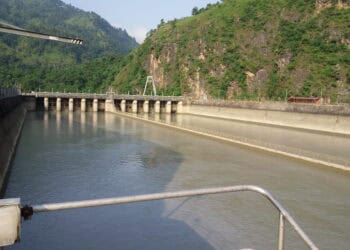
Hydropower remains the backbone of Tanzania’s renewable energy sector. The Julius Nyerere Hydropower Station is a mega-dam located at Stiegler’s Gorge, one of the largest energy infrastructure developments on the continent.
The Julius Nyerere Hydropower Project “has greatly increased installed renewable capacity and improved energy supply prospects. However, heavy dependence on hydropower also creates climate-related risks,” says Dr Pamain.
Changing weather patterns could undermine future electricity security.”If droughts, reduced river flows, or changing rainfall patterns become more frequent, hydropower output could decline, affecting electricity reliability, tariffs, and energy security. Climate change may also increase evaporation losses from reservoirs and create uncertainty in long-term hydropower planning,” he says.
Solar and Wind
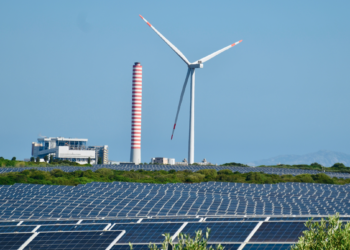
While Tanzania has strong solar, wind, biomass, and geothermal potential, solar and wind still contribute only a small share of installed capacity.
Expanding and diversifying renewables as well as “mini-grids, battery storage, and hybrid systems could reduce dependence on rainfall-sensitive hydropower and strengthen energy security,” he adds.
A Continental Leader
Tanzania has enormous potential, but so do Ethiopia, Kenya, South Africa and many other countries across Africa. With governments, investors and development partners increasingly prioritising renewable energy, countries across the continent are competing to demonstrate leadership in the energy transition.
Dr Pamain believes that Tanzania has the potential to become a continental leader in clean energy if it continues broadening its renewable energy portfolio and “if it moves from a hydropower-dominated transition toward a more diversified renewable energy system that supports households, public services, industries, and rural livelihoods.”
As Tanzania enters the next phase of its energy transition, it must ensure that energy remains affordable, reliable and resilient in a changing climate. If the country succeeds, it could provide one of Africa’s strongest examples of how sustained public investment in renewable energy can drive inclusive and sustainable development.