
Bangladesh’s government aims to develop 5,500 megawatts of rooftop solar capacity, alongside 4,500 megawatts of ground-mounted solar capacity. The country has set a target to raise its renewable energy generation to 20 percent by 2030.
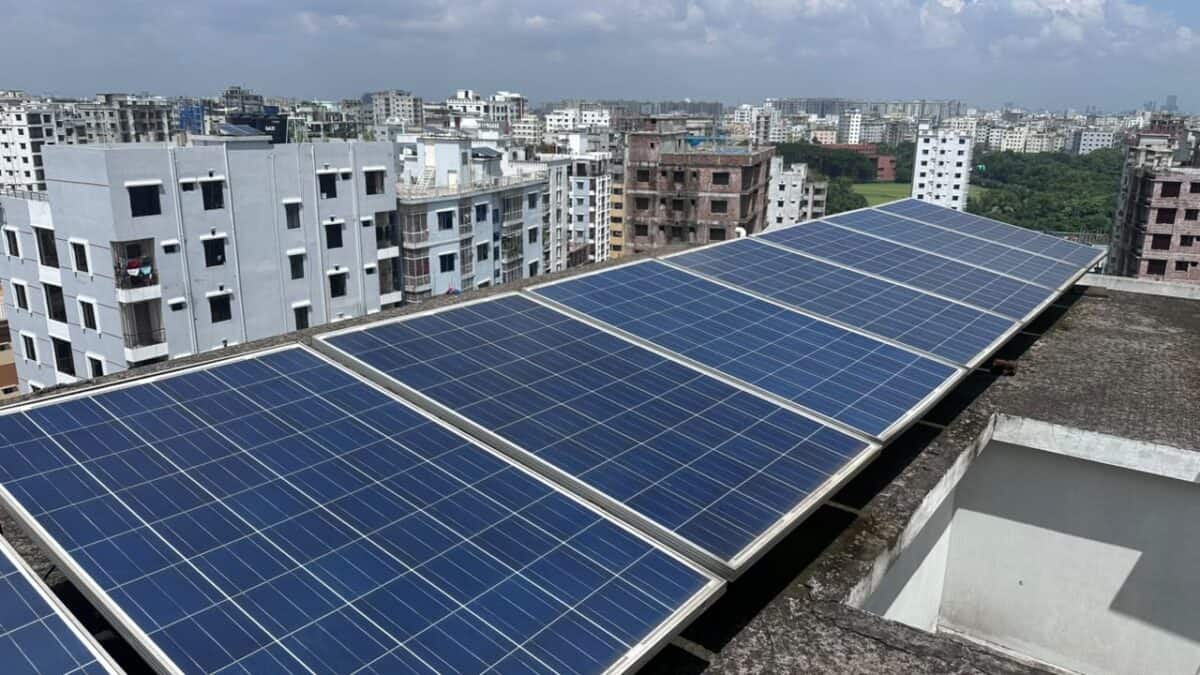
The energy sector is facing a crisis driven by excessive import dependency, declining domestic gas production, global geopolitical instability, management weaknesses, and system losses. According to generation reports from the Bangladesh Power Development Board (PDB), electricity demand reaches 16,000 to 17,200 megawatts on hot days and during peak hours. But supply typically falls short, ranging from just 13,000 to 13,300 megawatts. The daily deficit in the national grid often widens to between 1,500 and 2,800 megawatts, necessitating planned power outages in various neighbourhoods.
A New Government Faces an Energy Crisis
Addressing this issue is a major challenge for the new government, which has been in office for only seven months. It assumed power following the fall of Sheikh Hasina’s government in 2024, amid widespread public dissatisfaction and allegations of corruption. An interim government governed the country before the current administration came to power through general elections on February 12th of this year. Since then, the energy crisis has emerged as a key challenge. Regional instability, including disruptions to oil flows through the Strait of Hormuz, has further intensified these pressures.
To achieve its renewable energy targets, the government has announced special incentives for rooftop solar power generation and substantial tax incentives in the national budget.
On September 8, Anindya Islam Amit, State Minister for Power, Energy and Mineral Resources of the Government of Bangladesh, stated in the National Parliament, “A decision has been made to grant tax exemptions to commercial importers for the import of necessary equipment for solar power projects for the next six months. For a period of 180 days from the date of the notification, the imported equipment will be fully exempted from any customs duty, regulatory duty, supplementary duty, value-added tax (VAT), advance tax, and progressive income tax in excess of 1 percent.”
He added that “the government will purchase electricity at an attractive rate from those who invest in solar power projects within the next six months and supply surplus electricity to the national grid after meeting their own requirements.”

Closing the Renewable Energy Gap
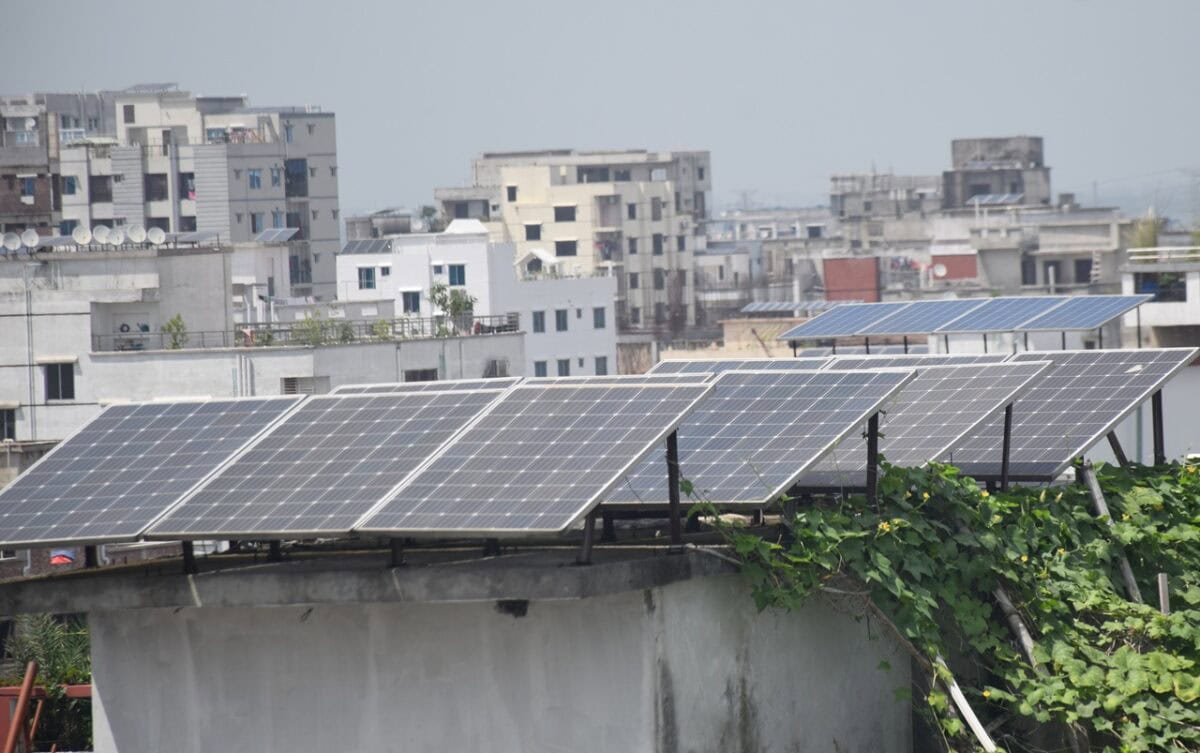
According to the Sustainable and Renewable Energy Development Authority (SREDA), the country’s current installed renewable energy capacity stands at 1,806.8 megawatts, representing 5.57 percent of the power sector’s total installed capacity of 32,457 megawatts.
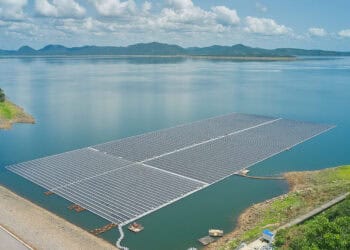
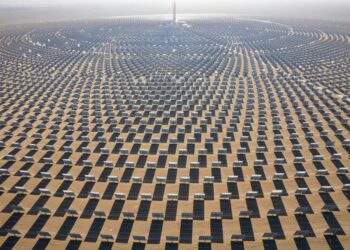
The new strategy document stipulates the addition of approximately 10,000 to 12,000 megawatts of renewable power capacity by 2030. This includes targets of 5,500 megawatts from rooftop solar, 4,500 megawatts from ground-mounted solar, and 500 megawatts from other sources such as wind, waste-to-energy, floating solar, and agro-solar.
The strategy document states that adding more than 10,000 megawatts of renewable generation to the national grid by 2030 will require improvements to grid reliability, stability and modernization. It also calls for battery energy storage systems (BESS) to help manage fluctuations from large-scale solar projects, with storage requirements applying in certain cases.
The emphasis has largely been placed on increasing rooftop solar power generation. To ensure the implementation of rooftop solar, provisions have been added to the Bangladesh National Building Code (BNBC) requiring the utilization of 30 to 70 percent of suitable roof space, depending on the consumer category. It also mandates the installation of solar power systems on buildings, garages, bridges, and other suitable infrastructure within ongoing and future development projects. Ground-mounted solar power has been designated as the second priority. While a target of 4,500 megawatts has been set for this category, the strategy emphasizes limiting the use of agricultural land, considering impacts on biodiversity and the environment, and minimizing the risk of human displacement.
The Government of Bangladesh has also issued a special incentive package for the installation of rooftop solar power systems equipped with batteries, aiming to ensure sustainable energy security.
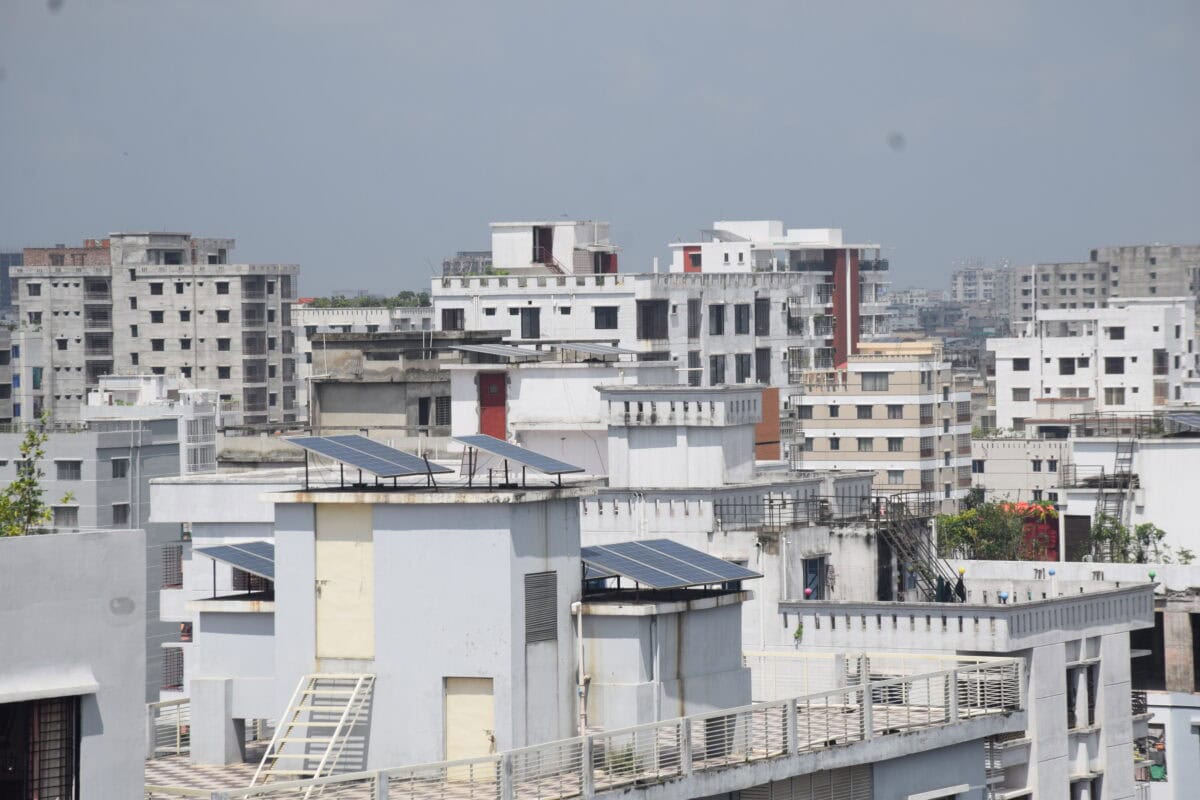
According to the new notification, the maximum generation cost per unit for rooftop solar power (including batteries) has been set at eight taka (USD 0.07). As part of the special incentive, a 20 percent profit margin and an 11.25 percent premium are added to this generation cost, setting the price at 10.50 taka per unit (USD 0.09). If a customer manages to install such a solar power system at a cost lower than the stipulated amount, the savings will be considered their profit.
Under the government notification, customers who install rooftop solar systems by February 28, 2027, and supply surplus electricity to the national grid after meeting their own consumption needs, will receive this rate for the electricity supplied to the grid for the following three years, through February 28, 2030.
M. Zakir Hossain Khan, an energy analyst, Managing Director of Change Initiative, said, “The OPEX (Operational Expenditure) model eliminates the need for upfront investment; rooftop solar aligns well with Bangladesh’s land constraints. District-level service providers can foster a local entrepreneurial ecosystem; and industries facing power shortages now have stronger incentives to achieve energy sovereignty through renewable energy.”
Shafiqul Alam, Lead Energy Analyst at the Institute for Energy Economics and Financial Analysis (IEEFA), said, “There are positive aspects to the government’s new plan regarding renewable energy. Incorporating tax waivers for rooftop solar, benefits for both CAPEX and OPEX models, guarantees for large projects, tariff structures, demand management, and energy efficiency into a single discussion is a commendable initiative…Better results could be achieved by considering demand management, consumption patterns, energy efficiency, and the expansion of renewable electricity in a holistic manner.”
Implementation Challenges
But transparency is vital to ensuring accountability. M Shamsul Alam, Energy Adviser to the Consumers Association of Bangladesh (CAB), stated, “The current crisis in the power sector is not primarily technical; rather, it is a crisis of policy and governance. Therefore, simply building new power plants will not solve the problem. Instead, a framework must be established that ensures cost-effective electricity generation, accountability, and consumer rights.”
He added that “engaging thousands of small entrepreneurs would not only boost production and create jobs but also reduce reliance on imported fuel.” Decentralized rooftop solar offers a practical way to achieve that flexibility and independence.
Mostafa Al Mahmud, President of the Bangladesh Sustainable and Renewable Energy Association, said, “This benefit is conditional rather than open to everyone. Achieving the target of generating 10,000 megawatts of solar power over the next five years will involve a vast number of projects; therefore, an efficient coordination team is needed to manage them.”
Khan remarked, “The biggest risks involve financing opportunities, grid readiness, and administrative delays. While Bangladesh Bank can provide low-cost green refinancing, there remains a lack of effective retail financing mechanisms for households and SMEs. Grid balancing, forecasting, and the modernization of transmission systems are essential; furthermore, there is still no mandatory timeframe for approving net-metering.”
He called for a “prosumer” law covering both grid-connected and off-grid renewable energy producers, as well as faster net-metering approvals, including a provision for automatic approval.
Alam, of the IEEFA explained that “whether the renewable energy capacity targets are achieved will depend on how effectively the government plans, monitors, and makes necessary adjustments.”
A Resolve to Move Forward
Despite immense potential, Bangladesh lags behind other countries in South Asia and the Global South regarding the integration of renewable energy. Nepal and Bhutan rely heavily on hydropower, sourcing 99 to 100 percent of their electricity from it. India generates 21 to 22 percent of its electricity from solar, wind, hydro, and biomass sources, while Pakistan derives approximately 30 percent from renewable energy. By contrast, Bangladesh currently generates only 2.3 to 5.6 percent of its total electricity from renewable sources.
As a nation on the front lines of the climate crisis, Bangladesh cannot afford to delay its transition to renewable energy despite its recent political turmoil. Expanding rooftop solar could provide the push needed to encourage households and businesses to adopt renewables while the government continues to build a more coherent and sustainable national energy strategy.