

The Energy Pioneer
No Result
View All Result
  • Home
  • Clean Tech
  • Renewable Energy
  • Green Finance
    • Crash Course
    • Private Financing
    • Public Financing
    • Carbon Markets
  • Policy
  • Regions
    • Africa
    • Asia
    • West Asia
    • Latin America
    • North America
    • Europe
  • Features
  • Who We Are
    • About Us
    • Contact Us
    • EP Investing
  • Home
  • Clean Tech
  • Renewable Energy
  • Green Finance
    • Crash Course
    • Private Financing
    • Public Financing
    • Carbon Markets
  • Policy
  • Regions
    • Africa
    • Asia
    • West Asia
    • Latin America
    • North America
    • Europe
  • Features
  • Who We Are
    • About Us
    • Contact Us
    • EP Investing
No Result
View All Result
The Energy Pioneer
No Result
View All Result
  • Home
  • Clean Tech
  • Green Finance
  • Policy
  • Renewable Energy
  • Regions
  • Features
  • Who We Are
Home Features

Addressing Off-Grid Energy Supply Chain Fragility: A View from Malawi, Mozambique and Ethiopia

byFeatured Expert: Joshua KirshnerandFeatured Expert: Harshit Vallecha
May 28, 2026
Reading Time: 3 mins read


RELATED POSTS

Egypt’s Sustainable Public Transport Transition

Leapfrogging Fossil Fuels: Ethiopia Bets Big on Electric Vehicles

Powering Indonesia’s Islands: The Case for Floating Solar PV

Solar minigrid at Sitolo, Malawi- Photo by Harshit Vallecha

Pursuing universal energy access in Africa is predicated on the deployment of decentralized, off-grid renewable energy systems. Drawing on examples from community-led energy initiatives in Ethiopia, Malawi, and Mozambique, we traced how the development and management of off-grid energy systems is constrained by multiple, systemic supply chain fragilities. 

In our study, we conducted field visits between 2022 and 2024 across Southern and East Africa to investigate these supply chain bottlenecks. Our findings point to three main challenges: geographic barriers, technological and financial constraints, and governance-related regulatory hurdles. 

From The Energy Pioneer

Meet EP Investing — now live and free through July 15th.

1,300+ companies · 350+ investors · 185+ grants. Capital discovery for the energy transition.

EP Investing is now live
Register Free →


Geographic Barriers

While decentralized renewable energy systems have been shown to be more resilient to a range of shocks than centralized grids, their practical deployment is inhibited by unpredictable globalized supply chains and local logistical challenges. 
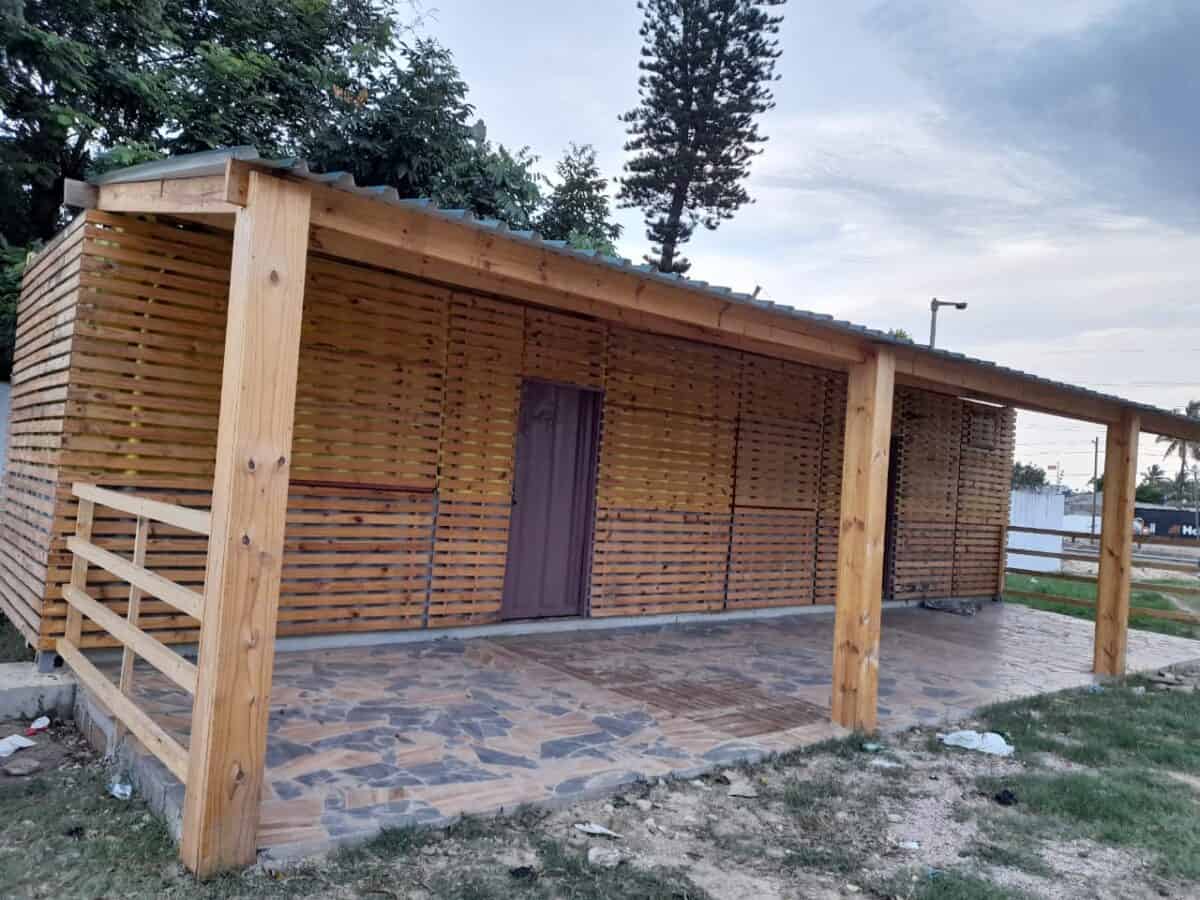
A community energy demo site in the Chamanculo area of Maputo, set up through the CESET project – Photo by Harshit Vallecha

Landlocked states such as Ethiopia and Malawi must navigate multiple layers of customs clearance and varying modes of transport to deliver equipment and components from neighbouring ports, Djibouti in the case of Ethiopia, and Beira or Nacala in the case of Malawi.

Buy JNews
ADVERTISEMENT

Internal logistics are equally challenging: limited and poorly maintained road and rail networks complicate the transportation of bulky equipment to remote rural areas. These vulnerabilities are exacerbated by climate-induced risks. Notably, Cyclone Idai and Tropical Storm Ana caused destructive impacts that damaged physical energy infrastructure and disrupted fragile equipment supply chains essential for ongoing energy services affecting energy access and shortages of critical components.

Technological and Financial Constraints

Technologically, the sector suffers from dependence on Global Production Networks (GPNs), with a disproportionate reliance on Chinese manufacturing, especially for solar PV system components. This dependency exposes project developers to international market shocks and trade volatility. 
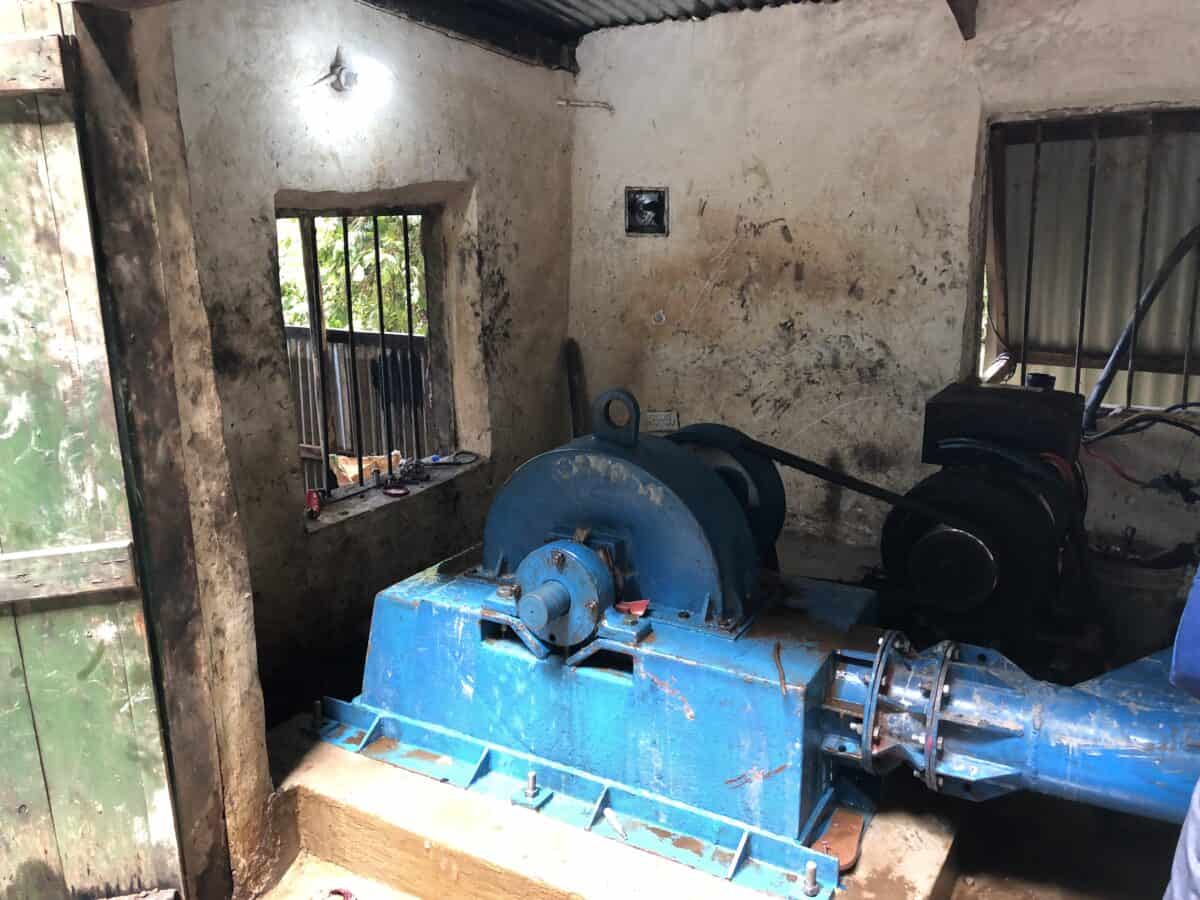
Chipopoma microhydro at Manchewe, Malawi- Photo by Harshit Vallecha

Without a diversified market, a critical consequence of this lack of local industrial integration is the “repair-or-replace” dilemma. The absence of domestic spare part inventories and specialized technical labour often renders minor component failures terminal for entire projects, along with the accumulation of off-grid waste. Lack of local markets and unstructured sourcing of components result in higher transportation costs and often prevent project developers from receiving standard warranty support for imported equipment. 

Compounding these technological difficulties is a long-term Foreign Exchange (Forex) liquidity crisis. In Ethiopia and Malawi, the time lag between local currency mobilization and the acquisition of US dollars for imports, ranges from 12 to 24 weeks, exposing developers to substantial inflationary pressures and currency devaluation risks. This undermines the financial viability of solar home systems and other off-grid energy initiatives before they reach users on the ground.

The misalignment between high-level energy policy and fiscal regulation presents a barrier to development of the off-grid energy sector. Despite stated national commitments to renewable energy adoption, the prevailing tax regimes in many jurisdictions are unsupportive and even counterproductive.
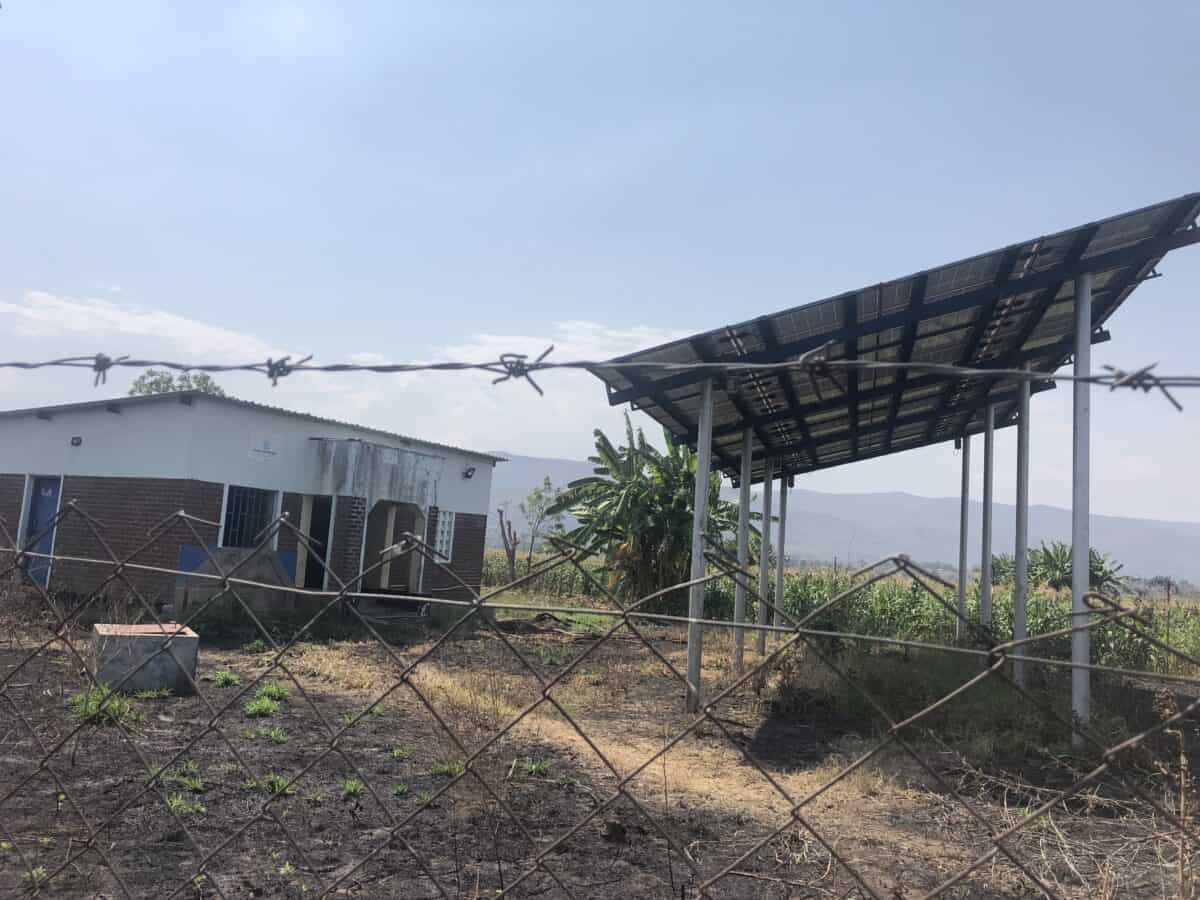
 

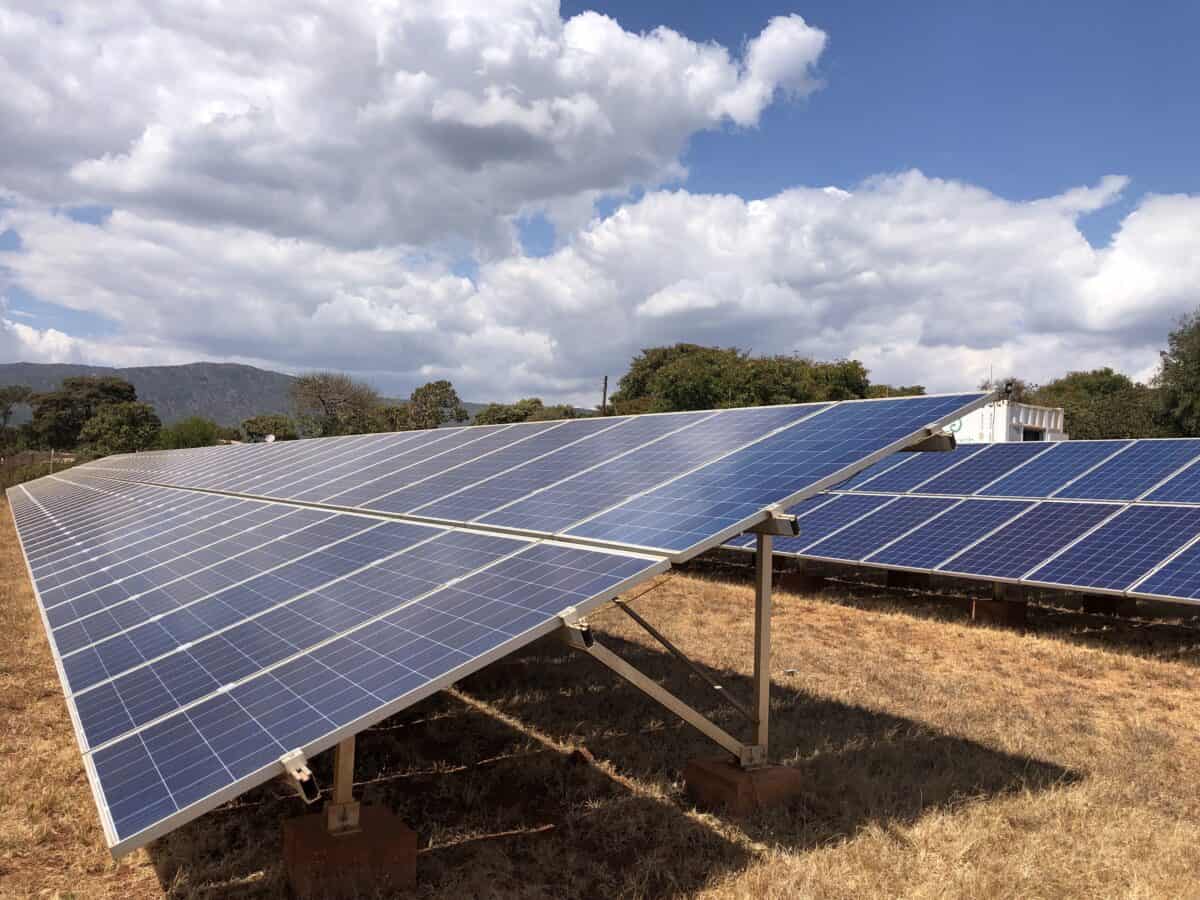
Solar microgrid at Mwalija, Malawi. View from underneath the solar panel with the mounting hardware- Photo by Harshit Vallecha

In Mozambique, the cumulative impact of import duties of VAT and port fees can raise project costs by nearly 50%. Even where exemptions exist, as in Ethiopia, they are often applied inconsistently to ancillary components, such as wiring and mounting hardware, which are as vital as the panels themselves. 

Technical capacity gaps within customs administrations compound existing bottlenecks; the misclassification of specialized renewable energy components leads to protracted bureaucratic delays, sometimes exceeding eight months. This administrative inertia reflects a lack of coordinated governance, where fiscal objectives are prioritized over energy security and rural development.

Governance Regulatory Hurdles

To address these systemic constraints, a shift from mere procurement to strategic regional integration is needed. In the short term, policy interventions could focus on reviewing tariffs and duties on import of off-grid system components. Customs procedures should be streamlined and digitalised while ensuring transparency in tracking of imports through project developers. 

Additionally, governments should initiate green economy channels for the prioritized allocation of Forex to energy developers. Aggregated procurement models, facilitated by national trade associations, could allow smaller enterprises to achieve economies of scale and secure more robust manufacturer warranties. 
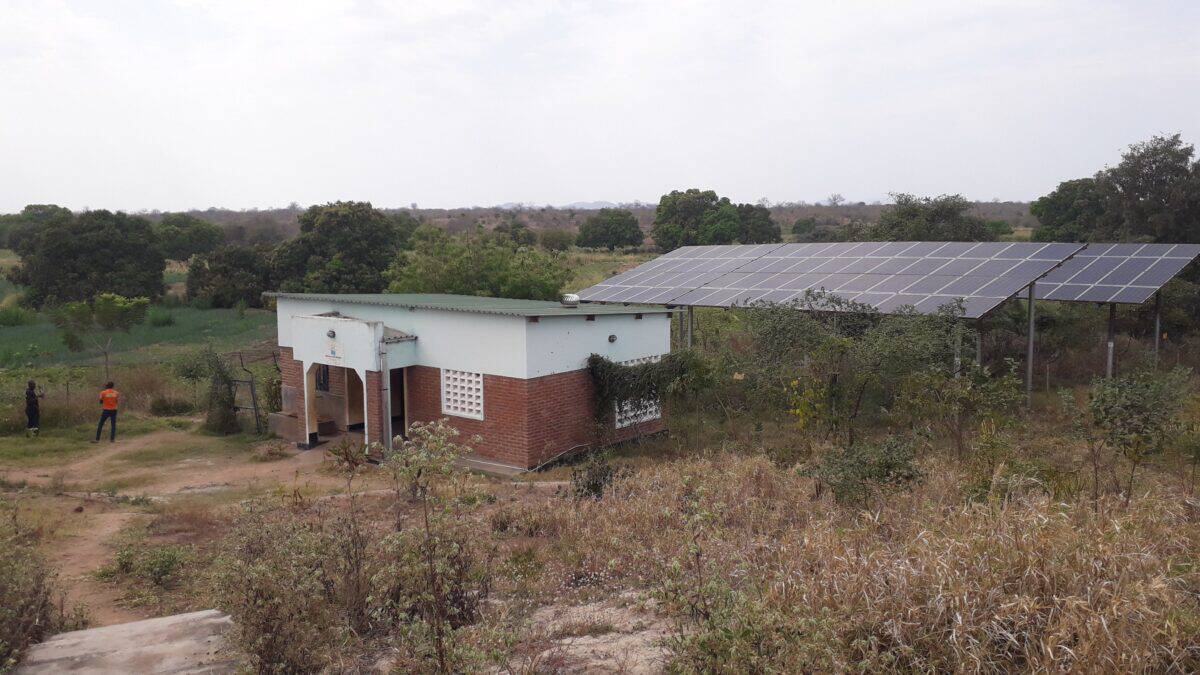
Malawi mini grid- Photo by Joshua Kirshner

In the longer term, Africa’s energy transition could be supported by the development of regional manufacturing hubs and the promotion of cross-border infrastructure and intracontinental trade networks, such as through the African Continental Free Trade Area (AfCFTA), ratified in 2021. 

A potential approach could be to begin with local manufacturing of ancillary components, such as inverters, cables and mounting structures, which typically account for more than half of the cost in solar PV systems. By leveraging resource endowments such as Mozambique and Malawi’s mineral wealth for producing sub-components like transformers and conductors, the region can begin shifting from reliance on imported technologies toward participation in renewable energy value chains.

This shift is essential to transform off-grid energy in the region from fragmented decarbonization efforts toward a more integrated network that directly contributes to renewable energy supply chains.


From The Energy Pioneer

Meet EP Investing — now live and free through July 15th.

1,300+ companies · 350+ investors · 185+ grants. Capital discovery for the energy transition.

EP Investing is now live
Register Free →
Tags: Off-grid renewable energy AfricaRural electrification AfricaSolar PV systems Africa
ShareTweetShare
Featured Expert: Joshua Kirshner

Featured Expert: Joshua Kirshner

Joshua Kirshner is a geographer and co-director of the Interdisciplinary Global Development Centre (IGDC) at the University of York. His research examines off-grid energy access in the urbanising global south, extractive resource frontiers, and urban climate adaptation, with a focus on southern Africa and Latin America. He was a member of CESET (Community Energy and the Sustainable Energy Transition in Ethiopia, Malawi and Mozambique), a UKRI-funded project with partners at several African and UK universities.

Featured Expert: Harshit Vallecha

Featured Expert: Harshit Vallecha

Harshit Vallecha is a Postdoctoral Research Associate at Sheffield Hallam University (UK). His research spans sustainable energy access, community energy systems and climate resilience in the Global South. He has worked as a Research Associate for the CESET project and is currently working on UKRI-funded JustGESI (Mainstreaming Gender Equality and Social Inclusion for a Just Energy Transition in Ethiopia, Malawi, Mozambique, and Tanzania) program.

Related Posts

Egypt’s Sustainable Public Transport Transition
Green Finance

Egypt’s Sustainable Public Transport Transition

May 27, 2026
Leapfrogging Fossil Fuels: Ethiopia Bets Big on Electric Vehicles
Electric Vehicles

Leapfrogging Fossil Fuels: Ethiopia Bets Big on Electric Vehicles

May 25, 2026
Powering Indonesia’s Islands: The Case for Floating Solar PV
Solar

Powering Indonesia’s Islands: The Case for Floating Solar PV

May 22, 2026
El Niño Is Testing Climate Infrastructure
Clean Tech

El Niño Is Testing Climate Infrastructure

May 20, 2026
AI Runs on Electricity and Malaysia Is Vulnerable
Energy Efficiency

AI Runs on Electricity and Malaysia Is Vulnerable

May 19, 2026
Mozambique’s Bid to Build a Homegrown EV Industry
Electric Vehicles

Mozambique’s Bid to Build a Homegrown EV Industry

May 18, 2026

Popular Stories

  • The Race to Host AI: Data Centres in Water-Scarce India

    The Race to Host AI: Data Centres in Water-Scarce India

    0 shares
    Share 0 Tweet 0
  • Caught Between India’s Military Ambitions and Green Promises: The Future of the Andaman and Nicobar Islands

    0 shares
    Share 0 Tweet 0
  • Vietnam’s Oil Buffer Faces Pressure as the Iran War Disrupts Global Oil Flows

    0 shares
    Share 0 Tweet 0
  • South Sudan’s Missed Opportunity: Untapped Renewables Leave Millions in the Dark

    0 shares
    Share 0 Tweet 0
  • The Philippines’ Nuclear Gamble

    0 shares
    Share 0 Tweet 0

Actionable Info

From The Energy Pioneer

Meet EP Investing — now live.

1,300+ companies · 350+ investors · 185+ grants

Free through July 15th

Register Free →

The Energy Pioneer

The Energy Pioneer covers the global energy transition — from clean tech and green finance to policy and renewable energy.

Recent Posts

  • Addressing Off-Grid Energy Supply Chain Fragility: A View from Malawi, Mozambique and Ethiopia
  • Egypt’s Sustainable Public Transport Transition
  • Leapfrogging Fossil Fuels: Ethiopia Bets Big on Electric Vehicles

Quick Links

  • Home
  • Clean Tech
  • Renewable Energy
  • Green Finance
  • Policy
  • Regions
  • Features
  • Who We Are

© 2026 The Energy Pioneer | All Rights Reserved. |

From The Energy Pioneer

You read about the energy transition. EP Investing is where it happens.

Source deals, raise capital, hire talent, track the market. Free through July 15th.

No thanks
Please enter a valid email.
You're in. We'll be in touch with your access link soon.
No Result
View All Result
  • Home
  • Clean Tech
    • Electric Vehicles
    • Energy Efficiency
    • Green Hydrogen
    • Smart Grid
    • Battery Storage
  • Green Finance
    • Public Financing
    • Private Financing
    • Carbon Markets
  • Policy
  • Renewable Energy
    • Wind
    • Solar
    • Hydropower
    • Nuclear
    • Hydrogen
    • Fossil Fuels
    • Geothermal
  • Regions
    • Africa
    • Asia
    • Europe
    • North America
    • Latin America
    • West Asia
  • Features
  • Who We Are
    • About Us
    • EP Investing
    • Contact Us

© 2026 The Energy Pioneer | All Rights Reserved. |