

Kresge is one the largest private philanthropic foundations in the United States. They work to expand equity and opportunity in American cities through grants and social investments. In this Q&A Shamar Bibbins, Managing Director of the Environment Program at The Kresge Foundation discusses community-led approaches to climate resilience, clean energy, and environmental equity.
Q: What is the role of philanthropic capital in developing clean energy projects in underserved communities?
A: Money alone is not the main barrier standing between low-wealth communities and clean energy. Financing is essential, but in our experience at The Kresge Foundation, we believe what’s often missing first is the groundwork that makes financing possible, including feasibility studies, community engagement, technical planning, and the partnerships needed to sustain a project over time.
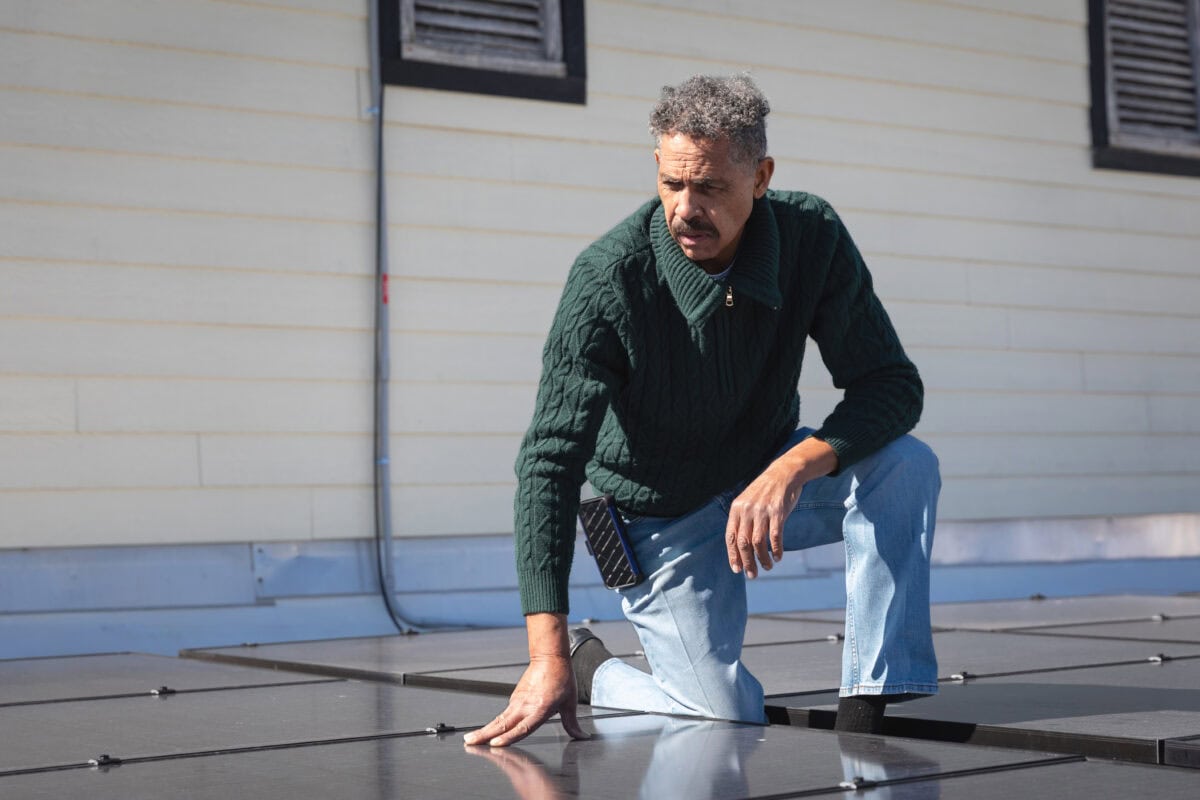
That early-stage work is one place where philanthropic capital can play a unique role. For years, Kresge has used grant support to help community organizations, green developers, and local partners do that foundational work, building solar and clean energy project pipelines and the trust and collaboration and ecosystems that surround them. We see our role as keeping progress moving between the big policy moments, so that communities aren’t starting from scratch every time an opportunity opens up.
In New Orleans, for example, a community solar project had already spent years building local partnerships and completing the early development work needed to move toward implementation. When anticipated federal Solar for All funding was pulled, the project was far enough along that philanthropic dollars could help move it across the finish line. Without those earlier investments in planning and relationship building, the project likely would not have survived.
That’s what we’re trying to do more broadly: make sure communities are positioned and ready, so that when the next wave of public investment arrives, they can move quickly and confidently and with the authentic and trusted partners needed already in place.
Q: How does generating collaboration between various stakeholders and community organizations contribute to the broader goals of environmental protection and an equitable energy transition?

A: We believe that, at its core, equitable change only happens when the people most affected by a problem have a meaningful role in shaping the solution. That community voice also needs to be connected to the technical expertise, the right policy levers, and the financial tools needed to act on it.
Collaboration isn’t just a value we hold, it’s how we believe change actually gets made. In practice, the right people are already doing important work: community organizations, solar developers, finance institutions, water utilities, and local governments. But they may not be collaborating. Philanthropy can help bring those groups together and create the conditions for real partnership.
In Detroit and New Orleans, we’re continuing to convene organizations even during this challenging time. Many groups had developed ambitious plans tied to federal climate investments, and while most of those funds are paused or uncertain, the partnerships and community relationships remain.
We’re also working to help foundations coordinate themselves better. For too long, philanthropy has funded flooding work here, wildfire work there, and extreme heat separately, and the field has rightly asked us to be more integrated. Kresge is currently part of a funder collaborative with a few other large foundations to build a more connected and cohesive US adaptation and resilience field so our investments reinforce each other rather than operate in isolation.
Q: Can you describe the work of Kresge across its main areas in environmental work (EJET, CCHE, CREWS)?
A: We’ve arrived at our focus areas by asking: where do low-wealth communities in cities face the most serious and direct impacts from climate change? We kept coming back to energy, water, and health, and those became the foundation of our work.
Our Equitable and Just Energy Transition (EJET) work focuses largely on city decarbonization through buildings and distributed clean energy systems. As cities pursue climate goals, we want to ensure that residents with low incomes are not left to shoulder the costs of the transition while others reap the benefits. We work closely with city leaders, community organizations, and local partners to advance approaches that center equity alongside emissions reductions.
Our Climate Resilient Equitable Water Systems (CREWS) portfolio focuses on urban flooding, which hits low-wealth neighborhoods especially hard. When we launched CREWS nearly a decade ago, green stormwater infrastructure was still considered an emerging approach in many cities. Kresge supported early pilots, peer learning, and partnerships that demonstrated how green infrastructure could complement or improve traditional systems. Today, many cities are adopting those approaches more broadly, and we continue working to ensure resilience investments benefit the communities most vulnerable to climate impacts.
Our Climate Change, Health, and Equity (CCHE) Initiative grew from the recognition that climate change is also a public health crisis. We wanted to better connect climate impacts like extreme heat, poor air quality, and flooding, and their associated health effects, including cardiovascular and respiratory illness, chronic disease, and mental health trauma.
Through CCHE, we bring together community organizations, hospitals, nurses, doctors, and public health leaders in learning cohorts that help build long-term relationships and cross-sector collaboration. It has become the largest initiative at The Kresge Foundation, with partnership
across five of Kresge’s seven program teams, because we increasingly see health as central to climate resilience and community wellbeing.
Q: How does Kresge address the challenges posed by each city’s unique environmental and social factors?
A: Kresge focuses much of its place-based work in Detroit, New Orleans, Fresno, and Memphis, and we rely heavily on colleagues and partners embedded in those communities to help us understand local priorities, history, and needs.
A good example is the expansion of our Climate Change, Health, and Equity Initiative into all four of Kresge’s focus cities last year. Rather than approaching the work with a predetermined list of organizations, we worked closely with local partners to identify who was already addressing climate and health challenges on the ground.
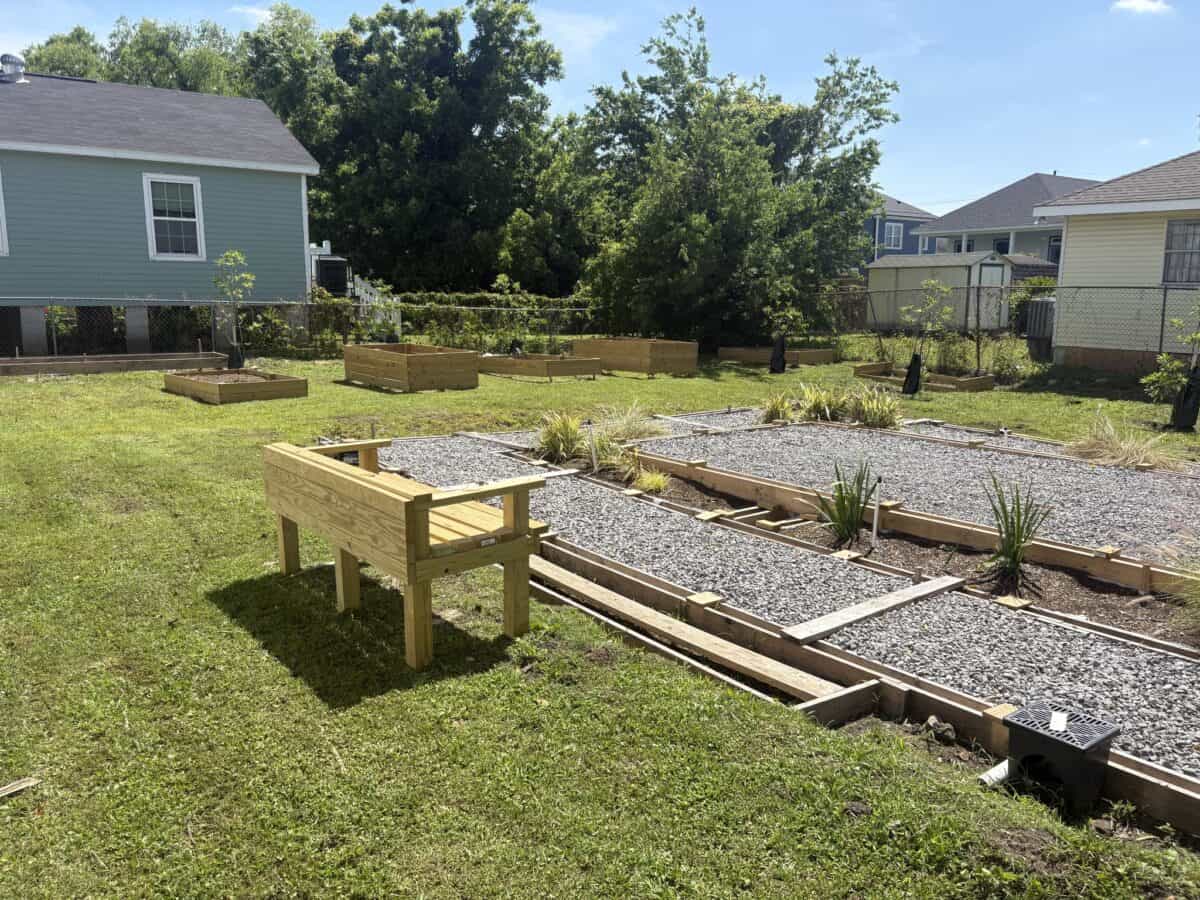
What we found was that some of the most impactful organizations didn’t necessarily identify themselves as environmental groups. They were community development organizations, food sovereignty leaders, and neighborhood based groups focused on economic opportunity and public health that were all deeply connected to climate resilience in practice.
That approach strengthens our work in two ways. First, it grounds our strategy in actual local conditions rather than outside assumptions. Second, it diversifies what we learn, because a community development organization and a traditional environmental justice group may approach climate resilience very differently.
Detroit, New Orleans, Fresno, and Memphis are genuinely different places with different histories, industries, climate vulnerabilities, and political contexts. We respect those differences and let them shape the work rather than applying a one-size-fits-all approach.
Q: How does working on projects such as community solar and green stormwater infrastructure develop stakeholder interest in the green transition?
A:There’s something that a real, physical project does that a policy report or a funding announcement simply can’t: it makes the transition tangible. When a community health clinic has solar panels on its roof and energy bills go down, people experience that directly. When a neighborhood that used to flood regularly has green infrastructure that actually absorbs the water, residents notice. Those projects shift the conversation from abstract possibility to demonstrated reality.
With green stormwater infrastructure, we saw this happen over the past decade. Cities that adopted these approaches early became proof points for others. Water managers are often most persuaded by peer cities that have already demonstrated what works, and those early projects created a ripple effect that spread across the field much faster than we could have through traditional advocacy.
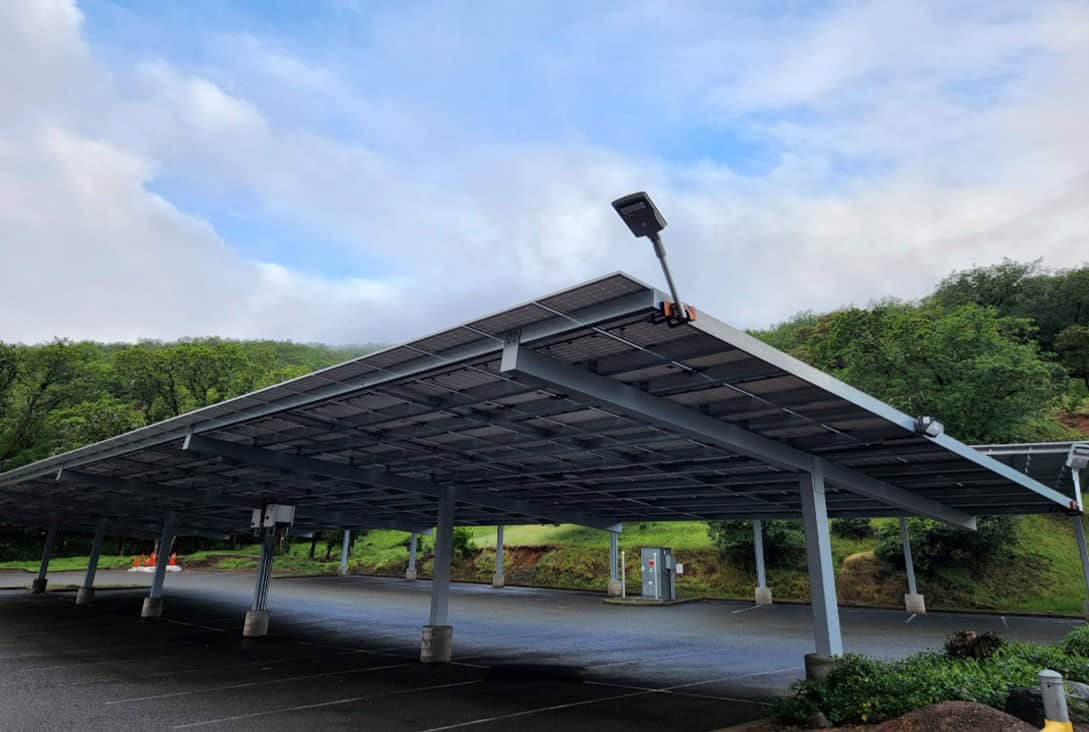
With community solar and other clean energy projects, we’re in a more uncertain funding environment right now, but the relationship building work continues. In Detroit and New Orleans, we’re still bringing together solar developers, community organizations, and local finance partners so they understand each other’s priorities and projects.
The New Orleans project I mentioned earlier succeeded because those relationships already existed when the funding crisis hit. You can’t build that kind of trust quickly. So even when investment dollars slow down, the work to connect people has to keep going, because that’s what makes everything else possible.
Q: Can you discuss the importance of self-determination in communities facing energy and economic inequality?
A: Self-determination matters to us both as a value and as a practical matter. Communities that have genuine decision-making power over the solutions affecting them tend to produce stronger and more lasting outcomes. When people have a real role in shaping projects and policies, they have a greater stake in making those efforts successful over time. When solutions arrive from the outside, they often don’t last.
Our grantee partners have been direct with us about this, and it’s made our work better. Early in our CCHE Initiative, the organizations we were funding were ahead of us, they were talking about community power and the right of people to shape decisions that affect their own lives. They challenged us to make sure our language and our grant structures actually reflected that. They were right, and we changed.
In energy specifically, self-determination means that community organizations aren’t just the recipients of a project someone else designed. They’re at the table when financing structures are being built. They choose their own technical partners. They help decide where a solar installation or a resilience hub gets sited and what it needs to serve the community well. When an organization drives its own energy planning process, even with outside support, it owns that work in a way that changes everything that follows.
For communities that have lived with disinvestment for generations, the clean energy transition is a genuine opportunity to create cost savings, cleaner air, and local jobs. But opportunity doesn’t automatically translate into benefit. That only happens when people have a real seat at the table and structures of accountability are in place from the start.