
It’s almost the end of summer, but Appliance Traders Limited (ATL), one of Jamaica’s largest appliance companies, continues to see people flocking to its stores to purchase air conditioning units.
ATL Commercial Director Bryan Stephens had anticipated increased demand after weather advisories warned that temperatures would be warmer than normal due to El Niño. However, despite increasing its stock of air conditioning units, the company has been surprised by just how strong demand has been.
“There has been a significant uptick, so much so, that we ran out of stock for our 18000 BTU (British Thermal Unit) and 24000 BTU units in July.”, Stephens said.
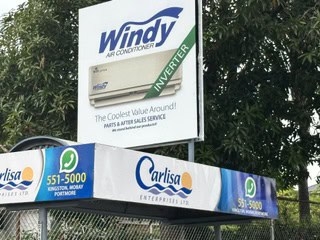
Other local companies like Carlisa Enterprises Limited also reported some units being sold out during the summer rush.
The demand coincides with temperatures being hotter than normal across the island. Like many countries around the world, Jamaica has been experiencing soaring temperatures since May, as intense heatwaves have affected parts of South Asia and Europe.
In June, eleven out of fourteen of Jamaica’s administrative parishes recorded their lowest rainfall levels in 30 years, prompting the National Water Commission to implement strict water restrictions in several parishes.
According to Jacqueline Spence Hemmings, Head of Climate Services at the Meteorological Service of Jamaica, the island recorded two heatwave days in May, while weather stations across Jamaica have continued to record extremely high temperatures throughout the summer. These above-normal temperatures are expected to persist through the end of August.

Stephens believes it may explain why more Jamaicans started to purchase larger AC units earlier in the season. While the company sells air conditioning units all year round, the smaller units are usually in higher demand.However, he said sales surged for larger units, driven not only by commercial demand but also by residential customers seeking more powerful units to stay cool.
ATL has seen a 60% increase in AC unit sales since June compared with the corresponding period in 2025, , with sales peaking in July. “It was unprecedented the number of ACs that we sold this year, we wish we had more of the required units to sell [to meet demand], but we have ordered more”, Stephens said.
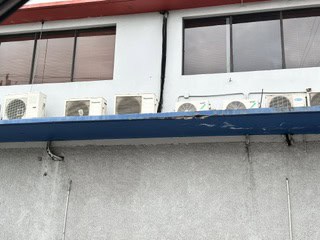
The adoption of air conditioning in Jamaica has placed an increased load on the island’s power grid. Jamaica Public Service (JPS) said the island’s electricity demand has climbed to its highest level so far this year, with peak demand rising from 669 MW in June to 683 MW as of July 16 and continuing to climb in August. The utility provider has attributed the surge to a change in consumer behaviours as people use more energy to stay cool due to ongoing heat and dry spell.
However, with El Niño conditions expecting to linger into 2027, climate scientists say the dependence on energy-intensive cooling solutions is concerning. Most of the AC units being sold require electricity from a fossil fuel-dependent grid, which contributes to higher greenhouse gas emissions and, in turn, hotter days that increase demand for air conditioning. And so the cycle continues.
Professor Tannecia Stephenson, Climate scientist at the University of the West Indies, explained that ACs emit hydrofluorocarbons, which are among the most potent greenhouse gases. “Emitting one of these gases is 100 times more effective [at trapping heat] than carbon dioxide. So they are massive climate change drivers”, he said.
Dr. Stephenson explained that air conditioning essentially creates a feedback loop that contributes to climate change. Air conditioning works by pulling heat from a hot space and channeling it outdoors. Currently, the planet is 1.1 degrees hotter than preindustrial times. By 2030, it is estimated that 500 million people globally, especially in regions like South Asia and the Middle East, will be exposed to extreme heat, like heatwaves, for at least 30 days a year, according to the United Nations. Even more concerning, Planning Institute of Jamaica Director General Dr. Wayne Henry said that Kingston, Jamaica’s capital, is among the first cities globally expected to experience climate departure.
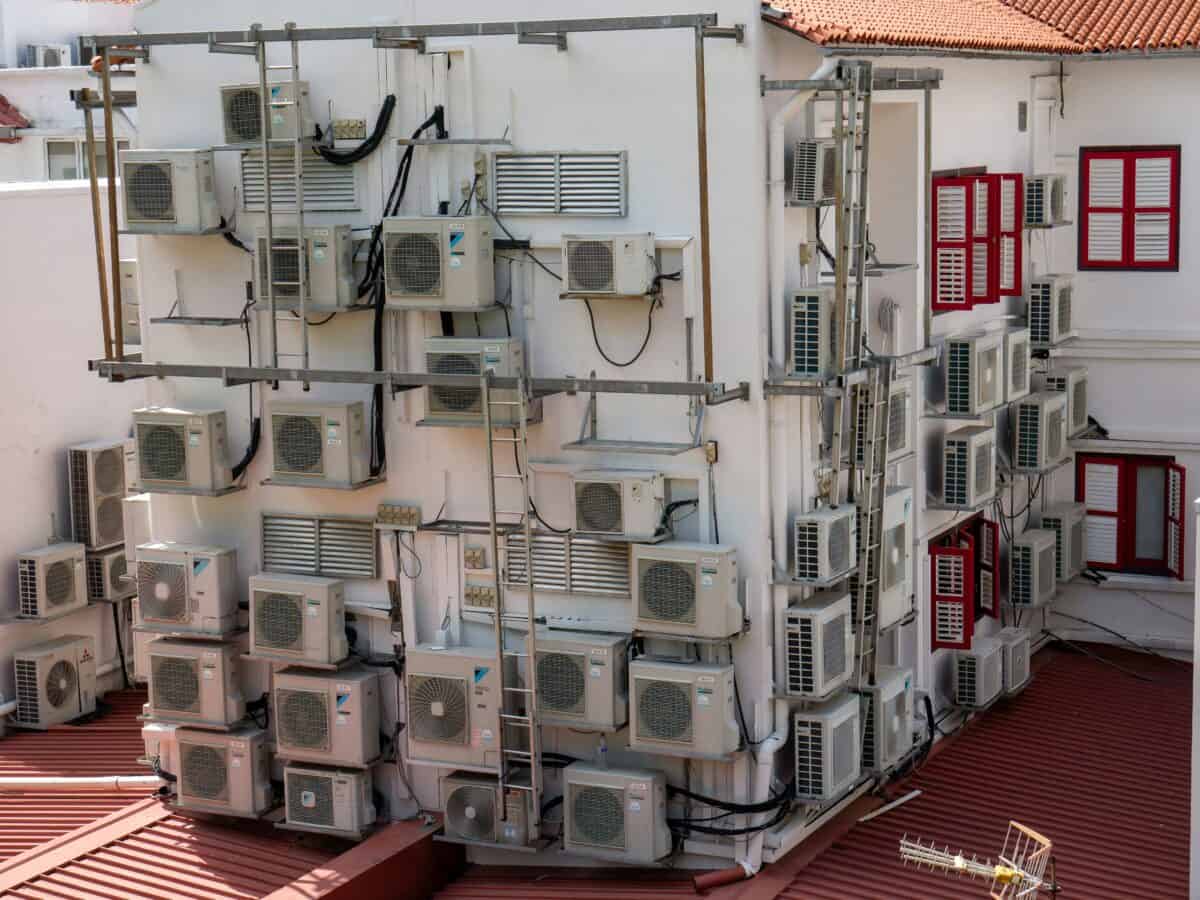
While there have been no reports of heat-related deaths in Jamaica so far this year, European media have been reporting hundreds of heat-deaths for 2026. Studies show that air conditioning has cut heat-related deaths by 75% in places like the United States, according to Covering Climate Now.
Stephenson believes that AC is not the only solution. Nature-based solutions can be useful in reducing indoor heat and heat in warming cities like Kingston. Planting more trees along roads and sidewalks and around bus stops, as well as incorporating green roofs into housing designs, can help cool these areas. Other measures, such as using reflective paint on sidewalks, can also help lower temperatures.
In the long term, ultra-low energy alternatives, like phase change materials, are also being considered. These materials can absorb heat as they change from a solid to a liquid and release that stored heat as they return to a solid state. By absorbing excess heat, they can help regulate indoor temperatures and reduce the need for air conditioning. “These alternatives will burn less fossil fuels. The phase change materials can be applied indoors, and some can be applied outdoors or can be embedded in the actual building material to reduce indoor temperature,” Stephenson explained.
Companies like ATL also understand the need to incorporate greener solutions into their product offerings as the climate changes. One option being explored is solar-powered AC units. Stephens said while the cost surrounding solar AC units is still a concern, people’s perception is changing.
“Where now you can buy a 12000 BTU AC for say JMD 50,000 plus tax, when you add solar panels to that it gets a bit more expensive and customers weren’t ready for that. But it is something that we plan to revisit because the time is changing and solar is becoming more accessible and less expensive. “, he said.
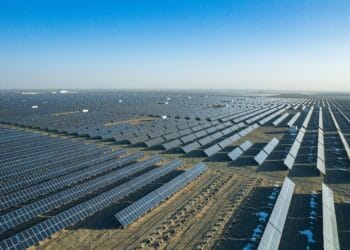
With mounting pressure on the grid, and hotter drier summers on the horizon, solar AC units could help reduce strain on the electricity grid while providing a more sustainable way to meet growing demand for cooling.