
While improved cookstoves are beginning to change cooking practices in Uganda, millions still rely on preparing meals over smoky open fires.
A study by Dr Joseph Elasu of Uganda’s Makerere University Business School and his team found that the transition to cleaner cooking faces barriers beyond affordability and access.
“One of the significant barriers to clean or modern cooking practices in Uganda is the influence of cultural norms and food preferences on cooking behaviour,” the researchers wrote.
According to the Stockholm Environment Institute, as of 2025 more than 93 percent of Ugandan households still rely on wood and charcoal as their primary cooking fuels, exposing families—especially women and children—to harmful indoor air pollution.
Recent efforts by government agencies, non-governmental organisations and international development partners have promoted cleaner alternatives such as liquefied petroleum gas (LPG), biogas, solar cookers and improved biomass stoves. Yet adoption has remained slower than expected.
In many Ugandan households, food preparation is a communal activity involving large meals cooked over long periods. Many families believe that staples such as beans, stews and maize porridge taste better when cooked over an open fire.
“This preference for firewood and charcoal as primary fuels is deeply ingrained, making the shift to modern cooking technologies feel like a disruption to traditional practices and a threat to cultural identity,” the researchers said.

The study also highlights the importance of gender, noting that women, who are primarily responsible for household cooking, are central to the successful adoption of cleaner technologies.
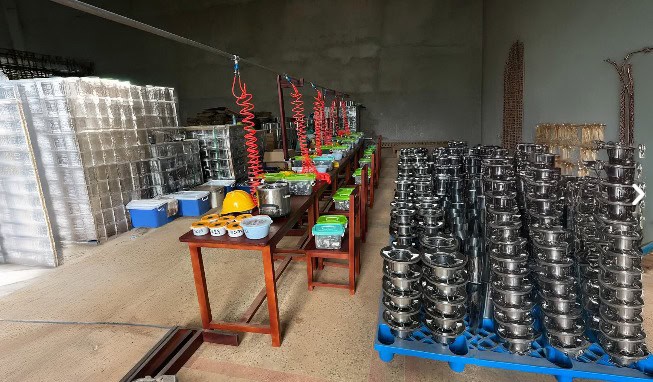
And among the companies supporting Uganda’s transition to clean cooking is Chinese manufacturer Zhejiang Huiwenmei Stove Co., Ltd (SSM), whose improved biomass cookstoves are already being used in parts of the country.
“Our clean cooking stoves are designed for local African living scenarios, supporting biomass fuels like wood, charcoal or pellets, which are easy for local people to collect and buy,” Ashily Yuan, SSM’s Regional Manager, tells The Energy Pioneer.
Rather than asking households to abandon familiar fuels overnight, the company has focused on making traditional biomass cooking cleaner and more efficient.
“Optimised combustion chamber structure greatly improves thermal efficiency, cuts fuel consumption by around 40‑60 percent, and drastically reduces indoor smoke emission. This directly mitigates respiratory health risks caused by traditional open‑fire cooking, while lowering households’ weekly expenditure on cooking fuel,” Yuan says.
According to Yuan, acceptance has been strongest in rural and peri-urban communities where cooking fuel costs consume a significant share of household incomes.
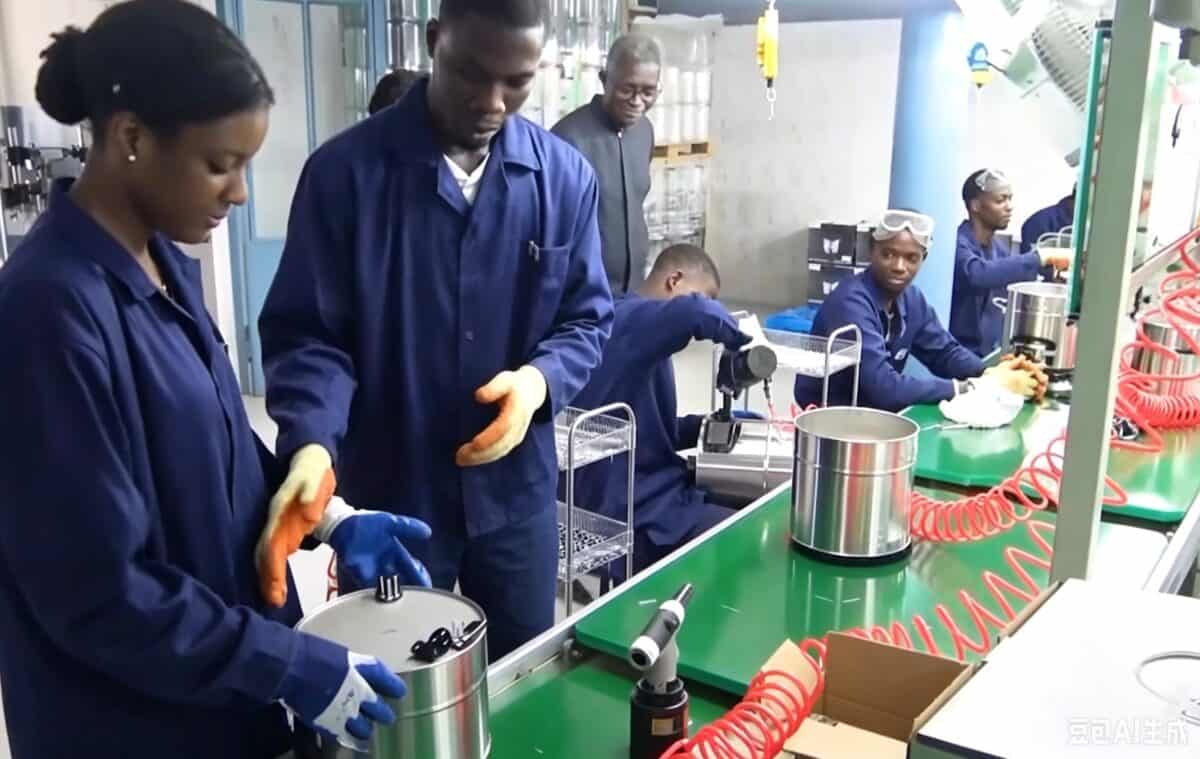
“In Uganda, rural and peri‑urban communities have shown strong acceptance of our stoves. Local households value two core benefits: less fuel cost and much cleaner indoor cooking environment. We cooperate with local community organisations for on‑site product demonstration, user training and after‑sales support. Even so, we still face practical adoption barriers, mainly limited household upfront budget and scattered rural distribution which adds logistics costs,” she says.
For many families, the benefits extend beyond the kitchen.
“Less fuel consumption means families spend less money on charcoal or spend fewer hours collecting firewood, freeing up time for income‑generating work, education and family care,” Yuan says.
SSM says technology alone is not enough to change cooking habits. Building trust within these communities is just as important as selling the stove itself.
Even so, barriers remain.
Uganda is now attempting to address those challenges through policy as well as technology.
And in late 2025, the government launched its first National Integrated Clean Cooking Strategy (NICCS) with support from the Stockholm Environment Institute (SEI), Berkeley Air Monitoring Group, the Clean Cooking Alliance and the Centre for Integrated Research and Community Development Uganda.
The strategy provides a unified long-term roadmap to reduce the country’s dependence on firewood and charcoal by bringing together previously separate approaches for LPG, biogas, electric cooking, ethanol and improved biomass technologies under a single national framework.
Modelling conducted during the strategy’s development suggests that full implementation could reduce biomass use by 64 percent by 2040, cut cooking-related greenhouse gas emissions by half and reduce black carbon emissions by more than 70 percent.
The strategy also recommends targeted subsidies, pay-as-you-go financing, stronger product standards and nationwide awareness campaigns to accelerate adoption.
To coordinate implementation, Uganda has established a Clean Cooking Unit within the country’s Ministry of Energy and Mineral Development.
“This programme is a crucial step forward for Uganda, especially as traditional cooking methods become increasingly unsustainable. Connecting people to clean energy alternatives is important,” former Energy Minister Dr Ruth Nankabirwa Ssentamu said when the initiative was launched.
For SSM, Uganda has become a gateway to wider regional expansion.
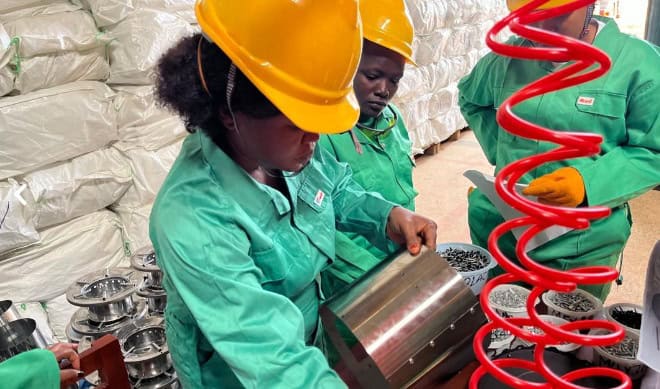
“Regarding regional expansion, East Africa remains our key priority market. Building on our operational experience in Uganda, we are rolling out market entry preparation in neighbouring countries including Kenya, Rwanda and Tanzania. We focus on localised product adaptation, reliable local supply chain build‑up and accessible after‑sales service, to make affordable high performance clean stoves available for more households,” Yuan says
She adds that SSM is also exploring carbon-credit linked clean cooking projects to help expand access to improved cookstoves.
Uganda’s goal of achieving universal access to cleaner cooking by 2040 will depend largely on convincing communities to adopt safer practices and adapt cultural traditions for health and environmental reasons.