
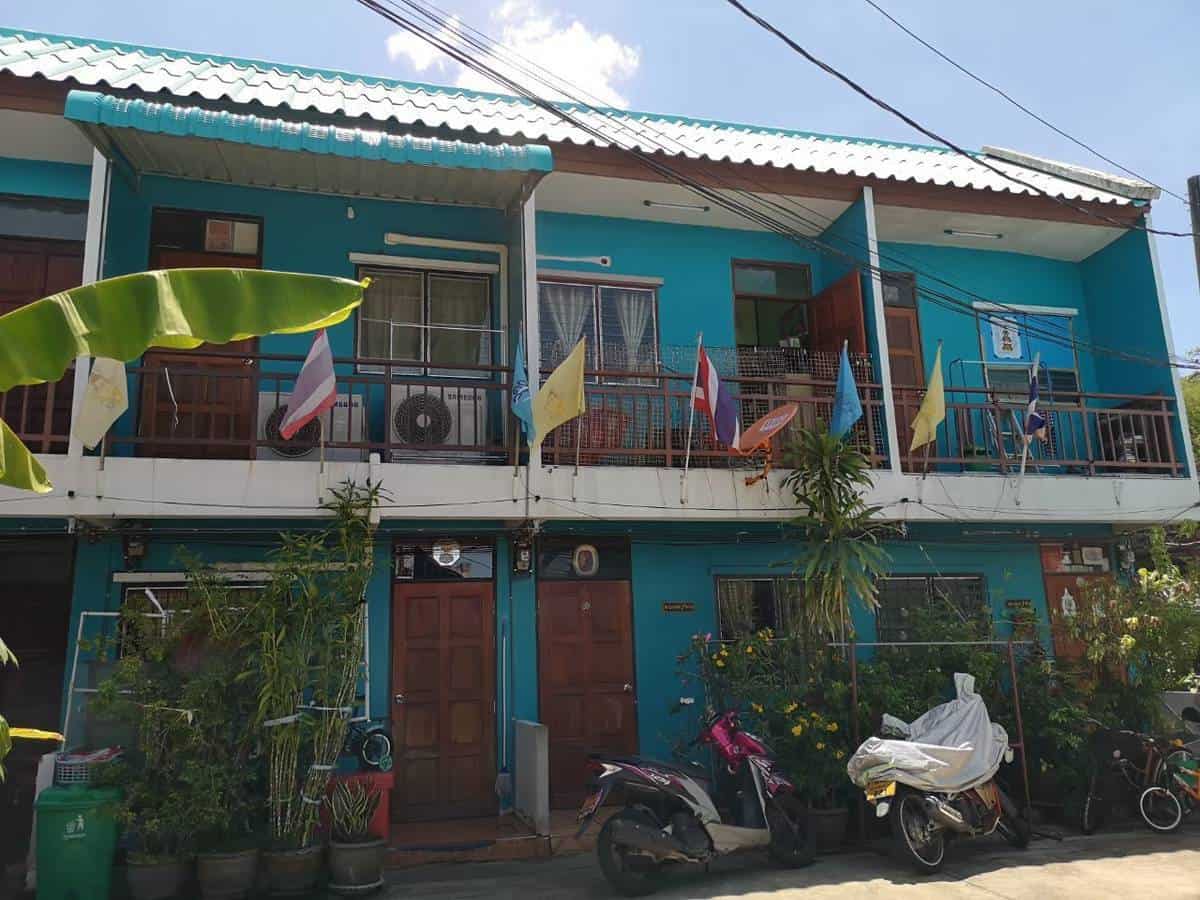
Bangkok’s heat and humidity make even the simplest daily routines feel exhausting. As summers grow hotter and extreme heat becomes more common, the way we design and adapt our homes is becoming more pressing. Baan Yen (Cool House) initiative, led by the Asian Coalition for Housing Rights (ACHR) and Community Architects Network (CAN) Thailand, explores how community-led housing adaptations can help residents cope with rising temperatures.
“We cannot go upstairs at all. We stay downstairs and only go upstairs at night,” says Koramit Panya, a community leader involved in the project, describing conditions before the cooling improvements. “Even then, we sometimes have to wait for the heat to dissipate first.”
Air conditioning offers needed relief, but it also consumes energy and contributes to further warming when powered by fossil fuels. For low-income communities in Bangkok and the surrounding areas, passive cooling strategies, like adapting homes through better ventilation, shade, greenery and incorporating heat-conscious design can help create cooler, more comfortable spaces without relying solely on energy-intensive air conditioning.
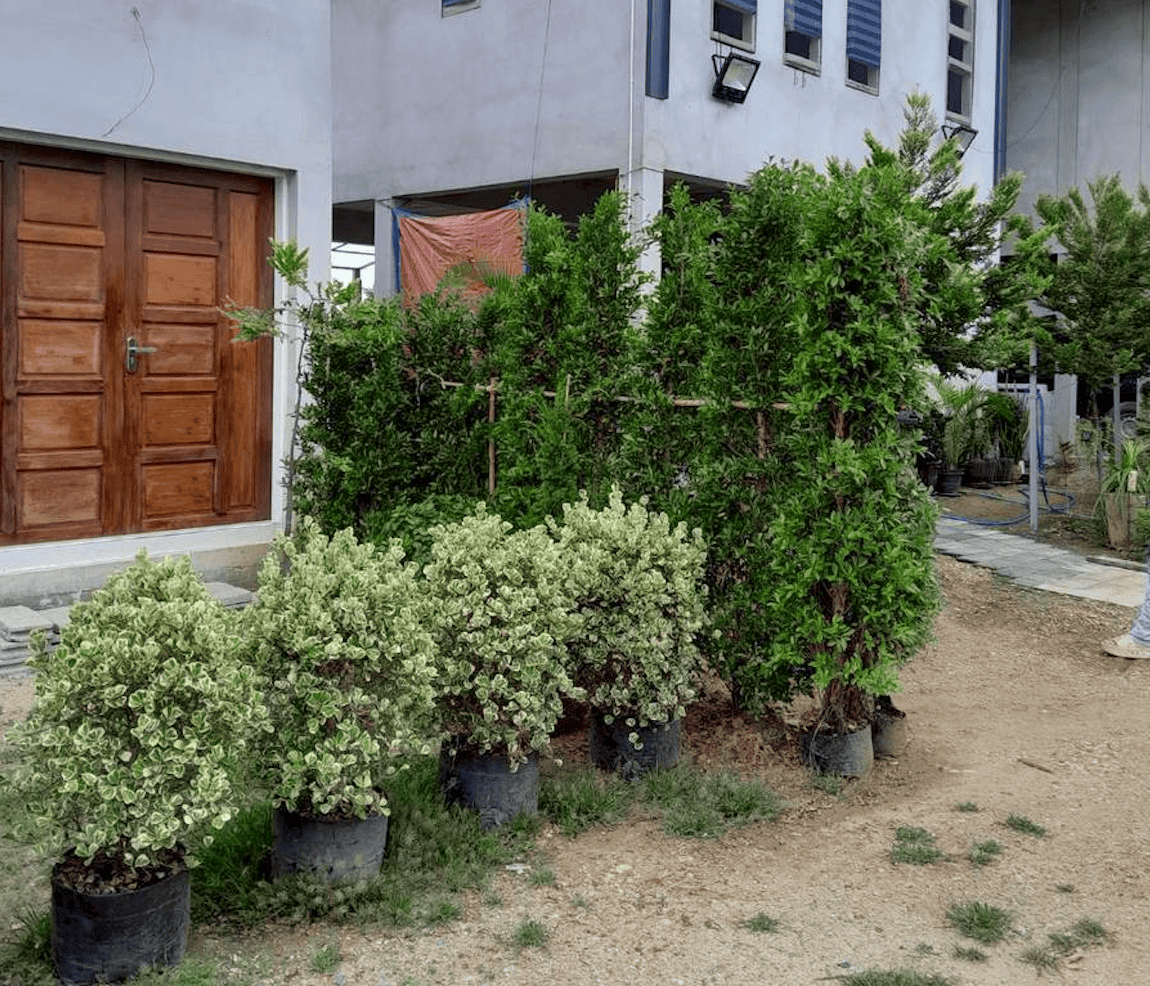
 Planting gardens along walkways creates more shade, improves shared spaces, and supports food security for households-Photo by Koramit Panya/Five-Region Land and Housing Development Network
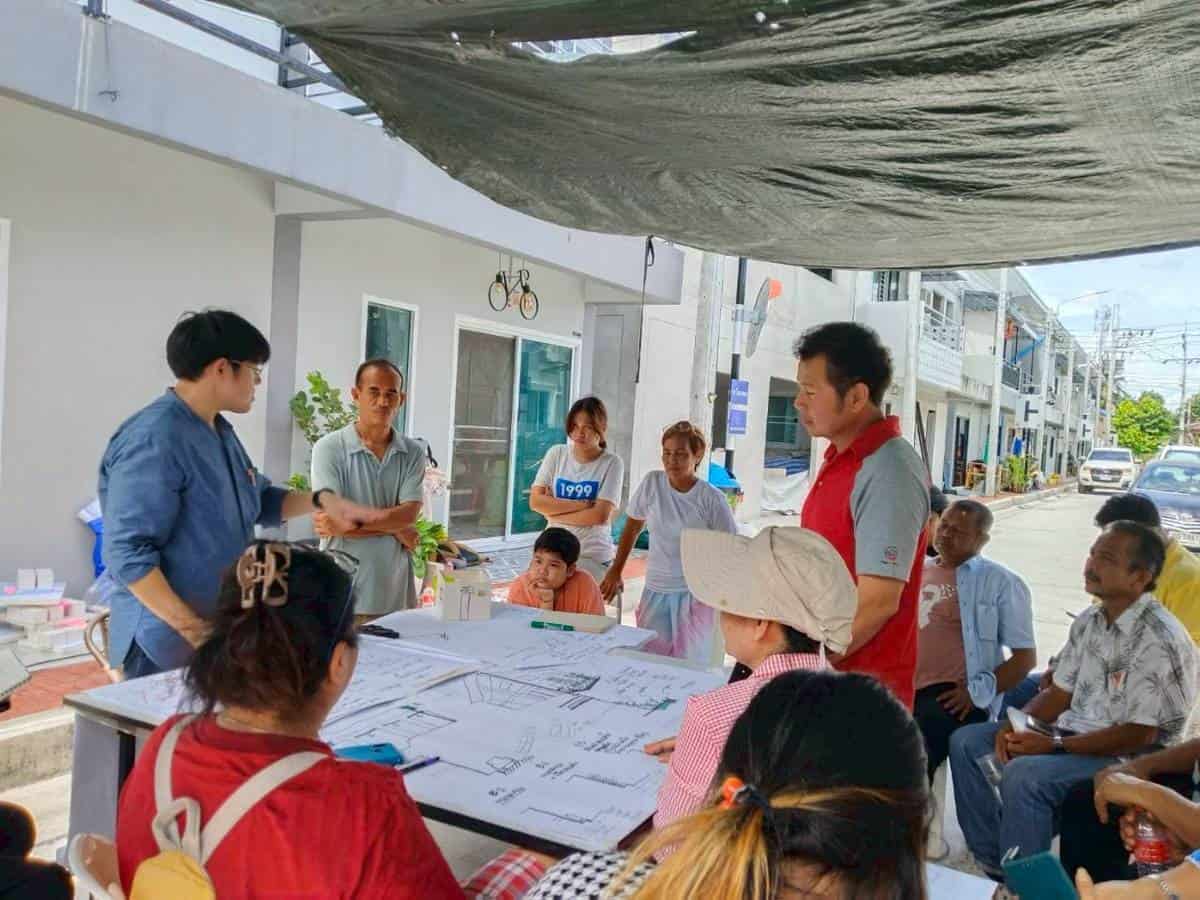

The initiative’s first phase began with community assessments and workshops between April and July 2025, to develop passive-cooling interventions and introduce improvements in at least 10 houses in communities participating in Thailand’s Baan Mankong housing program, which supports community-led housing and settlement improvements.
Under the pilot, each community is provided a grant of THB 100,000 (approx. USD 3000) through ACHR to support improvements, with residents deciding how to use the money according to their priorities.
Designing Solutions with Residents
Baan Yen brings residents, architects and community builders together to identify where heat builds up and decide which changes are practical for each home, rather than imposing a standard set of changes.

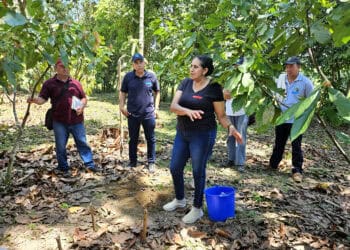
Architect Ruangyuth Terravanich, who is part of ACHR’s team, says residents help determine the priorities, while architects explain possible solutions and the principles behind them. Options include improving airflow beneath roofs, adding awnings or shade structures, and planting trees.
The team also uses an infrared temperature-measuring device to demonstrate how different materials and colours respond to heat, helping residents understand how design choices affect surface temperatures.
The approach extends beyond individual houses. In densely built neighborhoods, sun-exposed roofs and walls, paved walkways and narrow alleys can intensify heat and leave few comfortable places to spend time during the day. Residents of Samakkhi Tiwanon have planted a variety of trees and useful plants, including fruit-bearing trees. Gardens along walkways and on unused land can create shade, improve shared spaces and potentially support household food security.
By combining changes to homes with greening and shade, Baan Yen aims to improve thermal comfort without relying solely on energy-intensive cooling.
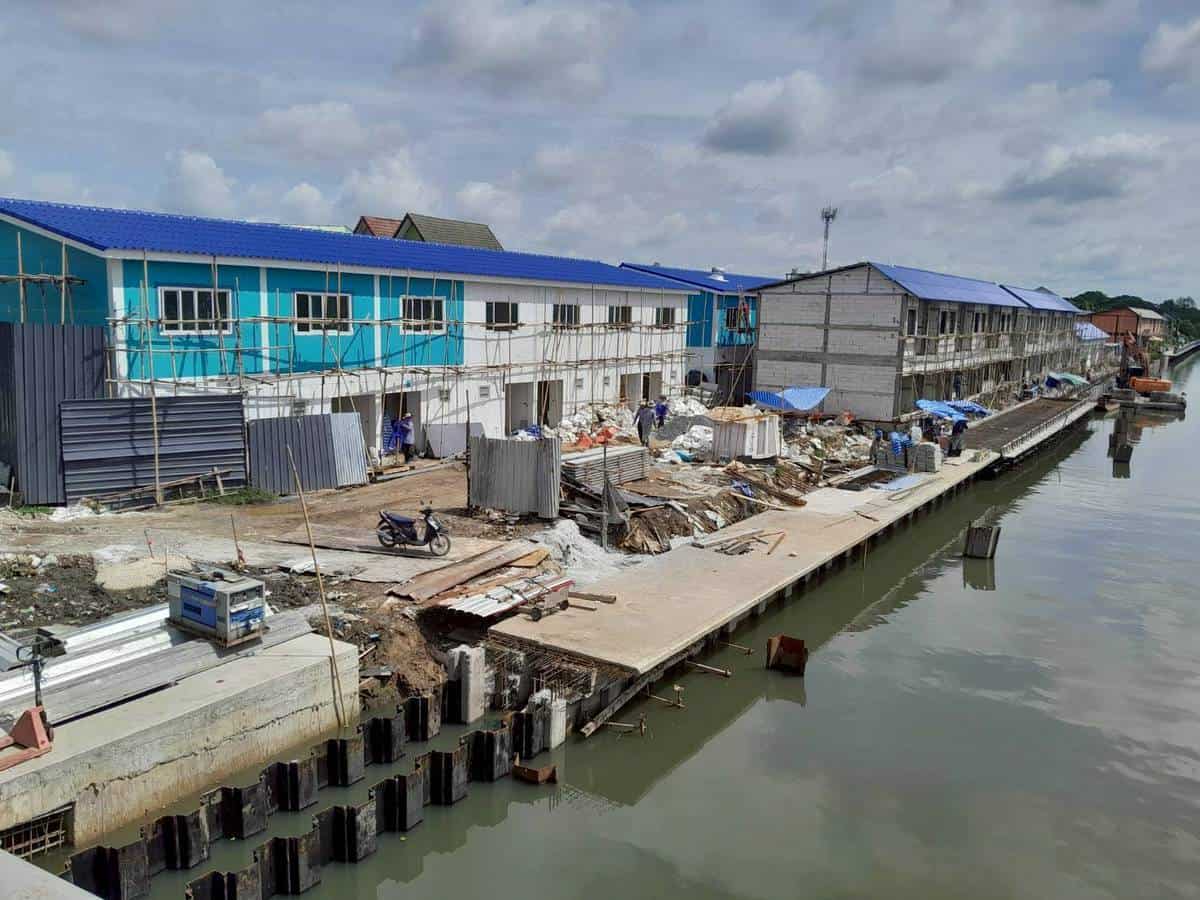
The communities also face other climate-related risks. Koramit explained that some communities in low-lying areas near waterways build two-story homes, with upper floors that can shelter families during disasters. She said homes in her community experienced little direct impact during recent flooding, although surrounding areas were inundated and livelihoods were affected. Ruangyuth noted that while disaster preparedness has been discussed, it is not yet a formal component of Baan Yen, which focuses on heat adaptation.
While Baan Yen is led by ACHR and CAN Thailand, HERA, a non-profit working with women to address extreme heat, has engaged with the Community Organizations Development Institute (CODI) to explore shared priorities. HERA was even able to attend a learning session and visited a project site.
“Community-led housing adaptations can make a meaningful difference because they are rooted in local knowledge and priorities. They can improve comfort, health, and well-being while also strengthening communities’ ability to respond to a changing climate,” said Siriporn Rathie, HERA’s Thailand Country Director. HERA is exploring opportunities for future collaboration with CODI and community partners, with a focus on putting women at the centre of climate adaptation and supporting them as leaders, changemakers and problem-solvers in their communities.
Making Improvements Affordable
Affordability remains a challenge. Better-performing materials can be costly to purchase and transport, and communities may need to pool savings or find additional funding to cover improvements. For the approach to be replicated across low-income communities, solutions must be effective, affordable and practical to maintain.
Koramit, who also lives in one of the pilot homes, reported that some households’ monthly electricity bills had fallen to approximately THB 1,000 (about US$30) or slightly more following home improvements, compared with previous bills of around THB 2,000–3,000 in some cases. However, the project architect said savings had not been formally measured. The figures are community-reported experiences, not verified project-wide results, and it remains unclear how much of the reported reduction reflects the housing adaptations, changes in energy use or other factors.
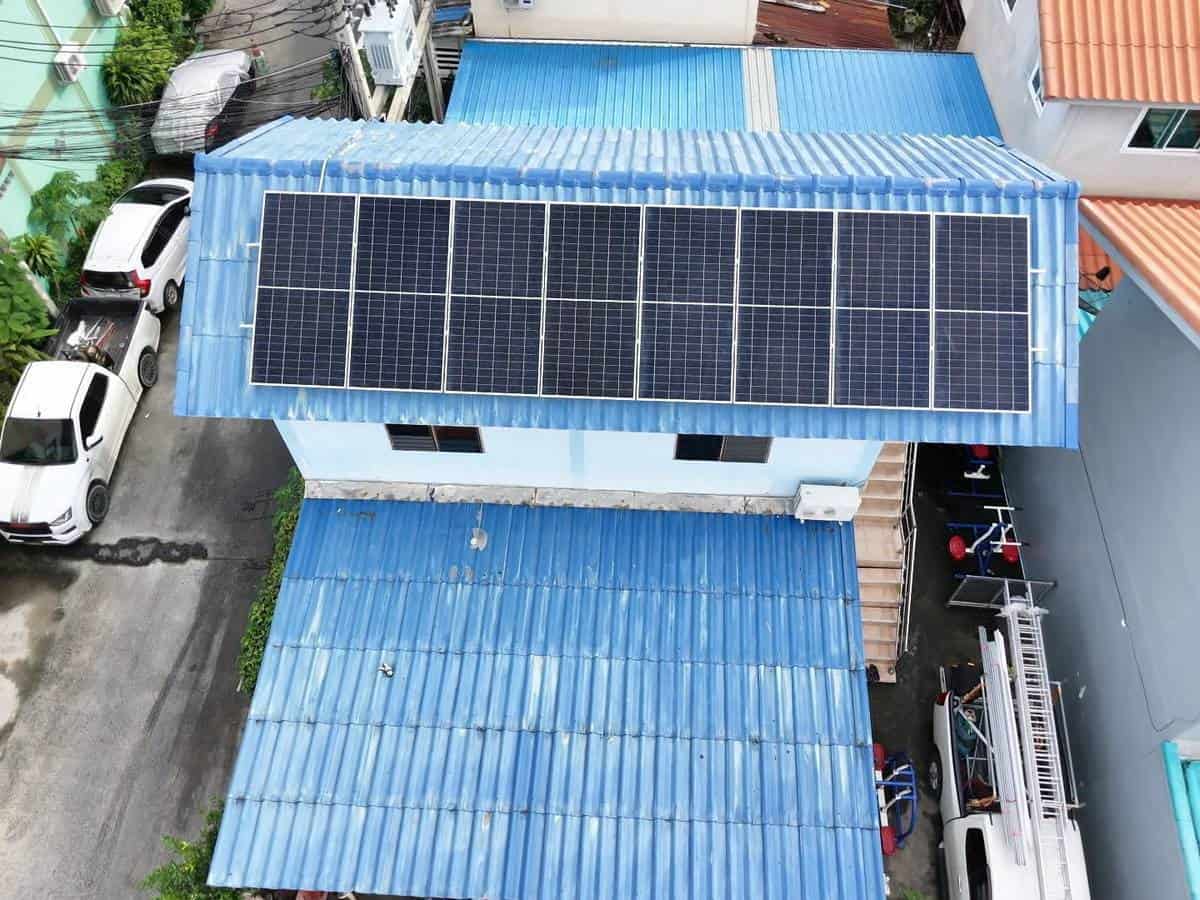
CODI has also supported a related community initiative using solar power to help address electricity costs. Residents decide how the systems will be used, including in shared community facilities, and may contribute additional funding for higher-specification equipment. At the time of Koramit’s interview, the installations were too recent to assess their impact on electricity bills. Communities planned to compare costs before and after installation, so the savings attributable to solar power remain unverified.
Building Towards a Wider Program
Initial discussions have begun about a possible next phase for 2026-2028. The proposal could extend the approach to five cities across three regions, with potential targets of 10 communities and 80 improvements to homes or shared spaces. However, no concrete plans have been finalized, and these targets remain subject to confirmation.
Expansion would require adapting solutions to different housing conditions, budgets and community priorities rather than applying the same measures everywhere. It could also create opportunities for younger community leaders to contribute ideas and build the skills needed to continue the work.
For Ruangyuth, the longer-term potential lies in connecting improvements to individual homes with changes across entire neighborhoods, bringing together residents, neighboring communities and local organizations.
“We want to move from the house to the community, then to the surrounding area, and eventually perhaps the whole city,” he says.
Baan Yen connects practical cooling measures—how a roof releases heat, how a tree shades a shared space and how much an improvement costs—with residents’ ability to shape their own living conditions. As extreme heat becomes a growing challenge for cities, its longer-term value will depend on whether communities can sustain, adapt and share what they learn to build more heat-resilient neighborhoods.