

The Energy Pioneer
No Result
View All Result
  • Home
  • Clean Tech
  • Renewable Energy
  • Green Finance
    • Crash Course
    • Private Financing
    • Public Financing
    • Carbon Markets
  • Policy
  • Regions
    • Africa
    • Asia
    • West Asia
    • Latin America
    • North America
    • Europe
  • Features
  • Who We Are
    • About Us
    • Contact Us
    • EP Investing
  • Home
  • Clean Tech
  • Renewable Energy
  • Green Finance
    • Crash Course
    • Private Financing
    • Public Financing
    • Carbon Markets
  • Policy
  • Regions
    • Africa
    • Asia
    • West Asia
    • Latin America
    • North America
    • Europe
  • Features
  • Who We Are
    • About Us
    • Contact Us
    • EP Investing
No Result
View All Result
The Energy Pioneer
No Result
View All Result
  • Home
  • Clean Tech
  • Green Finance
  • Policy
  • Renewable Energy
  • Regions
  • Features
  • Who We Are
Home Clean Tech Energy Efficiency

Decarbonizing Maritime Shipping

Q&A with Jason Anderson, Senior Program Director at ClimateWorks Foundation

Otto GundersonbyFeatured Expert: Jason AndersonandOtto Gunderson
July 17, 2026
Reading Time: 4 mins read

ClimateWorks Foundation is a global nonprofit focused on advancing climate solutions and reducing greenhouse gas emissions. In this Q&A, Jason Anderson, Senior Program Director at ClimateWorks Foundation, discusses how the organization’s Maritime Shipping program is working to accelerate the decarbonization of the global maritime sector.

RELATED POSTS

Cleantech Series: The Growing Opportunities in Lithium-Ion Battery Recycling

Fighting Saltwater with Sunlight: How Solar Technology Is Tackling the Drinking Water Crisis in Southwest Bangladesh

88% Renewable, 100% Confused: Brazil’s Coal Problem

Q: In your article on reducing emissions from maritime shipping, you mention potential actions for the sector to reach its net-zero by 2050 goal, including a Global Fuel Standard, a carbon levy, and improved efficiency standards. Can you discuss how each of these may play a role, whether any strike you as particularly promising, and whether the IMO can expect significant industry backlash?

A: Since my 2024 article on net-zero commitments came out, a lot has happened. In April 2025, negotiators at the International Maritime Organization (IMO) settled on a Net Zero Framework (NZF) that combines a fuel standard with a carbon pricing mechanism, this is distinct from a universal levy, yet would still raise significant revenue. Efficiency standards continue to be discussed in a separate track. 

From the team behind The Energy Pioneer — EP Network is where the energy transition connects.

Explore →

Although the NZF was agreed to at that meeting, formal adoption in the fall of 2025 was delayed by a year due to political wrangling. That delay has both stranded green transition investments that were awaiting the IMO decision and made the regulatory path forward harder to anticipate. The maritime industry is among the most disappointed in the current situation, as they would like to see an IMO deal.

Q: In the past, you led the Just Transition Program, and you mention the role that carbon levy revenue could have on financing a just transition. What are the possible uses of carbon levy revenue in both promoting a just transition and negating previous impacts of maritime shipping emissions? Do you see this revenue as offsetting potential losses for lower-income countries whose shipping industries are affected?

A: Having sufficient revenue from a global system for a just transition is a vital goal for many countries, particularly Small Island Developing States (SIDS) and Less Developed Countries (LDCs). 

On the one hand, they depend on the shipment of goods that provide essential inputs to agriculture and industry, and serve as the primary route for exports. These nations will likely see some effects of any price rises due to the costs of the transition. Over time, they could be subject to the dumping of older ships that continue to use polluting fossil fuels. 

Buy JNews
ADVERTISEMENT
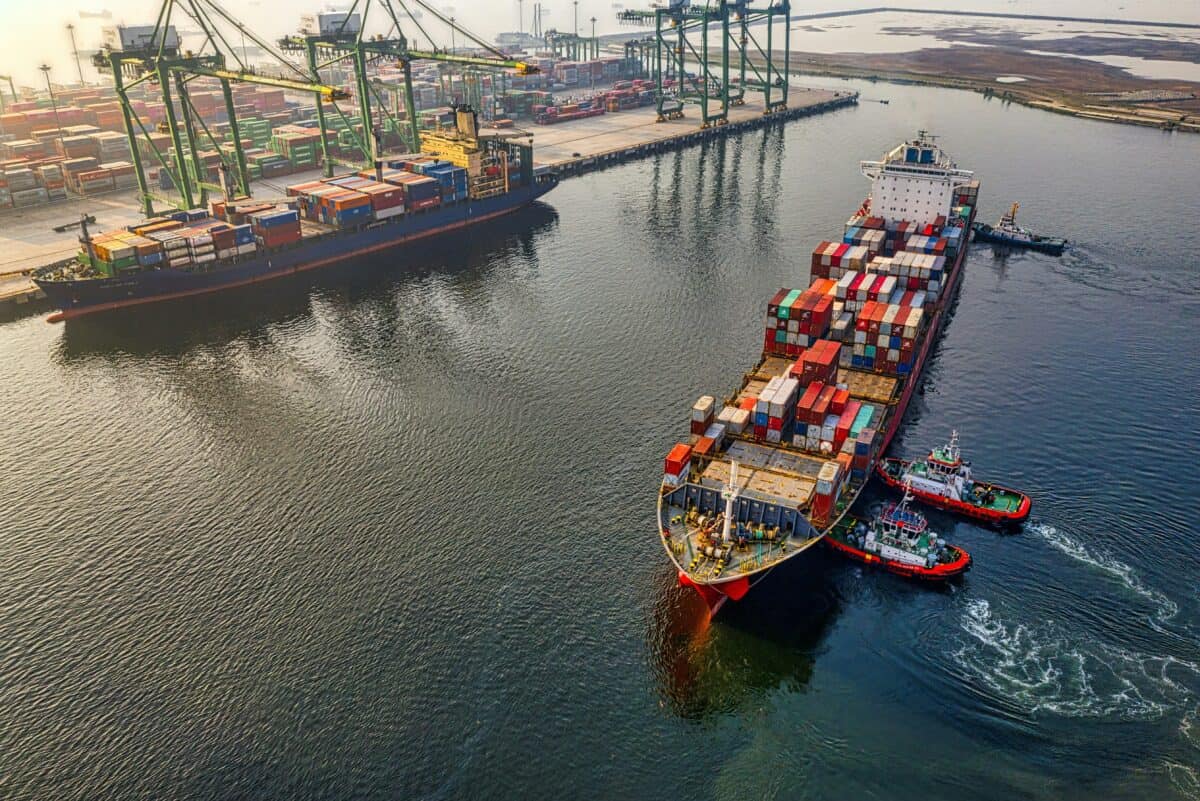
Cargo Shipping-Photo by william william on Unsplash

On the other hand, these nations also have a much lower footprint in the industry as shipbuilders, owners, and operators. That means they don’t see the same opportunity for industrial innovation that the transition represents. With funding assistance, these countries with little impact on global warming could protect themselves and even find opportunities in the new global shipping system.

Q: What are the biggest bottlenecks in maritime decarbonization? Who is currently leading the push for maritime decarbonization and how have political developments under the Trump Administration affected the US approach?

A: At the moment, the biggest barrier in maritime decarbonization is a clear demand signal for new technology. Suppliers of new ships, engines and fuels aren’t going to scale their output if there aren’t enough buyers demanding their products. Without policy like the NZF, the direction of travel is less clear, and that leaves unsustainable options like marine diesel, liquefied natural gas (LNG) and biofuels in a stronger position. 

The European Union’s set of complementary approaches, such as the EU Emissions Trading System and Fuel EU Maritime Directive, are de facto global standards, but only affect ships in and out of Europe and so do not have enough reach to shift the whole industry. 

A few similar policies in other major countries, like Asia and North America, could tip the balance. There are several proposals in the US Congress that would allow the country to play that role, but insufficient political support has halted policy for now.

Q: Could decarbonisation of shipping lead to shifts in global trade routes or port competitiveness, especially around emerging green fuel hubs?

A: In principle, decarbonisation shouldn’t impact that dynamic, as ships serve an underlying demand for trade that is dictated by the supply and demand for goods and services. But companies have to make choices about where ships refuel, and where goods are transferred from ocean-going vessels to local feeder ships or land transport. 

With renewable energy available everywhere in the world, it’s possible that we could see fuel supplies available at ports that aren’t currently major hubs. To some degree, it may depend on who makes an early effort to prepare for that shift. Potentially, some early movers could get an important toe-hold that they expand in the future. 

It’s not easy to compete at scale, as current hubs have decades of major investment and massive infrastructure. For an African port to scale up, for example, the effort takes a lot more than simply being adjacent to a good renewable energy resource. But we see these examples as real opportunities if attention is given to involving various forms of international finance.

Q: How do geopolitical chokepoints like the Suez Canal and the Strait of Hormuz factor into planning for a low-carbon shipping transition, particularly in terms of fuel security and infrastructure resilience?
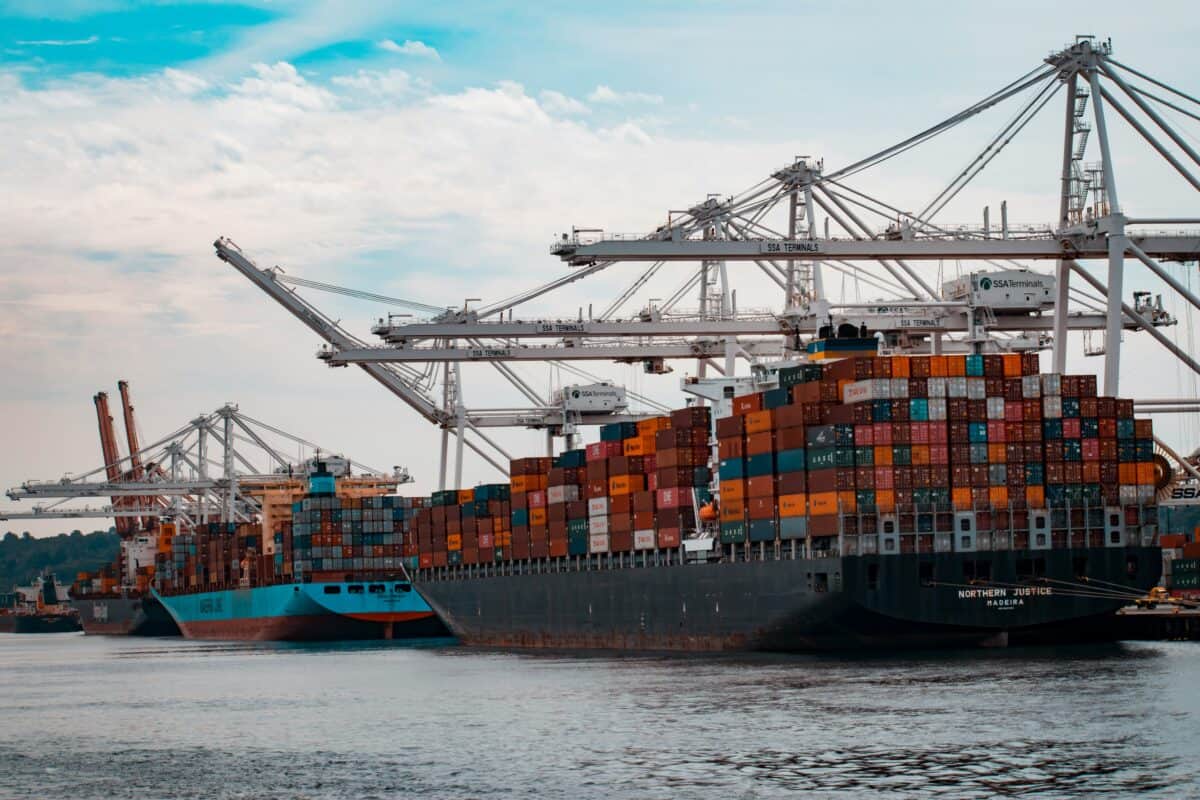
Freight Containers on a Ship-Photo by Andy Li on Unsplash

A: The current fuel crisis in the Gulf has definitely added to concerns about reliance on fossil fuels. The industry has had to absorb fuel price rises, not to mention the stranded seafarers whose lives have been at risk. 

Since renewable energy is more widely available globally, a net-zero shipping industry could become more resilient and diversified. Trade chokepoints still exist, but many countries are trying to offer competition through expanded ports or alternative routes. 

Yet there’s a lot to consider when looking at a resilient transition for the future. One concern is that infrastructure developments can have negative impacts on the environment and local communities. A truly just transition will take all of these factors into account, as well as others like skill training and other benefits to communities.  

Finished the story? Meet the people behind it.

EP Network is where energy journalists, investors, companies, and clean energy leaders connect.

Join EP Network →
Tags: ClimateWorks FoundationDecarbonizing Maritime ShippingEnergy crisisIranrenewablesStrait of Hormuz
ShareTweetShare
Featured Expert: Jason Anderson

Featured Expert: Jason Anderson

Jason Anderson is a senior program director at ClimateWorks Foundation, where he leads the Maritime Shipping program. He previously started the foundation’s Just Transition program and has been responsible for work on Governance & Diplomacy and Super Pollutants.

Otto Gunderson

Otto Gunderson

Otto Gunderson has been working in clean energy for the last 7 years, with the last two being spent split between South America, Africa, and Southeast Asia, reporting on the transition to clean energy. After traveling and writing for two years, he founded The Energy Pioneer to create a news outlet with a global approach to clean energy journalism. He particularly enjoys writing about entrepreneurship, investment, and innovations that are contributing to greenhouse gas reduction and clean energy development.

Related Posts

Cleantech Series: The Growing Opportunities in Lithium-Ion Battery Recycling
Clean Tech

Cleantech Series: The Growing Opportunities in Lithium-Ion Battery Recycling

July 17, 2026
Fighting Saltwater with Sunlight: How Solar Technology Is Tackling the Drinking Water Crisis in Southwest Bangladesh
Solar

Fighting Saltwater with Sunlight: How Solar Technology Is Tackling the Drinking Water Crisis in Southwest Bangladesh

July 14, 2026
88% Renewable, 100% Confused: Brazil’s Coal Problem
Fossil Fuels

88% Renewable, 100% Confused: Brazil’s Coal Problem

July 13, 2026
The Rockefeller Foundation’s Catalytic Capital: Turning Early Investments into Lasting Energy Impact
Private Financing

The Rockefeller Foundation’s Catalytic Capital: Turning Early Investments into Lasting Energy Impact

July 10, 2026
How Javier Milei’s Cuts Are Reshaping Argentina’s Environmental Institutions
Policy

How Javier Milei’s Cuts Are Reshaping Argentina’s Environmental Institutions

July 9, 2026
The Power of Commitment: How Government Investment Accelerated Electrification in Tanzania
Public Financing

The Power of Commitment: How Government Investment Accelerated Electrification in Tanzania

July 8, 2026

Popular Stories

  • The Race to Host AI: Data Centres in Water-Scarce India

    The Race to Host AI: Data Centres in Water-Scarce India

    0 shares
    Share 0 Tweet 0
  • Vietnam’s Oil Buffer Faces Pressure as the Iran War Disrupts Global Oil Flows

    0 shares
    Share 0 Tweet 0
  • Caught Between India’s Military Ambitions and Green Promises: The Future of the Andaman and Nicobar Islands

    0 shares
    Share 0 Tweet 0
  • The Philippines’ Nuclear Gamble

    0 shares
    Share 0 Tweet 0
  • South Sudan’s Missed Opportunity: Untapped Renewables Leave Millions in the Dark

    0 shares
    Share 0 Tweet 0

Actionable Info

From The Energy Pioneer

Where the energy transition connects.

Journalists, investors, companies, and clean energy leaders — all in one network.

Explore EP Network →

The Energy Pioneer

The Energy Pioneer covers the global energy transition — from clean tech and green finance to policy and renewable energy.

Recent Posts

  • Decarbonizing Maritime Shipping
  • Cleantech Series: The Growing Opportunities in Lithium-Ion Battery Recycling
  • Fighting Saltwater with Sunlight: How Solar Technology Is Tackling the Drinking Water Crisis in Southwest Bangladesh

Quick Links

  • Home
  • Clean Tech
  • Renewable Energy
  • Green Finance
  • Policy
  • Regions
  • Features
  • Who We Are

© 2026 The Energy Pioneer | All Rights Reserved. |

From The Energy Pioneer

You read about the energy transition. EP Network connects you to it.

Join the network of journalists, investors, companies, and professionals building the clean energy future.

No thanks
Please enter a valid email.
You're in. We'll be in touch soon.
No Result
View All Result
  • Home
  • Clean Tech
    • Electric Vehicles
    • Energy Efficiency
    • Green Hydrogen
    • Smart Grid
    • Battery Storage
  • Green Finance
    • Public Financing
    • Private Financing
    • Carbon Markets
  • Policy
  • Renewable Energy
    • Wind
    • Solar
    • Hydropower
    • Nuclear
    • Hydrogen
    • Fossil Fuels
    • Geothermal
  • Regions
    • Africa
    • Asia
    • Europe
    • North America
    • Latin America
    • West Asia
  • Features
  • Who We Are
    • About Us
    • EP Investing
    • Contact Us

© 2026 The Energy Pioneer | All Rights Reserved. |