

Cool Earth protects some of the world’s most important rainforests by supporting the Indigenous peoples and local communities who live in them. Martin Simonneau, Acting Head of Programmes, spoke with The Energy Pioneer about community driven conservation, renewable energy and the future of rainforest protection across the Amazon, Congo Basin, Cameroon, and Papua New Guinea.
Q: How do the programmes change based on the location of the specific rainforest? How must the approach to supporting the rainforest and community in the Amazon differ from that in the Congo, and again from New Guinea?
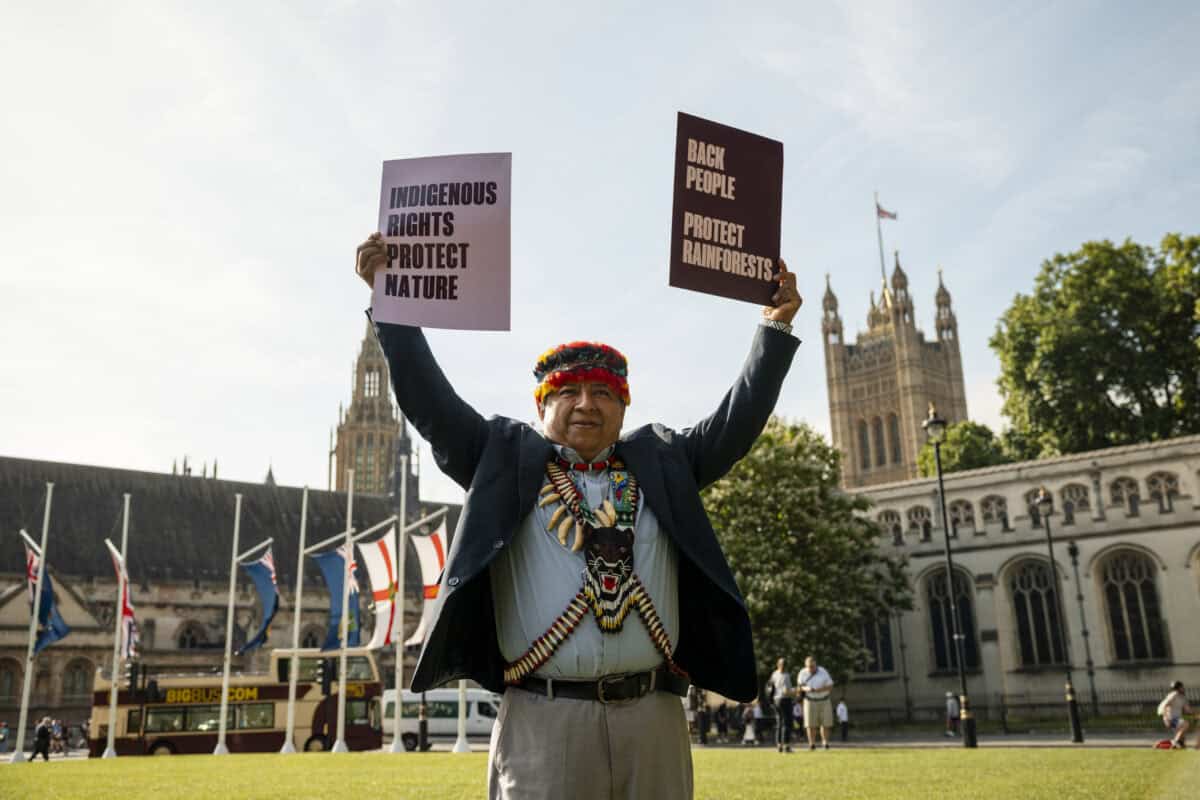
A: There is no universal blueprint for protecting rainforests because every forest, and every community, faces different challenges. At Cool Earth, we don’t arrive with a predefined conservation project. Instead, we partner directly with Indigenous Peoples and local communities, providing unrestricted funding so they can decide what will make the greatest difference. It’s a simple idea, but one that remains surprisingly rare. Despite protecting some of the world’s most important forests, Indigenous Peoples and local communities receive less than 2.7% of global climate finance.
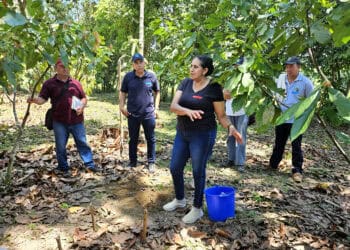
That flexibility means our partnerships look different across every landscape. In the Peruvian Amazon, communities prioritise strengthening livelihoods, improving food security or responding to illegal incursions. In Cameroon, communities have invested in solar energy and local infrastructure that improves daily life while reducing reliance on diesel and fuelwood. In Papua New Guinea, communities have chosen everything from climate resilience after floods and droughts to solar street lighting that improves safety, education and access to public spaces.
Today, Cool Earth works alongside more than 100,000 people across nearly 900,000 hectares of tropical rainforest. The common thread isn’t what communities choose to invest in, it’s that they have the resources and agency to choose for themselves.
Q: How do you track the long-term impact of specific policies and donations, and how does rainforest research contribute to effective tracking and accurate reporting?
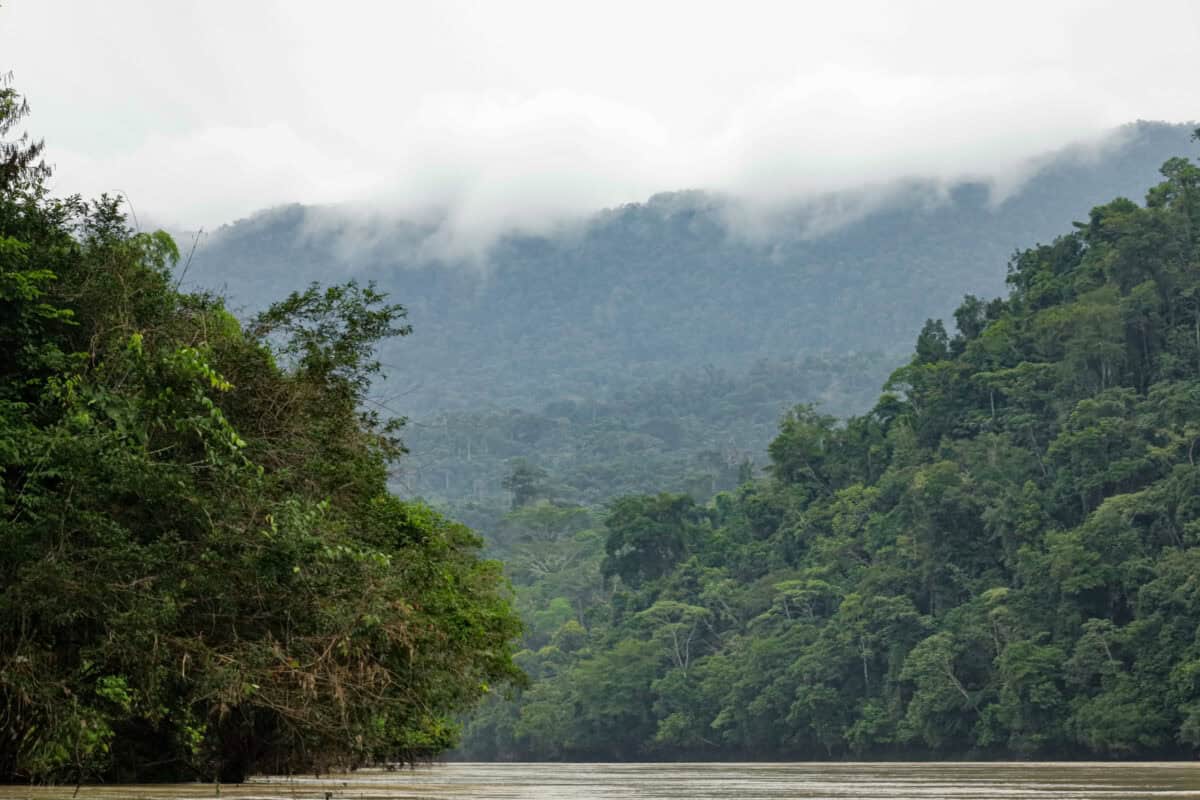
A: Protecting rainforests isn’t just about measuring how many trees remain standing. It’s about understanding whether communities are becoming more resilient while forests continue to thrive. That’s why we combine cutting-edge environmental monitoring with social and economic data collected alongside our partners to provide a far richer picture than either could alone

Across all of our partnerships, we use satellite analysis to monitor forest cover and detect emerging threats such as illegal logging, new roads and the impacts of climate change like wildfires or floods. This is partnered with community patrols investigating changes on the ground, monitoring forest health and reporting potential threats before they become irreversible. Because of this approach, 99% of the rainforest in the areas where we work remain intact. It’s evidence that when Indigenous Peoples and local communities are trusted with resources and autonomy to protect their territories, forests thrive.
We also track indicators such as food security, household resilience and income stability to understand how unrestricted funding changes people’s lives. We’re particularly excited to share the results of the world’s first Conservation Basic Income which we launched in 2023. It has been independently evaluated by the University of Bath, with results to be published later this year.
Q: What do you see as the future role of renewable energy in powering local communities, thereby preventing the need to import diesel generators or pursue expensive and potentially destructive grid interconnection?
A: Renewable energy has enormous potential in remote rainforest communities, not because it’s a conservation objective per se, but because it strengthens community resilience. In many rainforest regions, extending the national grid is prohibitively expensive, while diesel generators are costly to run and dependent on fuel transported over vast distances.
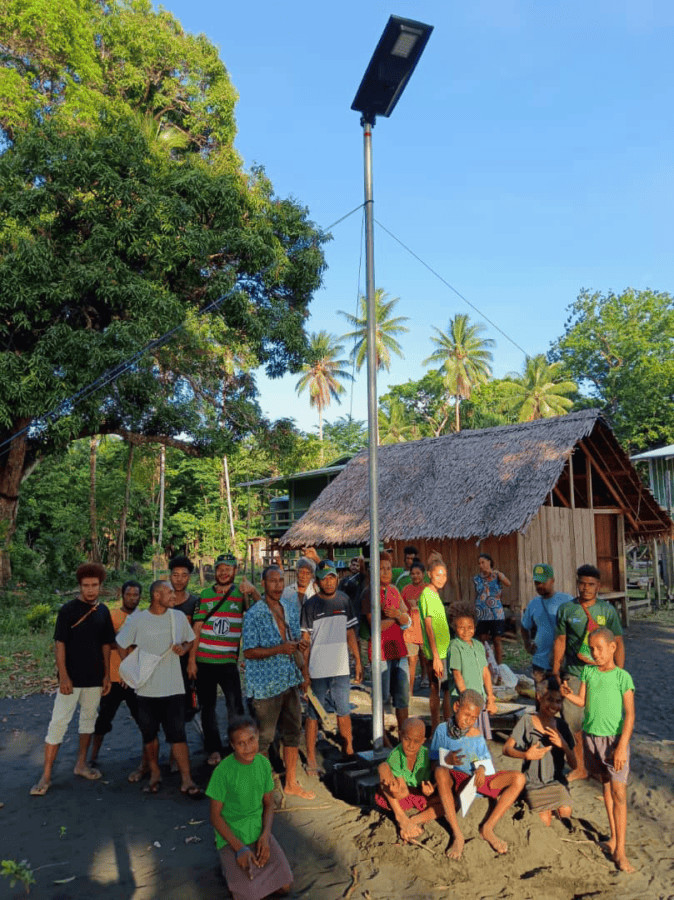
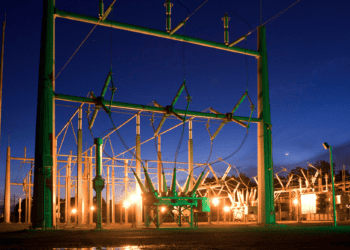
We’ve already seen what happens when communities choose renewable energy for themselves. In Cameroon, investments in solar power have reduced reliance on diesel and fuelwood while providing reliable electricity for 10,780 people in five communities. In Papua New Guinea, 151 households in four communities chose to purchase 40 solar street lighting, creating safer public spaces, allowing children to study after dark and reducing dependence on generators and wood for lighting. These decisions improve quality of life while easing pressure on surrounding forests.
The lesson is that conservation shouldn’t prescribe solutions. Too often, projects begin with technology rather than people. We start with communities, trusting them to identify what they need most. Renewable energy is one example of what that looks like in practice, but the real innovation is giving local people the resources and autonomy to make those decisions themselves.
Q: How can Cool Earth combat entrenched interests such as loggers and developers from gaining access to rainforest areas?
A: There are many great threats to rainforests like illegal logging or agricultural expansion. But the biggest one is the imbalance of power. Companies seeking to exploit forests often have access to significant finance, while the Indigenous communities receive just a small fraction of global climate funding.
Our response is to change that equation.
People often assume rainforest communities need persuading to protect their forests. But that’s not true. Indigenous Peoples and local communities have a profound cultural, spiritual and economic connection to their territories. The challenge isn’t a lack of commitment, it’s that without financial support they have to turn to immediate cash offers from logging companies, gold miners and other extractive industries.
Our approach is different. By providing unrestricted funding directly to communities, we’re helping ensure that protecting the forest is no longer the financially harder choice. Time and again, we’ve seen communities reject offers from loggers, illegal gold miners and other destructive interests.
The reality is these pressures don’t disappear, they evolve, and can become increasingly aggressive. That’s why we don’t offer short-term projects. We build long term partnerships grounded in the rights, priorities and realities of Indigenous Peoples, standing alongside them as they continue protecting forests.
Q: What is it specifically about the trees in rainforests that proves so effective at capturing carbon, and does this change depending on the rainforest location in question?
A: Tropical rainforests are among the planet’s most powerful natural climate solutions because they store extraordinary amounts of carbon both above and below ground. Through photosynthesis, trees absorb carbon dioxide from the atmosphere and lock it away in their trunks, branches, roots and surrounding soils. Mature tropical forests continue storing carbon over centuries, making them one of Earth’s largest and most important carbon sinks.
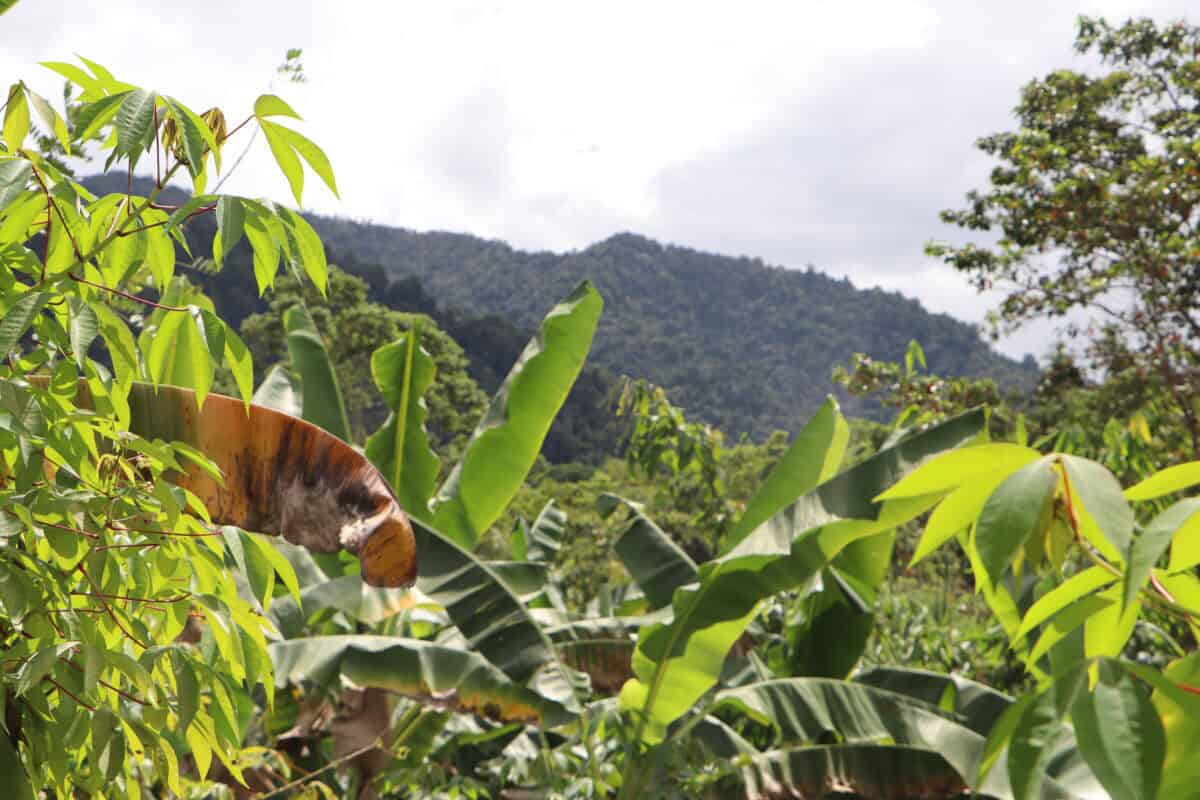
The Amazon, Congo Basin and the forests of New Guinea each have unique combinations of tree species, rainfall, soils and ecosystems. Some forests contain exceptionally dense hardwood trees. Others store vast quantities of carbon in deep soils, peatlands or mangrove swamps like in Cool Earth’s coastal partnership of Wabumari in Papua New Guinea.
The trees that Cool Earth’s partners protect store over 500 million tonnes of carbon, and are growing every year thanks to their role as a carbon sink, drawing in more carbon through sequestration than is lost through deforestation.
But protecting that carbon isn’t just about protecting trees. It means supporting the people who have safeguarded these forests for generations. Indigenous territories consistently experience lower rates of deforestation than surrounding areas, yet the communities managing them remain dramatically underfunded.