
The Energy Pioneer
No Result
View All Result
  • Home
  • Clean Tech
    • Electric Vehicles
    • Energy Efficiency
    • Green Hydrogen
    • Smart Grid
    • Battery Storage
  • Green Finance
    • Public Financing
    • Private Financing
    • Carbon Markets
  • Policy
  • Renewable Energy
    • Wind
    • Solar
    • Hydropower
    • Nuclear
    • Hydrogen
    • Fossil Fuels
    • Geothermal
  • Regions
    • Africa
    • Asia
    • Europe
    • North America
    • Latin America
    • West Asia
    • Oceania
  • Features
  • Who We Are
    • About Us
    • EP Network
    • Contact Us
  • Home
  • Clean Tech
    • Electric Vehicles
    • Energy Efficiency
    • Green Hydrogen
    • Smart Grid
    • Battery Storage
  • Green Finance
    • Public Financing
    • Private Financing
    • Carbon Markets
  • Policy
  • Renewable Energy
    • Wind
    • Solar
    • Hydropower
    • Nuclear
    • Hydrogen
    • Fossil Fuels
    • Geothermal
  • Regions
    • Africa
    • Asia
    • Europe
    • North America
    • Latin America
    • West Asia
    • Oceania
  • Features
  • Who We Are
    • About Us
    • EP Network
    • Contact Us
No Result
View All Result
The Energy Pioneer
No Result
View All Result
  • Home
  • Clean Tech
  • Green Finance
  • Policy
  • Renewable Energy
  • Regions
  • Features
  • Who We Are
Home Clean Tech

ClimateTech Series: Software Advancements and Energy Use

ClimateTech Series

Otto GundersonbyOtto Gunderson
August 14, 2026
Reading Time: 4 mins read

The ability of software to analyze data and make real-time decisions has reshaped electricity use across applications ranging from electric vehicles and energy storage to data centers and virtual power plants. In the case of EVs, the ability to optimize charging time and monitor battery health means less grid strain and longer ranges. For energy storage, understanding the rates of charge and discharge, as well as cell imbalances, and available capacity allows systems to provide a greater share of energy at a more consistent rate. Virtual Power Plants (VPPs) could not exist in their present form without energy management software, while data centers require a strict level of oversight to prevent downtime or server harm.
RELATED POSTS

ClimateTech Series: Grid Monitoring and Optimization

Agrivoltaics in Bangladesh: Growing Food and Solar Power on the Same Land

How the Viet Nam-Thailand-Malaysia-Singapore Framework Could Accelerate ASEAN Power Grid Integration

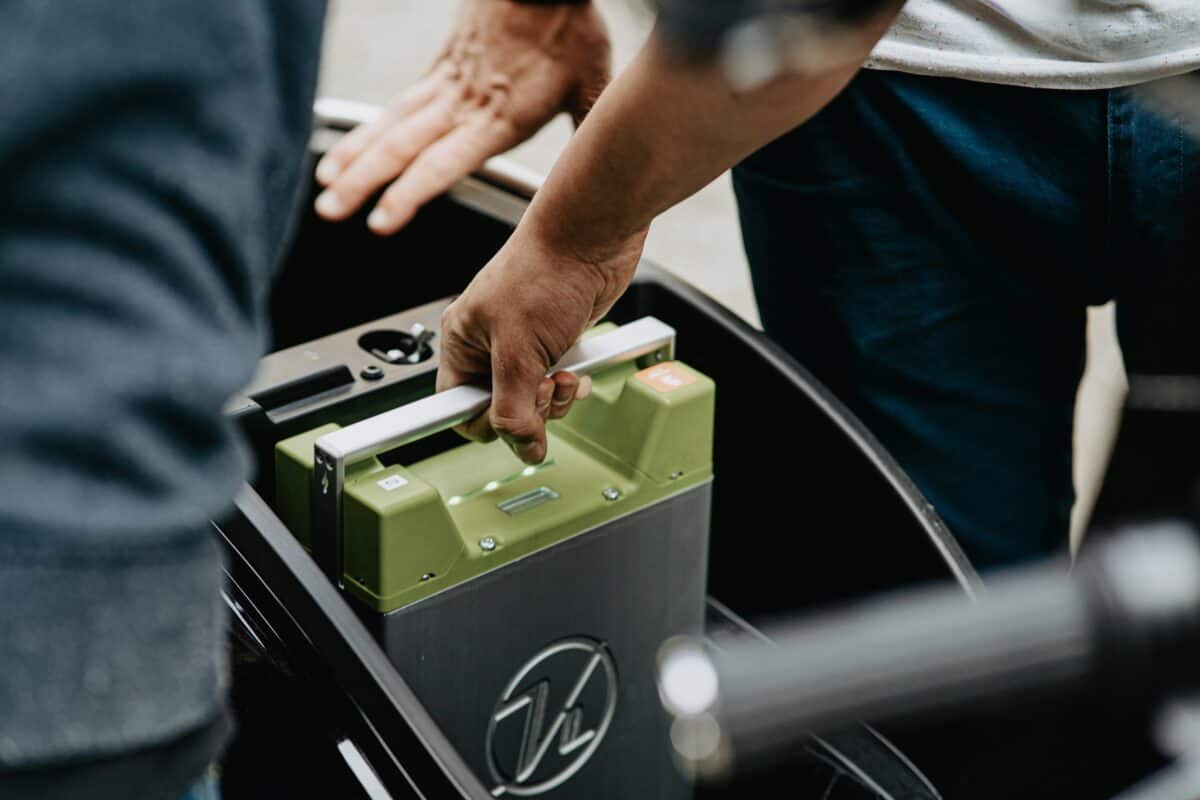
A rechargeable battery for the electric scooter Kumpan 54 Iconic being swapped out. It runs on Lithium-Ion, achieves 54 km of range and can also be used as energy storage.-Photo by Kumpan Electric on Unsplash

Alongside the growth of grid monitoring technologies discussed in the second installment of this series, battery intelligence software has also grown. Giovanni Rossi, Chief Marketing Officer of Electra AI, a Boston based software and artificial intelligence company, explained during a July call with The Energy Pioneer that the foundation for battery intelligence, especially in the EV space, is not only the complexity of the model but the data itself. This is particularly true for Electra AI, as their software algorithm needs to be customizable depending on the use-case and application flexibility. As Rossi explained, trying to simulate battery activity without clean data would be like attempting to diagnose a patient without the required information. 

With the constant reminder of how much more powerful battery hardware has become in recent years, I was curious whether battery monitoring could offer tangible improvements in battery life or discharge. Rossi explained that their testing on EVs, including Tesla and Stellantis, saw a 30% increase in lifespan and a 20% increase in range.

If battery lifespan in EVs can be improved to that degree with proper software monitoring, my mind immediately jumped to the potential that this could offer for grid storage. Ruchira Shah, Head of Software Product Management at Wärtsilä Energy Storage, and an energy and maritime decarbonization leader, outlined just how impactful software tracking of energy storage can be. As Shah explained, battery software monitoring really boils down to knowing how much energy is currently available for charging and discharging. She outlined how the tools currently available, such as cell imbalance analysis and battery health analytics, help provide that valuable insight. One example is the company’s GEMS battery optimisation and analytics platform, which helps power entire islands.

Joe Arena, Chief Commercial Officer at Parameter, an energy and environmental monitoring company, echoed this sentiment, emphasizing the importance of monitoring technologies, particularly as they relate to monitoring data center infrastructure. This has grown in importance as operators are increasingly desperate to avoid any downtime. The costs associated with an unplanned outage, especially in high compute environments, means that companies are adopting software solutions that allow for the fastest response. Parameter’s technology can be easily integrated into existing infrastructure, allowing the company to deploy it for battery monitoring. By monitoring batteries at each point along the electrical chain, from UPS to switchgear, to generator sets, they can track problems before an outage is created across the system.
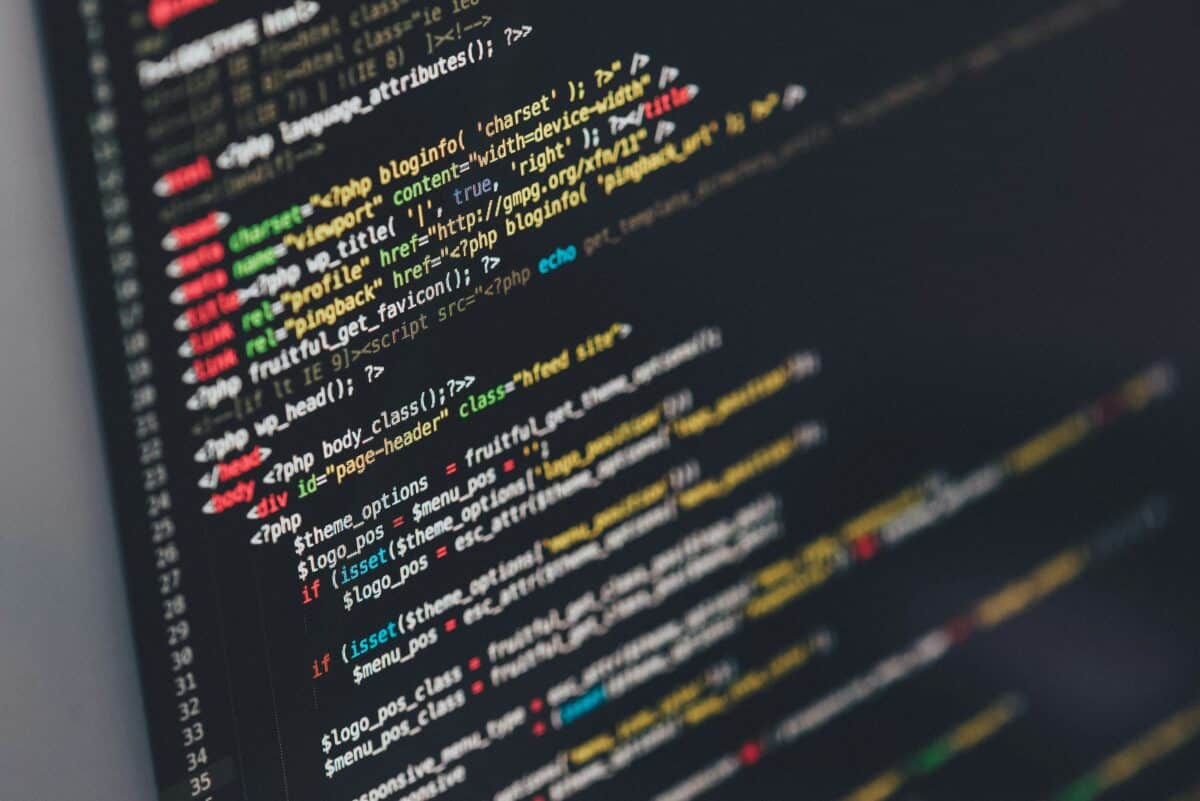
Source Code Display-Photo by Ilya Pavlov on Unsplash

While monitoring energy assets is often the main focus of operators, tools such as GridRails AI, a grid orchestration company, allow for broader involvement in the distributed energy industry. By providing tools like real-time incentives, such as payment for linking EVs to the grid, for thousands of assets, they can offer grid flexibility while providing value for a broad user base. As GridRails AI Founder and CEO Michael Grasso outlined during a call with The Energy Pioneer, only 20% of distributed energy resources (DERs) are currently participating in virtual power plants (VPPs). With peak energy demand expected to continue rising, Grasso explained that there is available supply to match this demand; it simply needs to be onboarded and used in real time.

The ability for new technologies to scale the adoption of VPPs is something that California based Leap, a VPP software platform, has been doing since their founding. Isaac Maze-Rothstein, Associate Director at Leap, explained in a July call with The Energy Pioneer, that the VPP market has shown exciting growth, but there are still challenges in scaling usage. To address these challenges, Leap’s software allows for the easier creation of VPPs through a technology agnostic approach and a single point of integration. By being tech agnostic they can use the same platform to work across different battery technologies, simplifying as many aspects of VPP creation and implementation as possible.

Buy JNews
ADVERTISEMENT

With the hardware advances of the last two decades driving renewable energy development, EV adoption, data center capabilities, and energy storage, software has evolved alongside these technologies to help manage and optimize increasingly complex energy systems.

Tags: AIartificial intelligencecleantechclimatetechElectric Vehiclessoftware battery monitoring
ShareTweetShare
Otto Gunderson

Otto Gunderson

Otto Gunderson has been working in clean energy for the last 7 years, with the last two being spent split between South America, Africa, and Southeast Asia, reporting on the transition to clean energy. After traveling and writing for two years, he founded The Energy Pioneer to create a news outlet with a global approach to clean energy journalism. He particularly enjoys writing about entrepreneurship, investment, and innovations that are contributing to greenhouse gas reduction and clean energy development.

Related Posts

ClimateTech Series: Grid Monitoring and Optimization
Clean Tech

ClimateTech Series: Grid Monitoring and Optimization

August 13, 2026
Agrivoltaics in Bangladesh: Growing Food and Solar Power on the Same Land
Solar

Agrivoltaics in Bangladesh: Growing Food and Solar Power on the Same Land

July 27, 2026
How the Viet Nam-Thailand-Malaysia-Singapore Framework Could Accelerate ASEAN Power Grid Integration
Energy Efficiency

How the Viet Nam-Thailand-Malaysia-Singapore Framework Could Accelerate ASEAN Power Grid Integration

July 23, 2026
GH2 Warns Water Security Will Be Critical to Namibia’s Green Hydrogen Ambitions
Green Hydrogen

GH2 Warns Water Security Will Be Critical to Namibia’s Green Hydrogen Ambitions

July 22, 2026
For ASEAN, Energy Security Is a Team Sport
Fossil Fuels

For ASEAN, Energy Security Is a Team Sport

July 20, 2026
Decarbonizing Maritime Shipping
Energy Efficiency

Decarbonizing Maritime Shipping

July 17, 2026

Popular Stories

  • The Race to Host AI: Data Centres in Water-Scarce India

    The Race to Host AI: Data Centres in Water-Scarce India

    0 shares
    Share 0 Tweet 0
  • Vietnam’s Oil Buffer Faces Pressure as the Iran War Disrupts Global Oil Flows

    0 shares
    Share 0 Tweet 0
  • The Philippines’ Nuclear Gamble

    0 shares
    Share 0 Tweet 0
  • Caught Between India’s Military Ambitions and Green Promises: The Future of the Andaman and Nicobar Islands

    0 shares
    Share 0 Tweet 0
  • The Sargassum Paradox: Why the Caribbean’s Clean Energy Hope is a Supply Chain Trap

    0 shares
    Share 0 Tweet 0

Actionable Info

From The Energy Pioneer

Where the energy transition connects.

Journalists, investors, companies, and clean energy leaders — all in one network.

Explore EP Network →

The Energy Pioneer

The Energy Pioneer covers the global energy transition — from clean tech and green finance to policy and renewable energy.

Recent Posts

  • ClimateTech Series: Software Advancements and Energy Use
  • China’s Solar Industry Is Losing Money. The Country Is Doubling Down Anyway.
  • “The Injustice Is That We Are Being Asked to Transition from Energy We Never Had”

Quick Links

  • Home
  • Clean Tech
  • Renewable Energy
  • Green Finance
  • Policy
  • Regions
  • Features
  • Who We Are

© 2026 The Energy Pioneer | All Rights Reserved. |

No Result
View All Result
  • Home
  • Clean Tech
    • Electric Vehicles
    • Energy Efficiency
    • Green Hydrogen
    • Smart Grid
    • Battery Storage
  • Green Finance
    • Public Financing
    • Private Financing
    • Carbon Markets
  • Policy
  • Renewable Energy
    • Wind
    • Solar
    • Hydropower
    • Nuclear
    • Hydrogen
    • Fossil Fuels
    • Geothermal
  • Regions
    • Africa
    • Asia
    • Europe
    • North America
    • Latin America
    • West Asia
    • Oceania
  • Features
  • Who We Are
    • About Us
    • EP Network
    • Contact Us

© 2026 The Energy Pioneer | All Rights Reserved. |