
This story was originally published by WRI.
On any normal day, about 20% of the world’s oil and liquefied natural gas (LNG) sails through the Strait of Hormuz. But these aren’t normal days. The military strikes on Iran that began in late February, the ensuing conflict, and the Strait’s blockade spiraled the world into yet another energy crisis. Oil is currently trading at around $100 a barrel. LNG shipments have been and continue to be severely constrained, despite a temporary ceasefire and reopening of the Strait of Hormuz.
Many countries reliant on fossil fuels that transit the Strait are now in a precarious energy position — a place where no politician, business or citizen wants to be. For instance, gasoline prices average more than $4 a gallon in the United States. The president of the Philippines announced a “national energy emergency.” Prime Minister Albanese went on national television to encourage his fellow Australians to curtail private transportation and take the bus instead, given the country’s heavy reliance on imported fuel.
Clean Energy Systems Offer Major Economic and Security Advantages
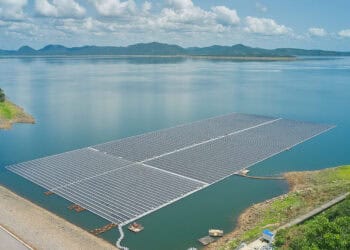
While these and many more nations are reeling from the sudden energy supply shock, others find themselves in a better position to withstand the current crisis. Why? Because they previously invested in clean energy systems. By “clean energy systems,” we mean the production, delivery and use of energy for electricity, heat and transportation that do not emit air pollution or greenhouse gases during operation. These systems include renewable electricity such as wind and solar and clean firm sources like hydro, geothermal and nuclear power. These systems can be complemented by long-duration energy-storage technologies like batteries and end-use applications such as electric vehicles and heat pumps.
What enables clean energy systems to meet this moment of crisis is not their environmental credentials, but rather their economic and security features.
First is domestic supply. Every country has homegrown access to at least two clean energy resources — the sun shines and the wind blows just about everywhere at some point. The same cannot be said of oil and gas, where production is concentrated in a small number of countries and exposed to geopolitical disruption. Second is low-cost — even free — fuel. Renewable resources like wind, solar and geothermal have zero fuel costs, and the fuel cost of nuclear power is quite low. Again, the same cannot be said of fossil fuels, which have costs set by volatile global markets. This combination of security of domestic supply and stability of cost is every country’s energy dream.

These two advantages are why some of the world’s clean energy frontrunners are faring better than other countries amidst the Iranian energy crisis:
China: Investments in EVs and Renewable Power Pay Off
As reported by the New York Times, China spent hundreds of billions of dollars over the past two decades creating robust domestic industries for EV manufacturing and renewable electricity generation. Just think of the rapid emergence of major Chinese EV car manufacturers BYD (which now sells more EVs than Tesla), Geely and Chery. This past year, half of new cars sold in China were EVs — the majority all-electric — and one-third of new heavy-duty trucks were EVs.
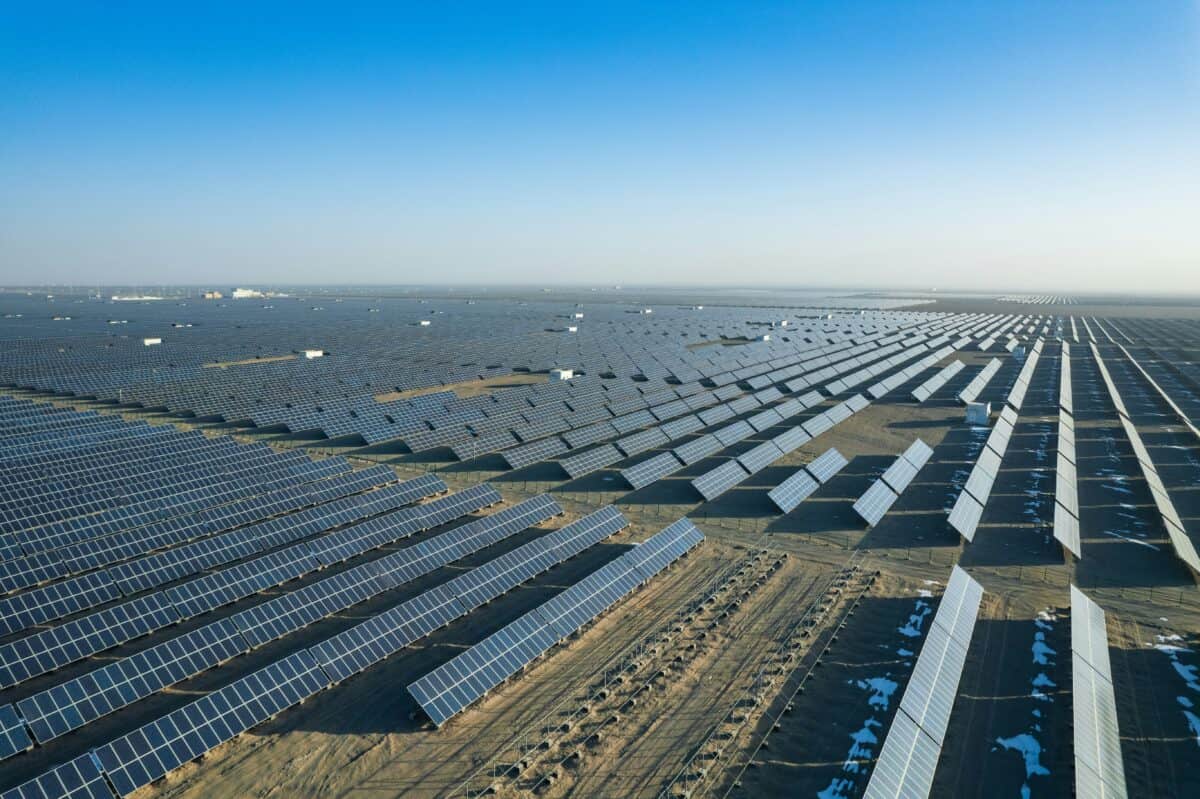
Likewise, China has invested heavily in renewable power generation and equipment manufacturing. It’s now the world’s largest solar photovoltaic and wind turbine manufacturer. Electricity from solar, wind and hydropower comprises nearly 36% of China’s total electricity generation, up from 16% in 2000.
China’s rapid EV adoption has accelerated the peaking of refined oil demand. This combination of EVs and non-fossil electricity is helping China curb growth in demand for imported petroleum and natural gas, reducing China’s exposure to external supply disruptions.
Pakistan: A Distributed Solar Boom Insulates Households and Businesses from Fuel Shortages
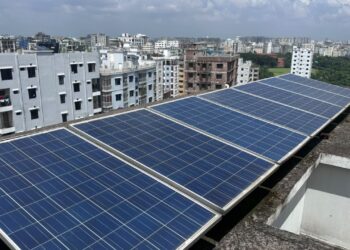
Distributed solar PV has so far buffered Pakistan’s power sector from the impacts of natural gas supply disruptions. Grid-connected and non-grid connected solar PV installations across the country have grown so much since the beginning of the decade that they are dramatically reducing the need to use natural gas for electricity generation, particularly during the day. Analysis indicates that Pakistan’s solar boom had already avoided $12 billion in oil and gas imports even before the Iran war began.
This solar PV explosion was caused by a perfect storm of supply and demand that started at the end of the past decade. In terms of demand, rate increases made grid-connected power unaffordable for many families and small enterprises. In terms of supply, low-cost Chinese-manufactured solar PV systems started flooding the Pakistani market. It therefore became very economical for households and businesses to purchase and install distributed plug-in solar PV systems—so much so that between 2019 and 2025, the generating capacity of Pakistan’s solar panel imports exceeded the country’s existing installed power plant capacity. While this has created challenges for Pakistan’s utilities by lowering grid-based demand, it has helped shield the country and consumers during this crisis.
France and Spain: High Share of Nuclear and Renewables Keep Electricity Prices Down
Whereas some European countries are facing noticeable electricity price increases since the start of the Iran crisis, Spain and France are experiencing much lower rate increases. This is because both countries generate a sizable share of their power from sources other than natural gas. In France, nuclear comprises about 70% of the country’s electricity mix, with renewables providing another 25%. Natural gas came in at under 4% in 2024. In Spain, renewables (solar, wind and hydro) generate 57% of the country’s electricity, with nuclear providing 20% and natural gas 19%.
It’s not just the share of generation that matters, but also when resources are available. Economics 101 tells us that the marginal generator sets the overall market price; the last generator needed to meet demand sets the price for all electricity generated. So when natural gas power plants get fired up to meet electricity demand that other sources cannot satisfy, natural gas sets the market price for all power generation. That rarely happens in France due to its strong nuclear fleet. And in Spain, the fact that the country’s solar, wind and hydro resources tend to be available during different seasons and times of day reduces the frequency of natural gas being the marginal power producer. The result is that the power sectors in both countries have less exposure to volatile natural gas prices and thus, more stable electricity rates.
Some Caveats
Of course, the clean energy investments in these countries have not fully shielded them from impact. In particular, the examples above focus on clean electricity generation for use in factories, homes and transportation. Other forms of energy, such as those needed for heat, are still heavily affected.
In China, for instance, many households and industrial processes are heated by natural gas. China and others still rely on imported petrochemicals as the raw material for clothing, rubber, fertilizer and other products. All these applications remain exposed in the current energy crisis. And while Spain and France may have insulated their electricity systems from price shocks, their continued dependence on imported fossil fuels for industry and transportation leaves those sectors exposed. Moreover, some countries further shelter themselves from supply shocks by creating fossil fuel reserves, as China has done.
That said, shifting electricity to clean sources and electrifying transit are milestone steps toward energy independence.
Circumventing the Blockade through Clean Energy
For years, advocates have proclaimed the climate and health advantages of clean energy systems. Those benefits still hold and will be increasingly important in the future. But what the current Iran energy crisis reveals is that clean energy system’s greatest benefits today might actually be price stability and domestic energy resilience. Clean energy can fuel national security — because no Strait of Hormuz can blockade the wind, sun, water or Earth’s own heat.