
The Energy Pioneer
No Result
View All Result
  • Home
  • Clean Tech
  • Renewable Energy
  • Green Finance
    • Crash Course
    • Private Financing
    • Public Financing
    • Carbon Markets
  • Policy
  • Regions
    • Africa
    • Asia
    • West Asia
    • Latin America
    • North America
    • Europe
  • Features
  • Who We Are
    • About Us
    • Contact Us
    • EP Investing
  • Home
  • Clean Tech
  • Renewable Energy
  • Green Finance
    • Crash Course
    • Private Financing
    • Public Financing
    • Carbon Markets
  • Policy
  • Regions
    • Africa
    • Asia
    • West Asia
    • Latin America
    • North America
    • Europe
  • Features
  • Who We Are
    • About Us
    • Contact Us
    • EP Investing
No Result
View All Result
The Energy Pioneer
No Result
View All Result
  • Home
  • Clean Tech
  • Green Finance
  • Policy
  • Renewable Energy
  • Regions
  • Features
  • Who We Are
Home Renewable Energy Fossil Fuels

For ASEAN, Energy Security Is a Team Sport

byFeatured Expert: Adib Zalkapli
July 20, 2026
Reading Time: 3 mins read

In a competitive political environment, protectionist instincts among government leaders are understandable, particularly when they are under pressure to respond to domestic concerns.

RELATED POSTS

Decarbonizing Maritime Shipping

Cleantech Series: The Growing Opportunities in Lithium-Ion Battery Recycling

Fighting Saltwater with Sunlight: How Solar Technology Is Tackling the Drinking Water Crisis in Southwest Bangladesh

However, when it comes to energy security, small countries like member states of ASEAN should adopt a collective approach to supply resilience rather than resort to isolationist or inward-looking measures.
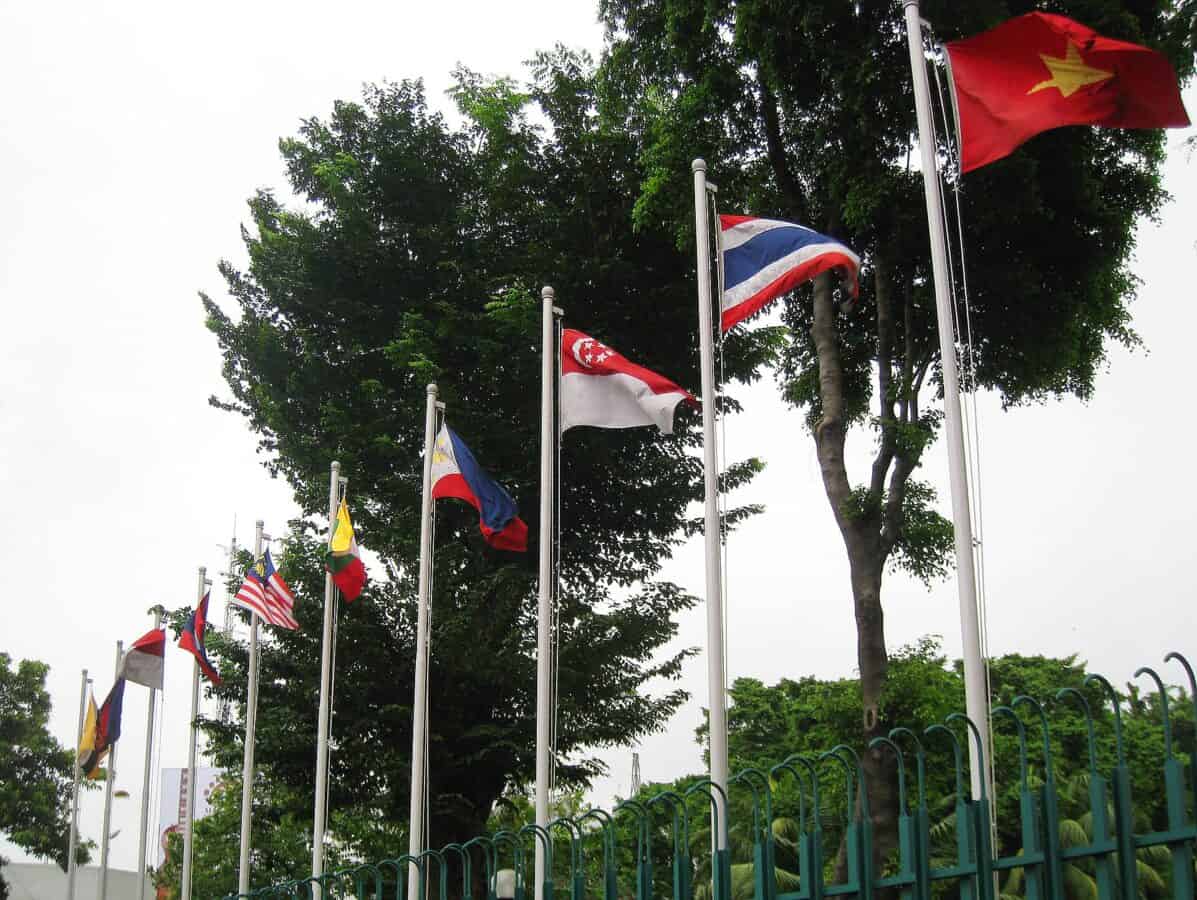
ASEAN Flags-Gunawan Kartapranata / Wikimedia Commons (CC BY-SA 3.0)

Strengthening regional cooperation and maintaining open trade will do more to enhance long-term energy security than policies that seek to insulate individual markets.

From the team behind The Energy Pioneer — EP Network is where the energy transition connects.

Explore →

The ongoing tensions in the Middle East and the unpredictability of the security of the Strait of Hormuz should serve as a reminder that disruptions to energy trade are becoming increasingly unpredictable and cannot be effectively addressed by any single country acting alone.

These developments in the Middle East present an opportunity for countries in Southeast Asia  to strengthen collective energy supply resilience through greater regional cooperation, strategic stockpiles, data sharing and coordinated emergency response mechanisms. 

The idea of establishing a regional collective fuel stockpiles is still at a preliminary stage of discussion, and admittedly very challenging but is not an entirely new idea. 

Existing mechanisms for maintaining rice stockpile through the ASEAN Plus Three Emergency Rice Reserve (APTERR) provide a useful precedent. 

Buy JNews
ADVERTISEMENT

Building on the APTERR experience, a regional fuel reserve could become an important component of a broader energy security strategy, helping to cushion temporary supply shocks, and reduce the risk of individual countries resorting to unilateral export restrictions or panic buying during crises. 

While the governance and financing arrangements would require careful design, the concept is both practical and worthy of serious consideration as regional economies become increasingly interconnected and exposed to common risks and challenges.

A somewhat loose regional framework, the ASEAN Petroleum Security Agreement (APSA), already exists and could be further strengthened into a more robust mechanism for enhancing regional supply resilience. 

Although the agreement was signed in 1986, it has yet to be developed into an operational arrangement capable of responding effectively to major supply disruptions. Nor has it been tested under the kind of severe, prolonged crisis that would require coordinated regional intervention. 

With clearer governance, legally binding commitments, agreed stockholding obligations, and well-defined release protocols, the existing agreement could potentially evolve into a credible regional platform that ASEAN member states can rely upon during periods of acute supply shortages or wider energy security emergencies.

The agreement could also be expanded to include oil-producing countries beyond ASEAN member states. Broadening participation would diversify supply sources, and strengthen the region’s ability to secure adequate supplies during periods of disruption. An expanded agreement would also enhance the resilience and credibility of the fuel sharing mechanisms by ensuring access to production capacity where it is most abundant.

But developing the financial and operational mechanisms for a collective energy security resilience is just one part of the challenge. Another major challenge is domestic politics, especially for countries with production and refining capacity. 

Malaysia’s experience at the start of the Middle East tensions serves as a cautionary tale about the difficulty of balancing domestic political pressures with the need to build stronger regional energy security resilience. 

During the early stages of the Middle East crisis, when reports emerged that neighbouring countries continued to receive refined fuel shipments from Malaysia, a major regional refining hub, the domestic opposition criticised the delivery, arguing that fuel exports should be restricted to safeguard supplies for the local market. The episode underscored the political pressures governments face during periods of uncertainty, as calls to prioritise domestic consumers can quickly overshadow the longer-term benefits of maintaining reliable regional energy security arrangements.

Building a robust regional energy supply resilience framework will require governments to navigate a difficult political balancing act, strengthening collective security and addressing legitimate domestic concerns at the same time. 

In times of crisis, calls for export restrictions and protectionist measures are likely to gain public support, particularly when governments are under pressure to demonstrate that they are prioritising national interests. Successful regional supply security will require political leaders willing to make the case for collective action even when faced with domestic opposition.

The challenge of building collective resilience is also operational. Establishing effective regional mechanisms requires countries to resolve complex issues such as financing arrangements, stock ownership and management, and clear protocols on when and how reserves should be released during a crisis. These challenges require sustained political commitment and institutional coordination, but overcoming them would create a more reliable and responsive regional safety net.


Finished the story? Meet the people behind it.

EP Network is where energy journalists, investors, companies, and clean energy leaders connect.

Join EP Network →
Tags: ASEAN Petroleum Security Agreementinternational cooperationMalaysianational interestoilsafety netStrait of Hormuzstrategic stockpiles
ShareTweetShare
Featured Expert: Adib Zalkapli

Featured Expert: Adib Zalkapli

Adib Zalkapli is a Malaysia based geopolitical risks consultant. His firm, Viewfinder Global Affairs works with businesses in navigating geopolitical risks and resolving domestic political challenges. He supported global manufacturers to mitigate disruptions to their supply chains caused by the COVID-19 lockdowns and border closures in Southeast Asia. He has also worked with senior executives from a global food company to develop supply chain resilience and business continuity plans (BCPs) in the event of an escalation in the Taiwan Strait and the South China Sea.

Related Posts

Decarbonizing Maritime Shipping
Energy Efficiency

Decarbonizing Maritime Shipping

July 17, 2026
Cleantech Series: The Growing Opportunities in Lithium-Ion Battery Recycling
Clean Tech

Cleantech Series: The Growing Opportunities in Lithium-Ion Battery Recycling

July 17, 2026
Fighting Saltwater with Sunlight: How Solar Technology Is Tackling the Drinking Water Crisis in Southwest Bangladesh
Solar

Fighting Saltwater with Sunlight: How Solar Technology Is Tackling the Drinking Water Crisis in Southwest Bangladesh

July 14, 2026
88% Renewable, 100% Confused: Brazil’s Coal Problem
Fossil Fuels

88% Renewable, 100% Confused: Brazil’s Coal Problem

July 13, 2026
The Rockefeller Foundation’s Catalytic Capital: Turning Early Investments into Lasting Energy Impact
Private Financing

The Rockefeller Foundation’s Catalytic Capital: Turning Early Investments into Lasting Energy Impact

July 10, 2026
The Power of Commitment: How Government Investment Accelerated Electrification in Tanzania
Public Financing

The Power of Commitment: How Government Investment Accelerated Electrification in Tanzania

July 8, 2026

Popular Stories

  • The Race to Host AI: Data Centres in Water-Scarce India

    The Race to Host AI: Data Centres in Water-Scarce India

    0 shares
    Share 0 Tweet 0
  • Vietnam’s Oil Buffer Faces Pressure as the Iran War Disrupts Global Oil Flows

    0 shares
    Share 0 Tweet 0
  • Caught Between India’s Military Ambitions and Green Promises: The Future of the Andaman and Nicobar Islands

    0 shares
    Share 0 Tweet 0
  • The Philippines’ Nuclear Gamble

    0 shares
    Share 0 Tweet 0
  • South Sudan’s Missed Opportunity: Untapped Renewables Leave Millions in the Dark

    0 shares
    Share 0 Tweet 0

Actionable Info

From The Energy Pioneer

Where the energy transition connects.

Journalists, investors, companies, and clean energy leaders — all in one network.

Explore EP Network →

The Energy Pioneer

The Energy Pioneer covers the global energy transition — from clean tech and green finance to policy and renewable energy.

Recent Posts

  • For ASEAN, Energy Security Is a Team Sport
  • Decarbonizing Maritime Shipping
  • Cleantech Series: The Growing Opportunities in Lithium-Ion Battery Recycling

Quick Links

  • Home
  • Clean Tech
  • Renewable Energy
  • Green Finance
  • Policy
  • Regions
  • Features
  • Who We Are

© 2026 The Energy Pioneer | All Rights Reserved. |

From The Energy Pioneer

You read about the energy transition. EP Network connects you to it.

Join the network of journalists, investors, companies, and professionals building the clean energy future.

No thanks
Please enter a valid email.
You're in. We'll be in touch soon.
No Result
View All Result
  • Home
  • Clean Tech
    • Electric Vehicles
    • Energy Efficiency
    • Green Hydrogen
    • Smart Grid
    • Battery Storage
  • Green Finance
    • Public Financing
    • Private Financing
    • Carbon Markets
  • Policy
  • Renewable Energy
    • Wind
    • Solar
    • Hydropower
    • Nuclear
    • Hydrogen
    • Fossil Fuels
    • Geothermal
  • Regions
    • Africa
    • Asia
    • Europe
    • North America
    • Latin America
    • West Asia
  • Features
  • Who We Are
    • About Us
    • EP Investing
    • Contact Us

© 2026 The Energy Pioneer | All Rights Reserved. |