
The Energy Pioneer
No Result
View All Result
  • Home
  • Clean Tech
  • Renewable Energy
  • Green Finance
    • Crash Course
    • Private Financing
    • Public Financing
    • Carbon Markets
  • Policy
  • Regions
    • Africa
    • Asia
    • West Asia
    • Latin America
    • North America
    • Europe
  • Features
  • Who We Are
    • About Us
    • Contact Us
    • EP Investing
  • Home
  • Clean Tech
  • Renewable Energy
  • Green Finance
    • Crash Course
    • Private Financing
    • Public Financing
    • Carbon Markets
  • Policy
  • Regions
    • Africa
    • Asia
    • West Asia
    • Latin America
    • North America
    • Europe
  • Features
  • Who We Are
    • About Us
    • Contact Us
    • EP Investing
No Result
View All Result
The Energy Pioneer
No Result
View All Result
  • Home
  • Clean Tech
  • Green Finance
  • Policy
  • Renewable Energy
  • Regions
  • Features
  • Who We Are
Home Green Finance

As the CBAM Experiment Begins all Eyes are on Europe

byNoah Ginsburg
April 1, 2026
Reading Time: 3 mins read

In the fight against climate change and the rise of greenhouse gas emissions, countries have looked for solutions to slow the increase in carbon output. Now, they are turning to a new system of quantifying and disincentivizing certain goods.

RELATED POSTS

Climate Investment and Scaling Decarbonization Solutions

A Policy Lag in Zimbabwe’s Energy Sector

The Green Climate Fund’s Approach to Climate Finance

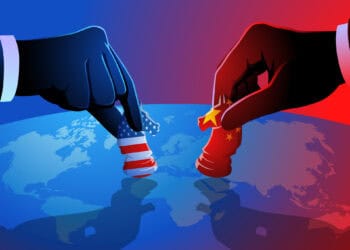
The CBAM, or carbon border adjustment mechanism, is the EU’s attempt at putting a fair price on carbon emissions while preventing carbon leakage. Imposing taxes and tariffs on domestic carbon emitters and importers has been tricky due to a lack of equity. Taxes imposed on domestic companies drove carbon leakage, meaning that it prompted businesses to move their operations to foreign soil to avoid the tax. At the same time, tariffs prescribed to imported goods threatened the WTO’s mandate of equal treatment for foreign and domestic goods.

CBAM attempts to marry the two taxes, ensuring equity between foreign and domestic goods while upholding the WTO rules. The EU Parliament adopted CBAM in May of 2023, and the transitional phase began in October of that same year. During the transitional phase, companies that produce CBAM goods are required to submit a quarterly report containing quantities of CBAM goods imported, the embedded direct and indirect greenhouse gas emissions, and the carbon price due in the country of origin.

From The Energy Pioneer

Meet EP Investing — now live and free through July 15th.

1,300+ companies · 350+ investors · 185+ grants. Capital discovery for the energy transition.

EP Investing is now live
Register Free →

CBAM will target goods in high-carbon industries such as iron, steel, aluminum, fertilizers, and cement. In conversation with Alayna Tria, Associate Director at BRG, she mentioned that, from an economic standpoint, CBAM is the most efficient way to curb a country’s carbon emissions. Tria emphasized that ensuring accurate data collection is one of the biggest hurdles to overcome in this transition period. To ensure that CBAM taxes are equitable and meet WTO rules, the number of goods imported and their embedded greenhouse gas emissions, both direct and, if applicable, indirect, need to be quantified and balanced with domestic goods, which also need to be quantified. The necessary data collection, she says, is a massive undertaking.

CBAM has been met with some pushback. Firstly, it has been criticized for leaving room for uncertainty in carbon accounting. Measuring emissions is not an easy task, and critics argue that there is yet no clear methodology for calculating embedded carbon, even at the factory level. A coalition of nations, led by China and India, also argue that CBAM will unfairly affect them and serve the special interests of those who can afford the tax. The group, which includes South American and African nations, argues that they will be disproportionately affected and that tariffs weaken decarbonization.

As CBAM unfolds in the EU, nations from around the globe will be watching, particularly in America, where a new administration favoring tariffs could view the tougher trade policy as an effective model. CBAM regulations will go into full effect on January 1, 2026, when importers will be required to obtain authorization to import CBAM goods and declare the quantity and embedded greenhouse gas emissions of goods yearly. A full roll-out of CBAM is planned for 2034.


Buy JNews
ADVERTISEMENT
From The Energy Pioneer

Meet EP Investing — now live and free through July 15th.

1,300+ companies · 350+ investors · 185+ grants. Capital discovery for the energy transition.

EP Investing is now live
Register Free →
Tags: carbon taxCBAMgreen finance
ShareTweetShare
Noah Ginsburg

Noah Ginsburg

Noah Ginsburg is a freelance journalist based in New York City. A graduate of the University of Virginia with a degree in Global Sustainability, Noah is focused on covering the fight against climate change. He reports on developing technologies, sustainable business strategies, impact investing, and environmental policy. By drawing attention to these universal issues, he hopes more people will support the movement and stay informed.

Related Posts

Climate Investment and Scaling Decarbonization Solutions
Green Finance

Climate Investment and Scaling Decarbonization Solutions

June 16, 2026
A Policy Lag in Zimbabwe’s Energy Sector
Features

A Policy Lag in Zimbabwe’s Energy Sector

June 15, 2026
The Green Climate Fund’s Approach to Climate Finance
Green Finance

The Green Climate Fund’s Approach to Climate Finance

June 9, 2026
Advancing Climate Resilience and Energy Equity with the Kresge Foundation
Private Financing

Advancing Climate Resilience and Energy Equity with the Kresge Foundation

June 5, 2026
Who Really Pays When the Lights Go Out?
Public Financing

Who Really Pays When the Lights Go Out?

June 4, 2026
Zimbabwe’s Forgotten Water-Pumping Windmills Hint at Wind Power Potential
Wind

Zimbabwe’s Forgotten Water-Pumping Windmills Hint at Wind Power Potential

June 1, 2026
Next Post
The Push for Grid Modernization

The Push for Grid Modernization

Another Setback for Green Hydrogen in UAE

Another Setback for Green Hydrogen in UAE

Popular Stories

  • The Race to Host AI: Data Centres in Water-Scarce India

    The Race to Host AI: Data Centres in Water-Scarce India

    0 shares
    Share 0 Tweet 0
  • Vietnam’s Oil Buffer Faces Pressure as the Iran War Disrupts Global Oil Flows

    0 shares
    Share 0 Tweet 0
  • Caught Between India’s Military Ambitions and Green Promises: The Future of the Andaman and Nicobar Islands

    0 shares
    Share 0 Tweet 0
  • The Philippines’ Nuclear Gamble

    0 shares
    Share 0 Tweet 0
  • South Sudan’s Missed Opportunity: Untapped Renewables Leave Millions in the Dark

    0 shares
    Share 0 Tweet 0

Actionable Info

From The Energy Pioneer

Meet EP Investing — now live.

1,300+ companies · 350+ investors · 185+ grants

Free through July 15th

Register Free →

The Energy Pioneer

The Energy Pioneer covers the global energy transition — from clean tech and green finance to policy and renewable energy.

Recent Posts

  • Climate Investment and Scaling Decarbonization Solutions
  • The Energy Transition Only Works if Development Works
  • Zimbabwe’s Growing Solar Garbage Problem

Quick Links

  • Home
  • Clean Tech
  • Renewable Energy
  • Green Finance
  • Policy
  • Regions
  • Features
  • Who We Are

© 2026 The Energy Pioneer | All Rights Reserved. |

From The Energy Pioneer

You read about the energy transition. EP Investing is where it happens.

Source deals, raise capital, hire talent, track the market. Free through July 15th.

No thanks
Please enter a valid email.
You're in. We'll be in touch with your access link soon.
No Result
View All Result
  • Home
  • Clean Tech
    • Electric Vehicles
    • Energy Efficiency
    • Green Hydrogen
    • Smart Grid
    • Battery Storage
  • Green Finance
    • Public Financing
    • Private Financing
    • Carbon Markets
  • Policy
  • Renewable Energy
    • Wind
    • Solar
    • Hydropower
    • Nuclear
    • Hydrogen
    • Fossil Fuels
    • Geothermal
  • Regions
    • Africa
    • Asia
    • Europe
    • North America
    • Latin America
    • West Asia
  • Features
  • Who We Are
    • About Us
    • EP Investing
    • Contact Us

© 2026 The Energy Pioneer | All Rights Reserved. |