
Extending electricity access in rural Madagascar
Rural electrification projects in Madagascar are exploring a social entrepreneurship model designed to keep electricity services running long after donor funding ends, with local private operators expected to take responsibility for maintenance, repairs and equipment replacement.
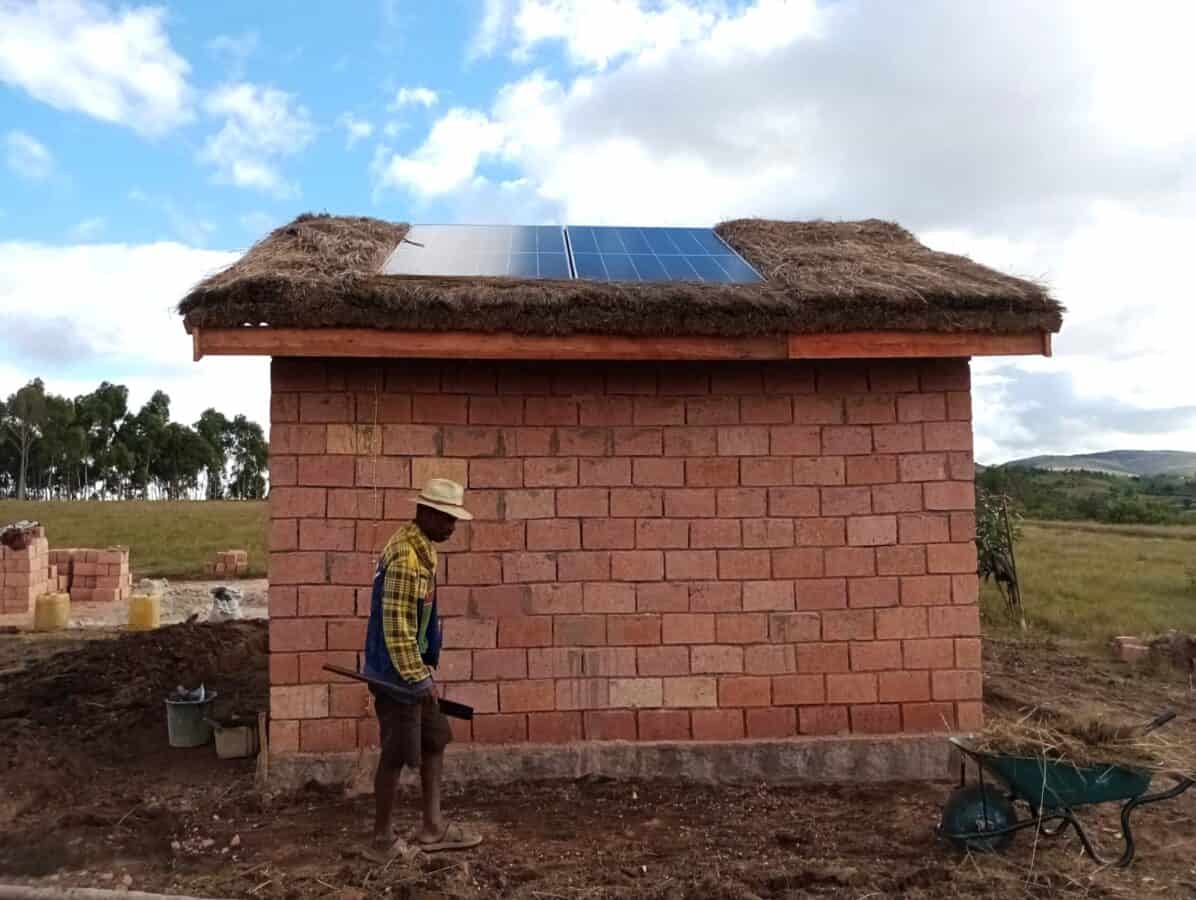
Emeline Moreau, energy project manager at GRET, an international development NGO, says the approach seeks to combine commercial viability with social inclusion to ensure rural communities have access to reliable and sustainable electricity.
GRET is applying this approach through two projects, TOTEM and AMASOL, which aim to demonstrate how decentralised renewable energy systems can extend electricity access to remote communities that are often overlooked by conventional power infrastructure investments. Under the TOTEM project, a hydropower plant in Ivony is expected to connect 400 households, while 14 multiservice solar kiosks are planned to benefit another 700 households.
According to the African Development Bank, Madagascar faces significant electricity access challenges, with a national electrification rate of just 36 percent, including 23 percent grid access. Rural areas remain severely underserved, with only 7 percent access, compared with 57 percent in urban areas.
The sector also faces ageing infrastructure and underdeveloped generation capacity. Despite an installed capacity of less than 800MW against peak demand of 680MW, Madagascar has significant untapped renewable energy potential, including 7,800MW of hydropower, of which only 4 percent has been exploited, and more than 2,000MW of solar and wind resources.
Under TOTEM, environmental protection measures will also include reforestation and watershed conservation to protect the water resources needed for reliable hydropower generation. Electricity services will be managed by a social enterprise beyond the project period, with local authorities and communities involved in infrastructure governance.

Meanwhile, the AMASOL project plans to establish three 50-kilowatt solar mini-grids in rural communes in the Amoron’i Mania region. GRET expects the project to provide direct electricity access to 750 households, representing nearly 4,500 people. A further 47,200 people are expected to benefit from the electrification of essential public services, particularly schools and health centres.
Turning electricity access into economic opportunity
Rakoto Edmont, president of the Municipal Council of Ambatofitorahana in Madagascar, views electricity as an opportunity to diversify economic activities.
“Access to electricity could boost the local economy, support small businesses and agricultural processing, while creating new opportunities for young people and making rural areas more attractive,” he was quoted in a GRET statement as saying.
His remarks reflect the broader development ambitions underpinning the projects that electricity is not only a household service but also a potential catalyst for local economic transformation. For GRET, shared governance is central to achieving that ambition while ensuring that the infrastructure remains functional and accessible over time.
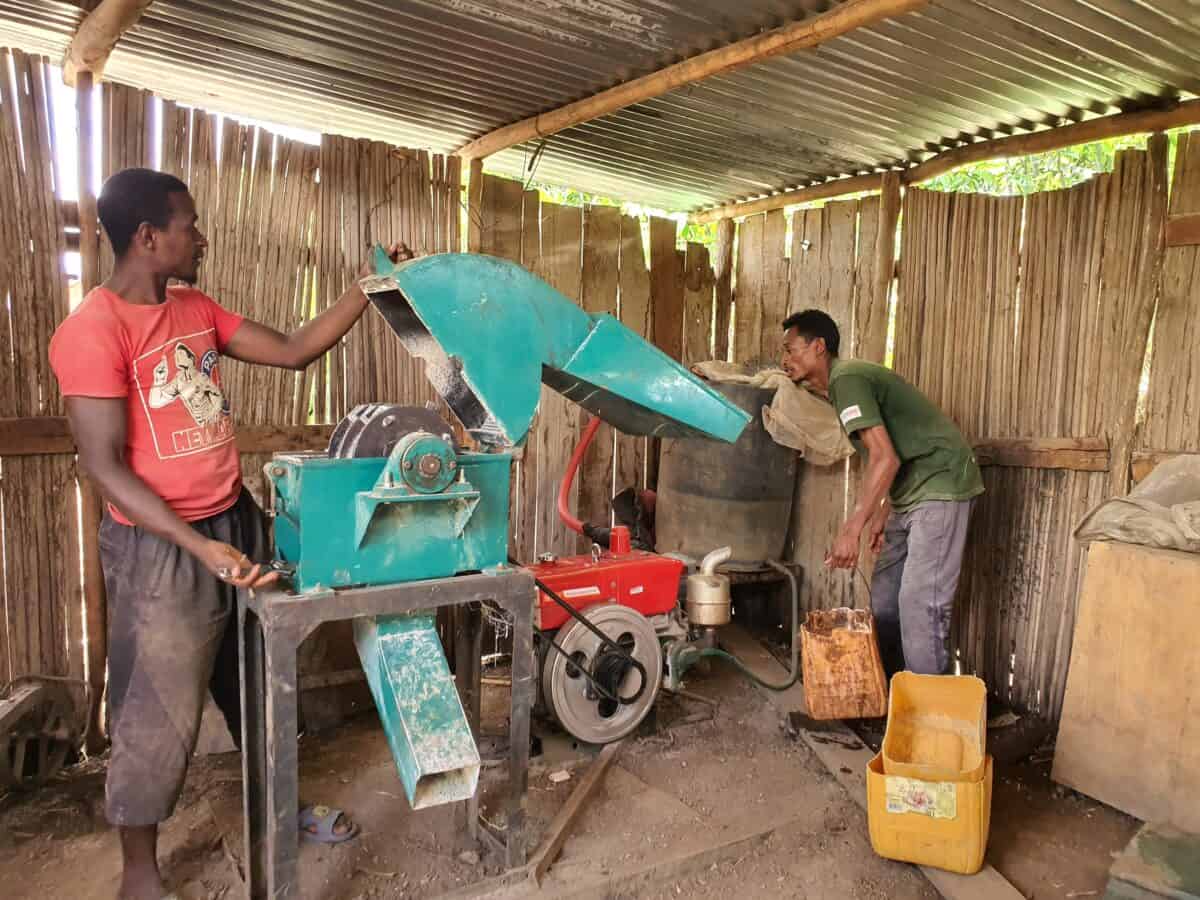
Moreau says the projects will work closely with the private operator to support local entrepreneurs and promising economic sectors, with the expectation that productive uses of electricity would help strengthen the viability of rural electrification systems.
The strategy includes electrifying production facilities and workspaces while establishing mechanisms to monitor and support businesses as they develop.
This support will include coaching, financial and non-financial assistance, capacity building, and monitoring and evaluation.
The objective is to help local businesses make productive use of electricity, potentially increasing their incomes while creating a stronger customer base for the electricity operator.
Moreau says entrepreneurs will continue to have access to the private operator after the project ends, while the operator itself would receive support from GRET during implementation.
This support is intended to strengthen both sides of the electricity market: businesses that use power to generate income and the operator responsible for delivering the service.
Building a model for long-term sustainability
The long-term success of these efforts will also depend on how electricity services are managed and financed. Moreau explained that GRET is supporting SM3E, a small Malagasy private operator in rural electrification, to embed social and solidarity-based entrepreneurship principles into its business structure.
The approach places responsibility for the long-term operation of the infrastructure on a locally established enterprise rather than relying indefinitely on donor support.
“We also envision a governance model for this operator that involves communities, users, local governments, and authorities to tailor solutions to local realities and foster long-term ownership of the infrastructure,” Moreau says.
The involvement of local stakeholders is expected to help ensure that decisions about electricity services reflect the needs and circumstances of the communities they serve.
Keeping electricity affordable and financially viable
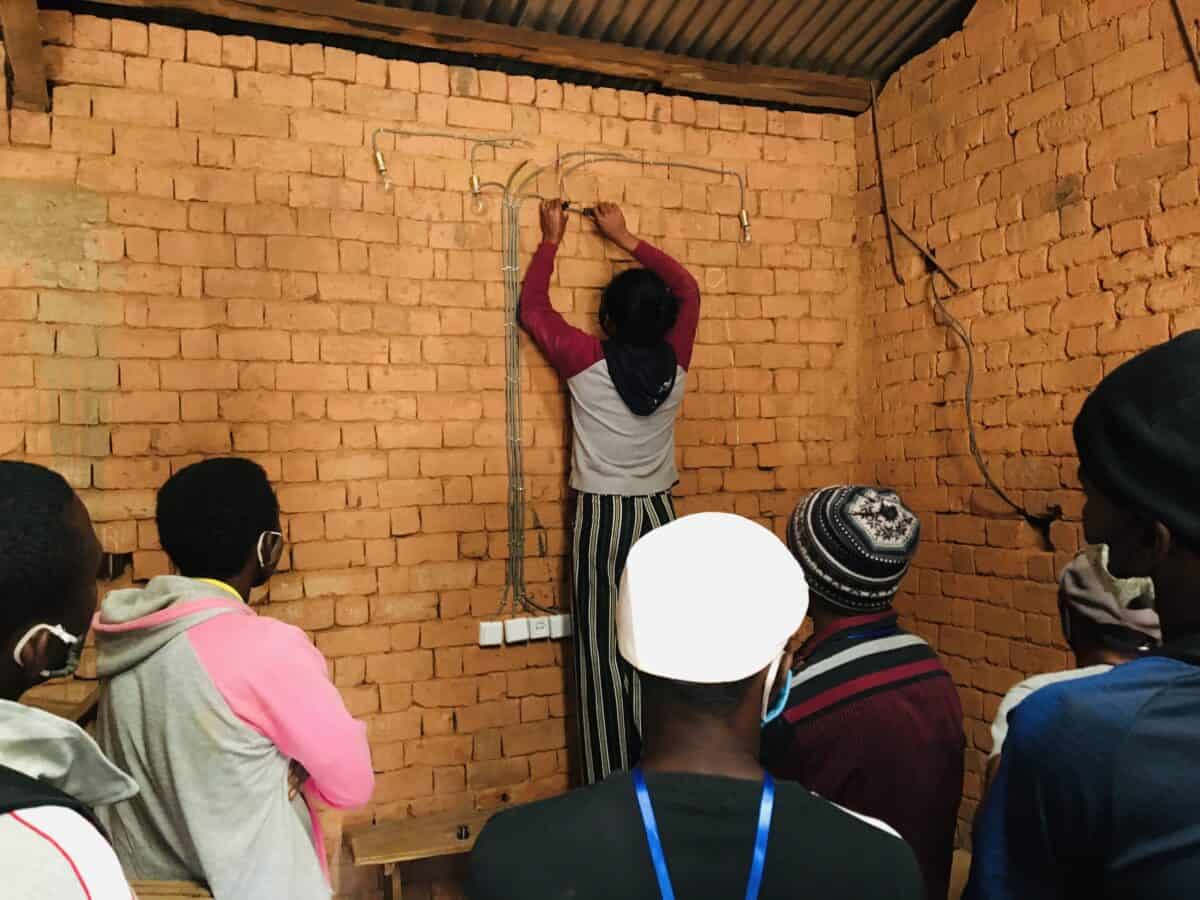
Financing will also be needed to enable the operator to expand electricity access beyond the initial project sites.
“To ensure that all of this works and that the operator can finance the electrification of other sites within its concession area, impact investment funds and citizen investment must be mobilised,” Moreau says.
While the projects aim to establish financially sustainable electricity services, the ability of households to pay for electricity regularly remains a significant consideration. Household affordability is assessed from the beginning of the project to help anticipate the risk of irregular payments and ensure that proposed tariffs do not exclude poorer households.
“To best anticipate this situation of irregular payments by households, we have already calculated households’ ability to pay from the start of the project, and the rates proposed by the private operator will be as inclusive as possible to ensure that even the least financially secure households have access to electricity,” she says.
The approach recognises that a single electrification model may not be suitable for every household, particularly in remote areas where incomes are low and the cost of extending electricity infrastructure can be high. In some areas, nano-grids or individual solar kits will be provided instead of mini-grids to ensure a minimum level of electricity access.
Beyond household access, GRET’s approach places considerable emphasis on using electricity to stimulate economic activity and increase demand for power.
A stronger local economy could help households and enterprises afford electricity while providing the operator with a more dependable revenue base. The extent to which this translates into long-term financial sustainability will depend on local economic conditions, electricity demand, collection rates and the costs of maintaining the systems.
Moreau sums it all with the organisation’s vision which is: “To enable universal access to reliable and sustainable energy through shared governance of electricity services in rural areas of Madagascar.”