
In June this year, the World Bank approved USD 160 million for a regional project aimed at expanding access to reliable, affordable and clean electricity in Togo and The Gambia. The Regional Access Increase and Sustainable Energy Project (RAISE), in collaboration with the Economic Community of West African States (ECOWAS), is expected to connect about 1 million people while supporting job creation.
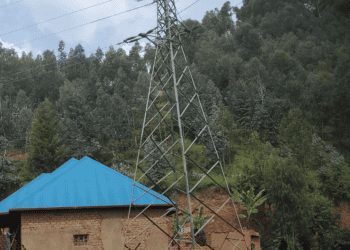
The project will expand electricity distribution networks, reduce connection costs and accelerate renewable energy development in rural and peri-urban areas.
“This project tackles the core barriers to electricity access, i.e. affordability, limited infrastructure, and weak sector capacity, by combining network expansion with reforms and private sector mobilization,” said Franz Drees-Gross, the Regional Director for Infrastructure, in a World Bank press statement.
For Togo’s rural communities, however, expanding the grid and improving electricity connections may need to be accompanied by more decentralised renewable energy solutions, particularly in remote areas where extending conventional infrastructure can be difficult or expensive.
Solar and Small Hydropower
James Njuguna is Director of Research and Innovation at Robert Gordon University in the UK. Together with his team, he examines the energy landscape in rural areas of Togo, highlighting the country’s considerable renewable energy potential, including solar, hydropower, wind, and biomass, as well as its capacity to address persistent energy-access challenges.
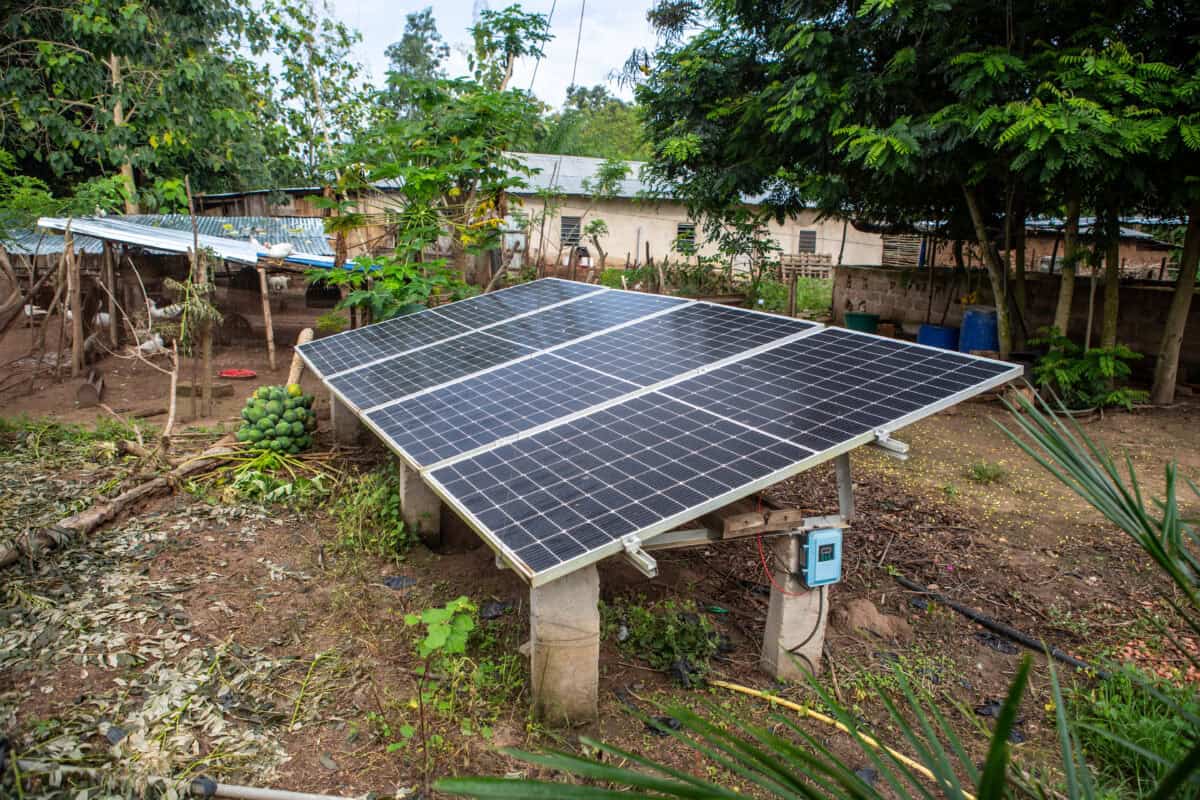
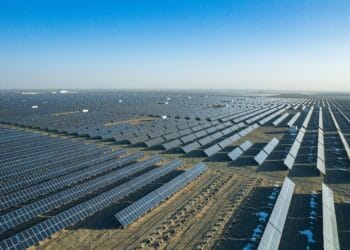
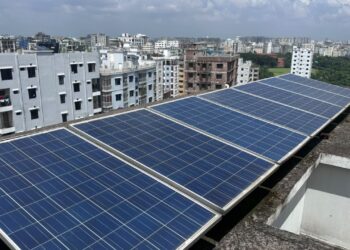
Photovoltaic (PV) solar and small-scale hydropower were identified as among the most viable options for rural communities.

“Many regions benefit from high solar irradiance,” Njuguna tells The Energy Pioneer. He also notes that several rural areas are traversed by rivers with potential for micro-hydropower development, including the Kpendjal, Ouale and Sansargou in Madouri, the Oti in Mango, and the Mono in Kaboli.
Harnessing these resources could deliver agricultural benefits while also expanding access to electricity. Njuguna explains that integrating solar-powered irrigation systems, comprising basic components such as converters, transformers, pumps, and batteries, could enable year-round farming and reduce reliance on seasonal rainfall.
“This would significantly enhance food security and economic resilience,” he adds.
Barriers to Rural Energy Access
For rural Togo, Njuguna says renewable energy development should not be limited to installing technology. Its success will depend on creating systems that communities can afford, operate and maintain over the long term.
He calls for increased training of local technicians, stronger collaboration between government and private organisations, and greater engagement with funding institutions to direct financing towards off-grid projects and poorer communities.
Among the approaches he recommends, is a cross-subsidisation tariff system that can help cover the operation and maintenance costs of off-grid solar systems while protecting poorer households from unaffordable energy costs.
Njuguna also argues that liberalising the energy sector and allowing greater private investment in rural electrification could accelerate progress, including through Build-Own-Operate arrangements.
At the policy level, he calls for simpler and clearer regulations, fair stakeholder participation, reduced import duties on renewable energy equipment and standardised power-purchase agreements and tariffs.
Financial support should also become more inclusive, with governments and financial institutions considering grants, loans for small and medium-sized enterprises and microfinance models tailored to rural economies, including repayment mechanisms linked to agricultural production.
Togo’s Renewable Energy Progress
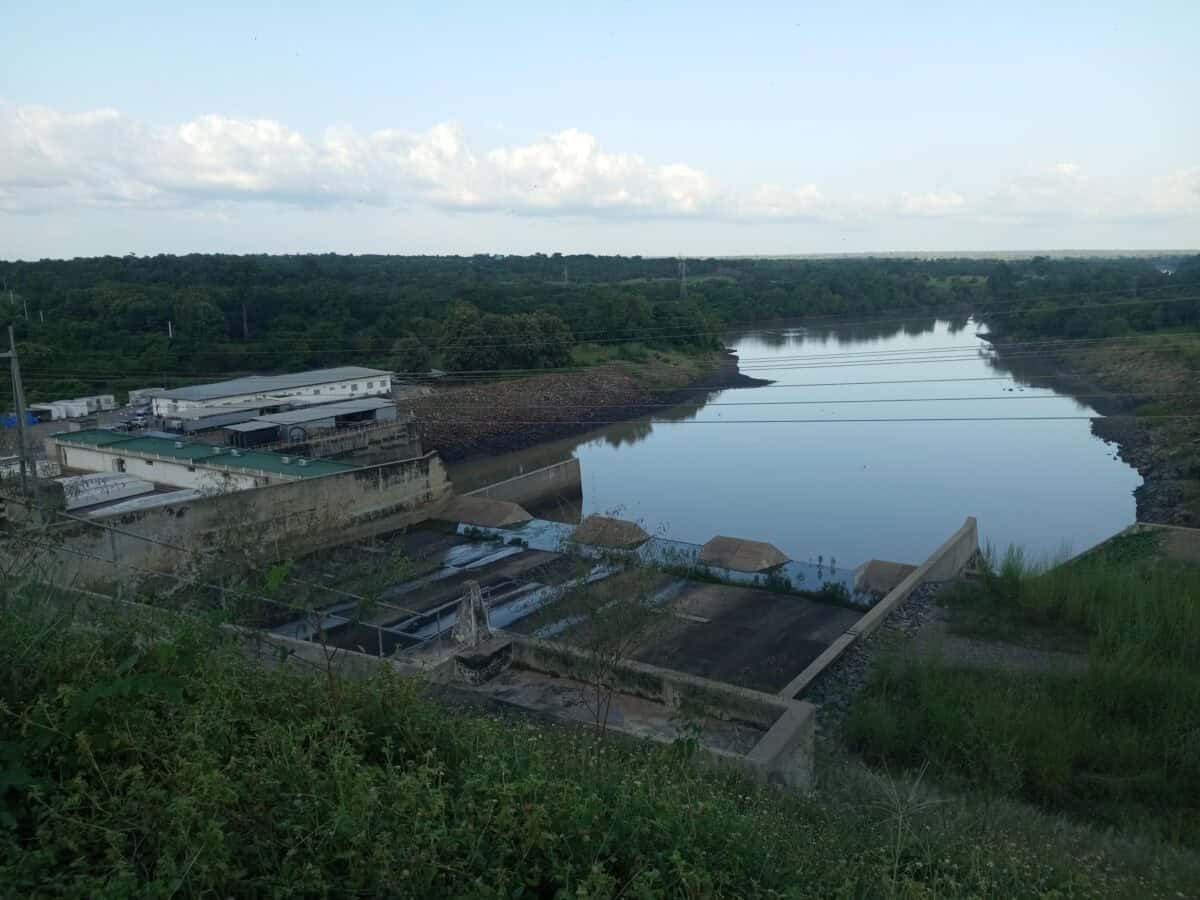
Togo has already started expanding and modernising its renewable energy infrastructure. The 65.5-megawatt Nangbeto Hydroelectric Dam remains a key component of the country’s power system. The plant underwent a major rehabilitation financed by Germany’s KfW Development Bank at a cost of about CFA 25.5 billion (USD 44.7 million). Completed in 2025, the rehabilitation is expected to extend the dam’s operating life by about 30 years. Authorities are also planning to hybridise the facility with a 40 MWp solar photovoltaic system, combining hydropower and solar generation.
Also in 2025, the African Development Bank Group committed USD 30.4 million in financing for the construction of a new 62 MWp solar photovoltaic facility in Sokodé.
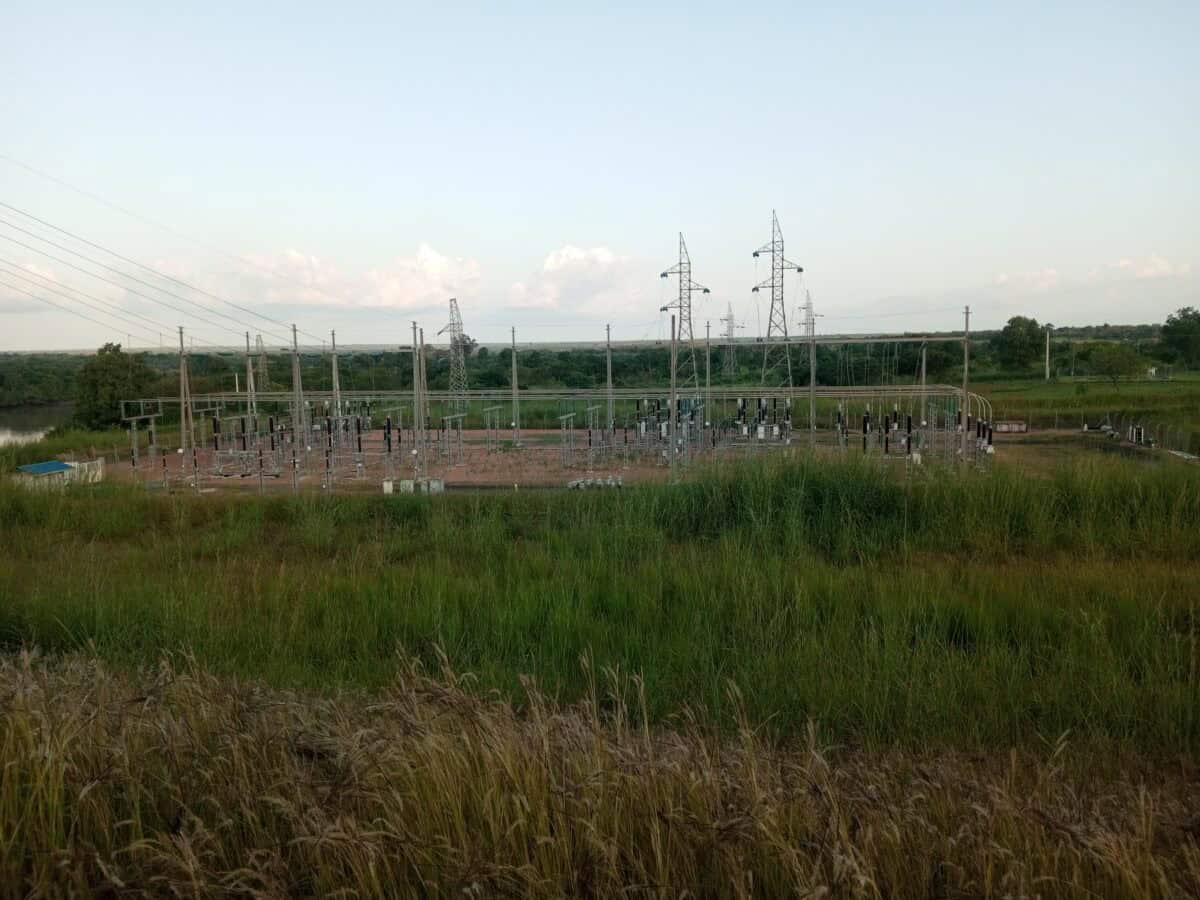
The financing package includes up to USD 21.2 million from the African Development Bank, alongside USD 9.2 million in concessional financing through the Bank-managed Sustainable Energy Fund for Africa (SEFA). Proparco, the French development finance agency that supports private-sector growth in emerging markets, is also contributing to the project. Its additional financing brings the overall project cost to approximately USD 70 million, highlighting a public-private approach to expanding renewable energy in Togo.
But beyond large-scale infrastructure, Togo is seeking to expand access to decentralised renewable energy through the CIZO off-grid solar programme. Launched in 2019, the initiative provides affordable individual solar kits and other off-grid solutions to rural households, with the programme targeting more than two million people who lack reliable access to electricity.
As the country aims to raise the share of renewable energy to 50 percent of its electricity-generation capacity and achieve universal access to electricity by 2030, these initiatives form part of Togo’s broader energy-transition ambitions.
What RAISE Could Mean for Rural Energy
The World Bank’s RAISE investment could provide an important foundation for addressing some of these challenges, particularly through infrastructure expansion, lower connection costs, sector reforms and private-sector mobilisation.
The investment is also expected to generate significant economic benefits. According to the World Bank, the project could generate labour-income gains equivalent to about 11,700 jobs annually, including around 9,200 jobs in Togo and 2,500 in The Gambia.
Reliable electricity could provide a boost to small businesses, farms, agro-processing and digital services, while reducing dependence on expensive diesel generation.
“RAISE highlights the transformative role of electricity in driving inclusive development across the region,” says Nathan Belete, World Bank Director for Africa Regional Programs in the statement.
The project builds on more than 4,000 kilometres of transmission infrastructure connecting 14 West African countries and contributes to the broader Mission 300 initiative, which aims to connect 300 million people across Africa to electricity.
But Njuguna and his team’s research suggests that ensuring rural communities actually benefit from the renewable energy transition will require attention to the institutional and economic barriers that can prevent projects from becoming sustainable.
Ultimately, Njuguna says, Togo’s renewable energy transition must also address who participates in decisions about the country’s energy future.
“Ensuring broad stakeholder participation regardless of background, age, or gender will support more effective and equitable energy solutions,” he says.